Tag

Multicellular Life

All articles tagged with #multicellular life

science1 year ago

"Uncovering the Role of Altered Protein Folding in Multicellular Evolution"

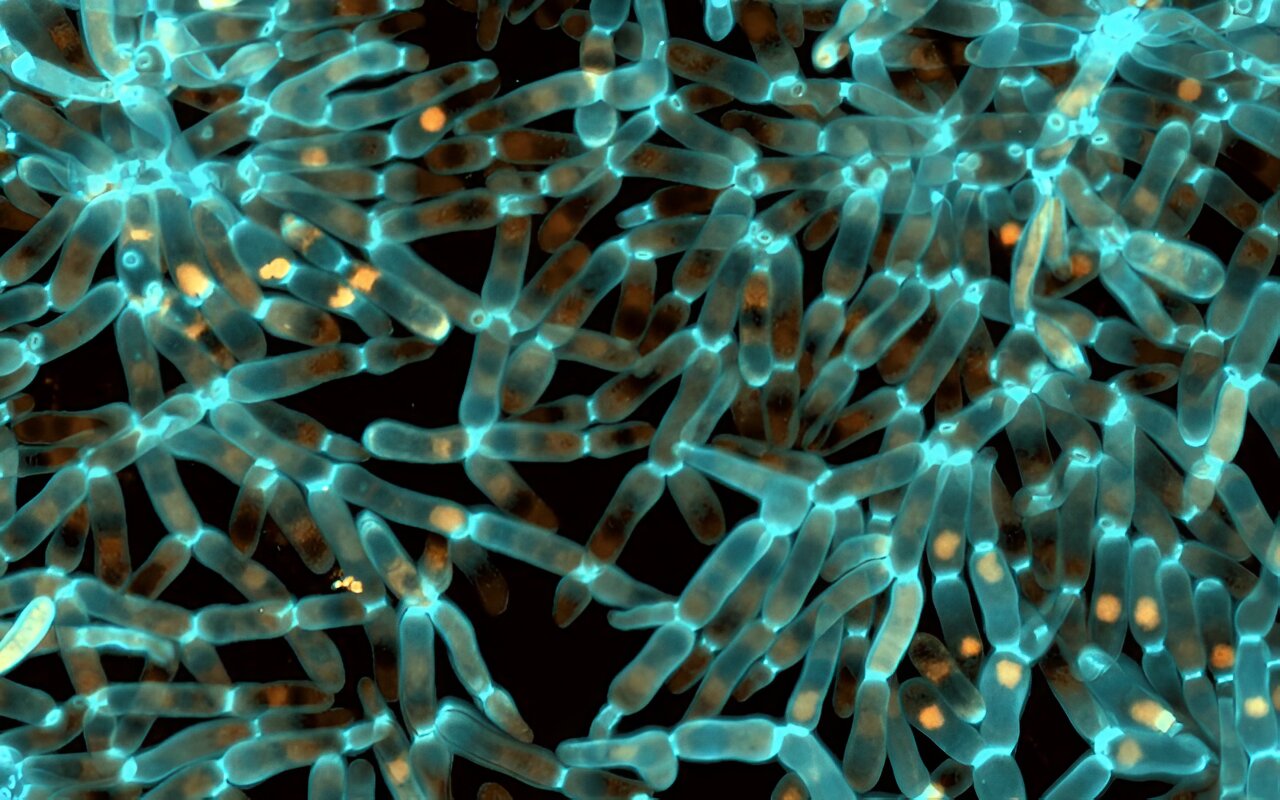
A new study led by researchers from the University of Helsinki and the Georgia Institute of Technology has discovered a mechanism driving the evolution of multicellular life, highlighting the role of altered protein folding. Through experimental evolution with laboratory yeast, the study found that changes in protein folding, particularly the expression of the chaperone protein Hsp90, played a crucial role in the evolution of novel multicellular traits, such as the development of robust bodies in snowflake yeast. This research emphasizes the significance of non-genetic mechanisms in driving rapid evolutionary change and provides insights into the complex nature of evolutionary adaptations.

science1 year ago

"The Quest for Multicellularity: A Multitalented Scientist's Search for Origins"

Cassandra Extavour, a geneticist and classically trained soprano, is the first Black woman to receive tenure in the biological sciences at Harvard University. Her research focuses on the origins of multicellular life and the role of germ cells in development. Extavour's work has overturned assumptions about cellular shapes and revealed the influence of bacteria on the genes important for establishing germ cell lines. She balances her scientific career with a passion for singing and aims to support minoritized students interested in science careers.

science1 year ago

"Revolutionizing Multicellular Life History: The 1.63-Billion-Year-Old Fossil Discovery"

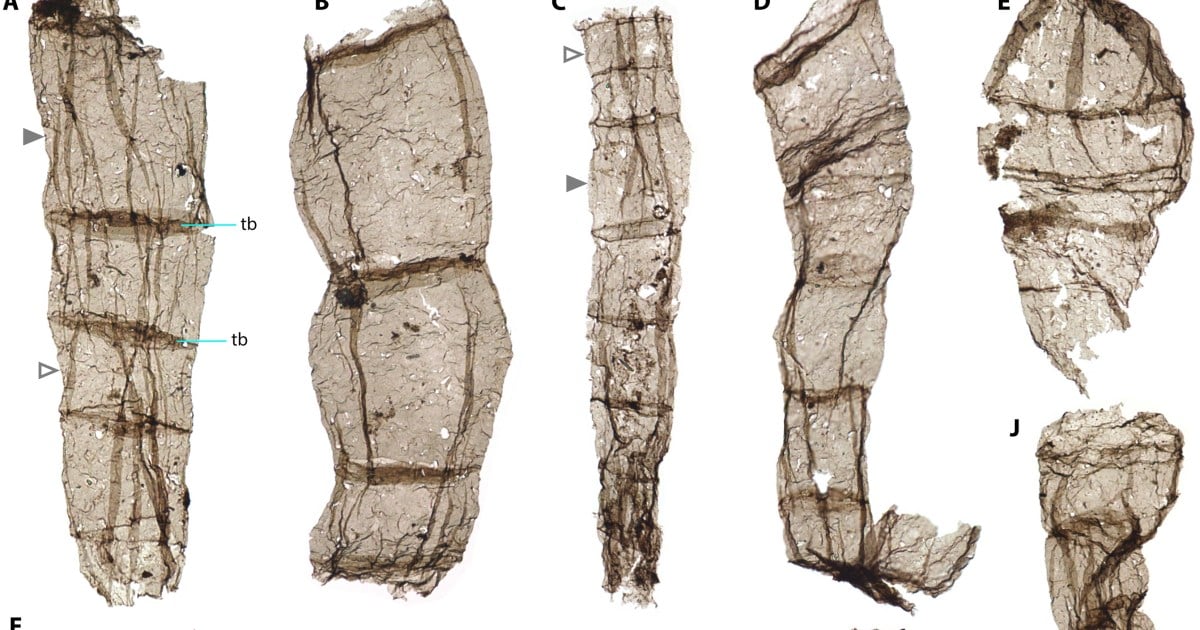
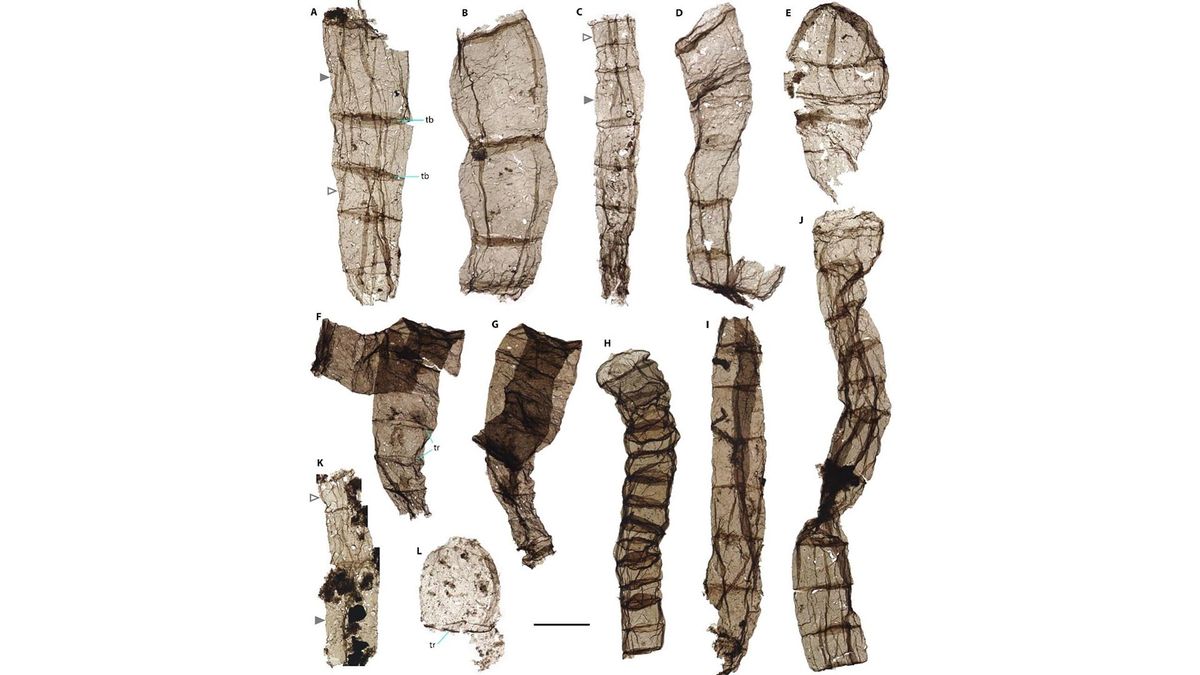
A 1.63-billion-year-old fossil discovered in North China challenges previous assumptions about the timeline of multicellular life on Earth. The fossil, named Qingshania magnifica, is a multicellular eukaryote that lived during the "boring billion" period, suggesting that this era may not have been as uneventful as previously thought. This finding extends the timeline for the evolution of multicellularity by 700 million years, indicating that complex multicellular organisms appeared earlier than previously believed. The discovery underscores the challenges of relying solely on fossil evidence and highlights the need for renewed attention to older rock formations to shed light on Earth's early history.

science1 year ago

"Discovery of 1.6 Billion-Year-Old Multicellular Fossils in North China"

Fossils of ancient multicellular organisms, possibly an early type of photosynthetic alga, have been discovered in China and date back more than 1.6 billion years, pushing back the origin of multicellular life by around 70 million years. The fossils, representing a species called Qingshania magnifica, suggest that multicellularity in eukaryotes evolved earlier than previously thought, shedding light on the evolutionary history of complex life on Earth.

science2 years ago

"Unveiling Earth's Evolution: Ancient Fossils Reveal Key Turning Point"

Researchers have precisely dated ancient multicellular fossils to 565 million years ago, using volcanic ash layers as time markers, shedding light on a significant period in Earth’s history when complex life began flourishing after a global ice age. The study, led by Curtin University, marks a pivotal moment in Earth's biological history and underscores the importance of understanding ancient ecosystems to unravel the mysteries of Earth's past and shape comprehension of life's evolution.

paleontology2 years ago

"Uncovering Earth's Evolutionary Turning Point: 565-Million-Year-Old Fossils Hold Key Clues"

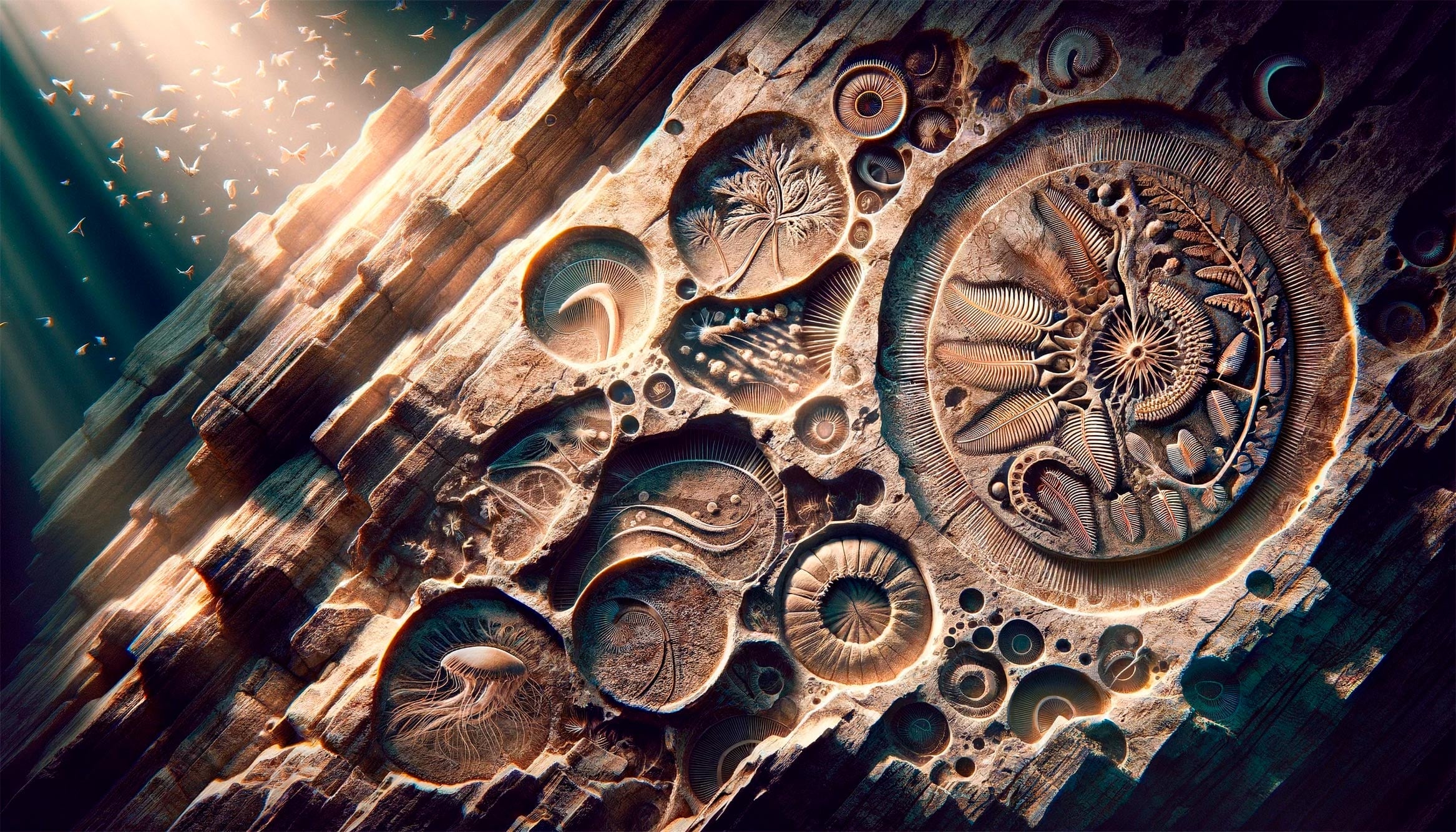
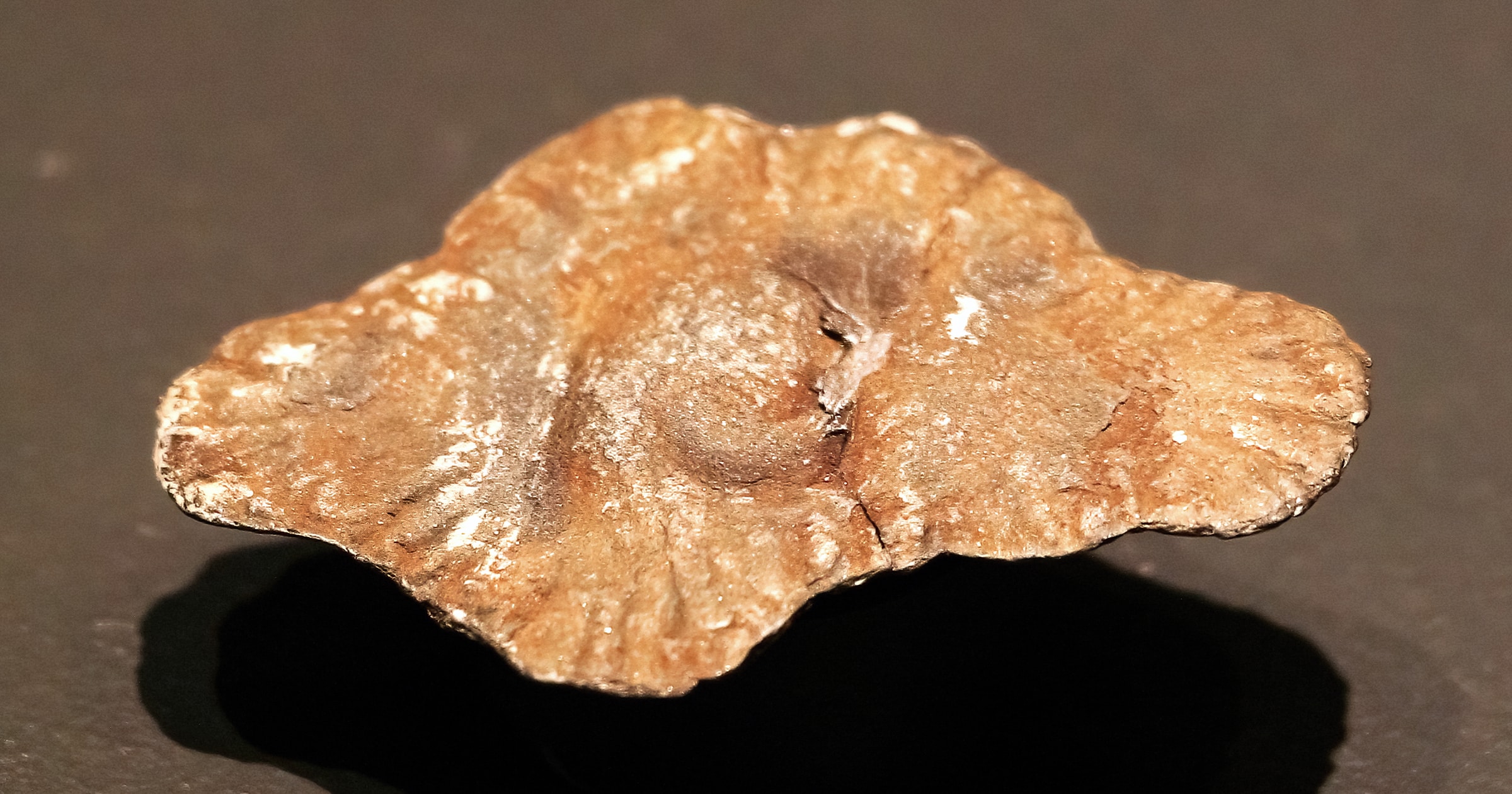
Fossils from the Llangynog Inlier in south Wales, dating back 565 million years, provide insight into the emergence of large multicellular life on Earth. These fossils, representing some of the oldest specimens of complex life, suggest a rapid transition from simple to complex life forms. The precise dating was made possible by volcanic eruptions, allowing researchers to narrow down the timing of this evolutionary event. The study sheds light on the environmental changes that may have facilitated the flourishing of these early life forms, including shifts in ocean chemistry and continental drift.

science2 years ago

"Uncovering Earth's Evolution: 565-Million-Year-Old Fossils Reveal Key Moment in Life's History"

Researchers have precisely dated some of the oldest fossils of complex multicellular life to 565 million years ago, marking a pivotal moment in Earth's history when the seas began teeming with new lifeforms after 4 billion years of containing only single-celled microbes. The fossils, found in Wales, resemble modern-day marine species and provide insight into the response of life to the thaw out from a global glaciation, highlighting the deep connection between geological processes and biology. This discovery sheds light on Earth's biological history and the evolution of life.

paleontology2 years ago

Creating a New Domain of Life: The Scientist's Journey.

The discovery of Gabonionta, a new domain of life, was based on inorganic patterns in ancient rocks and not on any organism that ever existed. The name was never formally described as a scientific name, but only used informally in public presentations and press releases. The discovery of similar structures from 1.1 billion-year-old sediments of Lake Michigan suggests that the identity of these macrostructures remains unknown and their biogenicity is questionable.

science2 years ago

Uncovering the Secrets of Multicellular Evolution through Experimental Evolution.

Researchers from the Georgia Institute of Technology have initiated the first long-term evolution experiment aimed at evolving new kinds of multicellular organisms from single-celled ancestors in the lab. Over 3,000 generations of laboratory evolution, the researchers watched as their model organism, "snowflake yeast," began to adapt as multicellular individuals. In research published in Nature, the team shows how snowflake yeast evolved to be physically stronger and more than 20,000 times larger than their ancestor. This type of biophysical evolution is a pre-requisite for the kind of large multicellular life that can be seen with the naked eye.