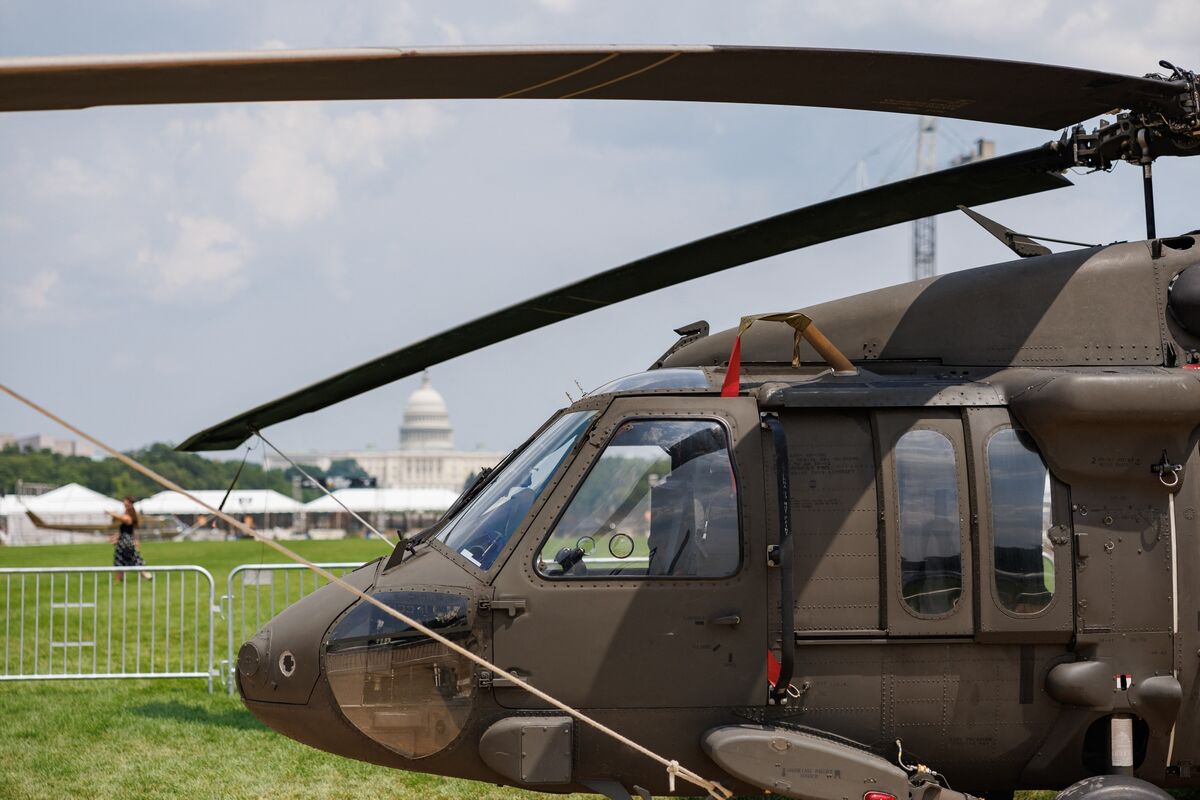
The US Army plans to adopt a Silicon Valley-inspired model to accelerate the development and procurement of new equipment, reduce reliance on contractors by repairing more equipment internally, and implement significant changes to its buying processes to foster innovation and speed, moving away from traditional, risk-averse methods.
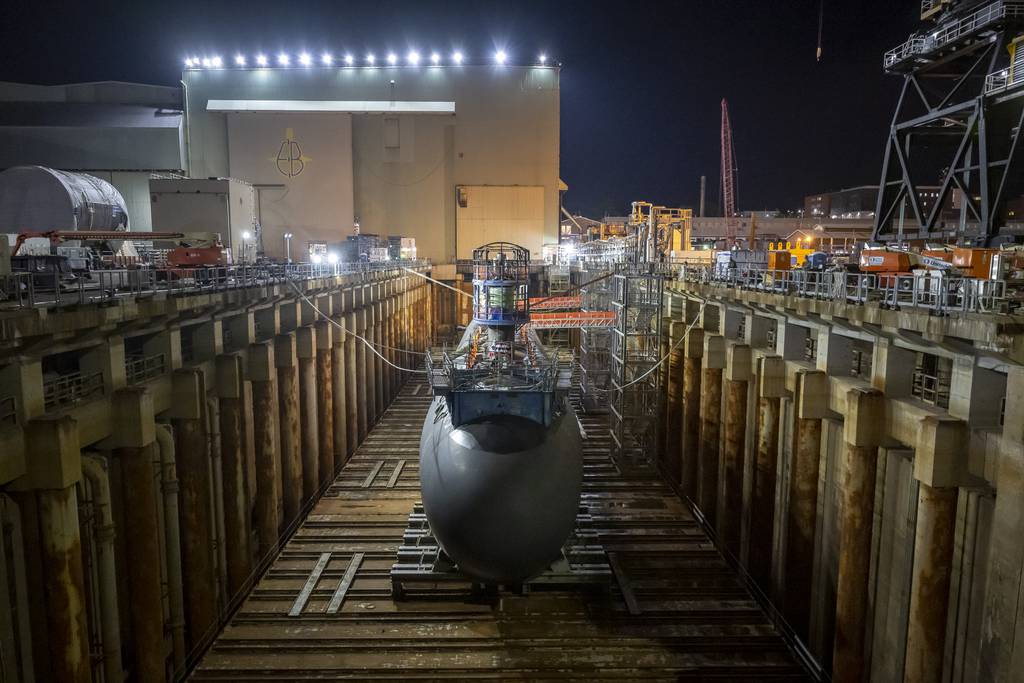
A House panel is pushing for the US Navy to buy two attack submarines in fiscal 2025, despite the Navy requesting just one. The Navy argues that advanced procurement funds and investments in the submarine-industrial base can compensate for the lack of a second submarine, but lawmakers, led by Rep. Joe Courtney, disagree, emphasizing the need for a consistent demand signal for orders and business. They argue that the industrial base is recovering and expanding, with increased hiring and construction rates, and advocate for continuous procurement at a rate of two submarines per year to support the submarine-industrial base's momentum.
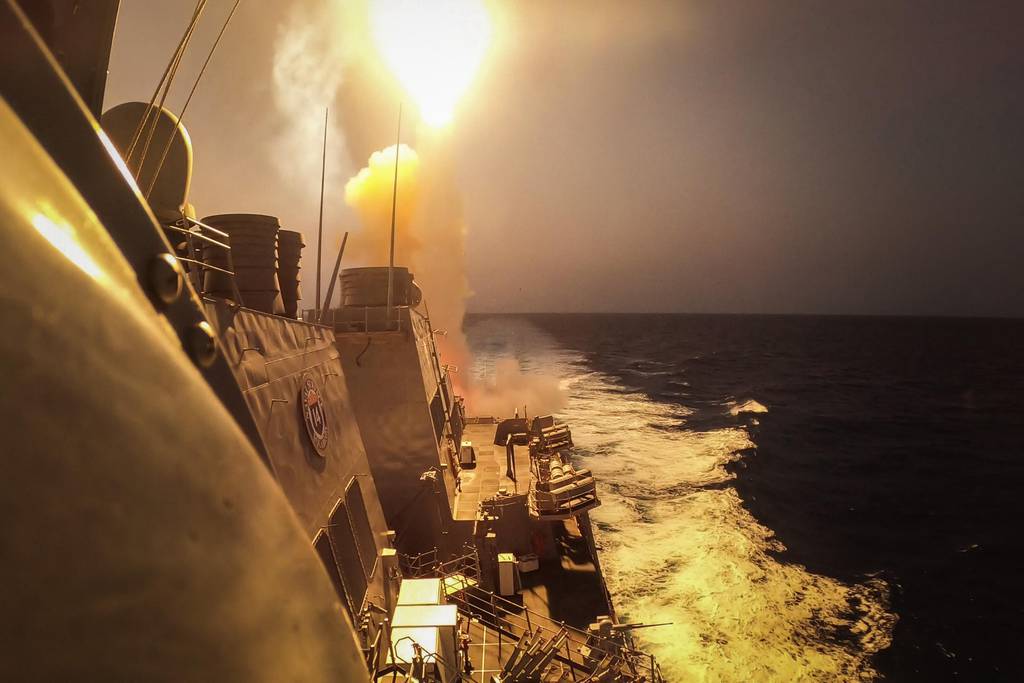
The U.S. Navy is postponing the development and purchase of large unmanned systems and next-generation ships and planes in fiscal 2025 due to spending caps, prioritizing current operations and personnel, small unmanned systems, and the Replicator program. The budget request for FY25 seeks six ships instead of seven, with reduced research and development and military construction spending. The Navy is facing unexpected costs from ongoing operations in the Middle East and is concerned about potential future conflicts, leading to the postponement of big-ticket items and a focus on smaller systems.
German software company SAP has decided to stop sourcing its company cars from Tesla due to issues with unpunctual deliveries and price fluctuations. SAP's fleet manager cited Tesla's fluctuating list prices as making planning more difficult and posing a higher risk for the company.
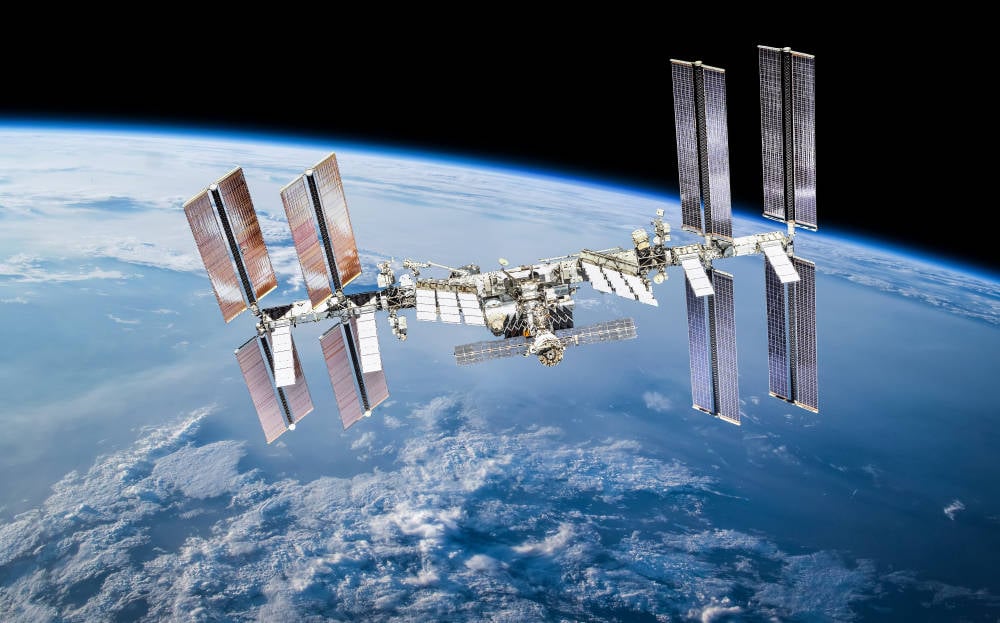
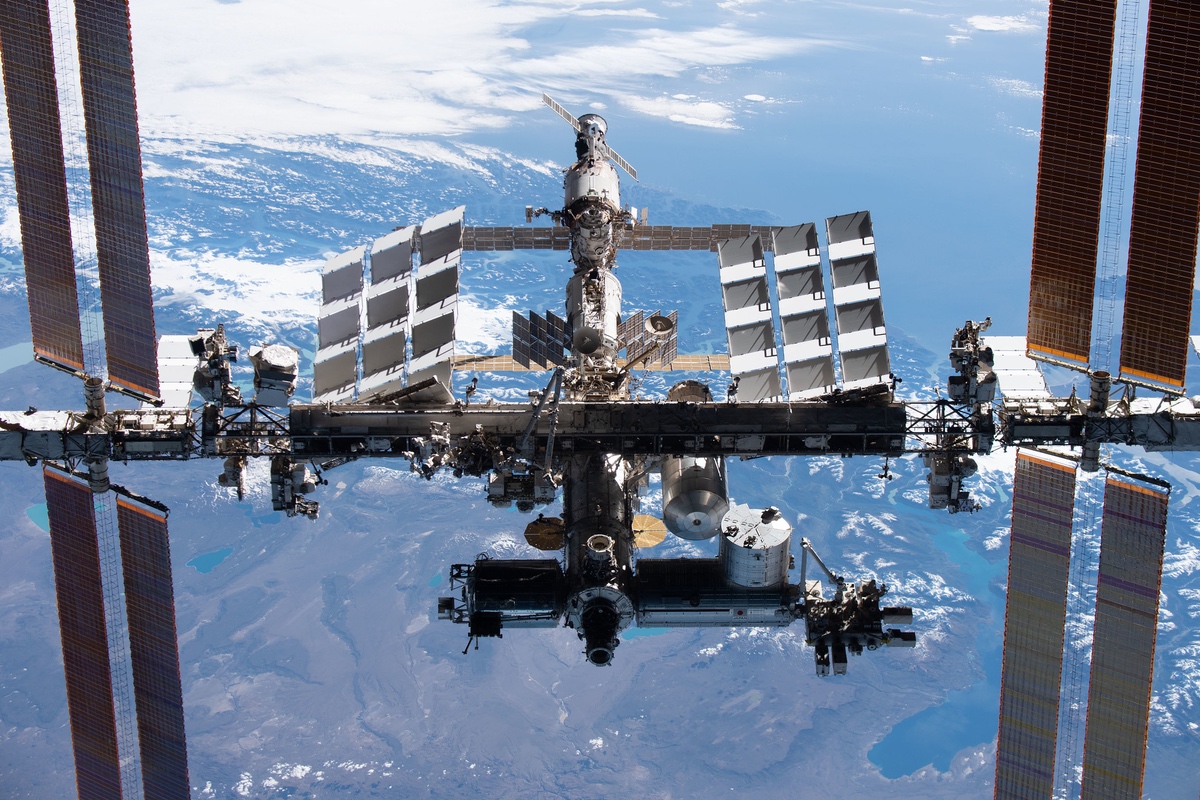
NASA has adjusted the timing and requirements for its procurement notice seeking a vehicle to deorbit the International Space Station (ISS). The agency extended the deadline for proposals to February 12, 2024, and updated the desired delivery and launch dates to August 1, 2028, and December 1, 2028, respectively. The required delivery date is now May 1, 2029, with a launch on September 1, 2029. NASA also added the option for both development and production of the vehicle under a cost-plus contract. The new dates align with the expected end of the ISS's life, and the contract award is expected in late May or early June 2024.
NASA has revised its contract strategy for the production of the U.S. Deorbit Vehicle (USDV) for the International Space Station (ISS). The agency will now allow companies to choose between firm fixed price or cost plus incentive fee contract structures for both the design and production of the vehicle. The deadline for submitting proposals has been extended to February 12, 2022, with an award expected in late May or early June. The USDV will be used for the controlled reentry of the ISS at the end of its life, and NASA has requested $180 million for the vehicle in its fiscal year 2024 budget proposal.
Germany plans to accelerate reforms of its military bureaucracy and make the military the backbone of Europe's defense, according to new defense guidelines presented by Defense Minister Boris Pistorius. The revamp aims to enhance the military's capability to defend Germany and its allies, with a focus on being ready for war in all areas. The document highlights Russia as the main long-term threat to peace and security and calls for speeding up procurement of much-needed equipment. Germany has set up a special fund for weapon purchases and aims to meet NATO's defense spending target of 2% of GDP by 2024.
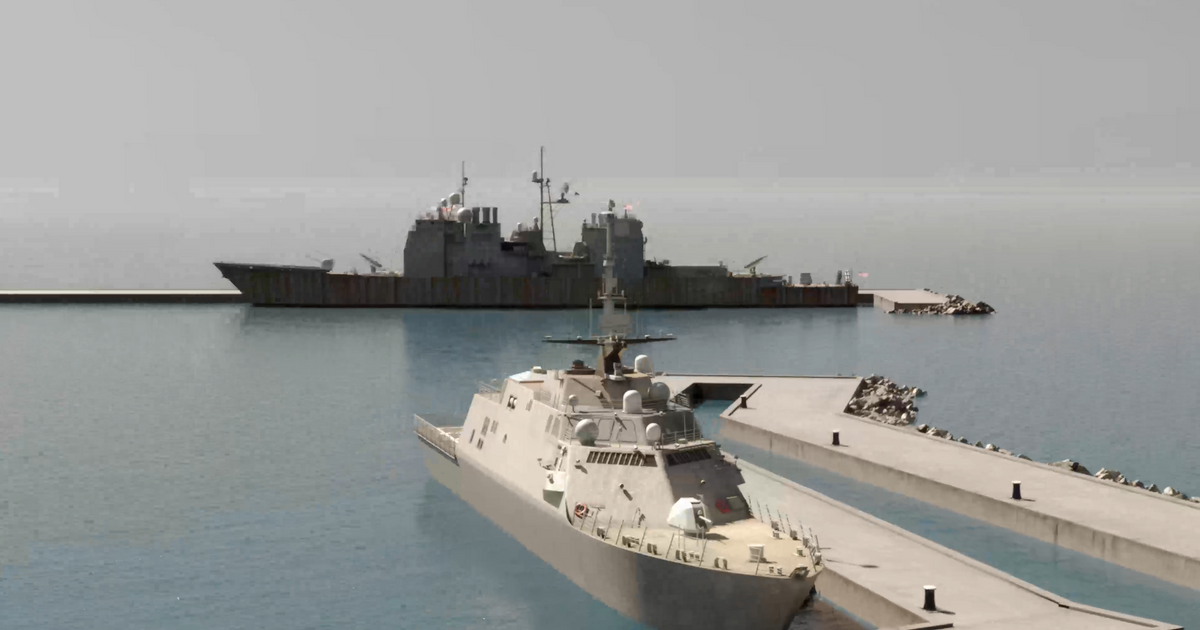
The U.S. Navy's littoral combat ship (LCS) program, which was intended to be a technical marvel capable of combatting enemies at sea, hunting mines, and sinking submarines, has turned into one of the military's biggest boondoggles. The LCS program has been plagued by overpriced and underperforming ships, with rampant mechanical failures and a failure to carry out its intended missions. ProPublica's investigation reveals that top Navy leaders repeatedly dismissed or ignored warnings about the ships' flaws, while defense contractors lobbied Congress to build more ships. The LCS program has cost billions of dollars and may reach a lifetime cost of $100 billion or more, leaving taxpayers with fewer than 30 limited-survivability, single-mission ships.
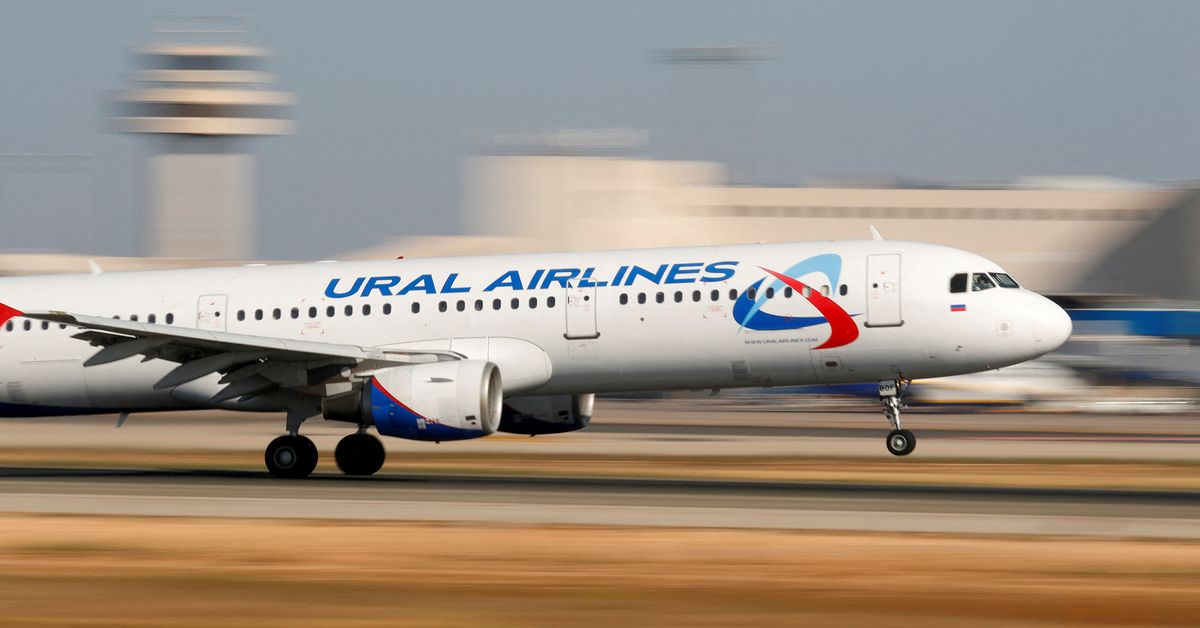
Despite Western sanctions aimed at preventing Russian carriers from procuring parts for their Western-made jets, Russian airlines have managed to import over $1.2 billion worth of aircraft parts since May 2022, according to customs records. The parts range from essential components like navigation systems to more mundane items like coffee makers and toilet seats. Russian airlines have found alternative supply channels through middlemen in countries that have not endorsed Western sanctions, such as Tajikistan, the United Arab Emirates, Turkey, China, and Kyrgyzstan. The sanctions have made life more difficult for Russia's aviation sector, but Russian carriers still have hundreds of Western planes in active service or under maintenance.
An investigation into the failed "I Am My Ancestors Wildest Dreams" expo in Minneapolis found no evidence of a detailed plan and revealed that the former director of the city's Racial Equity, Inclusion, and Belonging office struggled with the city's contracting rules. The report recommended better training in procurement and purchasing and exploring the possibility of recovering some of the event's costs. The ex-equity director disputed many of the report's findings, claiming contradictory information from city staff and unfair blame. The report also highlighted minimal training for city employees in procurement and purchasing requirements.
Top executives from Silicon Valley companies including Google, Microsoft and Amazon have urged the Pentagon to overhaul its procurement process to make it easier for tech firms to work with the US military. The executives said the current system was too slow and bureaucratic, and that the Pentagon needed to be more flexible in its approach to working with the private sector.
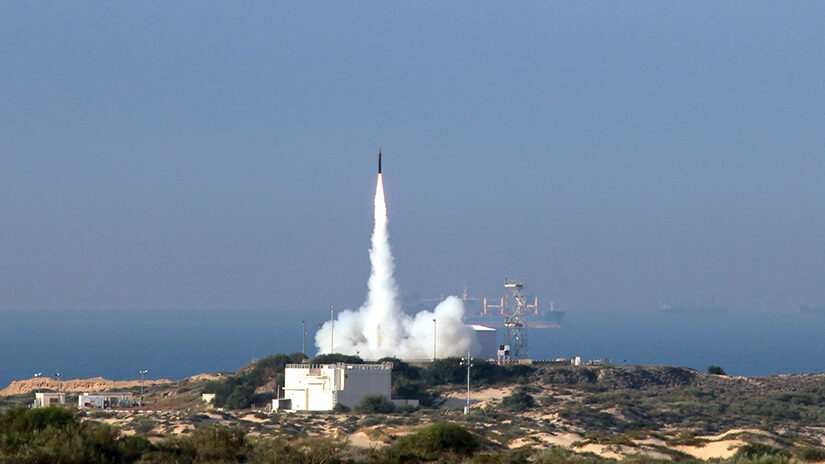
Germany's Bundestag budget committee has approved spending €560 million to start procuring Israel's Arrow-3 air defense system, marking a significant upgrade in the strategic relationship between the two countries. The overall deal is estimated to be around €4 billion ($4.3 billion) in total cost, with today’s budget decision being characterized as an advance payment. The Arrow-3 is the top tier of Israel’s multi-layered air defense system, designed to intercept ballistic missiles and other long-range threats.
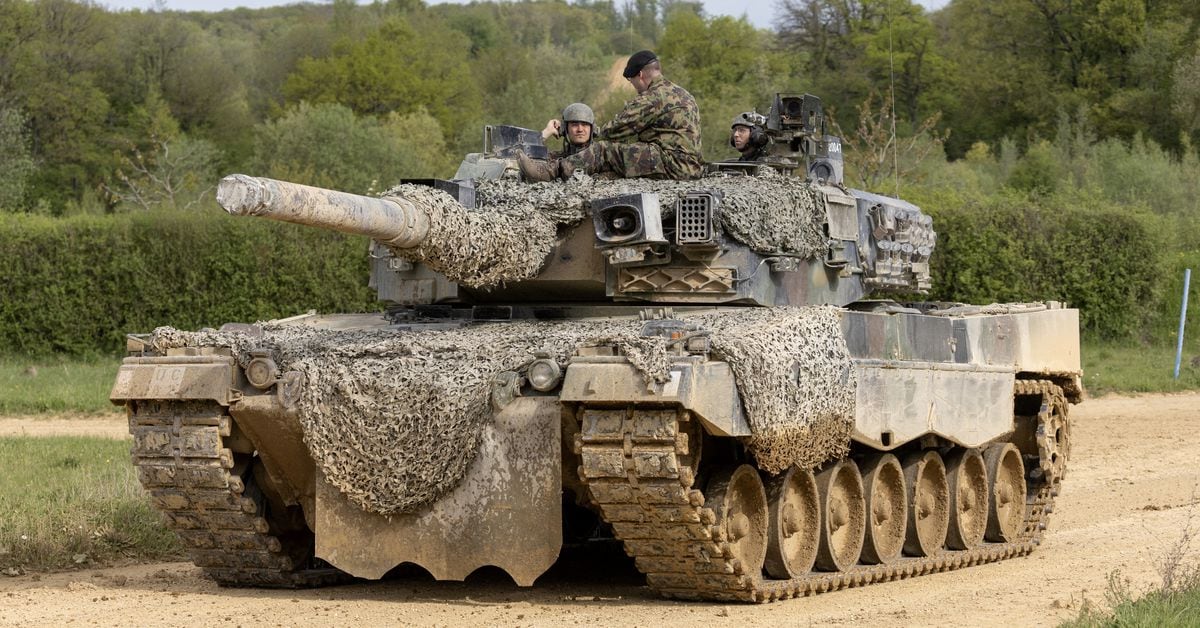
Germany plans to purchase 18 Leopard 2 tanks and 12 self-propelled howitzers to replenish stocks depleted by deliveries to Ukraine. The tanks order will cost 525 million euros ($578 million) while the howitzers have a price tag of 190.7 million euros, all of which are to be delivered by 2026 at the latest. The tank purchase includes an option for another 105 tanks for about 2.9 billion euros.
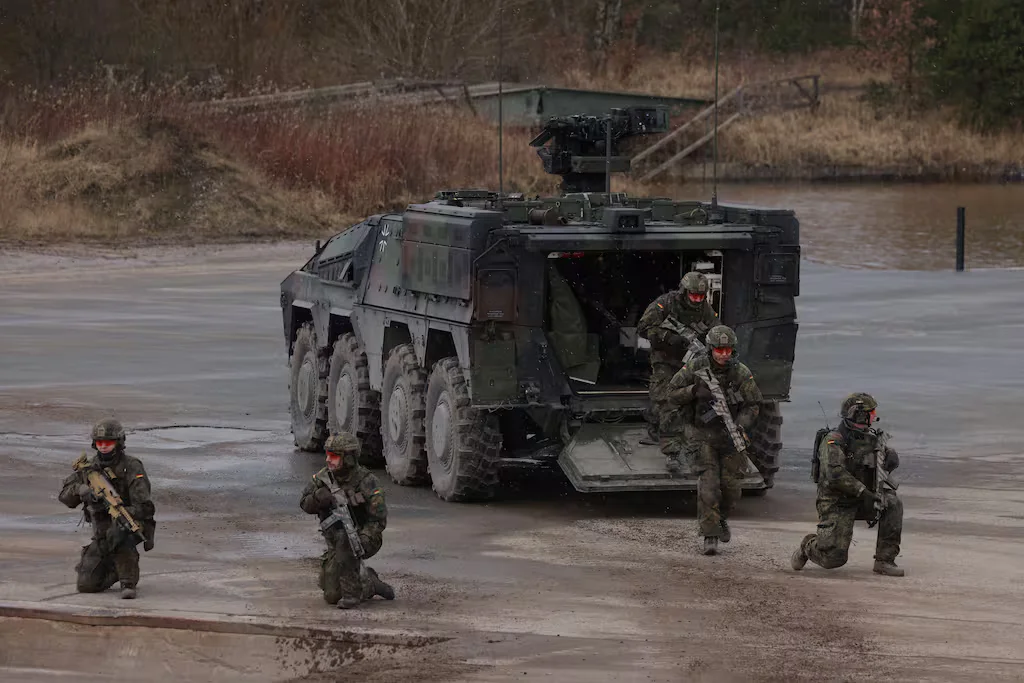
Germany plans to purchase over 100 Australian-made combat vehicles equipped with a 30mm gun, as part of its military modernization efforts. The vehicles will replace the German Army's Wiesel 2 armored vehicles. The procurement will be funded by a special €100 billion fund for military modernization, with deliveries expected to start in 2025.
The EU's plan to jointly procure ammunition for Ukraine and ramp up European defense industries is a crucial test for the credibility of common European defense efforts, but some EU members are unsure if Brussels is up to the job. The EU has agreed to spend €1 billion to transfer more of its members' existing munitions stocks to Kyiv and another billion to jointly order the most frequently used 155-millimeter NATO standard artillery shells from European industry. However, the devil is in the detail, and there are concerns about harmonizing military requirements, navigating a complex supply chain, and managing such complex contracts.