Commerce Secretary Howard Lutnick expects a review and potential tariffs on aircraft parts soon, as part of the Trump administration's broader trade and national security strategy, including increased tariffs on steel and aluminum and investigations into imports under Section 232.
The Serious Fraud Office (SFO) has launched a criminal investigation into suspected fraud at UK-based aircraft parts supplier AOG Technics. The SFO made one arrest during a raid and is working with regulators to establish the facts. Several major airlines, including Ryanair, American Airlines, United Airlines, and Delta, are investigating engine parts that may have come from AOG Technics. The UK aviation watchdog, the Civil Aviation Authority (CAA), issued a safety notice in August, prompting some companies to temporarily take planes out of service. The investigation deals with serious allegations of fraud and could have far-reaching consequences.
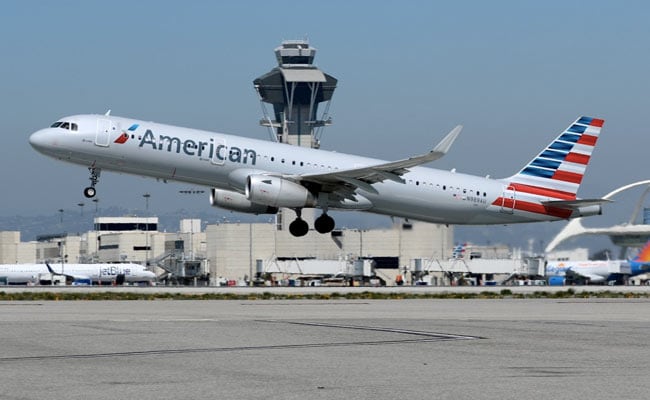
The Serious Fraud Office (SFO) in the UK has conducted raids and arrested one person as part of an investigation into AOG Technics Ltd, an aircraft parts supplier that has been servicing major airlines since 2015. The SFO is looking into allegations of fraud involving the supply of non-certified parts for the CFM56 engine, which is used on popular passenger and cargo aircraft. Aviation authorities have issued alerts to businesses that may have purchased or installed AOG's parts, resulting in some planes being grounded. Airlines affected include Ryanair, American Airlines, Delta Air Lines, United Airlines, Southwest Airlines, and Virgin Australia Airlines.
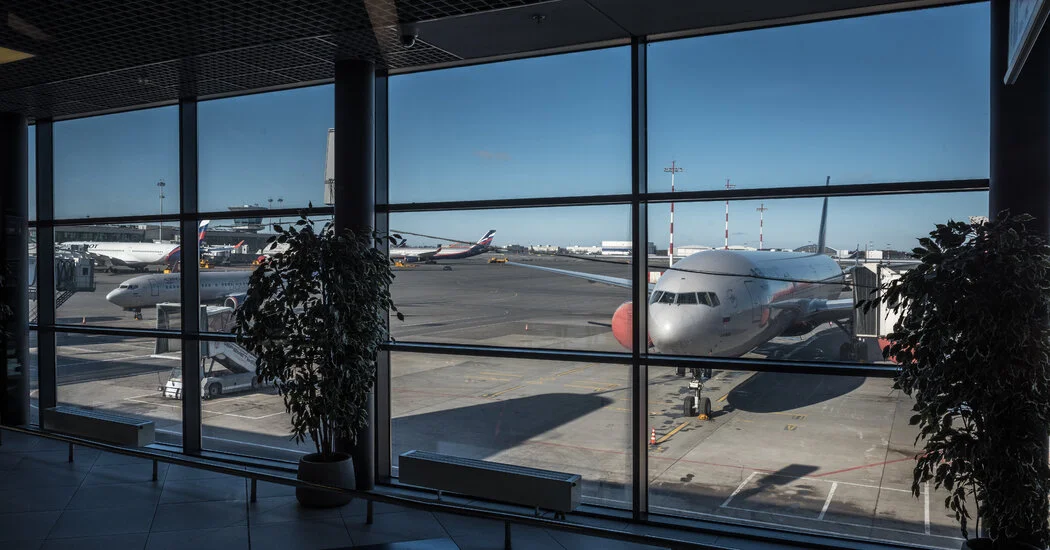
Despite Western sanctions aimed at preventing Russian carriers from procuring parts for their Western-made jets, Russian airlines have managed to import over $1.2 billion worth of aircraft parts since May 2022, according to customs records. The parts range from essential components like navigation systems to more mundane items like coffee makers and toilet seats. Russian airlines have found alternative supply channels through middlemen in countries that have not endorsed Western sanctions, such as Tajikistan, the United Arab Emirates, Turkey, China, and Kyrgyzstan. The sanctions have made life more difficult for Russia's aviation sector, but Russian carriers still have hundreds of Western planes in active service or under maintenance.
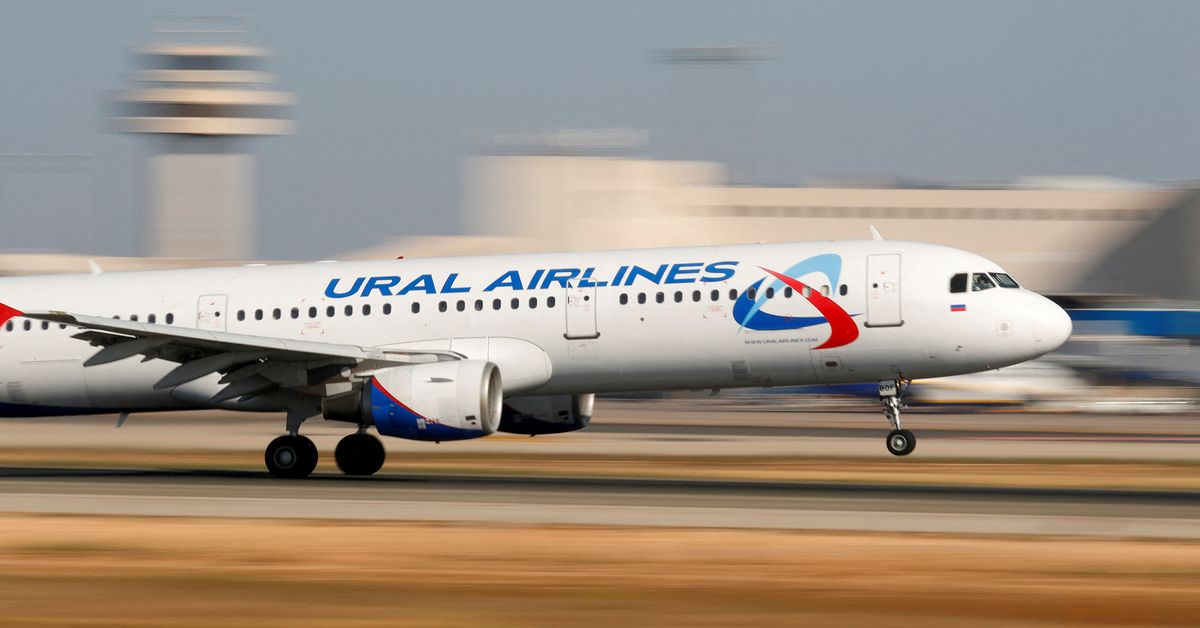
Despite sanctions imposed on Russia, thousands of shipments of aircraft parts were successfully sent into the country last year, according to Russian customs data obtained by The New York Times. The data shows that tens of millions of dollars of aircraft parts were sent to Russian airlines, including Aeroflot, Rossiya Airlines, Ural Airlines, S7 Airlines, Utair Aviation, and Pobeda Airlines. Illicit networks have sprung up to try to bypass the restrictions by shuffling goods through a series of straw buyers, often in the Middle East and Asia. The shipments also increased over the course of last year as Russia recruited global businesses to help it bypass the sanctions.
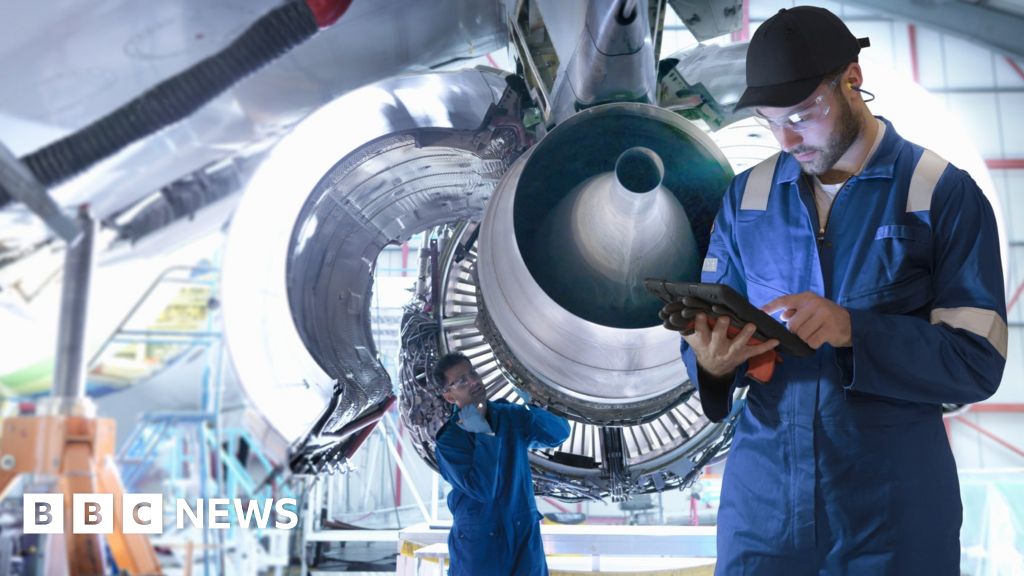
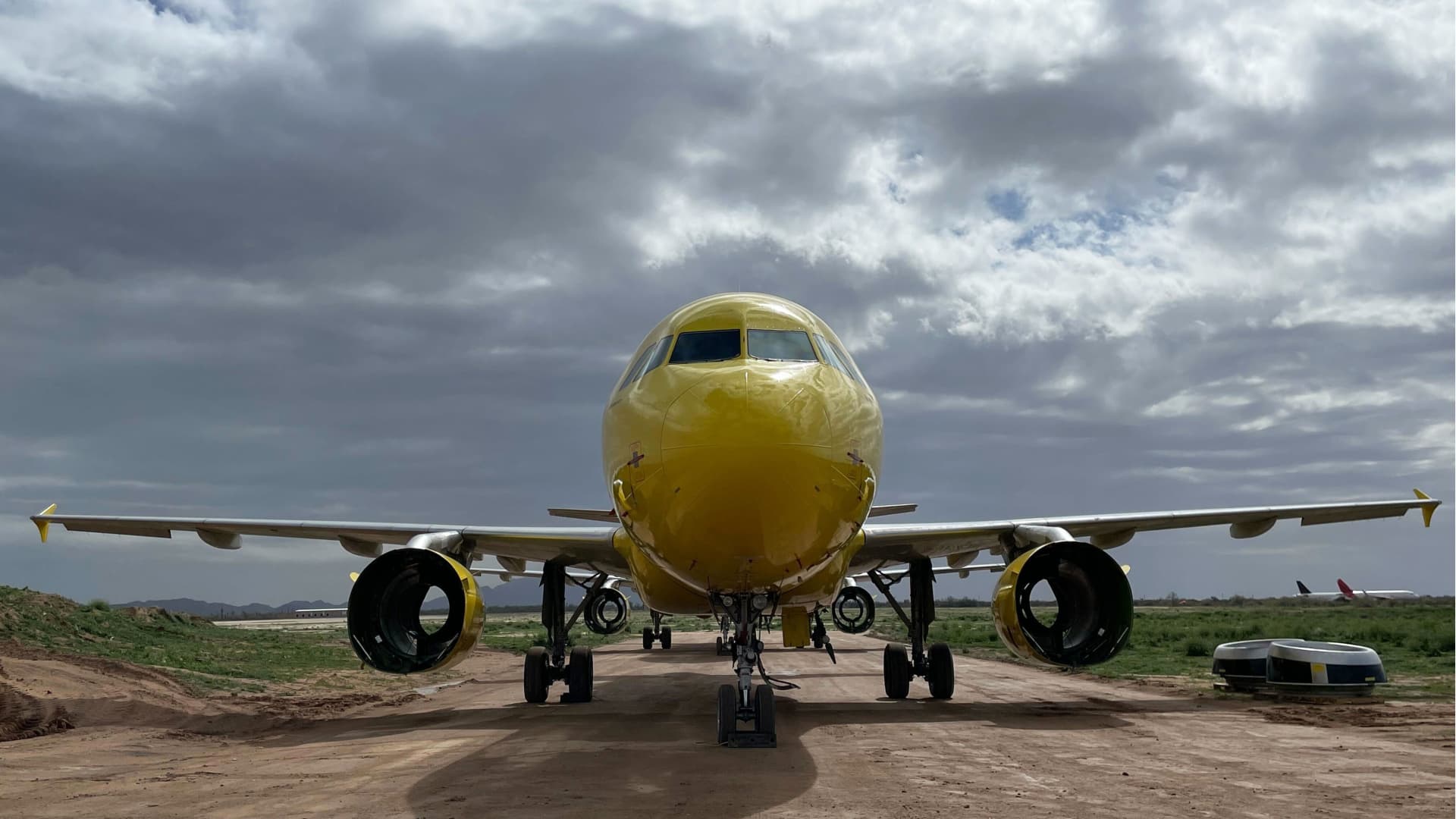
Airlines are searching for aircraft parts as new planes from Boeing and Airbus are still in short supply. This has led to the used-parts business booming, with retired planes being stripped for parts that will be prepared to fly on other planes or repurposed altogether. The demand for aircraft parts is the result of the industry's deep demand swings resulting from the Covid pandemic. With deliveries of new jets behind schedule, airlines are holding onto planes longer, repairing or overhauling them, adding to demand for parts and labor.