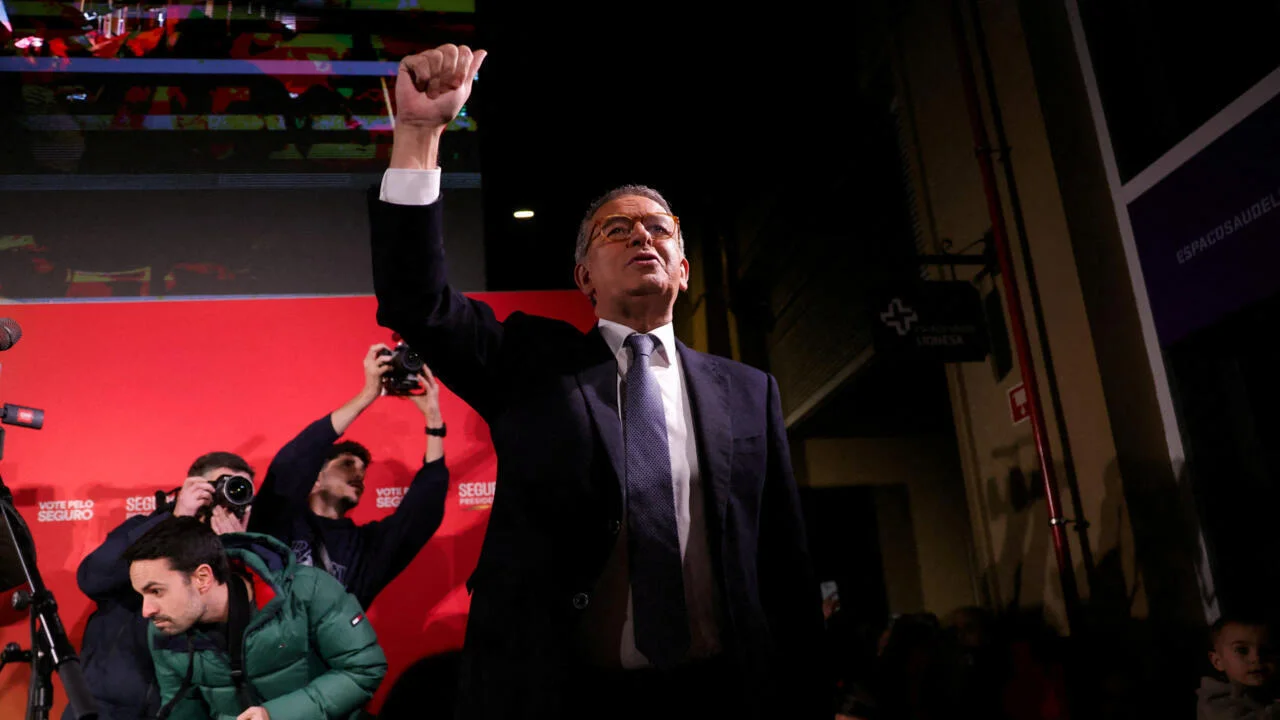
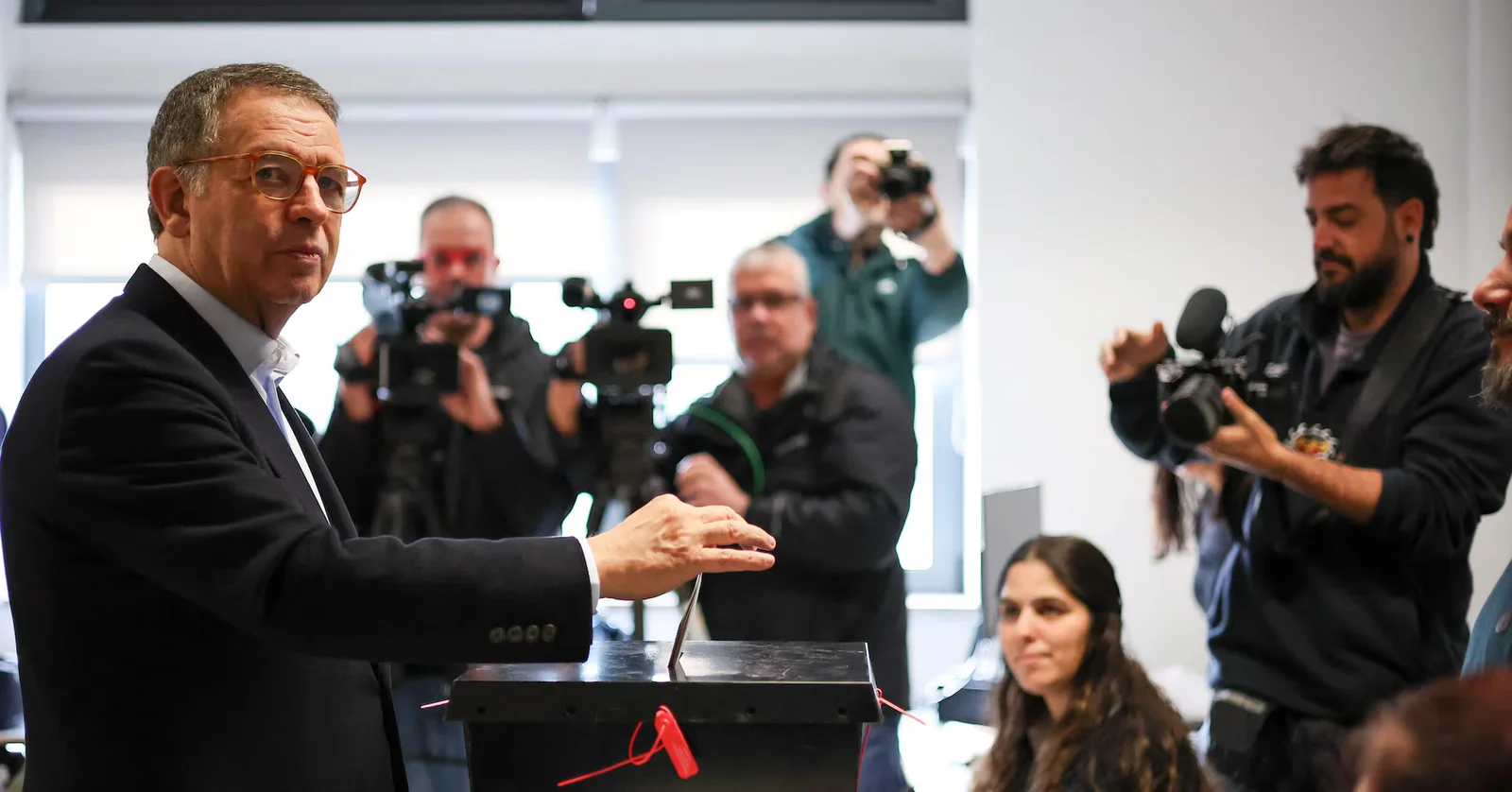
Centre-left Socialist Antonio Jose Seguro won Portugal's presidential runoff by a landslide (about 70% to 30%), defeating far-right André Ventura and taking a largely ceremonial post that could help stabilize politics as Seguro vows moderation and cooperation with the centre-right ahead of May elections.
Two exit polls put moderate Socialist Antonio Jose Seguro at 67-73% in Portugal’s presidential runoff, with far-right Andre Ventura at 27-33%. Ventura’s relative strong performance follows Chega’s 22.8% in last year’s general election, signaling growing far-right influence in Portugal and across Europe. The presidency is largely ceremonial but carries powers such as dissolving parliament or vetoing legislation in certain cases.
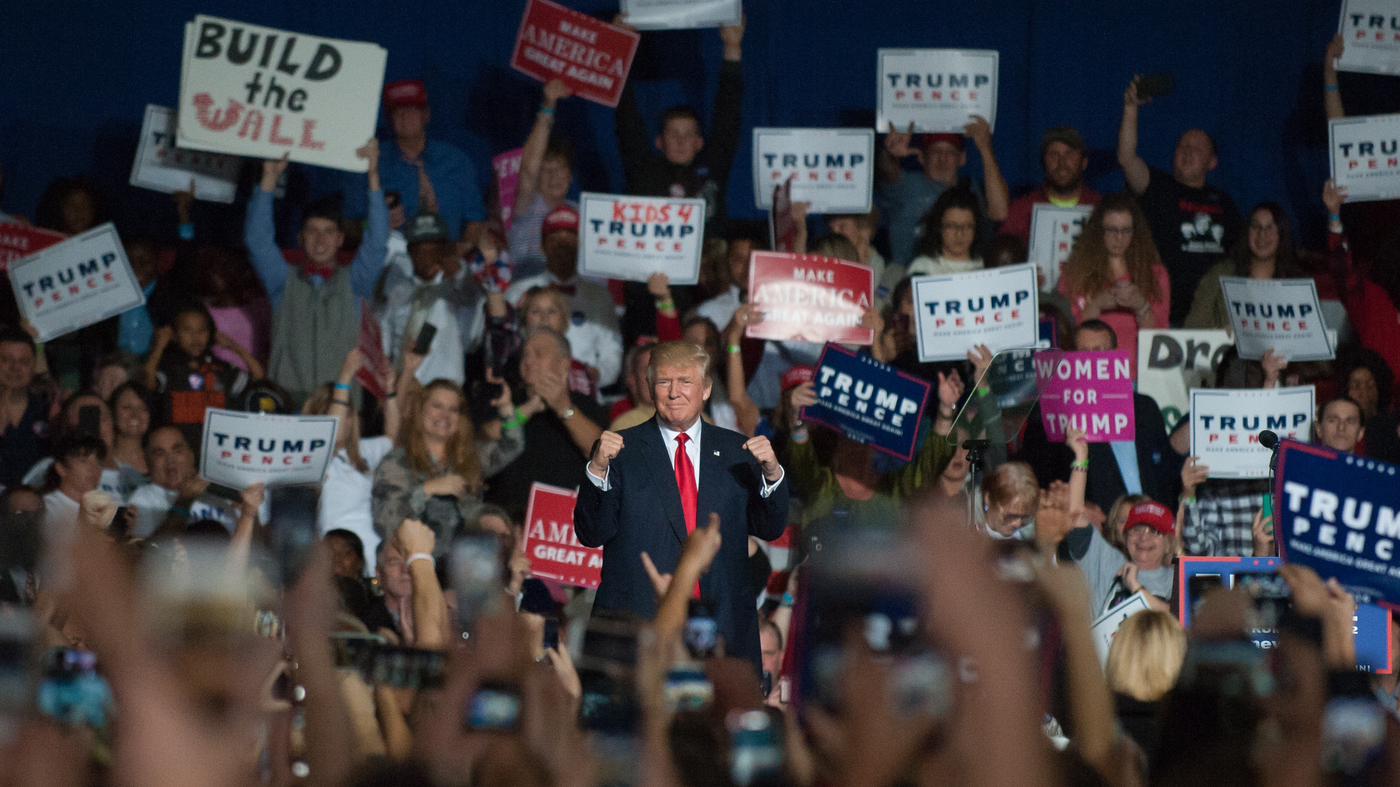
The S&P 500, a key indicator of the U.S. stock market, typically sees above-average returns in the 12 months following presidential elections, with a median return of 17% over the past four decades. Historical data suggests the index could rise 14% by November 2025, especially with Republicans controlling the presidency and Congress. While the economy shows strength with rising GDP and consumer sentiment, high stock valuations could pose risks if corporate earnings don't meet expectations. Investors should remain cautiously optimistic about 2025.
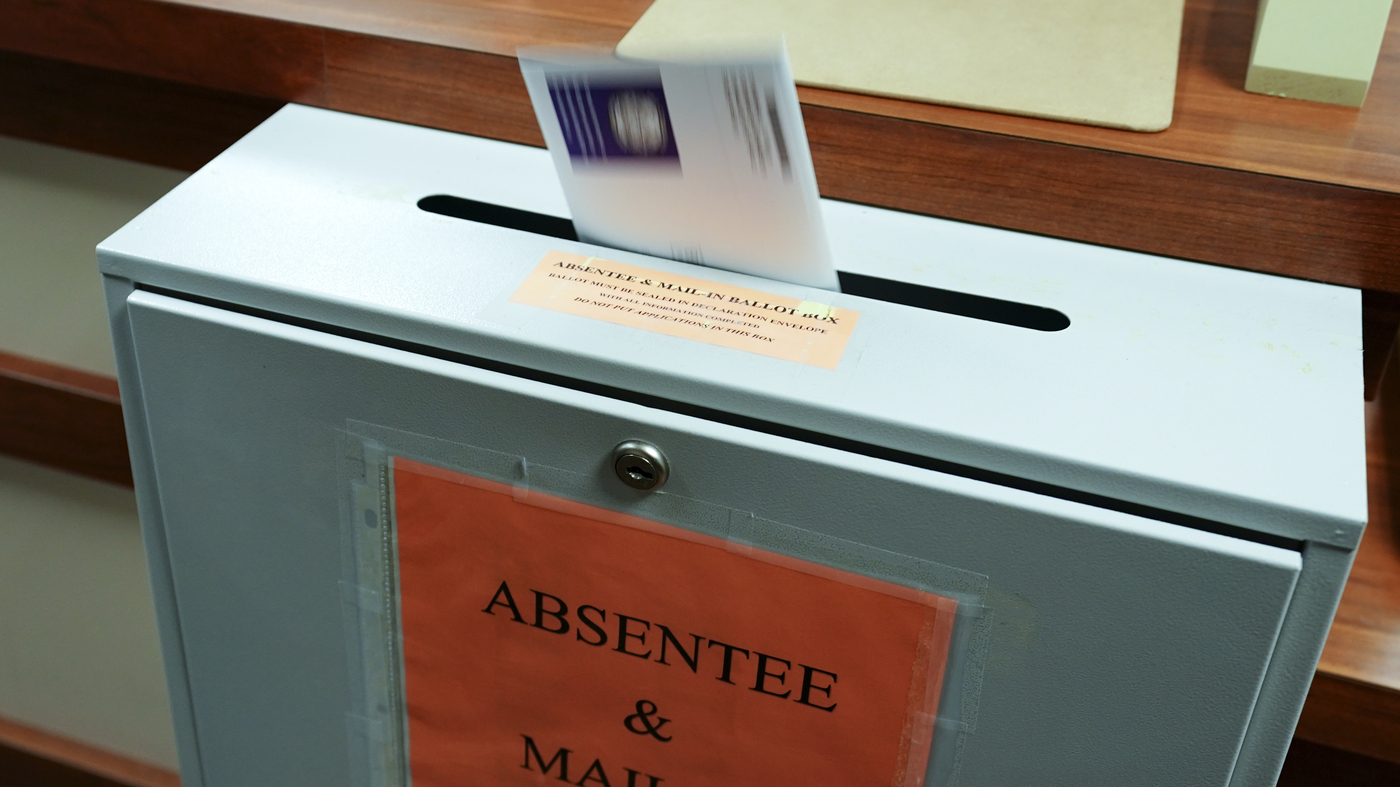
Erie County in Pennsylvania, known as a "boomerang county" for swinging between Democrat and Republican support, is closely watched for insights into national elections. With a history of narrow margins, the county's voters reflect diverse perspectives, with some shifting allegiances based on issues and candidates. Both parties are focused on boosting voter turnout, with Democrats leveraging mail-in voting advantages and Republicans facing skepticism due to misinformation about fraud. The county's political dynamics offer a microcosm of the broader national debate on voting methods and party strategies.
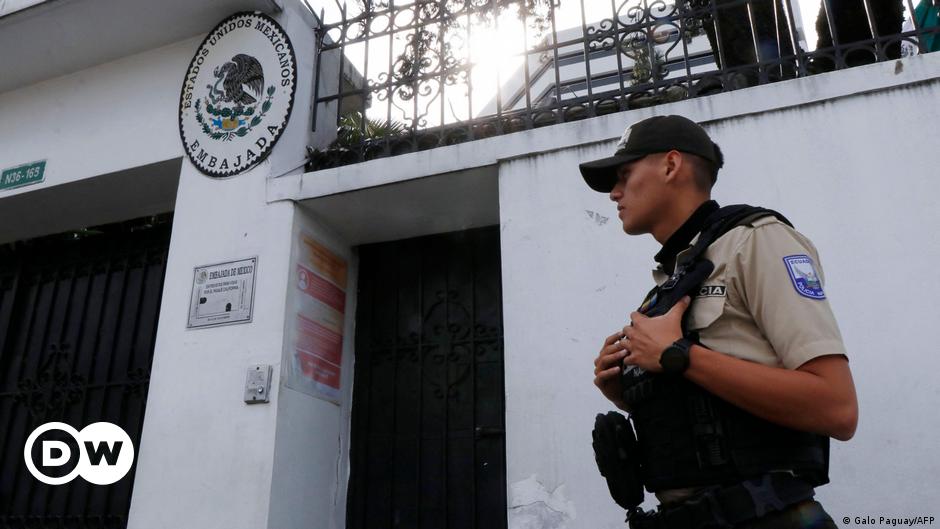
Ecuador has declared Mexico's ambassador persona non grata and ordered her to leave the country following comments made by Mexican President Lopez Obrador about the 2023 presidential elections in Ecuador. The move comes after the assassination of presidential candidate Fernando Villavicencio, with Ecuador invoking the principle of "non-intervention" and the Vienna Convention as grounds for the expulsion. Lopez Obrador compared Villavicencio's killing to violence during Mexico's current election season and criticized the media for creating a "charged atmosphere of violence" in the run-up to the election.
Nebraska's Republican-controlled state legislature rejected a procedural motion to adopt a winner-take-all system for presidential elections, a proposal backed by Donald Trump and Governor Jim Pillen. The legislation, which would have given all five of the state's Electoral College votes to the top performing candidate, was blocked, with GOP state Senator Julie Slama failing to garner enough support for the motion. Democratic state Senator John Fredrickson celebrated the vote as a win for the power of the people in Nebraska, while bill sponsor Senator Loren Lippincott expressed determination to continue pushing the legislation in the future.
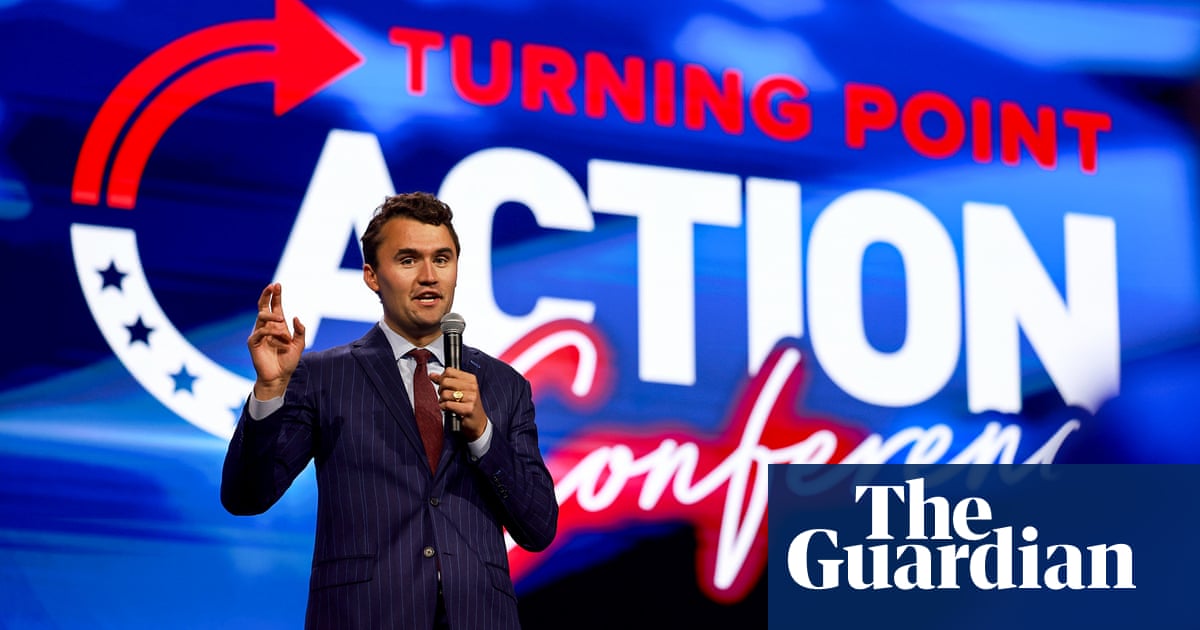
Far-right podcaster Charlie Kirk's tweet prompted Nebraska Governor Jim Pillen to support a bill to change the state's system for presidential elections in order to deny Democrats a single electoral vote that could decide the presidency. The bill aims to switch Nebraska from a split electoral college vote system to a winner-takes-all approach, aligning it with 48 other states. This move comes as Kirk highlighted the potential impact of Nebraska's electoral votes on the upcoming presidential election, leading to a swift response from the governor and opposition from Democrats.
Ohio, once a reliable indicator of national election outcomes, broke its streak in 2020 by giving a solid majority to Donald Trump, who ultimately lost the national vote and Electoral College. Trump's continued popularity in Ohio, reflected in recent polls and primary results, suggests a shift in the state's political landscape. The state's changing demographics, economic concerns, and focus on immigration highlight broader trends affecting the Democratic Party, raising questions about its future direction and electoral prospects.
Ukrainian drones targeted two oil refineries in Russia's Samara region, causing a fire at the Syzran refinery but no casualties. The attack comes amid ongoing presidential elections in Russia, with President Putin accusing Ukraine of attempting to sabotage the polls. Unverified footage showed a major fire at the refinery, and Ukraine has been targeting Russia's oil infrastructure in recent weeks. Additionally, a drone strike near the Ukrainian border injured five people, including a child, according to the governor of Belgorod province.
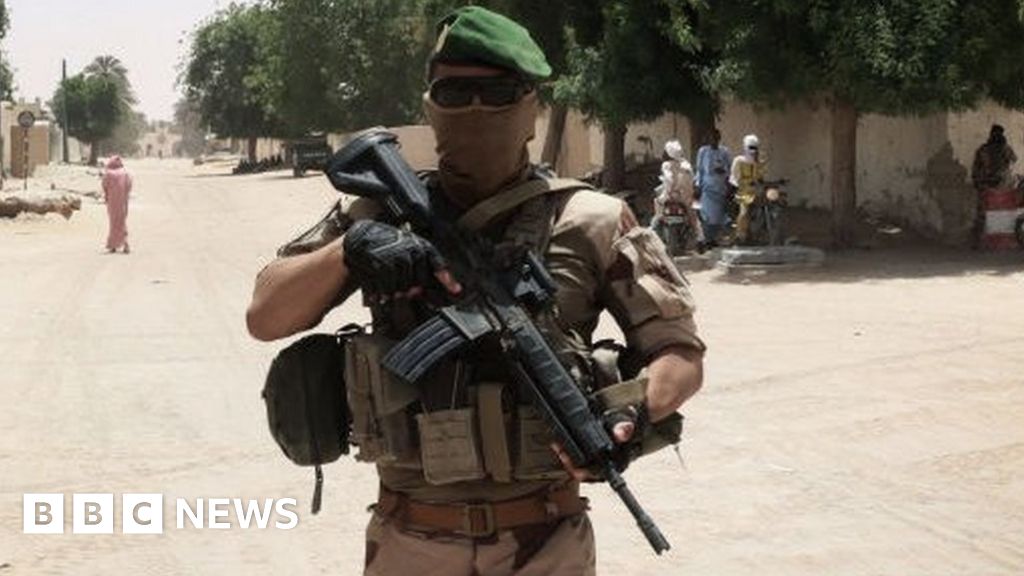
Yaya Dillo, an opposition leader in Chad and vocal opponent of President Mahamat Déby, was killed in a shootout with security forces following accusations of a deadly attack on the country's security agency. His death comes amid unrest in the lead-up to the presidential elections scheduled for 6 May, intended to return the country to constitutional rule. Dillo's party members also came under attack, with one colleague shot dead and others injured, leading to further fatalities.
Heavy gunfire erupted in Chad's capital N'Djamena following an attack on the National Security Agency headquarters, resulting in casualties and disruptions to internet connectivity. The government blamed the opposition Socialist Party Without Borders for the attack and vowed to prosecute those involved. Tensions have escalated ahead of the upcoming presidential elections, with opposition leader Yaya Dillo being accused of orchestrating the attack. The situation reflects the complex political landscape in Chad as it transitions from military to civilian rule, with concerns raised about the neutrality of the electoral commission and the potential continuation of the Déby dynasty.
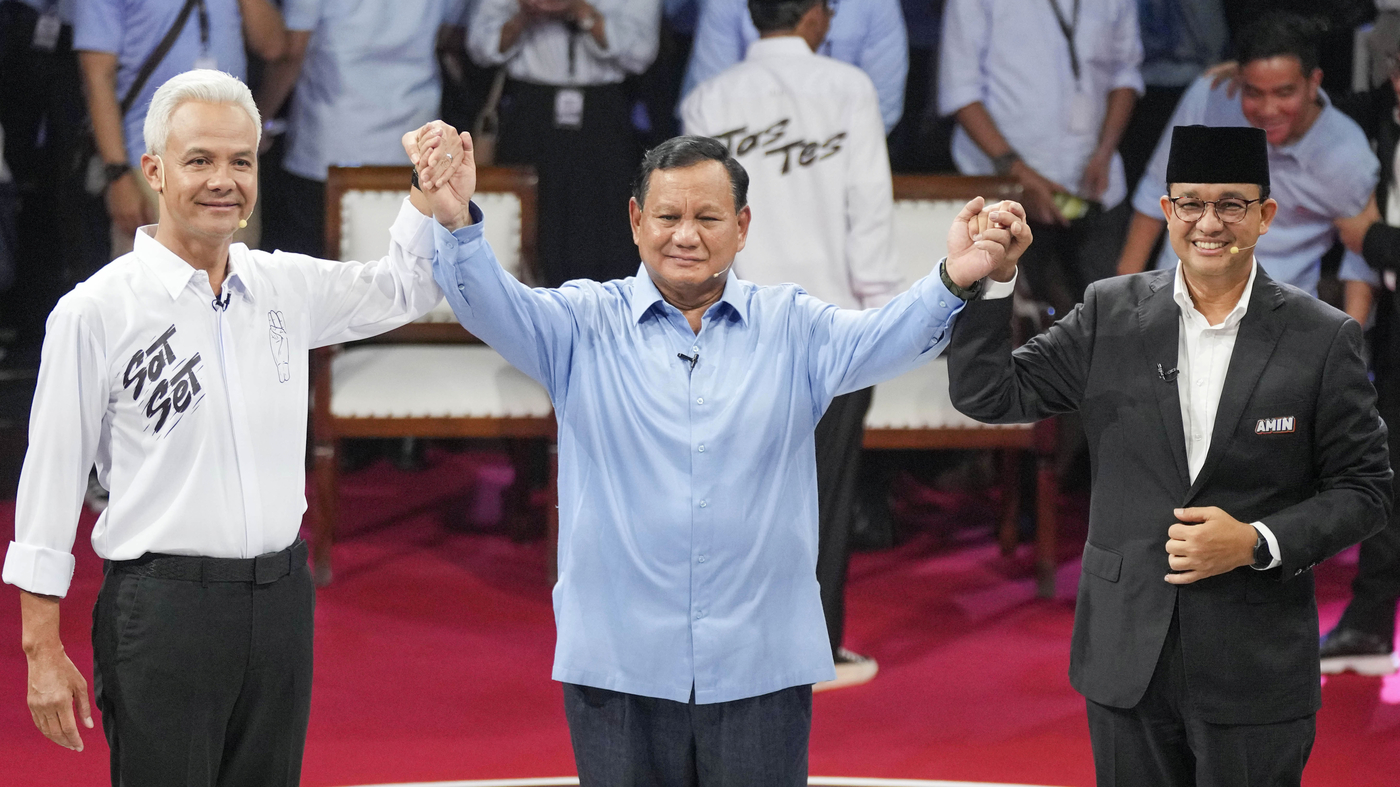
Indonesia's upcoming presidential elections will be influenced by the nation's young and enthusiastic electorate, with young voters accounting for more than half of the eligible voters. The main candidates include Defense Minister Prabowo Subianto, who leads in opinion polls, and the election may go to a runoff in June if no candidate secures an absolute majority. The election also raises concerns about continuity and its risks, as well as human rights issues, particularly regarding Prabowo's controversial past and his ties to the Suharto era.
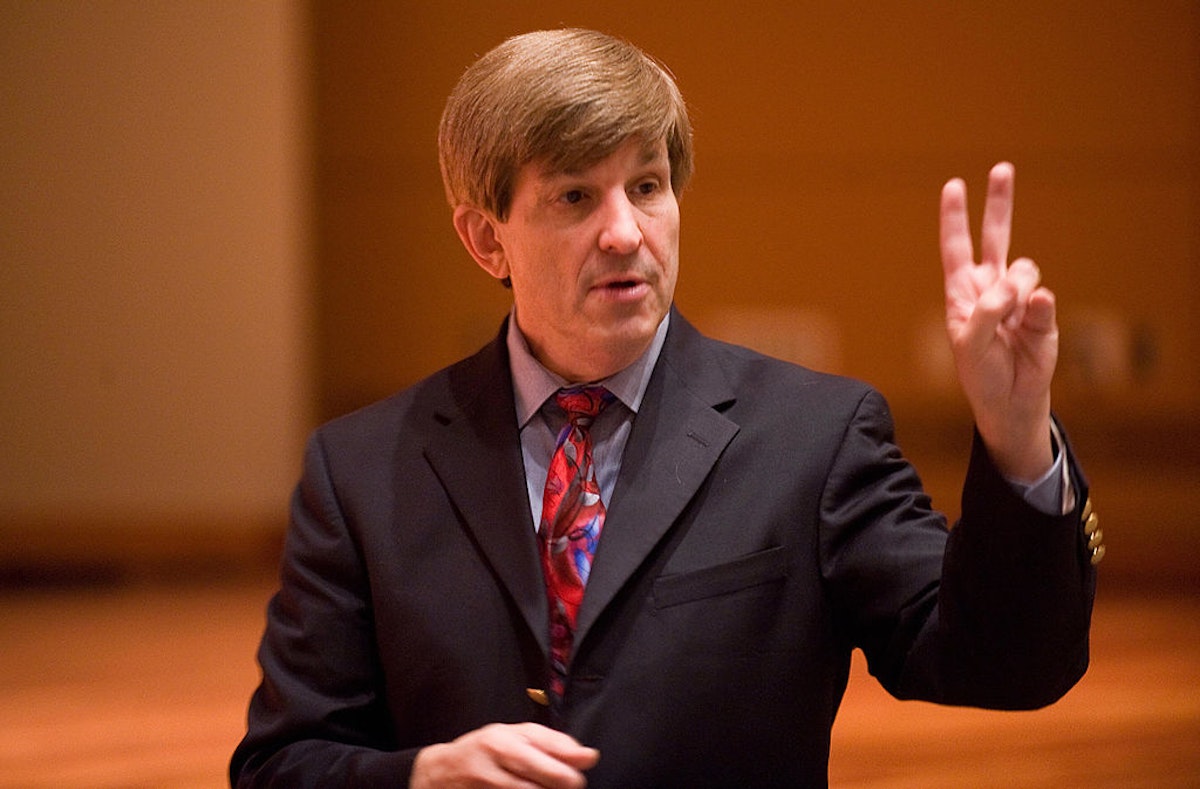
Historian Allan Lichtman, known for accurately predicting presidential elections, has stated that President Biden currently leads former President Trump in five out of 13 keys in his prediction model, but he is cautious about making a prediction until August. Lichtman's model includes factors such as midterm gains, economic trends, and the absence of major scandals. He emphasized the importance of keeping personal views out of forecasting and highlighted the potential impact of public perception on key factors.
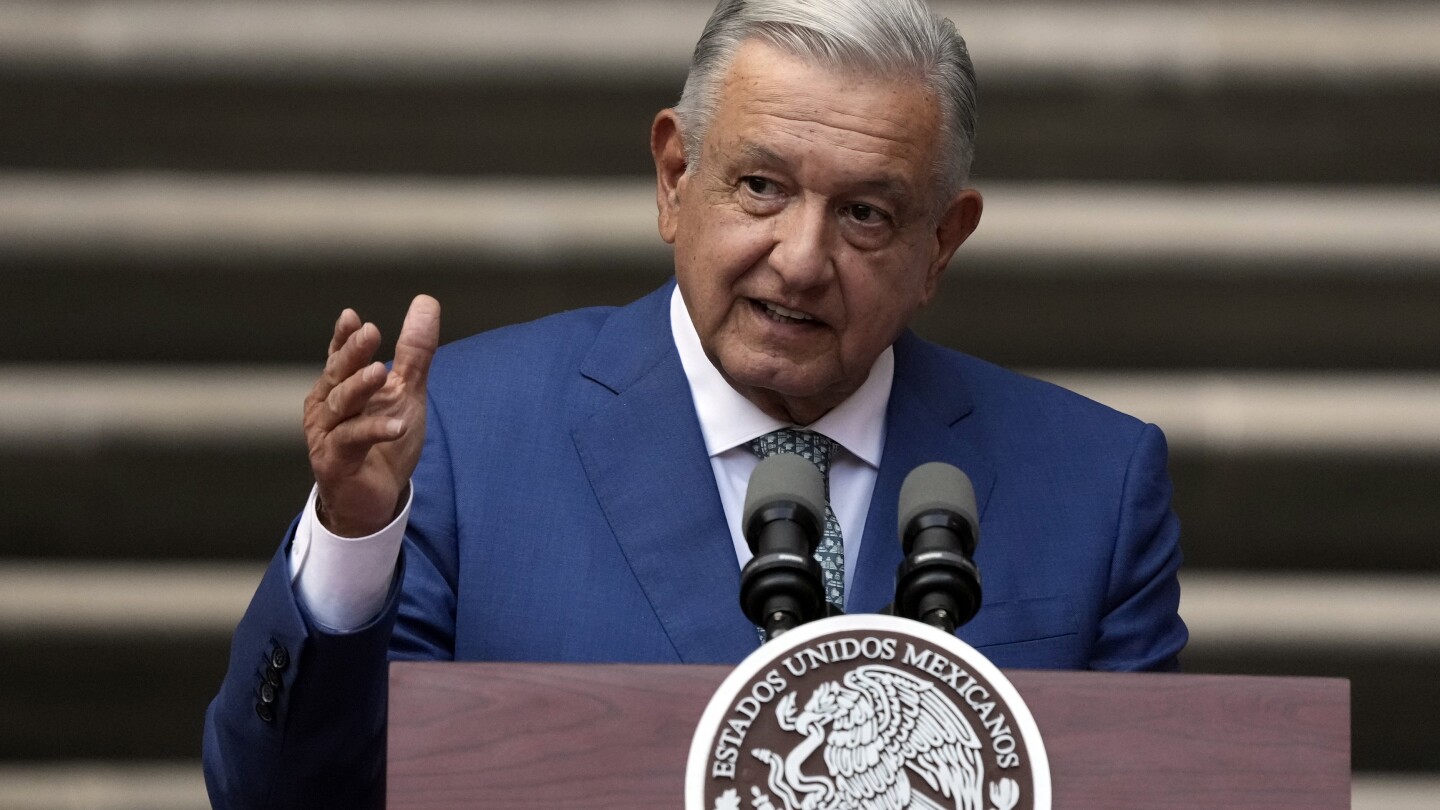
Mexico's President Andrés Manuel López Obrador has proposed guaranteeing people pensions equal to their full salaries at the time they retire, a move that no other country has implemented. This is part of a series of 20 constitutional reforms that he hopes will attract voters in the upcoming presidential elections. However, analysts believe it may also be an attempt to set the agenda for the next administration and saddle them with high expectations. The proposed reforms also include guaranteed annual increases in payments to the elderly, increases in the minimum wage, and a ban on fracking, open-pit mining, GM corn, cruelty to animals, and vaping pens. The cost of the proposed pension plan is striking, as it would need to cover the entire workforce and significantly increase pension savings.
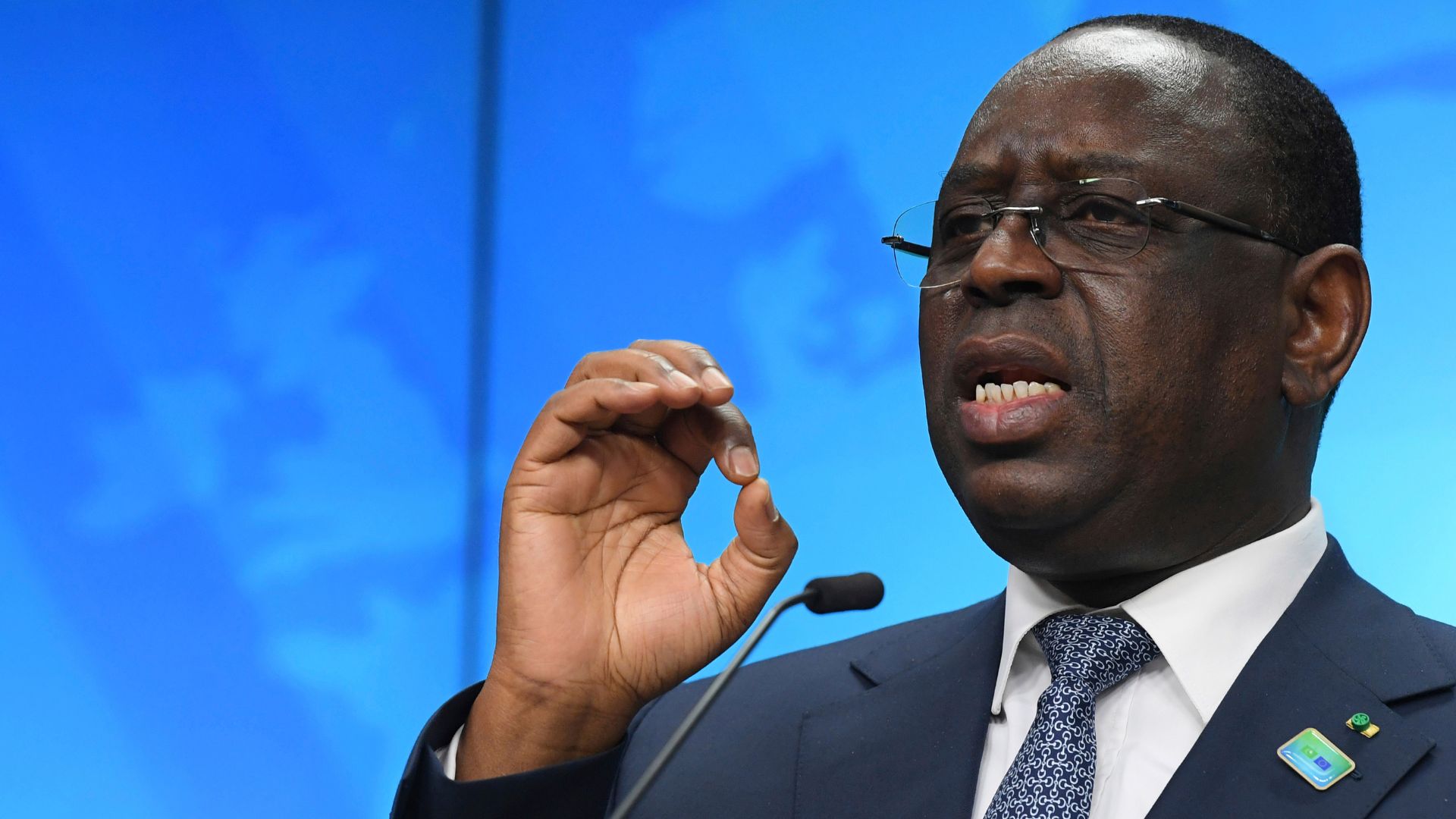
The Senegalese parliament is meeting to vote on President Macky Sall's proposal to postpone the presidential elections, leading to violent protests and internet cuts. The delay stems from a dispute over the rejection of candidates, including Karim Wade and Ousmane Sonko, by the Constitutional Court. International concern has been expressed, with calls for the elections to be rescheduled as soon as possible.