The indictment of former FBI Director James Comey has sparked a political controversy, with Democrats condemning it as a politically motivated attack and a constitutional crisis, while some Republicans call for more evidence and emphasize the importance of the legal process.
Justice Amy Coney Barrett defends the Supreme Court against claims of political bias, emphasizing its role in upholding the rule of law and distancing itself from political influence, amid concerns over public trust and potential constitutional crises.
The Trump administration has been engaged in a confrontational stance against the federal judiciary, evading court orders, suing judges, and creating concerns among legal experts about a potential constitutional crisis, as courts struggle to enforce their authority against the executive branch.
George Conway warns that Donald Trump may defy the U.S. Supreme Court, similar to political turmoil in Israel, suggesting a potential constitutional crisis in the United States.
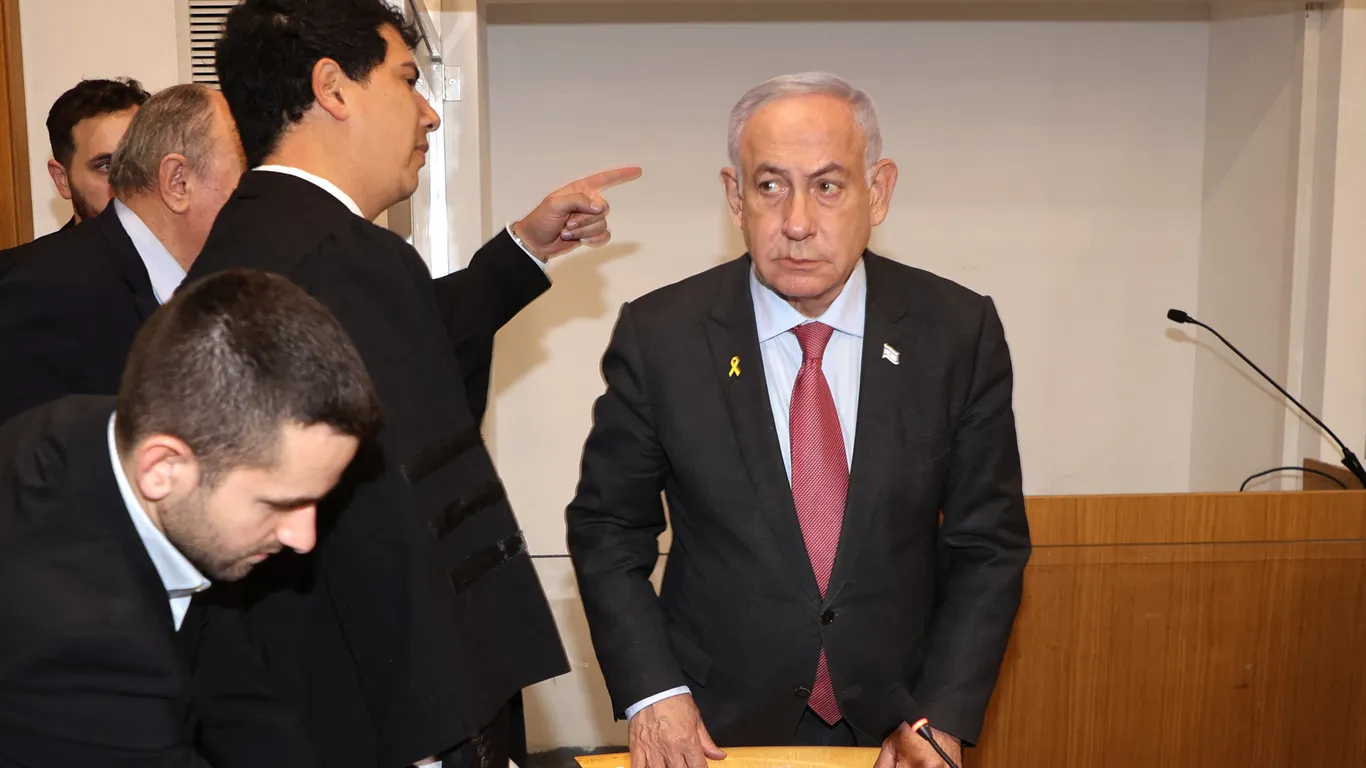
Israeli Prime Minister Netanyahu's government voted to fire Attorney General Gali Baharav-Miara, who is prosecuting him for corruption, but the Supreme Court issued an injunction blocking the move, raising concerns of a constitutional crisis and political turmoil.
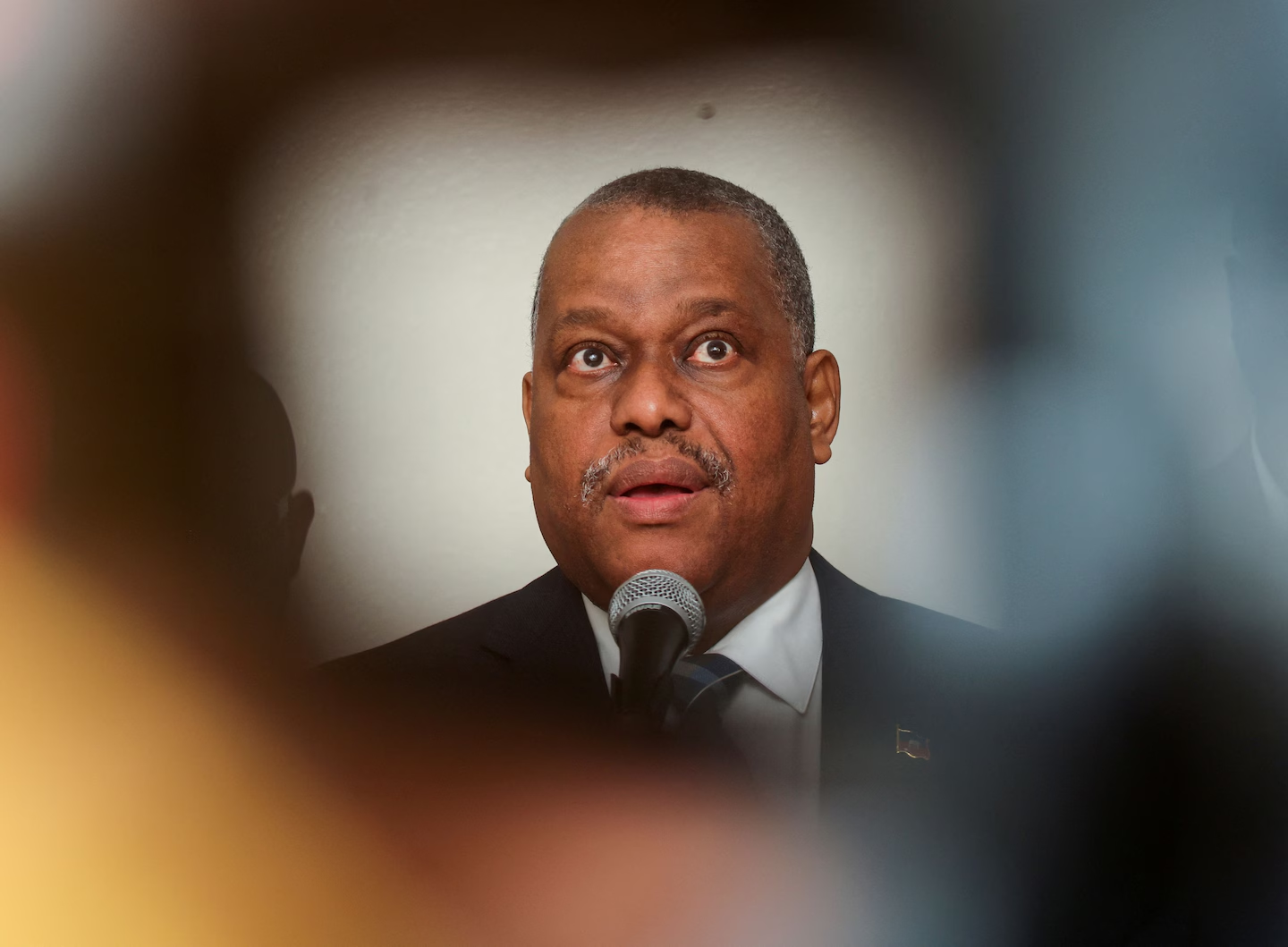
Haiti's constitutional crisis deepened as a council responsible for restoring order and facilitating elections dismissed the acting prime minister, who claimed the move was illegitimate.
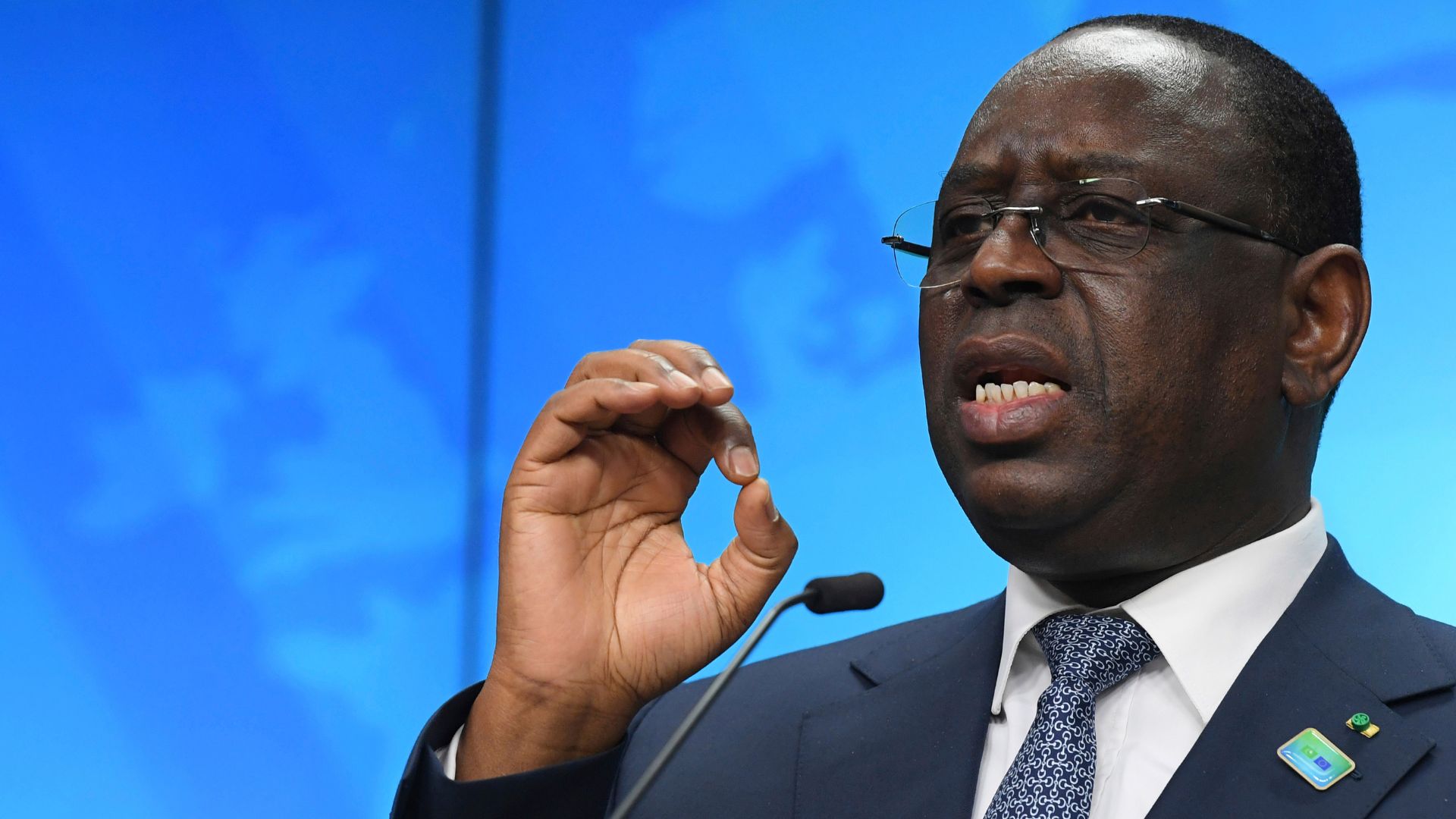
Senegal's government has announced that the presidential election will take place on 24 March, following tension and protests sparked by President Macky Sall's postponement of the election last month. Sall, whose tenure ends on 2 April, had faced accusations of attempting a constitutional coup by his opponents. The country, known for its stability, has been engulfed in political turmoil, with the Constitutional Council ruling that the election must take place before Sall's term ends. Sall dissolved the government and replaced the Prime Minister to allow the ruling coalition's presidential candidate to focus on the electoral campaign.
Senegal's President Macky Sall postponed the presidential elections, originally scheduled for February 25, due to a dispute over the list of approved candidates, sparking protests and opposition challenges. Critics speculate that Sall's move aims to prolong his party's hold on power, as popular candidates were disqualified, including Ousmane Sonko, a significant challenger. International concern has been expressed, with the US and African Union questioning the delay's impact on Senegal's democratic tradition. Sall's proposed reforms to the electoral system and Constitutional Council have raised uncertainty, as the country awaits further developments amidst ongoing tensions.
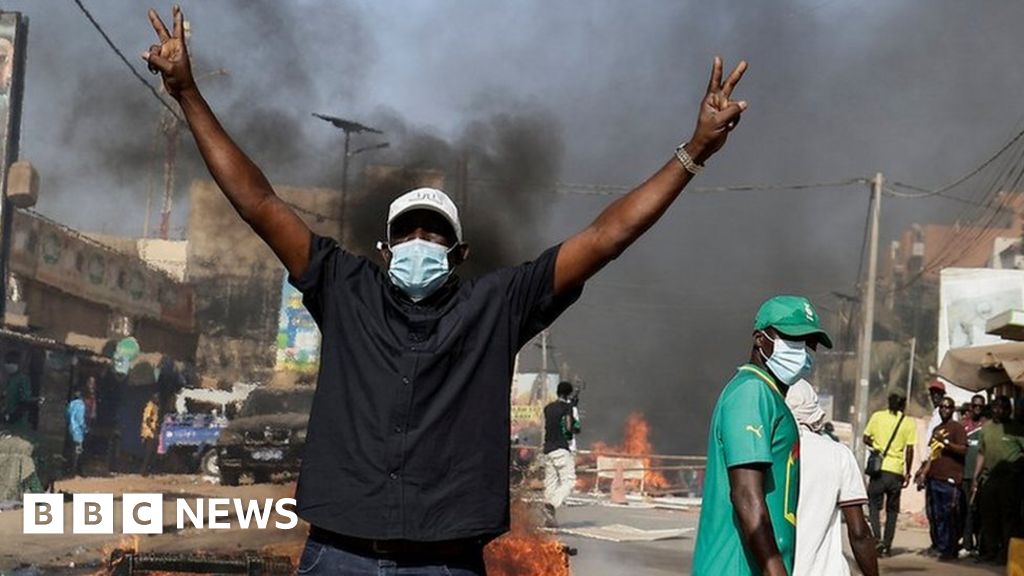
Senegal's reputation as a stable democracy is at risk as protests erupt following the postponement of elections and a controversial bill to extend President Macky Sall's tenure. Critics accuse Sall of attempting a "constitutional coup" and manipulating the electoral process. The country faces a constitutional crisis, with tensions escalating and internet access restricted to quell protests. International pressure for dialogue and a swift election is mounting, but Sall's international image may minimize external influence.
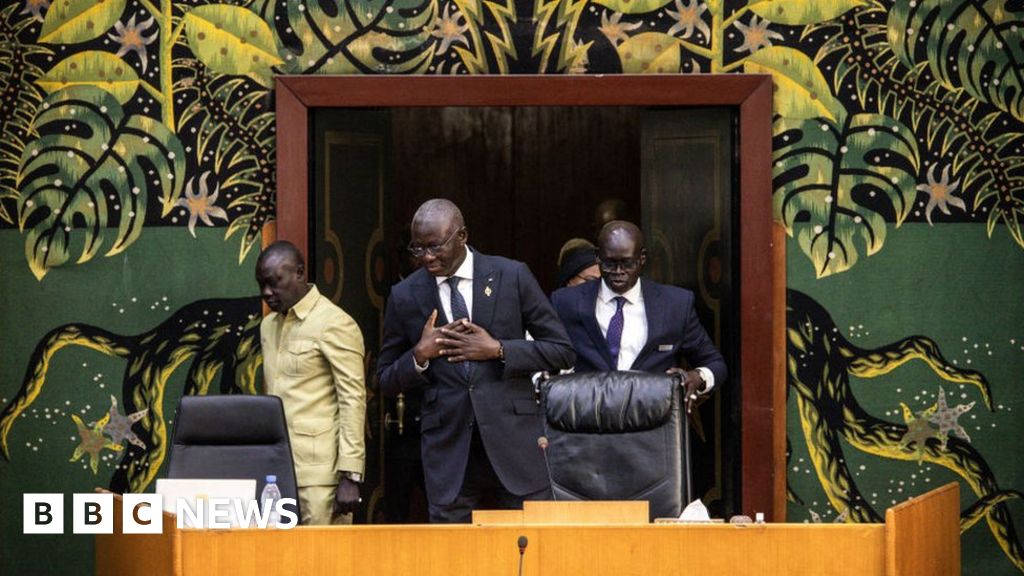
The Senegalese parliament is meeting to vote on President Macky Sall's proposal to postpone the presidential elections, leading to violent protests and internet cuts. The delay stems from a dispute over the rejection of candidates, including Karim Wade and Ousmane Sonko, by the Constitutional Court. International concern has been expressed, with calls for the elections to be rescheduled as soon as possible.
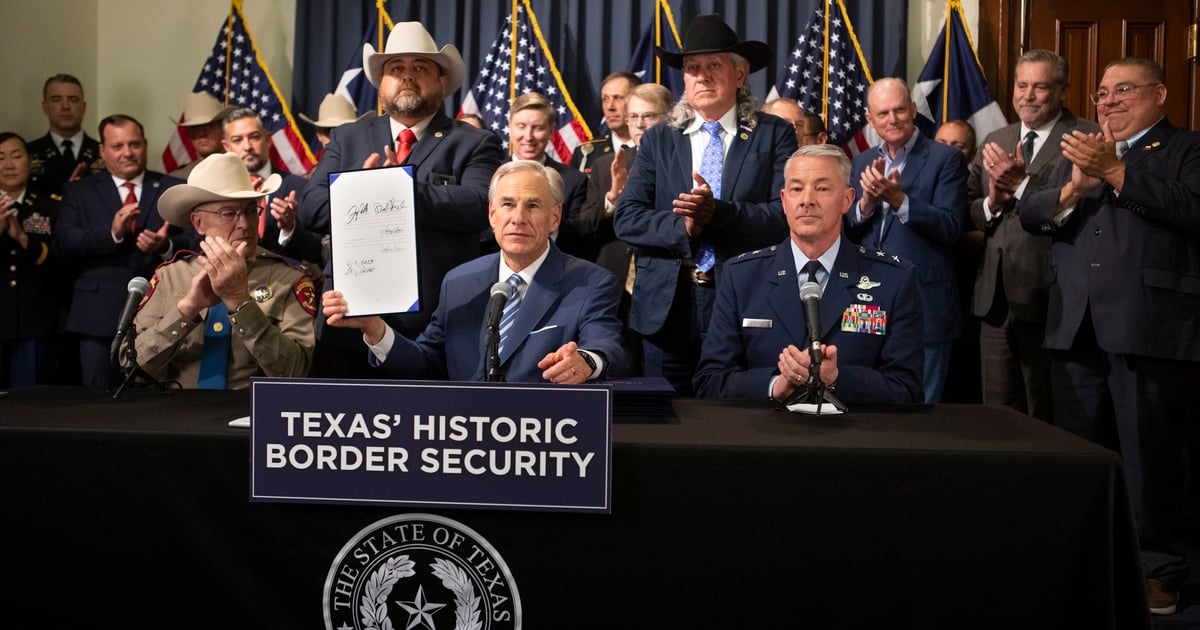
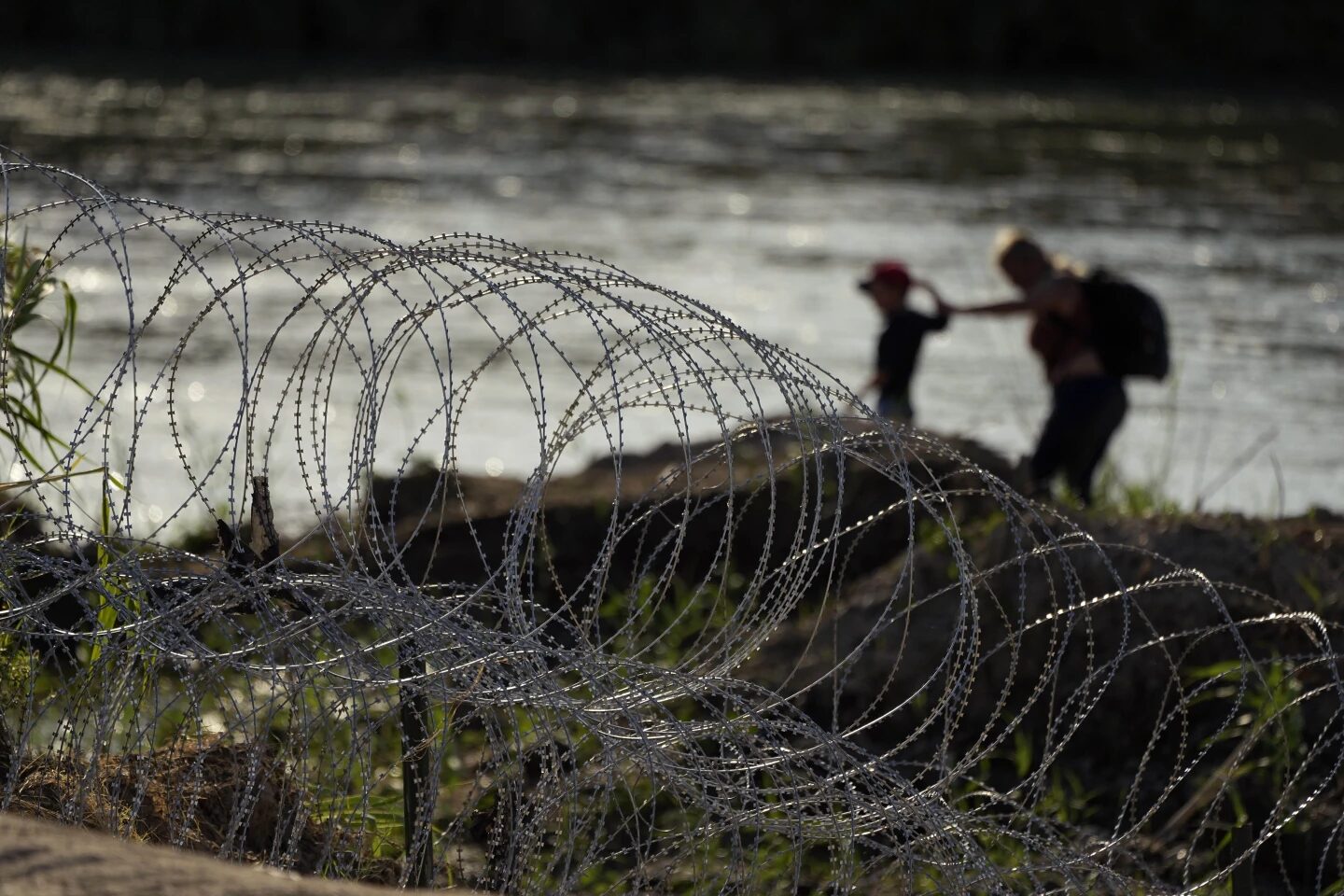
Republicans, including former President Donald Trump, are rallying behind Texas Governor Greg Abbott's legal standoff with the federal government over border security, intensifying concerns about a constitutional crisis. Abbott has declared Texas under an "invasion" and is using concertina wire to prevent federal agents from accessing a 47-acre area in Eagle Pass. While some legal scholars and Democrats have condemned Abbott's actions, many Republicans across the country are supporting his defiance of the federal government and calling for other states to deploy their national guards to Texas.
Texas Governor Greg Abbott and several Republican lawmakers are considering defying a Supreme Court order to allow the Biden administration to remove concertina wire along the border. Abbott issued a statement asserting the state's constitutional right to self-defense, accusing the administration of failing to protect the state from an "invasion" of undocumented immigrants. Legal experts warn that such defiance could lead to a constitutional crisis, with potential consequences similar to past resistance to desegregation orders.
Two Polish politicians convicted of abuse of power, who had sought refuge in the presidential palace, were arrested by police, escalating a standoff between the new and previous governments. President Andrzej Duda, aligned with the Law and Justice party, welcomed the politicians into the palace, prompting accusations from Prime Minister Donald Tusk of obstructing justice. The dispute centers on the convictions of the politicians, who were pardoned by Duda in 2015 but had their pardons overturned by the Supreme Court. The arrests have led to a deep constitutional crisis and sparked outrage and support from various political figures in Poland.
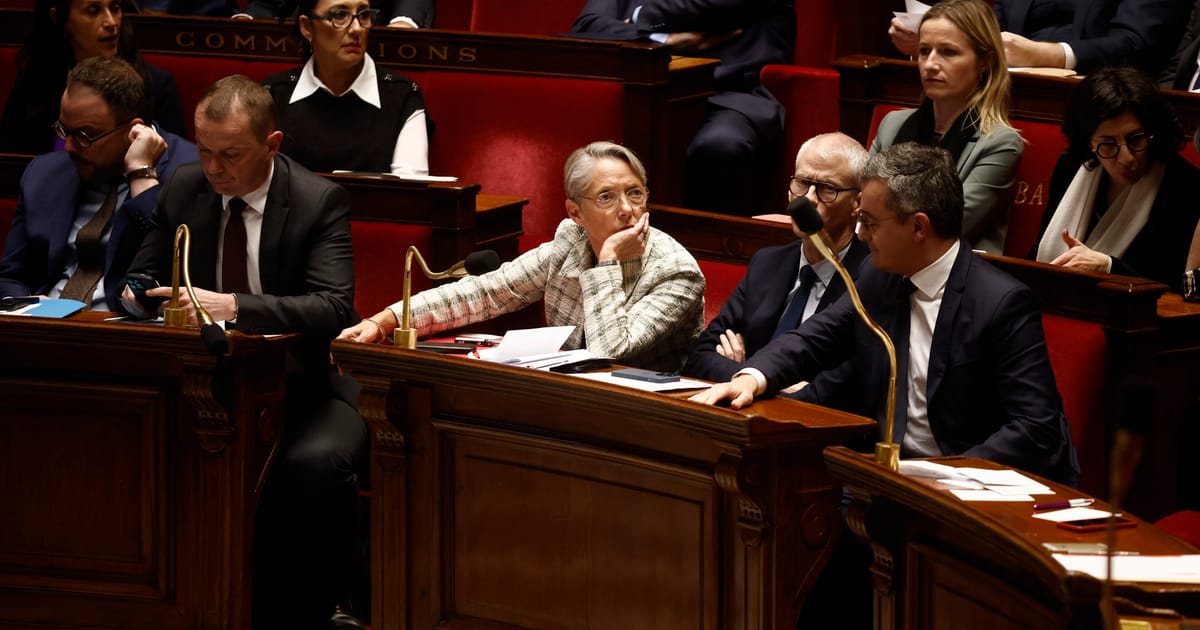
France's Prime Minister Elisabeth Borne has admitted that parts of her government's draft law on immigration are unconstitutional, just a day after the bill was narrowly passed in the National Assembly. The bill, which was toughened during negotiations to gain support from conservative and far-right parties, has caused divisions within President Emmanuel Macron's centrist coalition. A quarter of MPs from Macron's coalition abstained or voted against the bill, and Health Minister Aurélien Rousseau has resigned in protest. Macron is now under pressure to reconcile with left-leaning MPs and address concerns within his coalition.
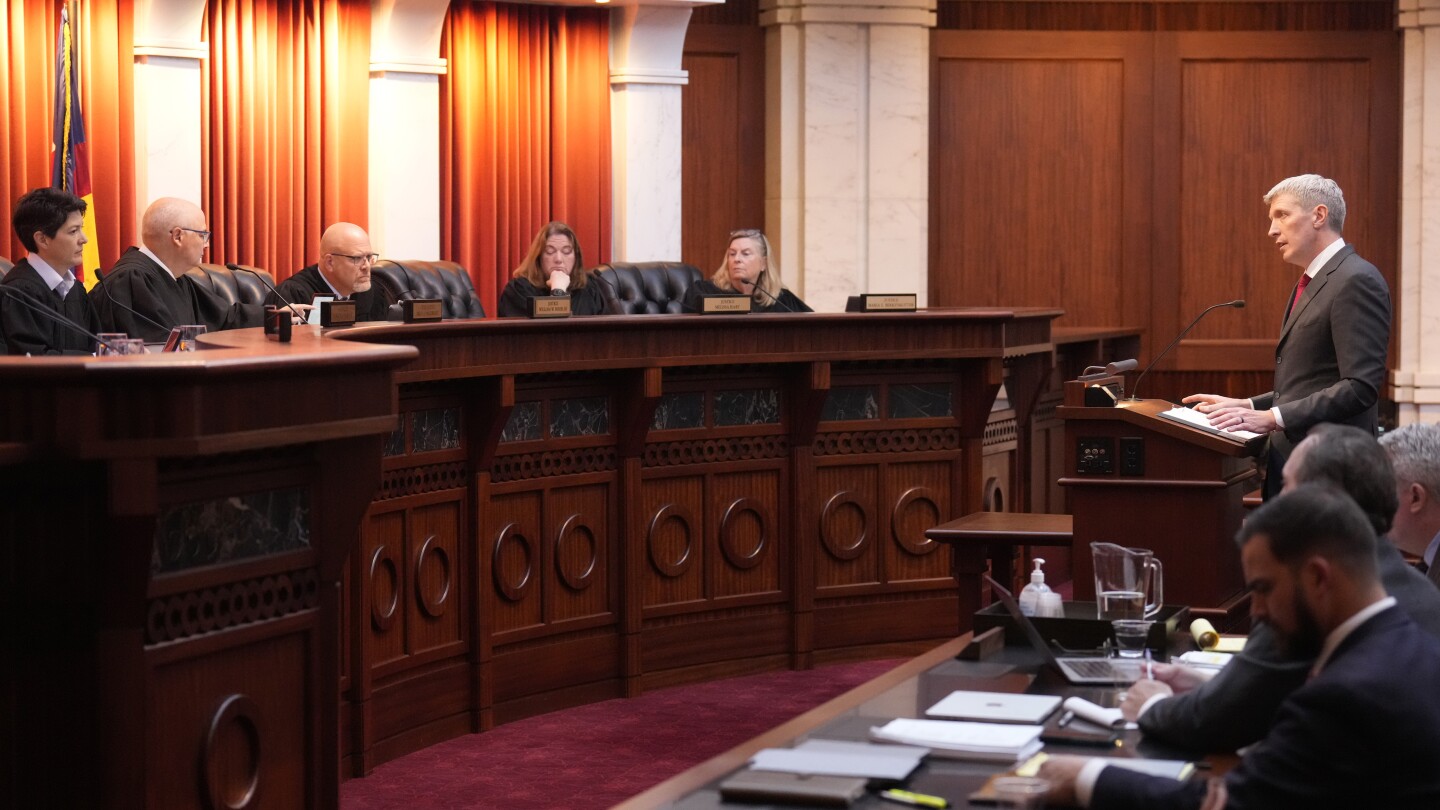
The Colorado Supreme Court heard arguments on whether former President Donald Trump can be excluded from the 2024 ballot based on the Constitution's insurrection clause. Attorneys debated the wording of the clause, the court's right to intervene, and whether Trump incited an insurrection during the Capitol attack. The case, filed by a liberal group, seeks to prevent Trump from running for president again. The court's ruling is likely to be appealed to the U.S. Supreme Court, which has never ruled on Section 3 of the 14th Amendment.