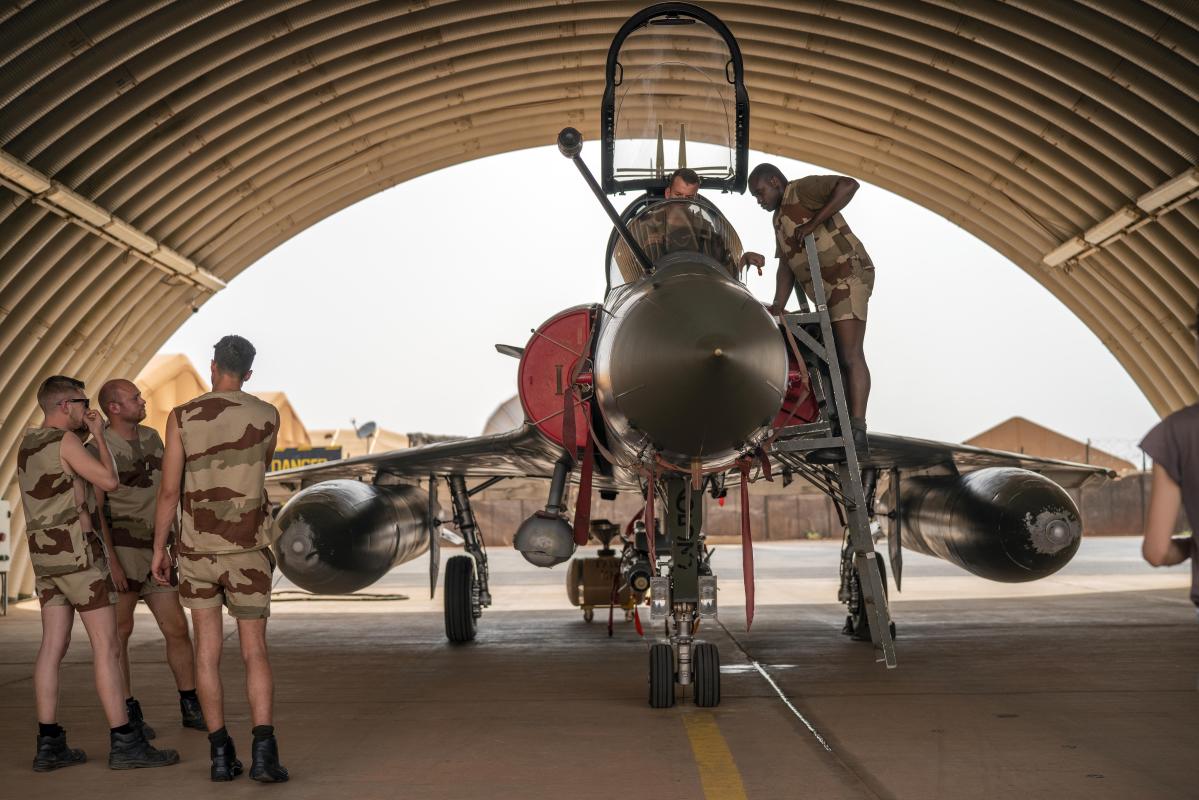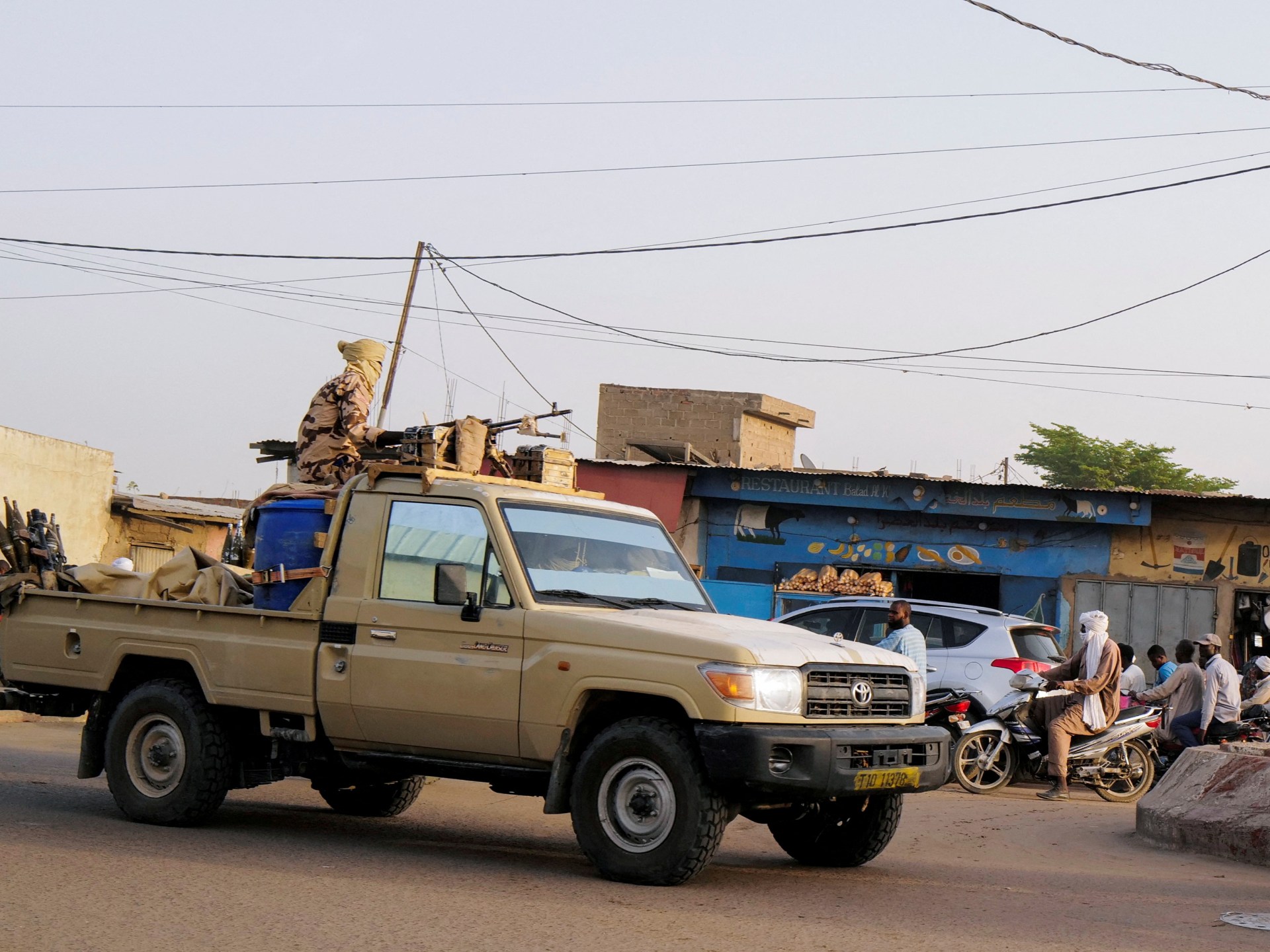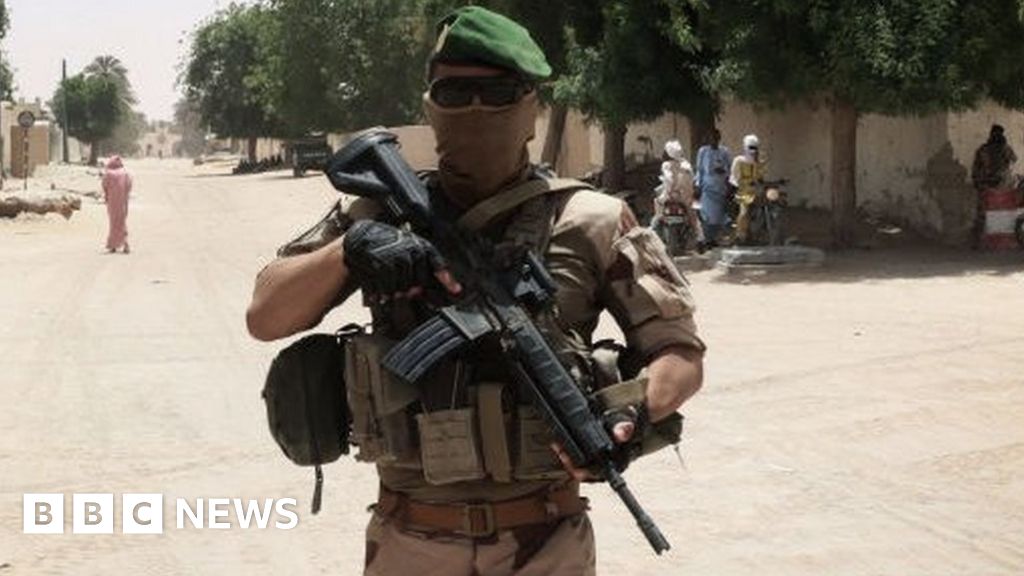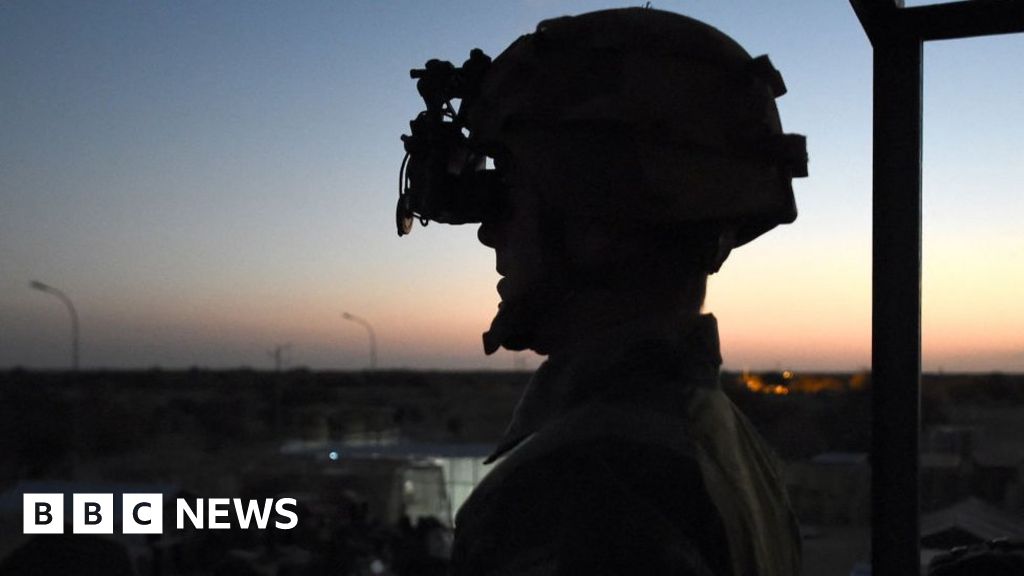
France has begun withdrawing its military forces from Chad, starting with the departure of two Mirage fighter jets, following Chad's decision to end its defense cooperation agreement with Paris. This move marks a shift in Chad's strategic partnerships and follows similar French military withdrawals from other African nations like Niger, Mali, and Burkina Faso. Negotiations are ongoing regarding the complete withdrawal of the remaining 1,000 French troops in Chad.
Chad has terminated its defense cooperation agreement with France, demanding the withdrawal of French troops to assert its sovereignty, following a meeting between the countries' foreign ministers. This move aligns with a broader trend in Africa, where nations like Mali, Burkina Faso, and Niger have also asked French forces to leave. Meanwhile, Senegal's President has called for the closure of French military bases, citing national sovereignty and historical grievances. These developments occur amid Russia's growing influence in Africa and regional political instability.
Chad has announced the termination of its defense cooperation agreement with France, signaling a shift in its strategic partnerships and raising questions about France's influence in the Sahel region. This move follows Chad's recent distancing from Western allies, including the withdrawal of US troops. Despite the termination, Chad's Foreign Minister emphasized that France remains an essential partner, and the decision does not signify a complete break in relations.
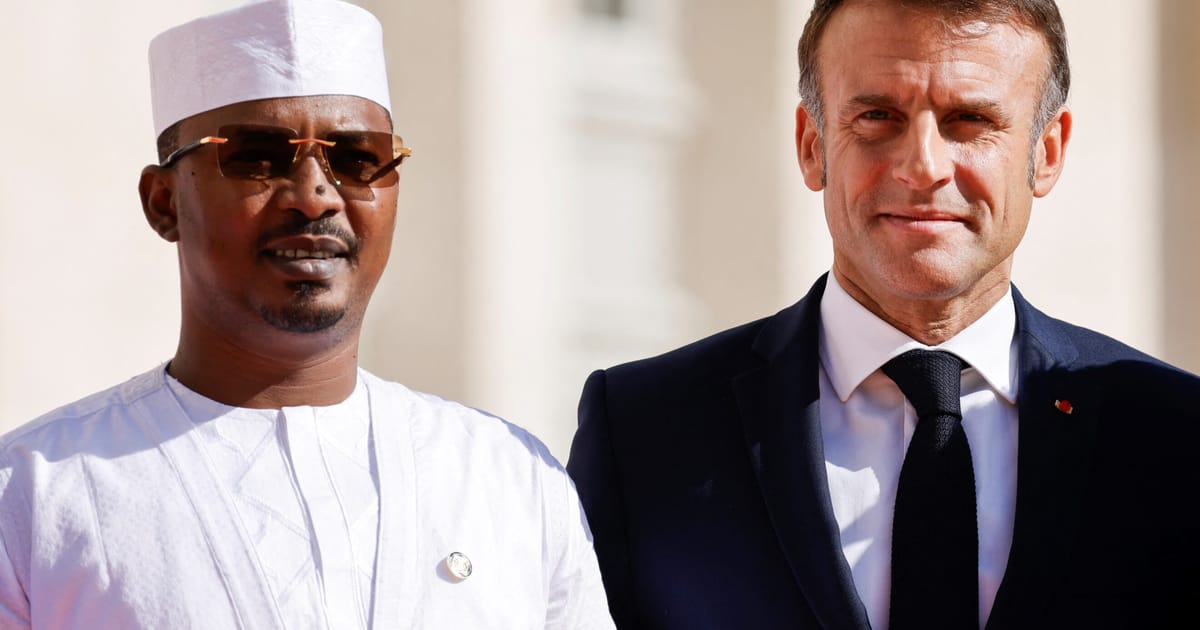
Chad has announced the termination of its military cooperation agreement with France, marking a significant shift in its foreign relations. This decision follows a visit by French Foreign Minister Jean-Noel Barrot and reflects Chad's desire to assert its sovereignty. Despite ending the defense accord, Chad still hosts around a thousand French troops and considers France an essential partner. The move is seen as a 'historic turning point' and comes amid Chad's efforts to strengthen ties with Russia.
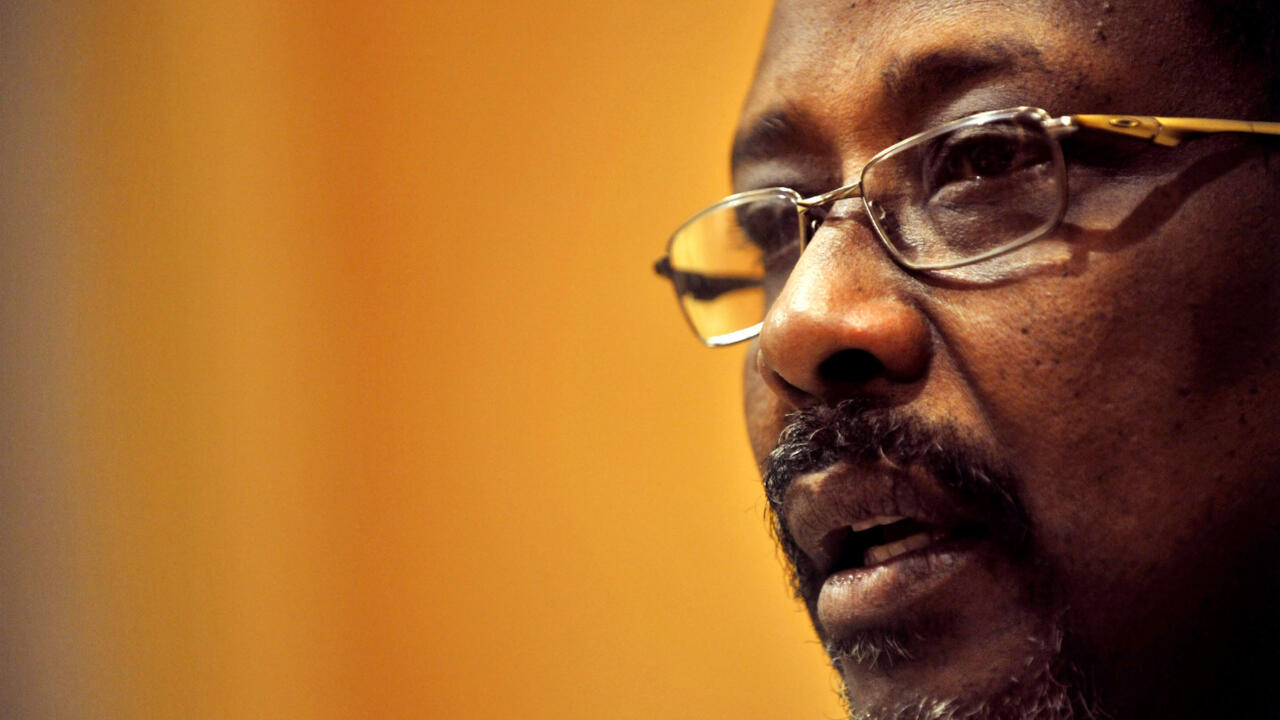
Chadian opposition leader Yaya Dillo has been killed in a gun exchange with security forces near the headquarters of his party in N’Djamena, according to state prosecutor Oumar Mahamat Kedelaye. The incident occurred amid escalating tensions ahead of the upcoming presidential election, with Dillo being a strong contender. The opposition leader's death follows clashes and accusations of an assassination attempt, further highlighting the fragile situation in Chad.
Yaya Dillo, an opposition leader in Chad and vocal opponent of President Mahamat Déby, was killed in a shootout with security forces following accusations of a deadly attack on the country's security agency. His death comes amid unrest in the lead-up to the presidential elections scheduled for 6 May, intended to return the country to constitutional rule. Dillo's party members also came under attack, with one colleague shot dead and others injured, leading to further fatalities.
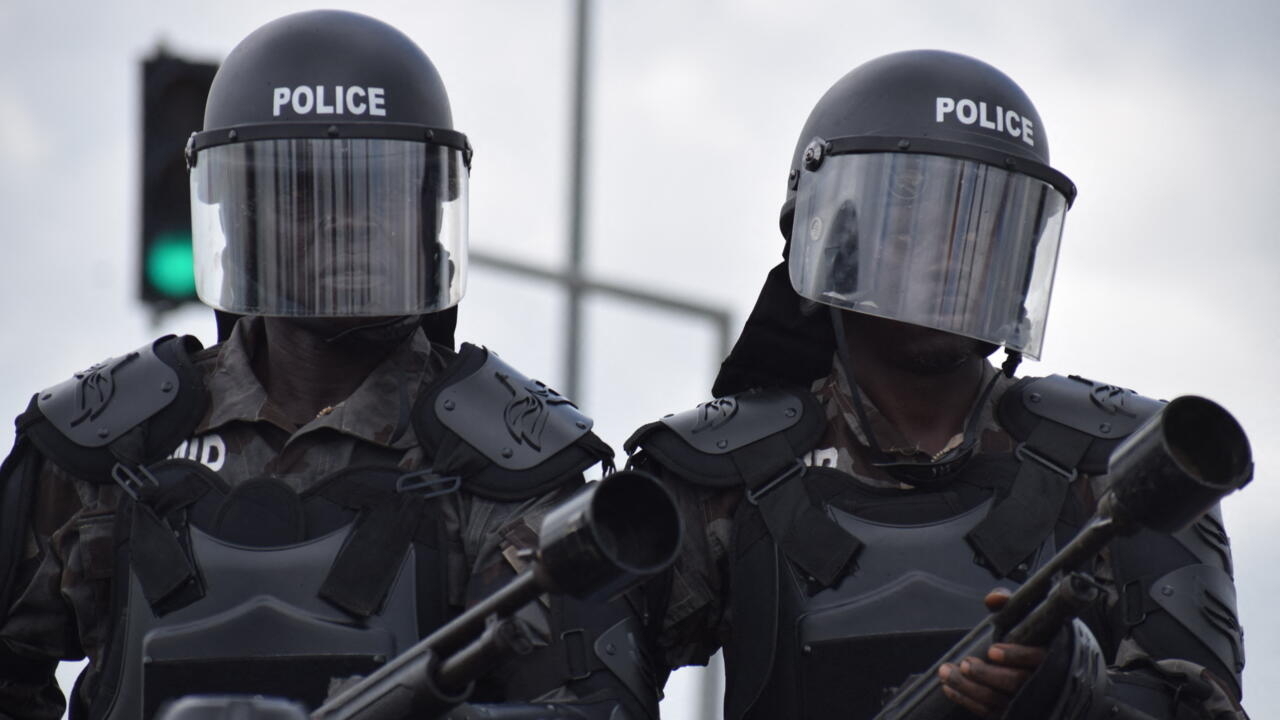
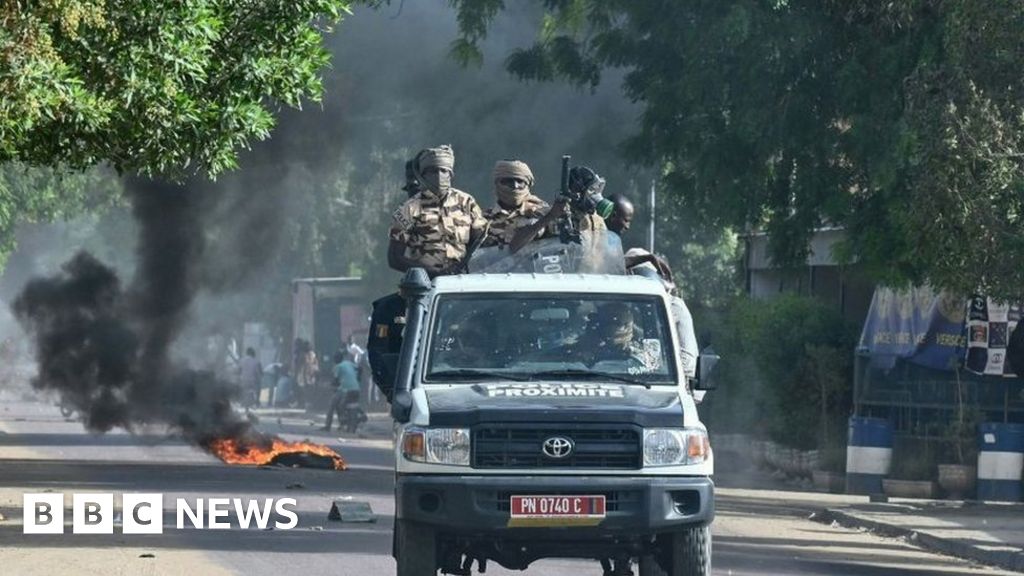
Heavy gunfire erupted in Chad's capital N'Djamena following an attack on the National Security Agency headquarters, resulting in casualties and disruptions to internet connectivity. The government blamed the opposition Socialist Party Without Borders for the attack and vowed to prosecute those involved. Tensions have escalated ahead of the upcoming presidential elections, with opposition leader Yaya Dillo being accused of orchestrating the attack. The situation reflects the complex political landscape in Chad as it transitions from military to civilian rule, with concerns raised about the neutrality of the electoral commission and the potential continuation of the Déby dynasty.
Several people were killed in an attack on Chad's ANSE internal security agency office in N'Djamena, with the government blaming opposition activists and stating that the situation is now under control. The attack follows the arrest of a party member accused of an assassination attempt against the president of the supreme court, and comes amid preparations for a presidential election on May 6, in which both the current transitional president and the opposition leader intend to contest.
A Polish doctor, Aleksandra Kuligowska, has been rescued in Chad after being kidnapped by armed men near the town of Dono Manga. The rescue operation, described as a joint effort by French and Chadian forces, involved a dramatic helicopter rescue during which the kidnappers fired at the aircraft. The doctor, who was held hostage for five days in a dense forest, was reported as "safe and healthy" after the rescue. Her Mexican colleague, who was also abducted, was left at the roadside after security forces gave chase. France, which has a military presence in the region, has been reducing its forces in West Africa but still maintains a base in Chad.
A Polish doctor and a Mexican doctor were kidnapped from the Saint-Michel Hospital in southern Chad by attackers pretending to be patients, with the Mexican doctor managing to escape during an altercation while the Polish woman was taken away. Kidnappings for ransom are common in the region, and Chadian and French forces are currently searching for the woman, with Polish diplomatic and consular services in contact with local authorities and her family.
Chad is holding a referendum on a new constitution, seen as a step towards civilian rule after a military takeover in April 2021. The opposition protests the vote, claiming it is a ploy for the military leadership to retain power. Supporters argue that the new constitution would establish autonomous communities and grant more independence to Chadians. However, the opposition calls for federated states and greater self-determination. Some groups are boycotting the referendum, expressing concerns about the military's control over the process. The outcome is expected to favor the "yes" vote, with President Idriss Deby's son, Mahamat Idriss, already extending the transition period.
Chad has begun campaigning for a vote on a new constitution, which is seen as a test of legitimacy for the ruling junta and the Itno dynasty's 30-year reign. The proposed constitution is not significantly different from the previous one, concentrating power in the hands of the head of state. The opposition, NGOs, and political scientists argue that the referendum is about maintaining the Itno family's "dynasty" after three decades of absolute power. The pro-junta "Yes" camp supports a unitary state, while opponents back a federal model. The most radical opposition groups are urging a boycott, calling the process a "masquerade." Chad's population is divided between the arid north, dominated by Muslims, and the more fertile south, mainly home to Christians and animists.
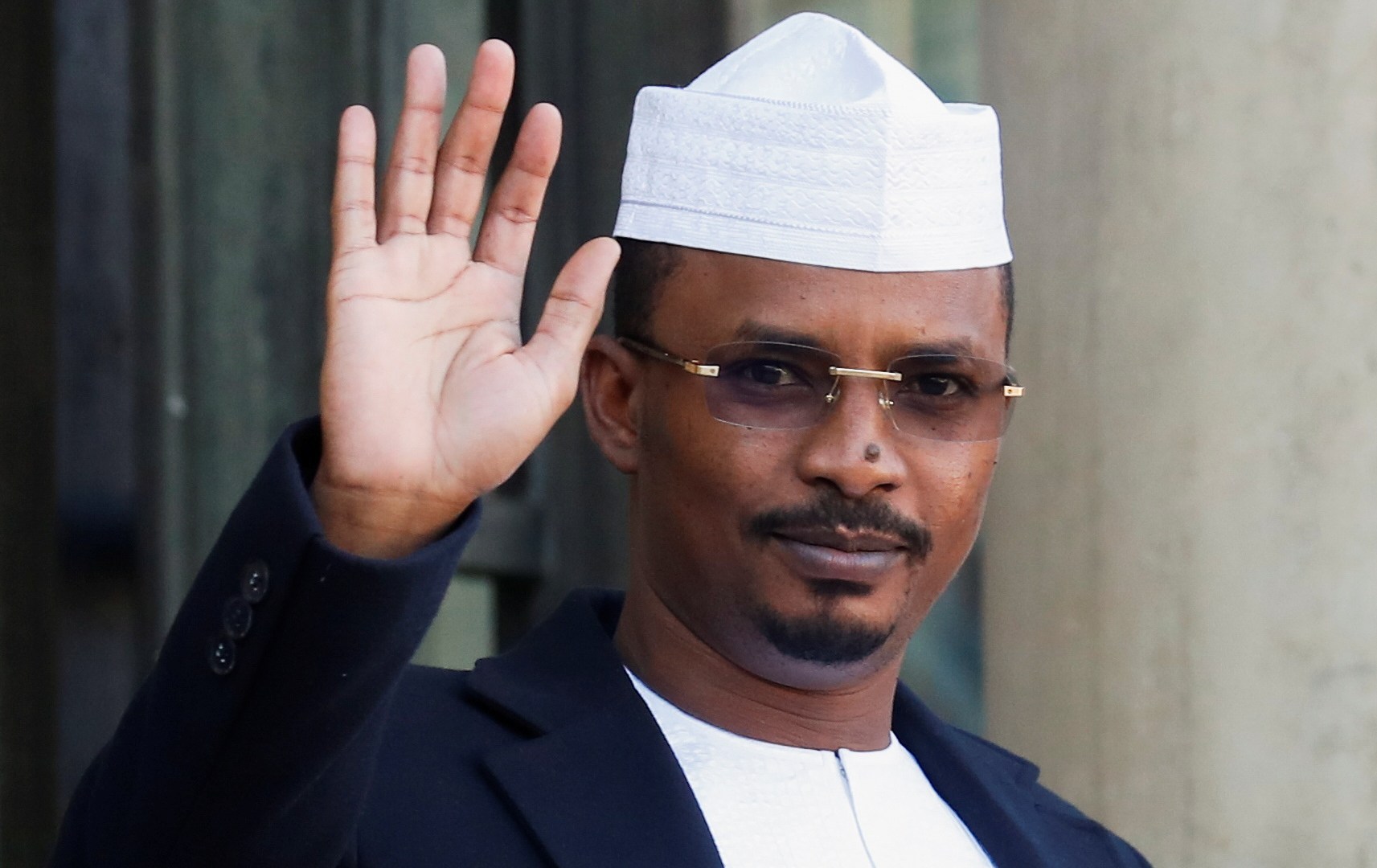
Chad's military-led government has granted amnesty to security forces responsible for killing at least 50 opposition protestors during protests against interim President Mahamat Idriss Deby Itno's extended rule. Human rights groups estimate the death toll to be over 300, with over 600 people arrested and sentenced in mass trials. The amnesty, part of a deal for national reconciliation, has been criticized by some opposition members as an attempt to evade justice. Victims are being encouraged to seek redress at international levels. Chad's government has promised to announce a date for free elections in December and transition to civilian rule.
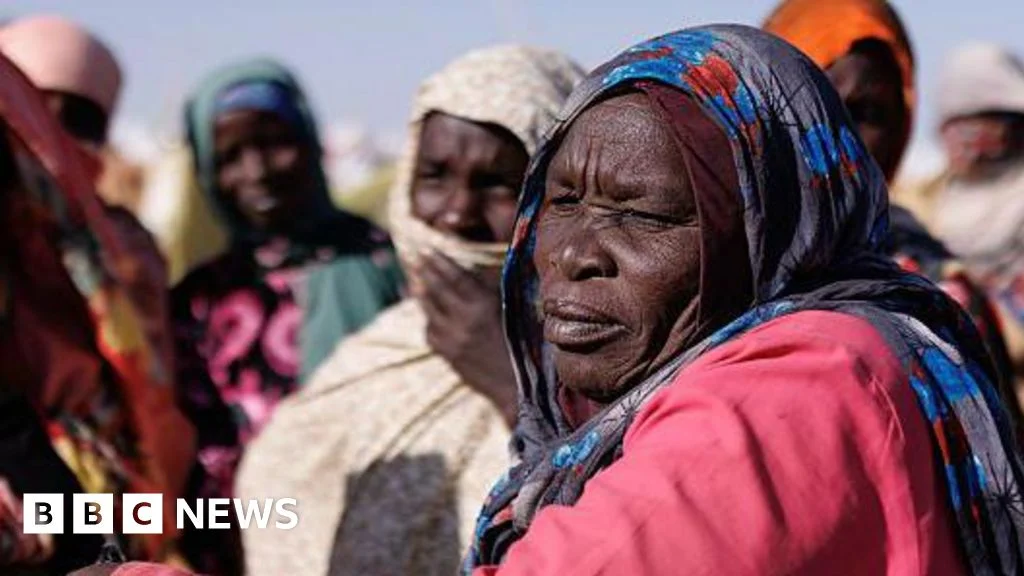
A refugee from El Geneina in Sudan describes alleged ethnic cleansing and violence perpetrated by the paramilitary Rapid Support Forces, prompting thousands of people to flee to neighboring country Chad. The refugee claims that the perpetrators have vowed to eliminate all black individuals from the area.
Refugees fleeing from Sudan's West Darfur to Chad have reported a surge in ethnically-driven killings as the paramilitary Rapid Support Forces (RSF) took control of the main army base in El Geneina. Witnesses have described Arab militias and RSF forces targeting the Masalit ethnic group, with reports of executions and violence against civilians. The RSF and allied Arab militias have been accused of conducting systematic attacks on the Masalit since April. Efforts to secure a ceasefire have failed, and the war in Sudan has caused a major humanitarian crisis and the displacement of over six million people.