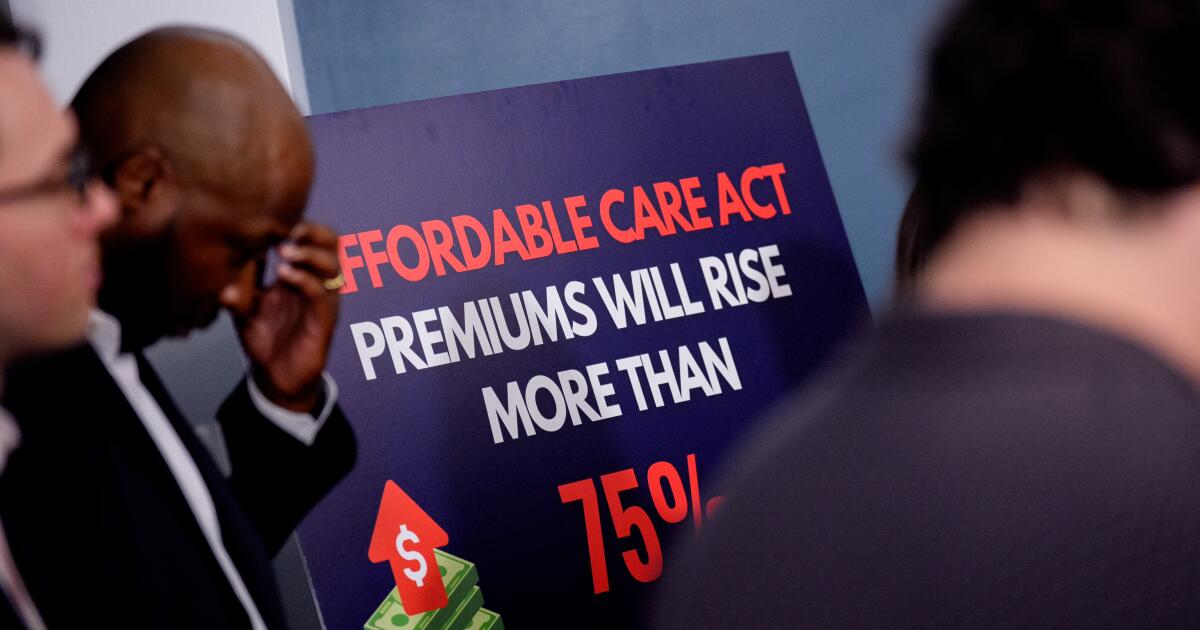
Enrollees in the ACA face significant premium hikes in 2026, with some experiencing over 300% increases if current tax credits expire, leading to financial hardship and potential cancellations, amid ongoing political debates over subsidy extensions.
Car insurance premiums have risen by 55% since February 2020 due to higher vehicle costs, repairs, and accident expenses, leading many drivers to shop around, cut expenses, or drive uninsured, with some experiencing financial hardship and delaying teenage driving to manage costs.
A new report highlights that the average family job-based health insurance premium has risen to nearly $27,000, marking a 6% increase in 2025, with costs outpacing wages and inflation, and concerns mounting over rising drug and hospital costs, especially amid ongoing federal shutdown and potential Medicaid cuts.
The 2026 Federal Employee Health Benefits (FEHB) and Postal Service Health Benefits (PSHB) plans will see a premium increase of 12.3% on average, with some plans decreasing in cost. Several plans are being discontinued, requiring enrollees to select new coverage during Open Season. The article highlights the importance of reviewing plan options and costs for federal employees and annuitants.
Health insurance premiums in Minnesota are set to rise significantly in 2026, with an average increase of 22% for individual plans and 14% for small group plans, driven by rising healthcare costs and uncertainty over the renewal of ACA subsidies, which could impact nearly 90,000 residents' costs and access to coverage.
Ellen Allen and others face significant premium hikes next year as federal subsidies for ACA health insurance expire, with costs potentially rising by 75% or more, prompting concerns about affordability and coverage, especially for those with expensive prescriptions. Some plan to go without insurance or seek alternative coverage options, while others anticipate turning 65 to access Medicare. The end of enhanced subsidies is projected to increase the uninsured population by 4.2 million over the next decade.
Research shows that health insurance premiums for ACA plans will increase by 75% next year due to the expiration of pandemic-era subsidies, leading to higher costs for consumers and potentially more uninsured individuals, especially in states with growing ACA marketplaces.
The Centers for Medicare and Medicaid Services have announced that Medicare Part B premiums will increase by about 5.9% in 2024, with the standard premium rising to $174.70 per month. The Part B annual deductible will also increase by about 6.2% to $240. Additionally, Medicare Part A costs will rise, including an increase in the inpatient hospital deductible to $1,632. These increases come after a decline in Part B premiums in 2023 and coincide with a 3.2% cost-of-living increase in Social Security benefits for 2024.
Premiums for health insurance sold through Covered California will increase by nearly 10% next year, the highest rate hike since 2018. However, about 90% of enrollees qualify for federal or state financial aid, shielding them from the increases. The rate hike reflects the return of runaway health care costs, driven by factors such as higher drug costs, increased doctor visits, labor shortages, and wage costs. The rate increases vary by region, with some areas potentially experiencing double-digit increases. Covered California has also eliminated deductibles for about 650,000 enrollees and reduced out-of-pocket copays for doctor visits and prescription drugs.