An international team led by Lehigh University has developed MALP, a new predictive method that optimizes the Concordance Correlation Coefficient to improve the agreement between predictions and actual outcomes, showing promise in fields like healthcare and social sciences by providing more consistent predictions compared to traditional least-squares methods.
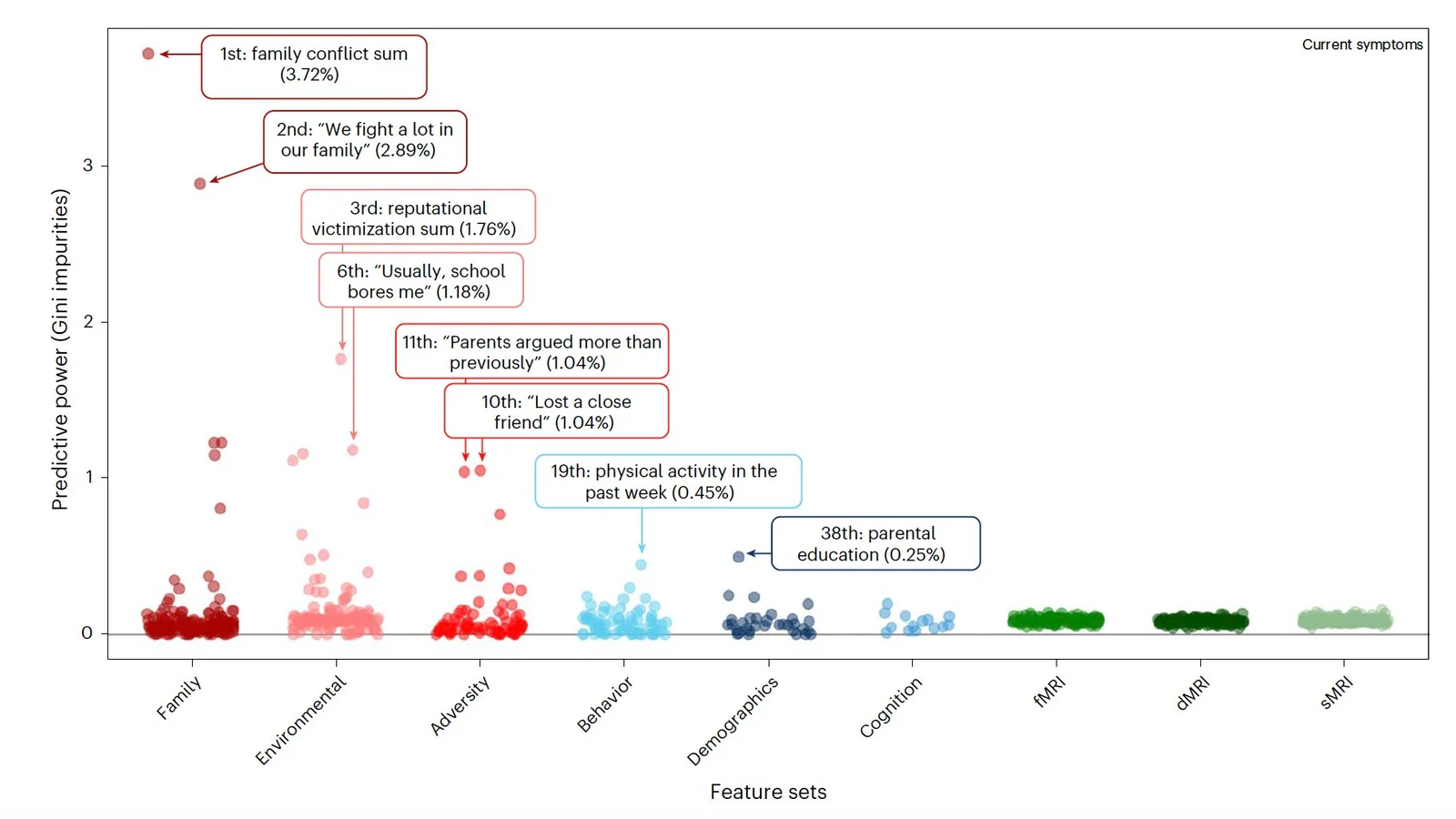
A study using data mining techniques on the ABCD dataset found that family conflicts and peer victimization are the strongest predictors of mental health issues in teenagers, with social factors outweighing brain imaging data in predictive power, highlighting the importance of social environment in adolescent mental health.
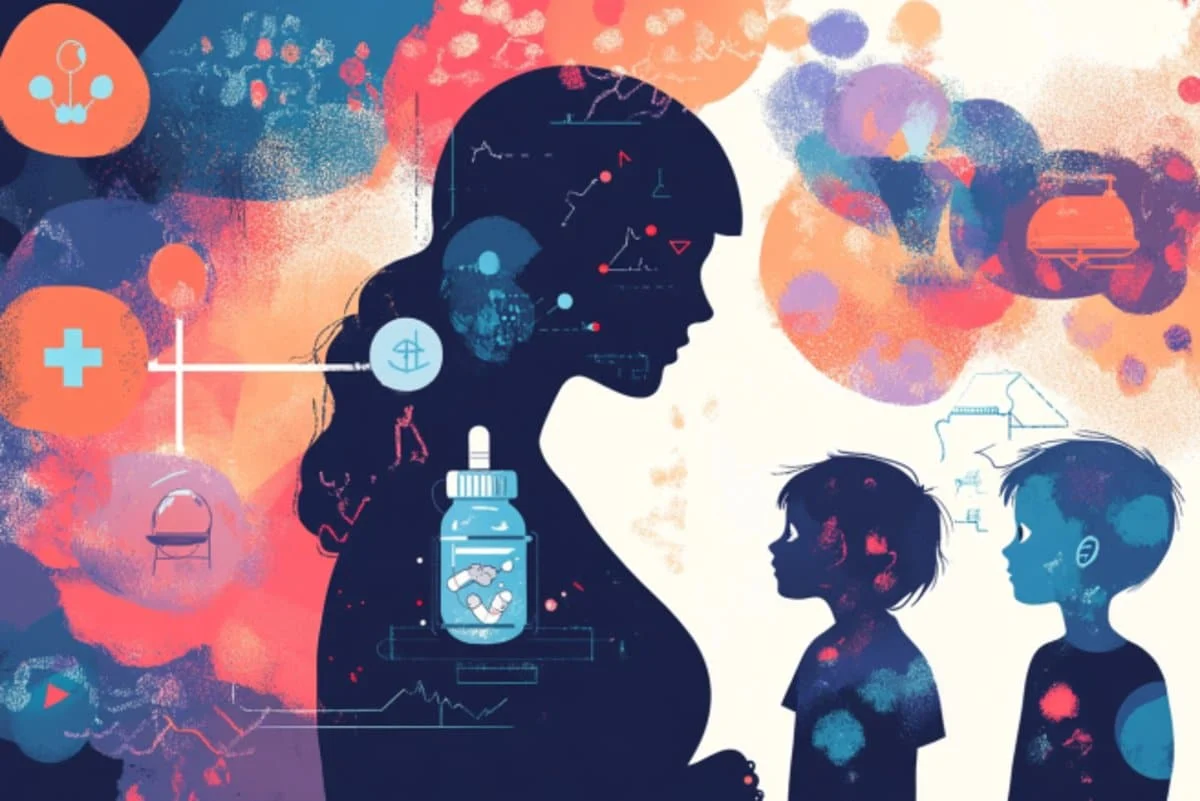
A study using AI analyzed data from nearly 6,000 UK children to identify early-life risk factors like maternal smoking, low birth weight, and lack of breastfeeding that predict emotional and behavioral difficulties at age five, with gender-specific vulnerabilities highlighting the need for early, gender-responsive screening and preventive care.
Researchers from the University of California San Francisco have used AI to identify several early risk factors to predict Alzheimer’s disease up to seven years before symptoms occur, including high blood pressure, high cholesterol, and vitamin D deficiency for both men and women, as well as gender-specific factors such as erectile dysfunction and an enlarged prostate for men, and osteoporosis for women. The findings, published in Nature Aging, aim to help identify at-risk individuals for early intervention and the development of preventive treatments, emphasizing the importance of modifiable risk factors such as cholesterol control and bone health in reducing Alzheimer's risk.
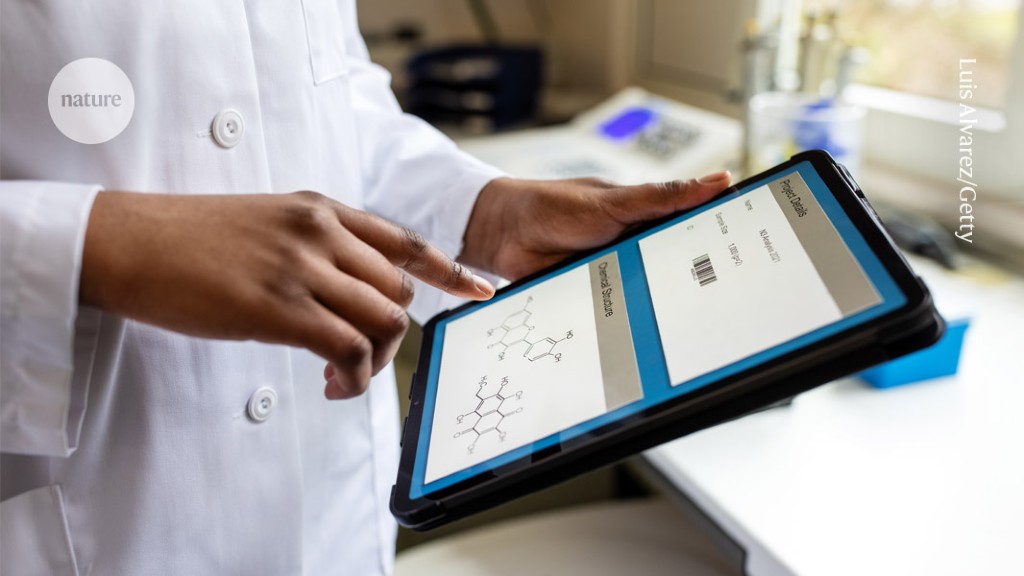
Researchers have adapted a ChatGPT-like system to effectively predict chemical properties and reactions with minimal fine-tuning, demonstrating its potential as a powerful tool for chemistry laboratories. By training the system with data from the literature and using GPT-3 and GPT-J, the researchers achieved comparable accuracy to specialized machine-learning tools and computer simulations. This approach could democratize access to predictive chemical properties and reactions, making it easier for chemists to benefit from machine learning in their domains.
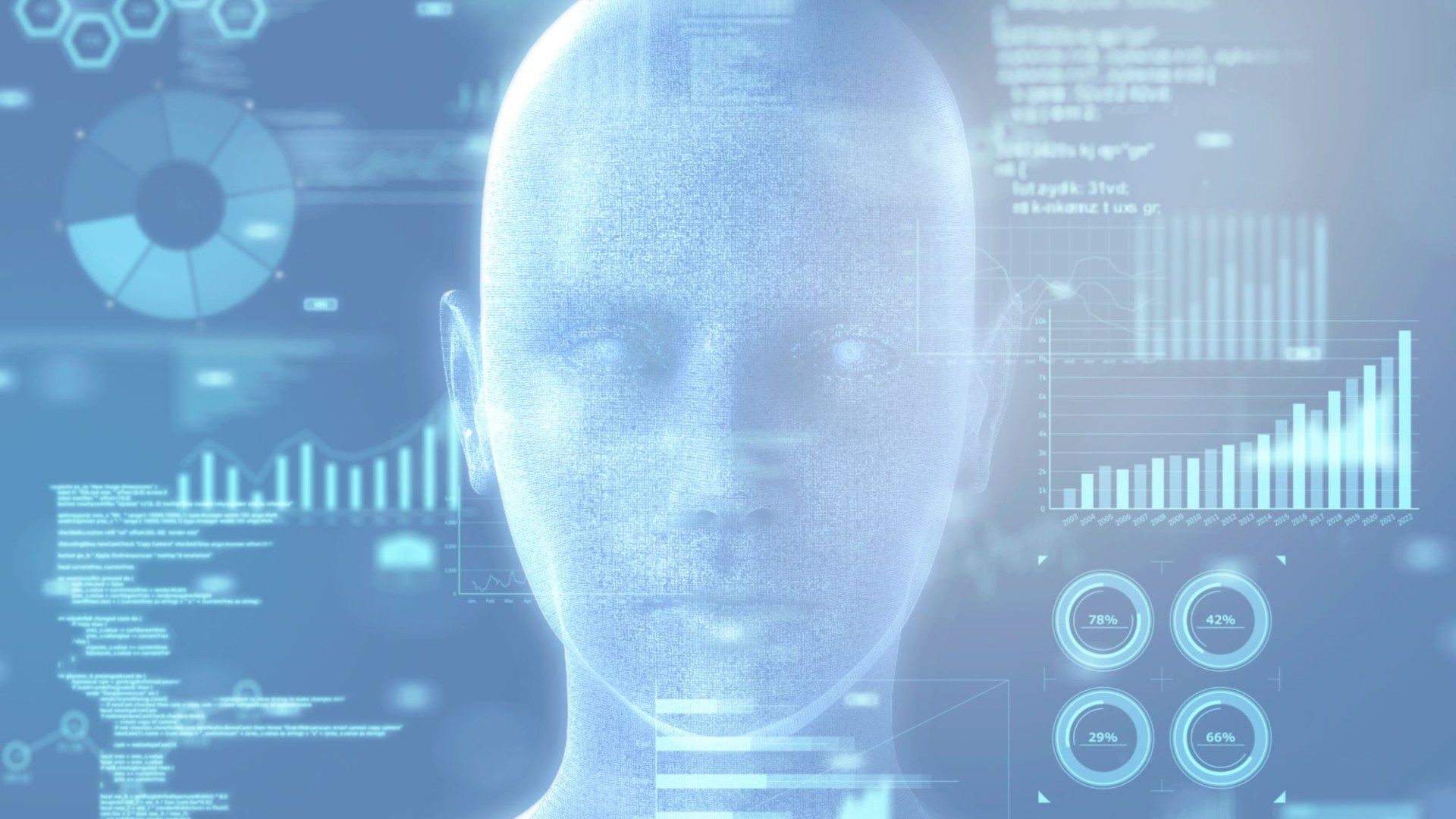
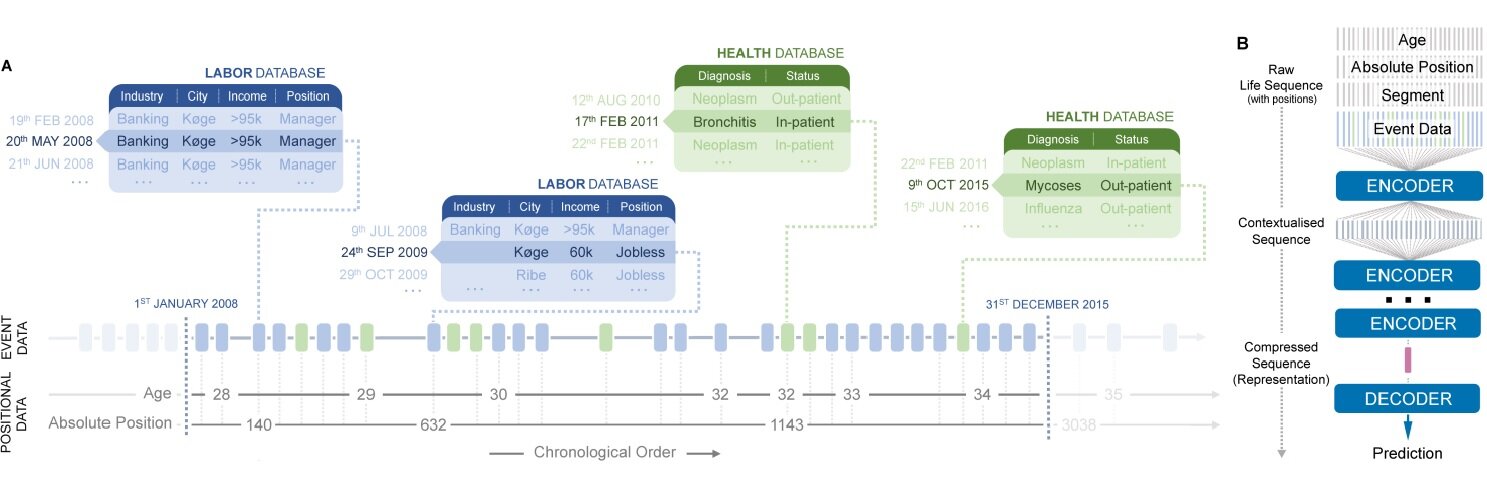
Scientists have developed an AI algorithm called Life2vec, which functions as a chatbot and can predict when a person will die with 78% accuracy using four pieces of data, including income, profession, place of residence, injuries, and pregnancy history. The algorithm was tested on a group of people aged 35 to 65 and found to be 11% more accurate than other existing AI models. However, the researchers caution against using the model for insurance purposes, as it raises ethical concerns about sharing the burden of risk. The study was published in Nature Computational Science.
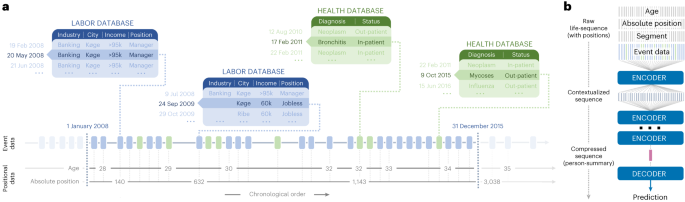
A study conducted by researchers from DTU, University of Copenhagen, ITU, and Northeastern University explores the potential of artificial intelligence, specifically transformer models like ChatGPT, in predicting human life events. The life2vec model, trained on extensive health and labor market data of 6 million Danes, demonstrates a remarkable ability to predict outcomes such as personality traits and even the time of death. However, ethical concerns regarding data privacy, bias, and the broader implications of using AI to forecast personal life trajectories need to be addressed before such models can be widely implemented.
Researchers have developed an artificial intelligence model called life2vec that can predict events in people's lives, including personality traits and time of death, with high accuracy. By training transformer models on large amounts of data about individuals' lives, the model organizes the data and makes predictions based on patterns and conditions in their past. However, ethical concerns regarding privacy, bias, and the use of sensitive data must be addressed before the model can be widely implemented. The next step for researchers is to incorporate additional types of information, such as text and images, to further enhance the model's predictive capabilities.
Researchers are exploring the use of machine learning models to predict human life outcomes based on sequences of life events. By analyzing data from various sources such as electronic health records, employment records, and social behavior, these models aim to identify patterns and correlations that can help forecast important life outcomes. This approach has been successfully applied in predicting long-term climate change patterns, COVID-19 spread, and other domains. The use of transformer neural networks, attention mechanisms, and deep learning techniques has shown promising results in capturing complex relationships and improving prediction accuracy. However, challenges related to data privacy, bias, and interpretability need to be addressed to ensure the ethical and responsible use of these predictive models.
Scientists have used artificial intelligence to develop a model that can predict the formation of rogue waves, which are large and unpredictable waves in the open ocean. By analyzing over 1 billion waves, the researchers identified the causal variables and used machine learning to create a mathematical equation. The model can reproduce past behavior and predict future rogue waves, potentially improving shipping safety. The algorithm and research are available to the public, allowing shipping companies to assess the risk of encountering dangerous waves and choose alternative routes.
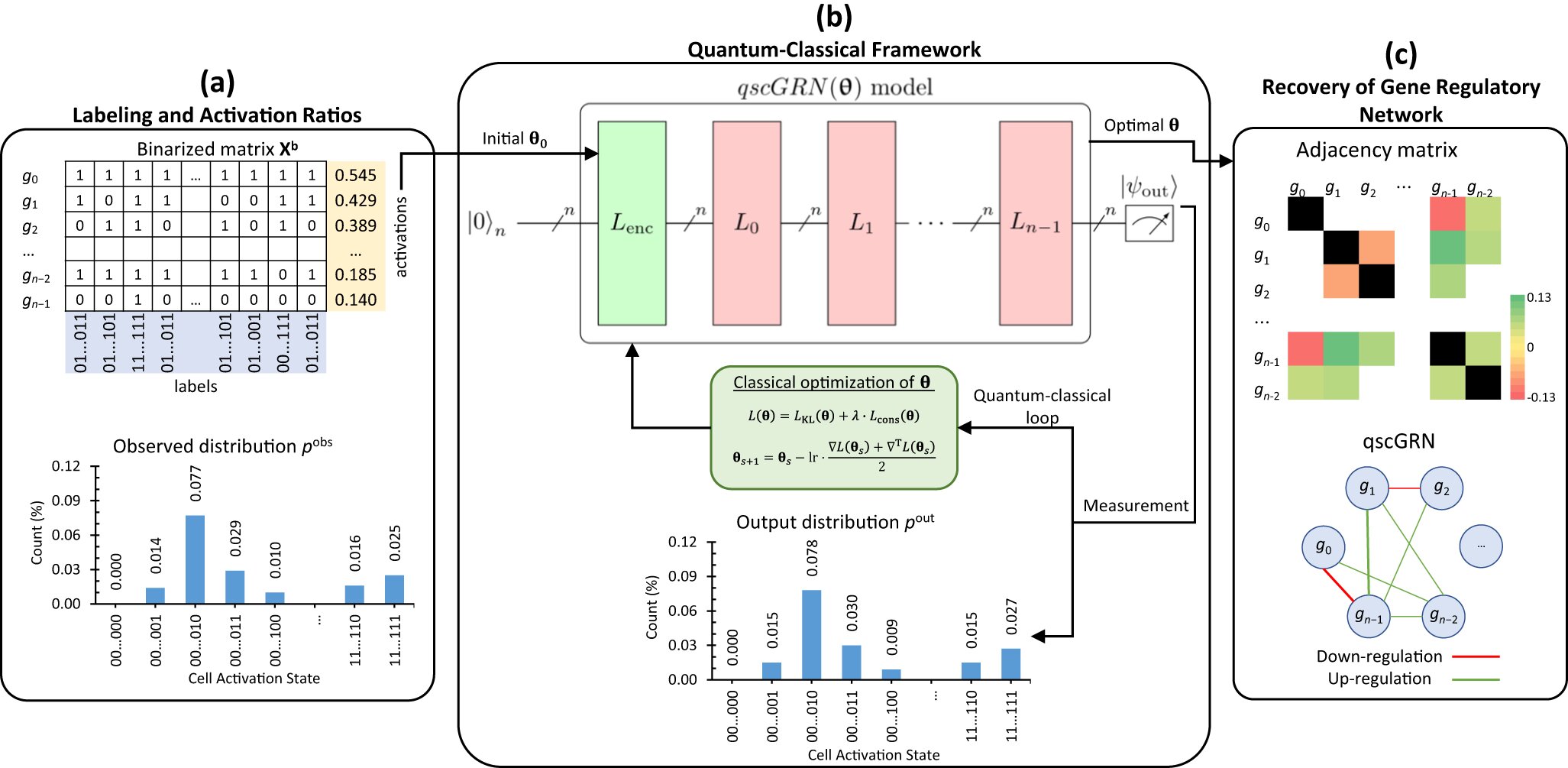
Researchers at Texas A&M University have demonstrated how quantum computing can be used to predict gene relationships and map gene regulatory networks (GRNs). By leveraging the capabilities of quantum computing, the team was able to identify previously unknown links between genes, providing a more comprehensive understanding of how genes influence each other. This breakthrough has significant implications for biomedical research, as it can help scientists predict gene expression and potentially control cellular processes, such as inhibiting the growth of cancer cells. While the field of quantum computing in biology is still in its early stages, this study highlights its potential for advancing genetic research and improving our understanding of complex biological systems.
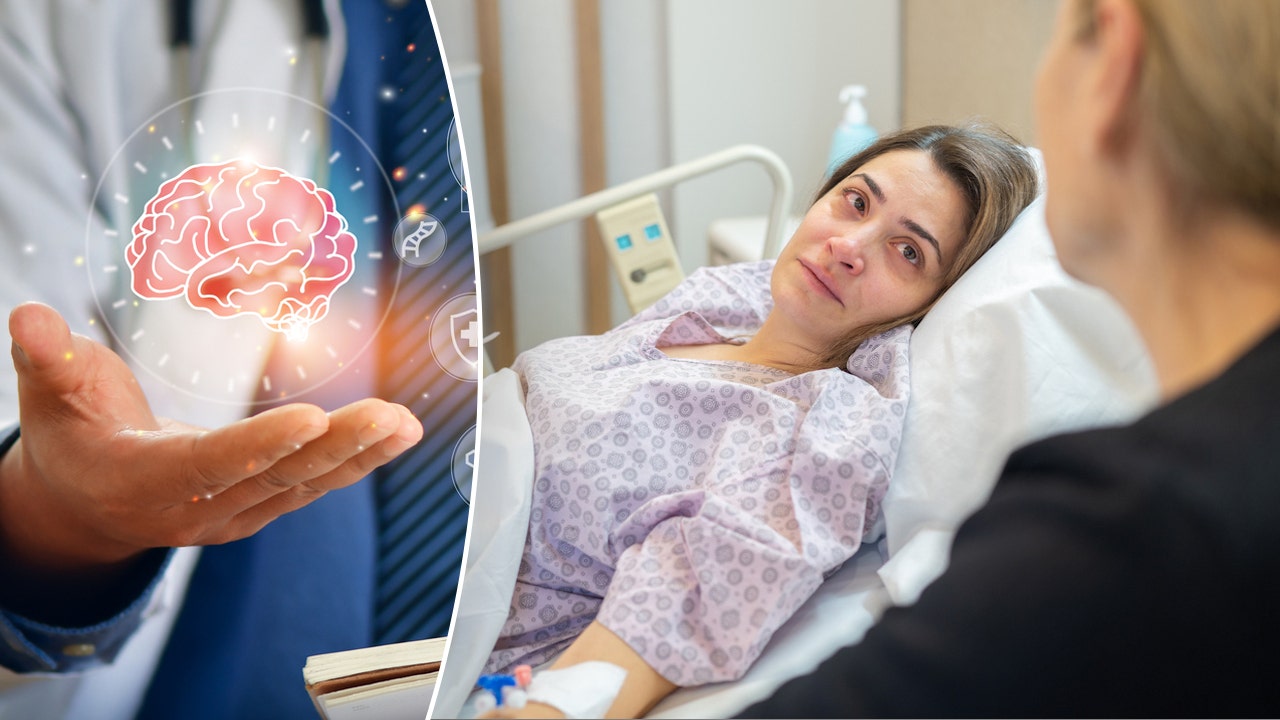
Researchers at OSF HealthCare in Illinois have developed an artificial intelligence (AI) model that predicts a patient's risk of death within five to 90 days after admission to the hospital. The goal is to help physicians identify patients who have a higher chance of dying during their hospital stay and initiate important end-of-life discussions. The AI model, trained on a dataset of over 75,000 patients, showed that the mortality rate for patients flagged as more likely to die was three times higher than the average. While the AI tool is currently in use, experts caution that it should be paired with human interaction to ensure compassionate care and address potential risks such as false positives and data privacy concerns.
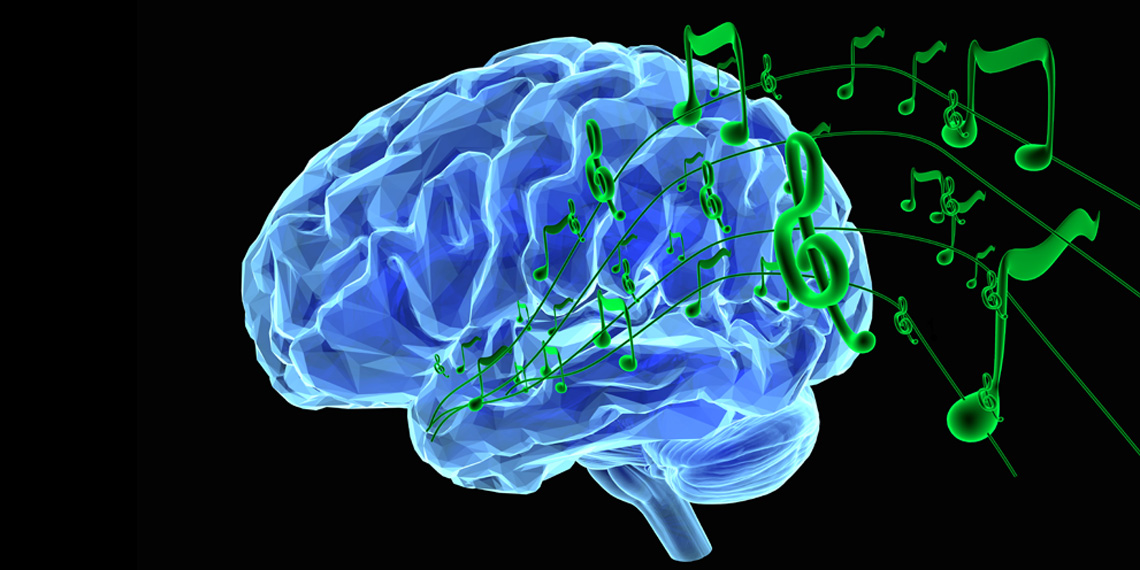
Scientists have successfully reconstructed a Pink Floyd song using direct human neural recordings and predictive modeling techniques. The study involved patients with epilepsy who had electrodes implanted in their brains, which recorded their brain activity while listening to the song. The researchers used predictive models to estimate what the song would sound like based on the patterns of neural activity. By training the models to associate specific patterns with corresponding parts of the song, they were able to reconstruct the song from the recorded neural data. This breakthrough could have implications for enhancing speech generated by brain-computer interfaces and improving communication for individuals with conditions like ALS or paralysis.
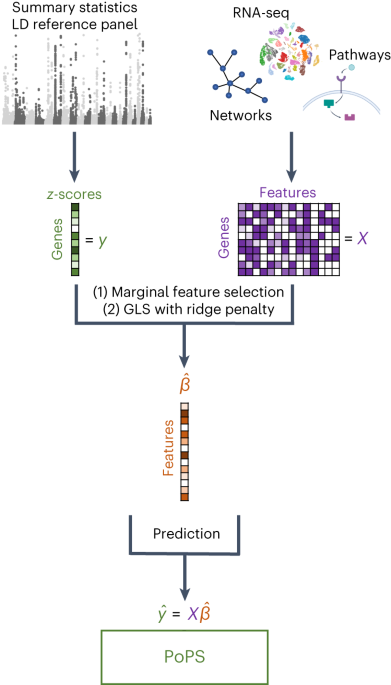
Researchers have developed a method called PoPS (Polygenic Prioritization of Gene Features) that leverages polygenic enrichments of gene features to predict genes underlying complex traits and diseases. The method utilizes various data sources, including genetic association studies, gene expression data, and functional annotations, to prioritize candidate genes. The researchers have made the processed gene features, visualizations, and code available on GitHub, as well as the PoPS results for multiple complex traits and diseases. This approach provides a valuable tool for understanding the genetic basis of complex traits and diseases.
Scientists have developed a machine learning model that can predict the locations of minerals on Earth and potentially other planets. By analyzing patterns in mineral associations, the model uses data from the Mineral Evolution Database to identify previously unknown mineral occurrences. The model was successfully tested in the Tecopa basin, a Mars analog environment, and located promising areas for critical rare earth elements and lithium minerals. This advancement has significant implications for mineralogists, petrologists, economic geologists, and planetary scientists.