
Tag

Music Perception

All articles tagged with #music perception

neuroscience1 year ago

"The Science of Dance: How Rhythms Influence Our Groove"

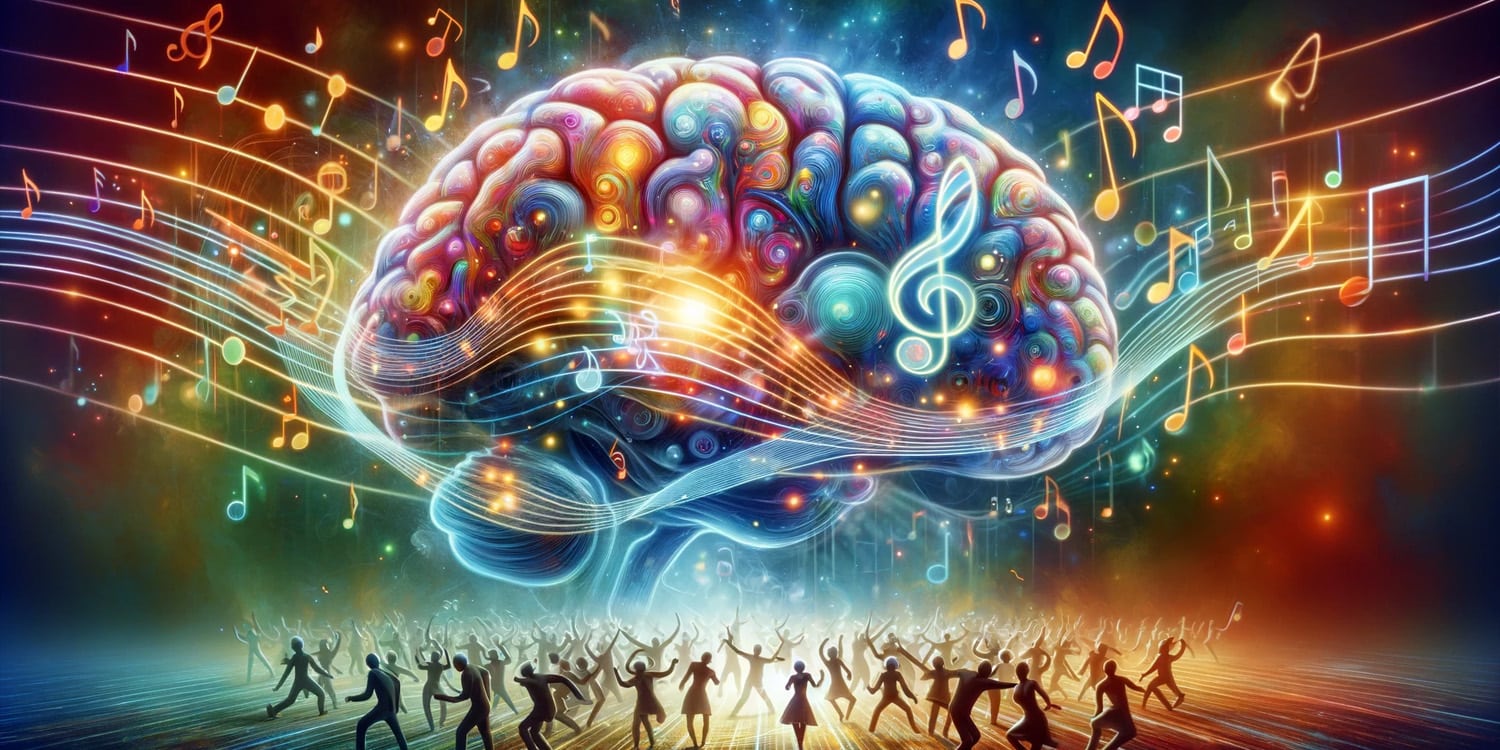
A recent study published in Science Advances explores the neuroscience behind our instinctual desire to move along with music, revealing that rhythms of moderate complexity trigger the highest desire to dance, as mirrored in brain activity within the left sensorimotor cortex. The study involved experiments with 111 participants and found that rhythms striking a balance between predictability and complexity are most effective in inducing the urge to dance, with the left sensorimotor cortex playing a pivotal role in processing music and preparing the body for movement. The research introduces a neurodynamic model to explain how syncopated rhythms transform into the subjective experience of groove, shedding light on the intertwined relationship between motor actions and sensory processes in music perception.

neuroscience1 year ago

"Music Exposure's Influence on Cross-Cultural Rhythmic Interpretation"

A global study involving participants from 15 countries reveals a universal preference for simple integer ratios in rhythms, indicating a brain bias towards these structures during music perception. While this bias is consistent across cultures, specific rhythmic preferences vary significantly, emphasizing the impact of cultural exposure on musical cognition. The research underscores the importance of including participants from traditional societies and highlights the need for diverse, global research to fully understand the complexities of music perception.

science-and-technology2 years ago

"Unlocking the Mind's Melodies: Pink Floyd Song Recreated through Brain Activity"

Scientists have successfully reconstructed a Pink Floyd song using direct human neural recordings and predictive modeling techniques. The study involved patients with epilepsy who had electrodes implanted in their brains, which recorded their brain activity while listening to the song. The researchers used predictive models to estimate what the song would sound like based on the patterns of neural activity. By training the models to associate specific patterns with corresponding parts of the song, they were able to reconstruct the song from the recorded neural data. This breakthrough could have implications for enhancing speech generated by brain-computer interfaces and improving communication for individuals with conditions like ALS or paralysis.