Tag

Brain Machine Interfaces

All articles tagged with #brain machine interfaces

"Unlocking the Mind's Melodies: Pink Floyd Song Recreated through Brain Activity"

Originally Published 2 years ago — by PsyPost

Featured image for "Unlocking the Mind's Melodies: Pink Floyd Song Recreated through Brain Activity"
Source: PsyPost

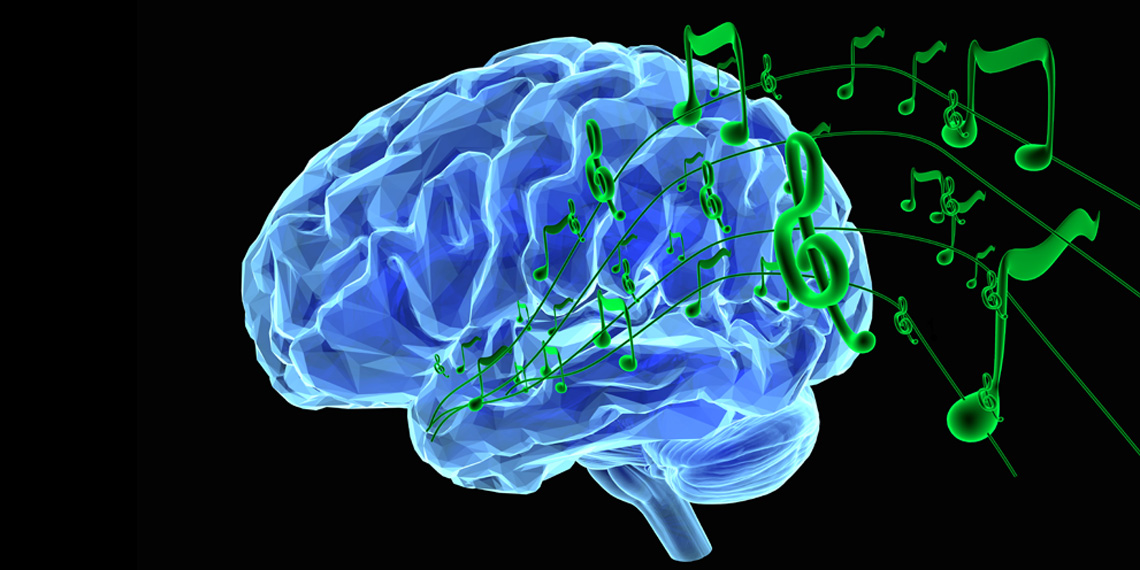
Scientists have successfully reconstructed a Pink Floyd song using direct human neural recordings and predictive modeling techniques. The study involved patients with epilepsy who had electrodes implanted in their brains, which recorded their brain activity while listening to the song. The researchers used predictive models to estimate what the song would sound like based on the patterns of neural activity. By training the models to associate specific patterns with corresponding parts of the song, they were able to reconstruct the song from the recorded neural data. This breakthrough could have implications for enhancing speech generated by brain-computer interfaces and improving communication for individuals with conditions like ALS or paralysis.

"Scientists Create AI-Generated Pink Floyd Song from Brain Recordings"

Originally Published 2 years ago — by IGN

Featured image for "Scientists Create AI-Generated Pink Floyd Song from Brain Recordings"
Source: IGN

Scientists have used artificial intelligence (A.I.) to reconstruct Pink Floyd's "Another Brick in the Wall Part 1" by decoding the brain activity of patients who listened to the song while awaiting brain surgery. The study, based on data captured from electrodes placed on the brains of 29 individuals, aims to understand how the brain perceives music and potentially help those with paralysis or neurological disorders communicate with a voice rich in musical elements. The researchers hope to develop a brain-to-speech system that can decode linguistic and prosodic content, adding musicality to future brain implants. The study also confirmed the right hemisphere's involvement in music perception and identified regions related to musical rhythm detection.

"Scientists Merge AI with Human Brain Cells to Enhance Intelligence and National Security"

Originally Published 2 years ago — by Futurism

Featured image for "Scientists Merge AI with Human Brain Cells to Enhance Intelligence and National Security"
Source: Futurism

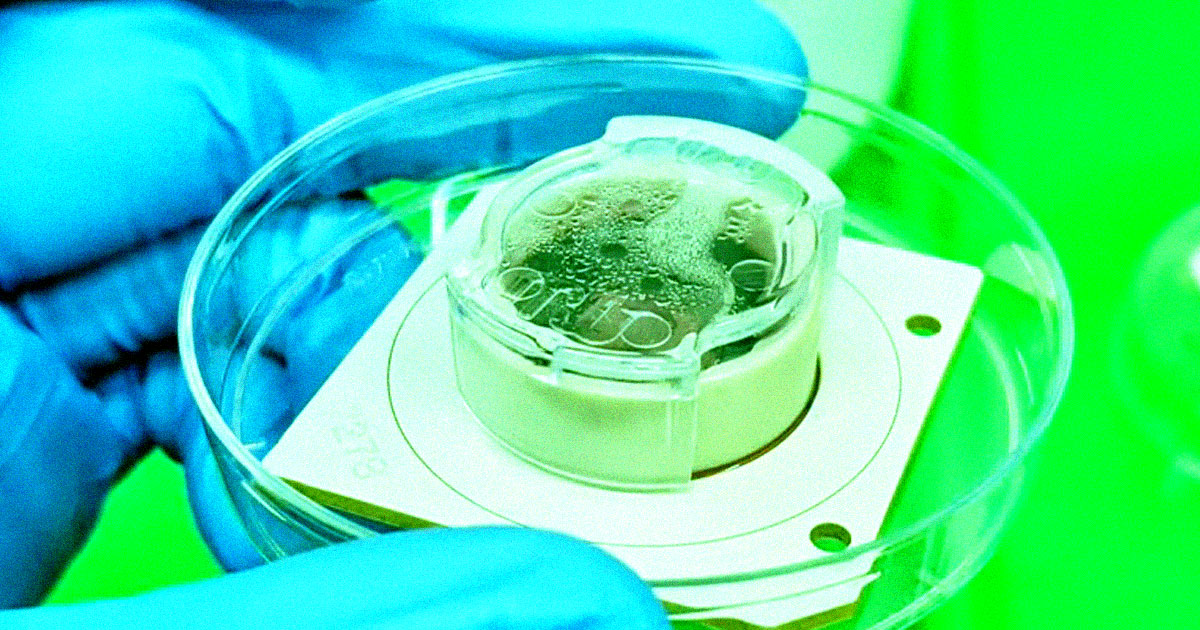
Scientists have received a $600,000 grant to study the merging of human brain cells with artificial intelligence (AI). Collaborating with Cortical Labs, the team has successfully demonstrated brain cells playing a game of "Pong" in a Petri dish. The goal is to create a new frontier for machine learning technology, potentially surpassing the performance of silicon-based hardware. The research could have significant implications for fields such as robotics, automation, brain-machine interfaces, and drug discovery. The team aims to develop AI machines that replicate the learning capacity of biological neural networks, allowing for continual lifelong learning.

Graphene Sensors Enable Mind-Controlled Robots with "Dry" Electrodes.

Originally Published 2 years ago — by SciTechDaily

Featured image for Graphene Sensors Enable Mind-Controlled Robots with "Dry" Electrodes.
Source: SciTechDaily

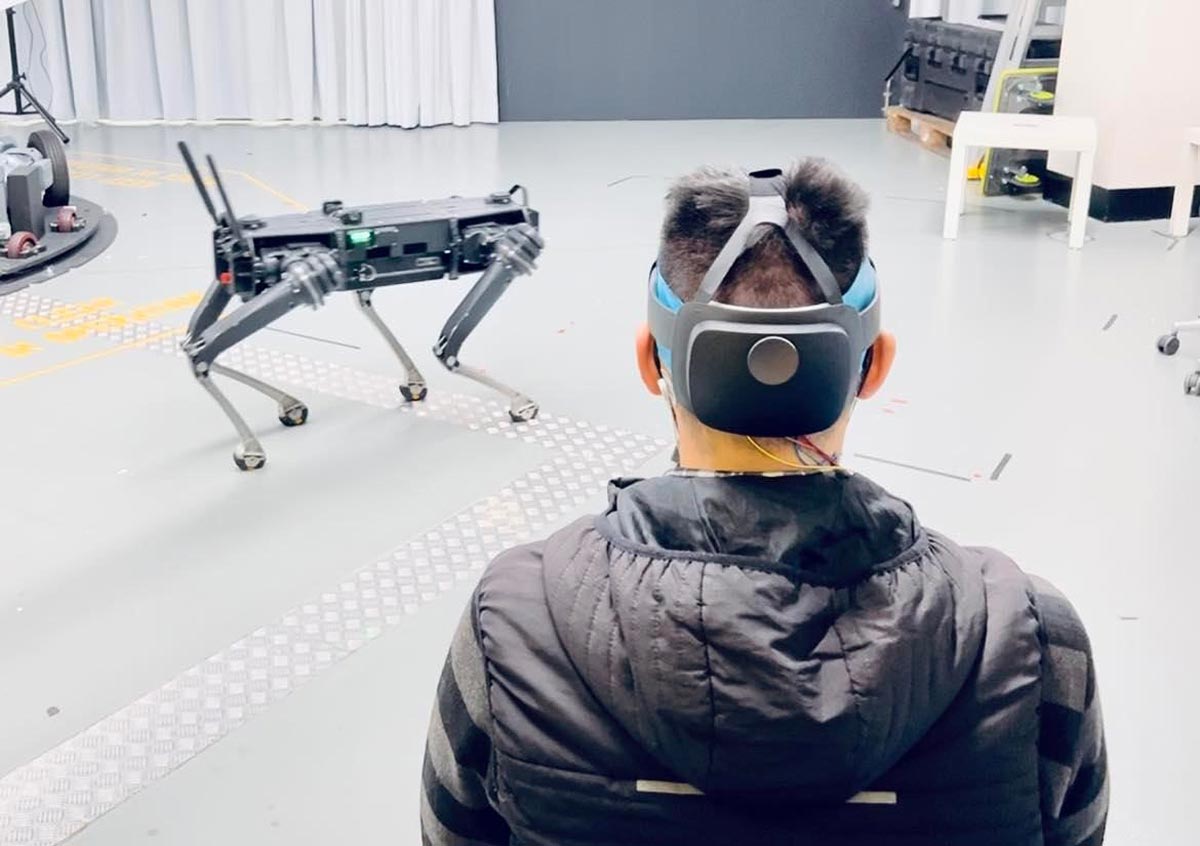
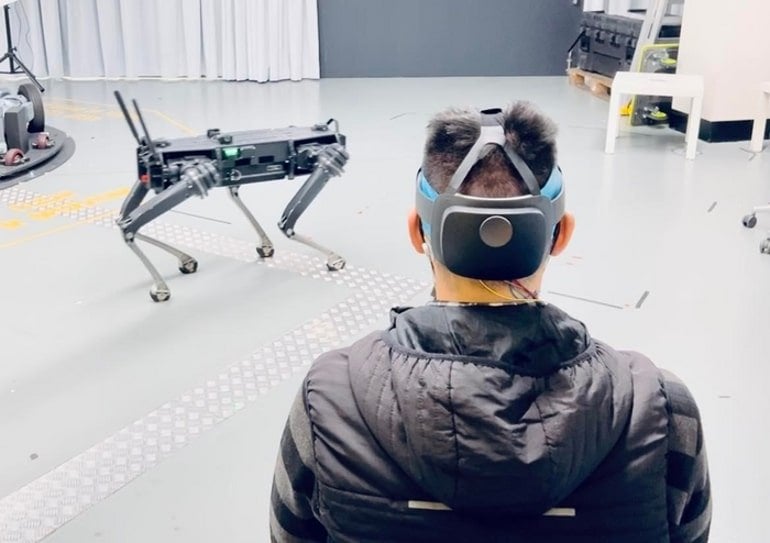
Researchers have developed a 3D-patterned, graphene-based, dry sensor that can measure brain activity without conductive gels, enabling hands-free control of a robot by interpreting brain signals. The dry sensors are less irritating and allergenic compared to traditional “wet” sensors used in electroencephalography (EEG) to diagnose neurological disorders or control external devices through brain-machine interfaces. Although not as effective as wet sensors yet, this development marks progress toward easily implemented, non-invasive brain-machine interfaces.

"New Sensor Allows Mind-Control of Robots via Brain Waves"

Originally Published 2 years ago — by Neuroscience News

Featured image for "New Sensor Allows Mind-Control of Robots via Brain Waves"
Source: Neuroscience News

Researchers have designed a dry sensor that can measure brain activity and may enable mind control of robotic systems. The 3D-patterned structure doesn't rely on sticky conductive gels and can measure the brain's electrical activity amidst hair and the bumps and curves of the head. The team created several 3D graphene-coated structures with different shapes and patterns, and a hexagonal pattern worked the best on the curvy, hairy surface of the occipital region. The electrodes could detect visual cues and work with a computer to interpret the signals into commands that controlled the motion of a four-legged robot, completely hands-free.