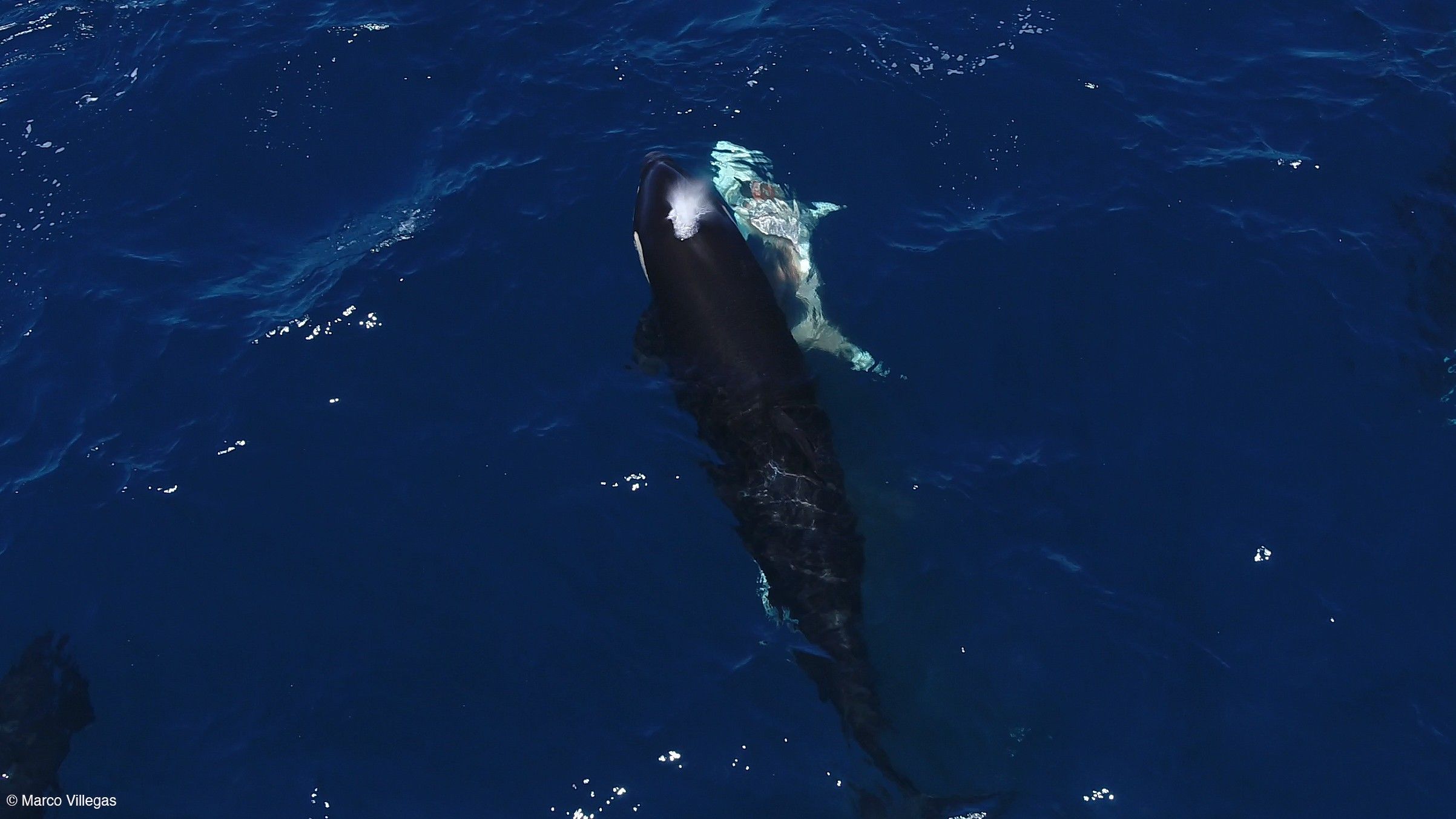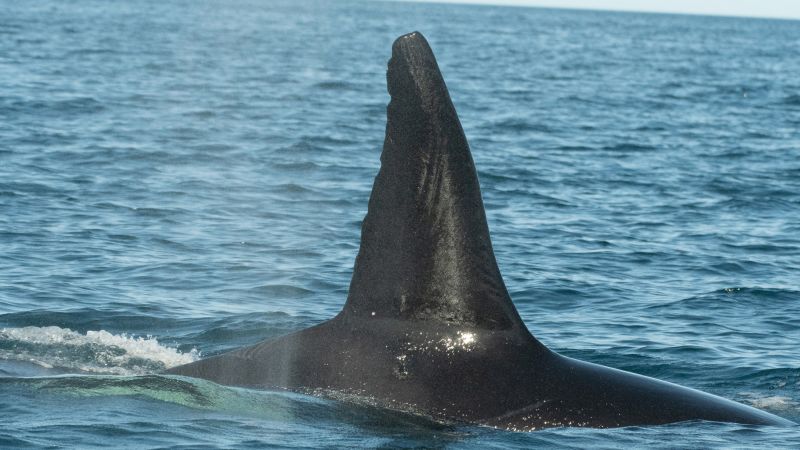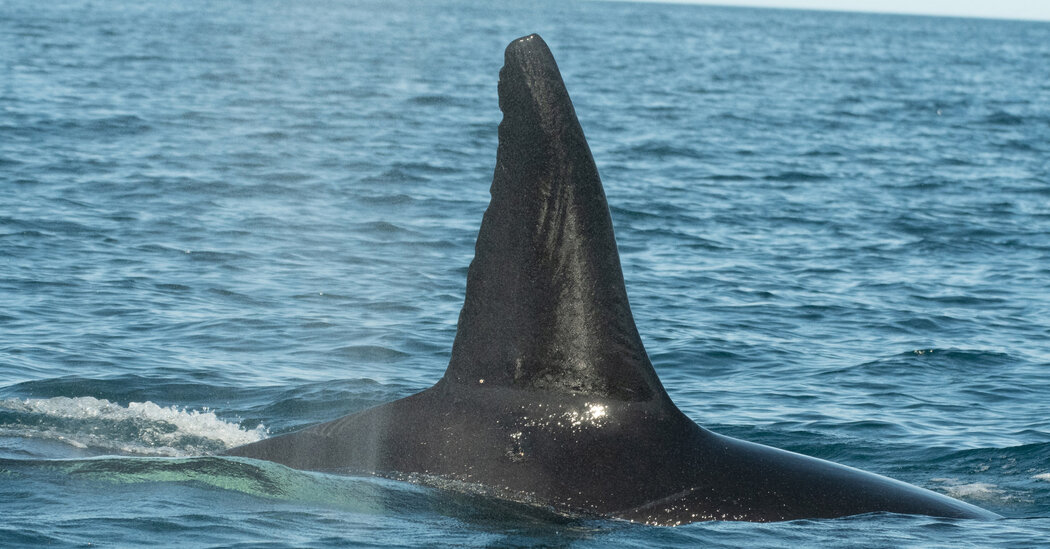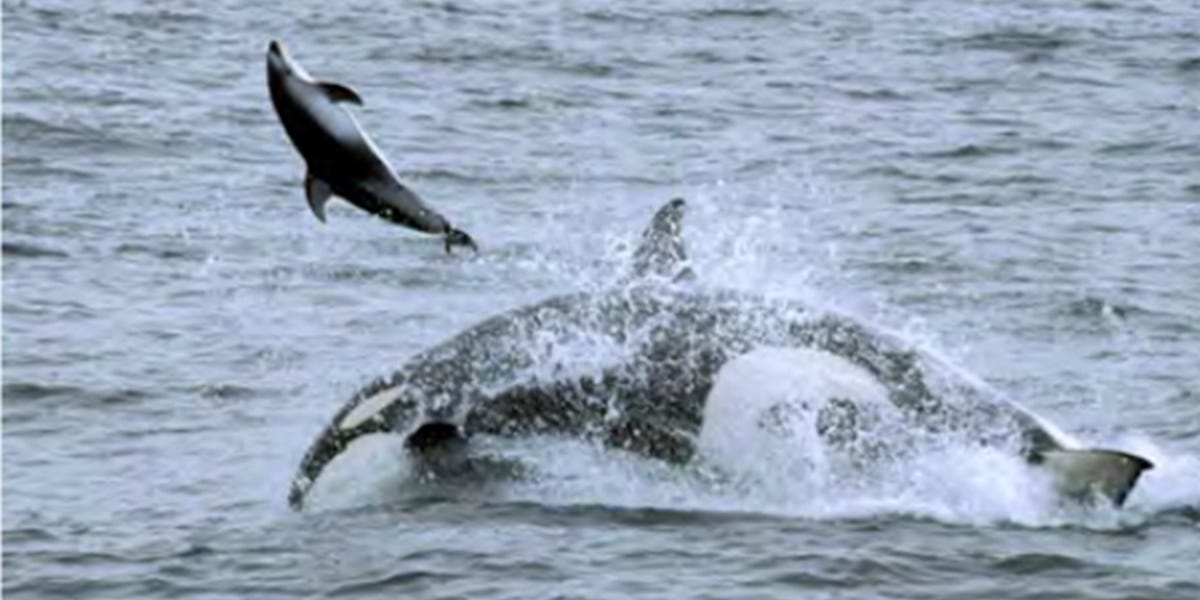
A pod of orcas in the Gulf of California has been observed hunting and devouring the livers of young great white sharks, indicating that orca predation on these sharks may be more common than previously thought, showcasing their advanced hunting strategies and social learning.
Researchers observed orcas in the Gulf of California repeatedly attacking juvenile great white sharks by flipping them upside down to induce tonic immobility, then extracting their livers, revealing a new and strategic predation behavior in this region.
Scientists used high-speed cameras to capture in unprecedented detail how venomous snakes strike their prey, revealing that most vipers bite within 0.1 seconds, and different snake families employ various attack strategies, enhancing understanding of snake predation mechanics.
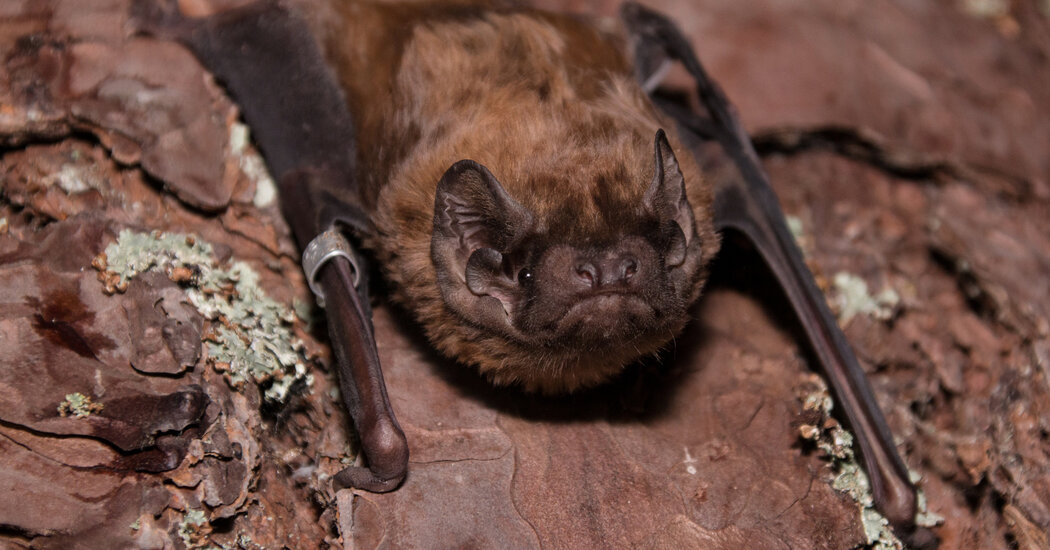
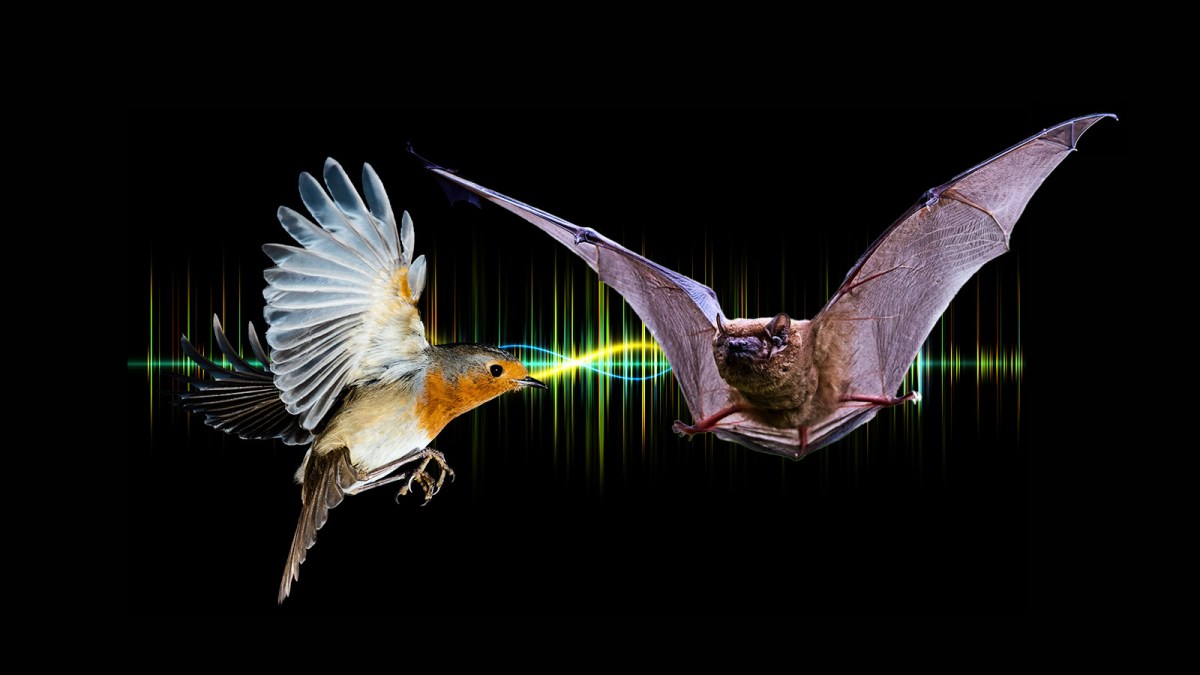
Scientists have documented for the first time a bat, specifically the greater noctule bat in Europe, catching and eating a bird in midair during migration, revealing an unexpected predator of high-altitude migrating birds.
Scientists used tiny backpacks with microphones and sensors to confirm that Europe's largest bat, the greater noctule, hunts and eats songbirds mid-flight, revealing a fighter jet-like pursuit behavior and providing insights into their feeding habits and conservation needs.
New research suggests Homo habilis was hunted by leopards, challenging the idea that it was the first human species to become an apex predator, and instead indicating it was more prey than predator, with Homo erectus possibly being the first to dominate the food chain.
Researchers have discovered that slingshot spiders, found along Ohio's riverbanks, use a unique hunting technique similar to Roman gladiators by launching their webs at prey using sound detection. These spiders can detect the sound of approaching insects, like mosquitoes, and release their webs with remarkable speed and precision, intercepting prey in just 38 milliseconds. The study highlights the spiders' ability to compare vibrations through their webs and the air to accurately target their prey.
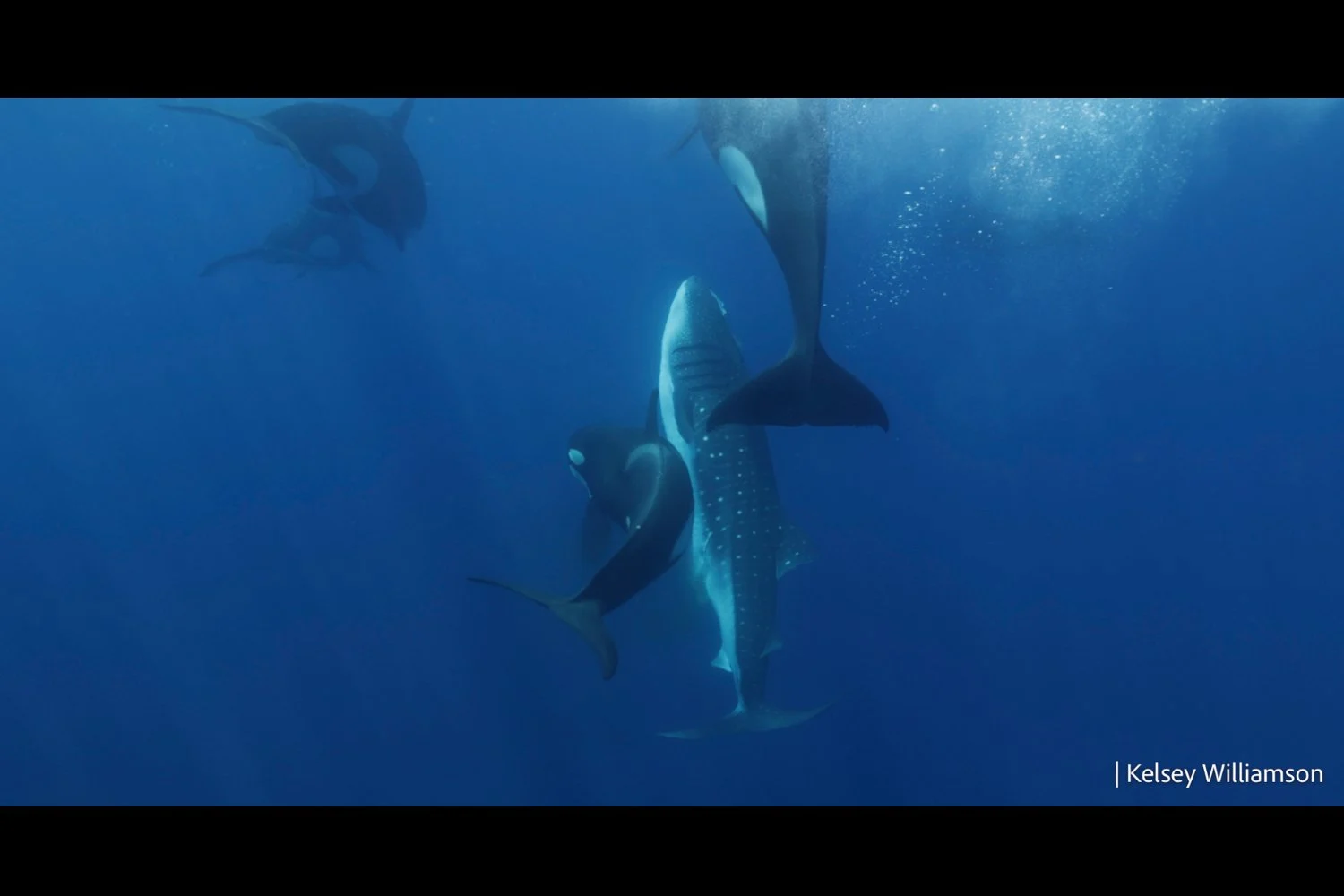
New research has documented how an orca pod off the coast of Mexico hunts whale sharks, the world's largest fish. The orcas use a strategic method to flip the sharks belly-up, inducing a state of tonic immobility, before targeting their nutrient-rich livers. This behavior, captured in images and videos, marks the first detailed observation of orcas preying on whale sharks, suggesting a potential new ecotype in the Gulf of California. Despite the predation, there are no significant impacts on the whale shark population in the area.
Killer whales have been observed hunting whale sharks and consuming their livers, showcasing their sophisticated hunting techniques and dietary preferences. This behavior highlights the orcas' adaptability and intelligence in targeting specific prey for nutrient-rich organs.
Scientists have documented orcas in the Southern Gulf of California hunting whale sharks, marking the first confirmed instances of this behavior. Over six years, researchers observed orcas, particularly a male named Moctezuma, using collaborative techniques to target the pelvic area of whale sharks, causing them to bleed out and allowing access to their liver. This discovery highlights the orcas' adaptability and raises concerns about the potential impact on whale shark populations and the need for careful conservation efforts in the region.
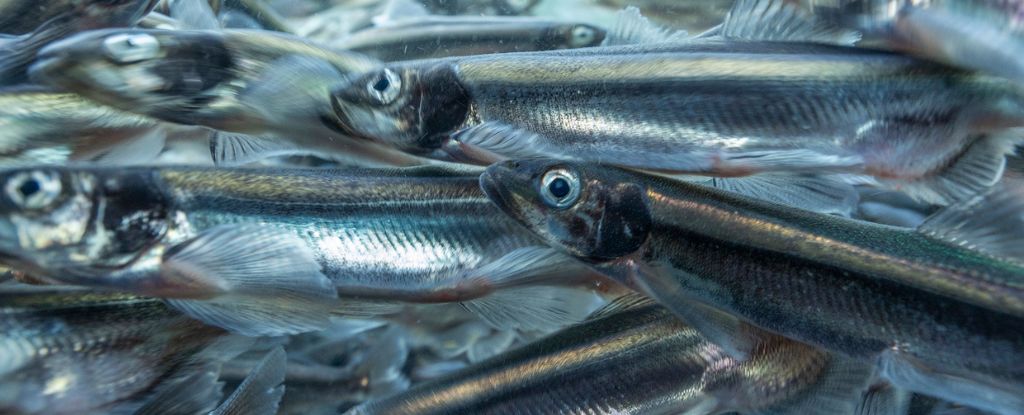
Researchers from MIT and the Institute of Marine Research in Norway recorded the largest predation event ever, where over 10 million capelin were consumed by 2.5 million cod off Norway's coast. Using advanced underwater-acoustic sensing, the team observed the predator-prey dynamics over a vast area. This event highlights the risks of shoaling behavior and the importance of understanding such interactions, especially as many fish species face extinction threats. The study, published in Nature Communications Biology, underscores the potential ecological impacts of large-scale predation events.
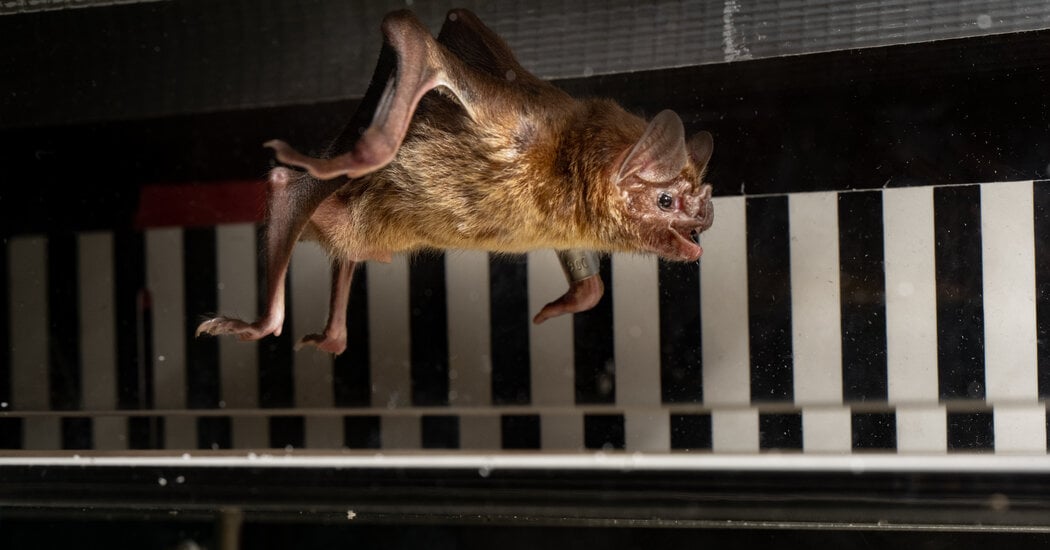
A recent study suggests that vampire bats are faster than previously thought, challenging the myth that humans can easily outrun them. This new understanding of their speed and agility highlights the bats' efficiency as predators and may influence how we perceive their threat level.
A new study reveals that a pod of 183 killer whales off the coast of California has been using a deep-sea canyon to trap and ambush their prey, including gray whale calves, elephant seals, minke whales, and dolphins. The orcas employ tactics such as tail slaps and body-blocking to separate and exhaust their prey before finishing them off and feeding on their carcasses. Understanding these behaviors is crucial for comprehending the impact of orcas on marine ecosystems and shaping conservation efforts to protect them from human threats.
Scientists witnessed a lone orca named Starboard killing an 8-foot great white shark off the coast of South Africa, marking the first documented instance of a solitary orca preying on a great white. The incident, observed in June 2023, challenges conventional hunting behaviors and raises concerns about the orcas' impact on the area's ecosystem. Researchers believe that killer whales could potentially drive sharks out of South African waters, leading to changes in the marine ecosystem.
In a rare and shocking encounter, a 60-year-old grandmother orca named Sophia was filmed attacking and killing a great white shark as part of National Geographic's limited series "Queens." This is believed to be the first time a solo orca has been captured on film killing a great white shark. Orcas, also known as killer whales, are highly intelligent and powerful animals, and recent reports suggest they may be becoming more aggressive, possibly due to climate change.