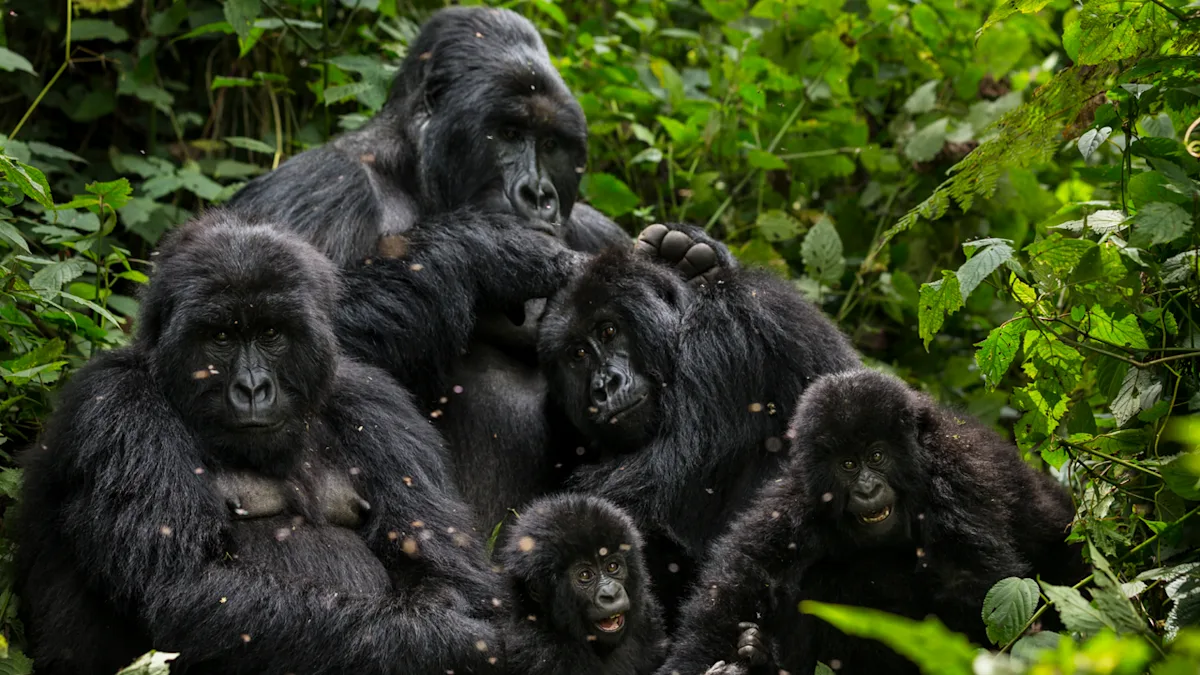
Dian Fossey, a renowned primatologist known for her work with mountain gorillas in Rwanda, was murdered in 1985 at her research center, with her death remaining unsolved. Her efforts to protect endangered gorillas from poaching and habitat destruction were marked by confrontational tactics, which strained local relations.
Meta has paused hiring in its AI division following a recent restructuring and a significant poaching spree, as the company reorganizes its AI efforts into four new groups amidst intense competition for AI talent.
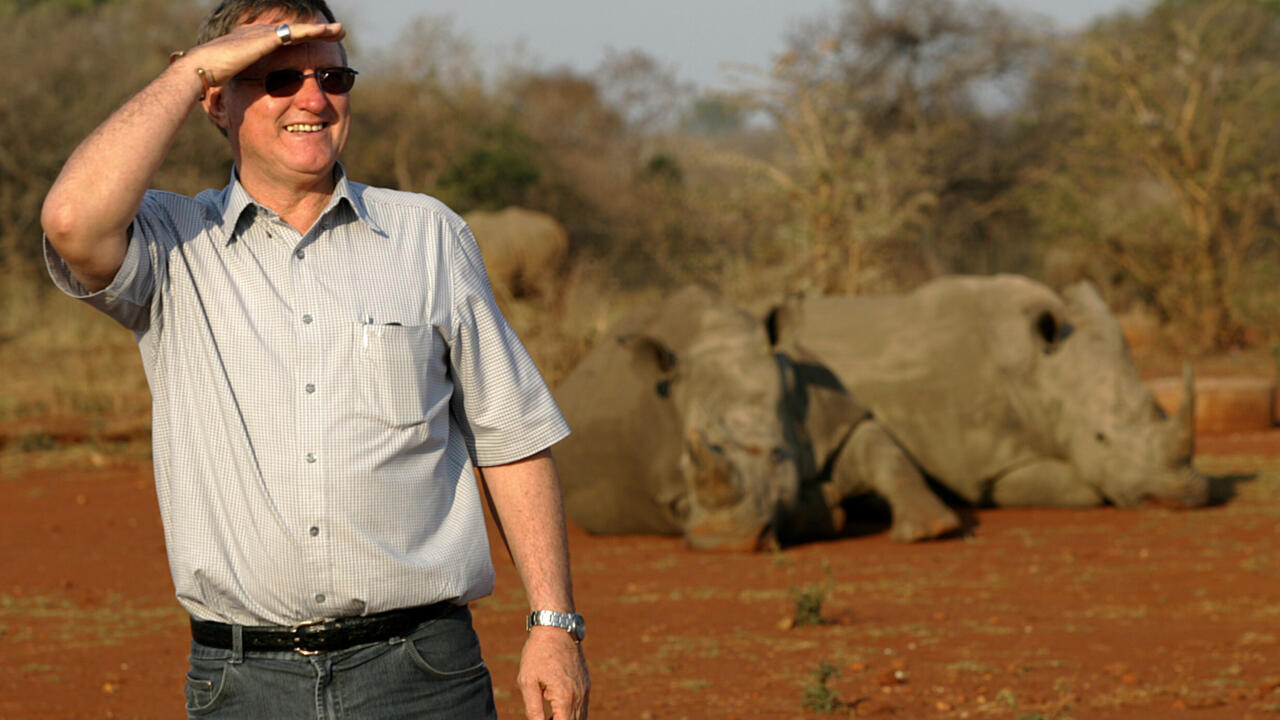
John Hume, the former owner of the world's largest rhino farm, was arrested along with five others in a complex investigation into transnational rhino horn trafficking, involving fraud and illegal export to Southeast Asia, despite local laws prohibiting such exports; Hume previously gained attention for a controversial online auction of rhino horns.
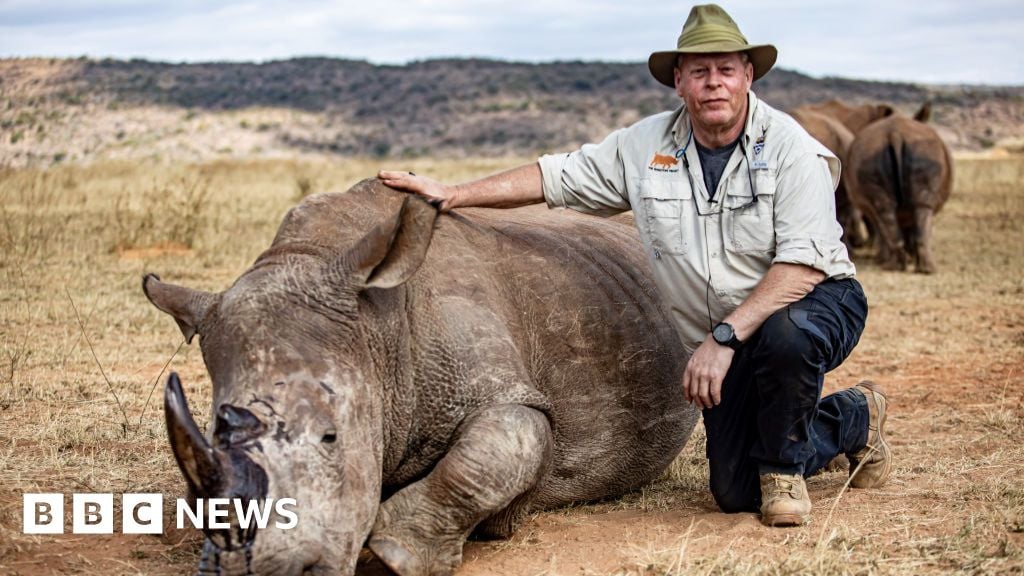
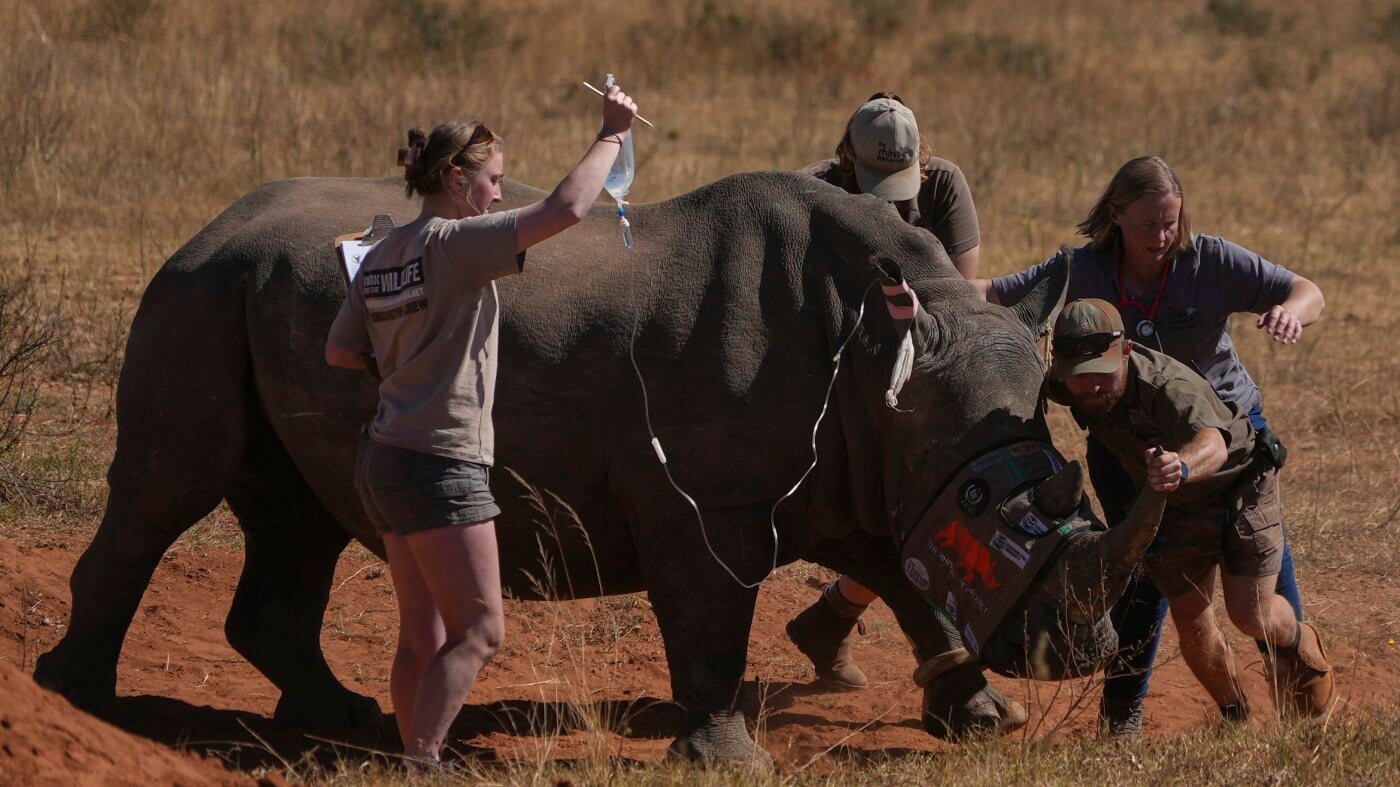
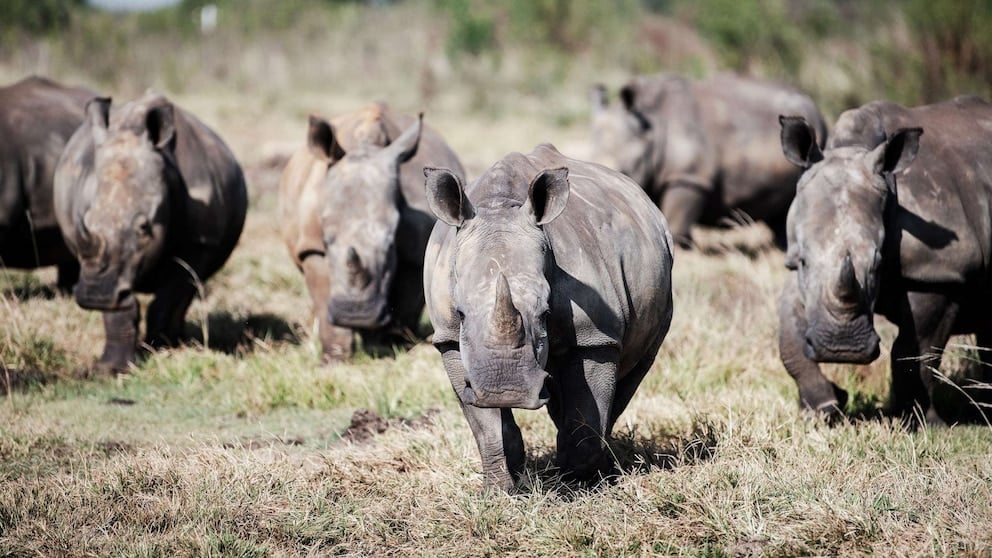
Scientists in South Africa have launched the Rhisotope Project, injecting rhino horns with harmless radioactive isotopes that can be detected by customs agents to combat poaching, with initial tests confirming safety and effectiveness.
Florida Governor Ron DeSantis criticizes ICE's efforts to recruit local law enforcement officers with attractive federal incentives, arguing it depletes local agencies and undermines their efforts, while ICE emphasizes the benefits as part of a broader recruitment strategy to combat illegal immigration.
South African scientists have developed a method to inject rhino horns with a harmless radioactive material, making them detectable by customs to combat poaching and illegal trade, with successful tests confirming safety and effectiveness.
Scientists in South Africa are injecting rhino horns with harmless radioactive isotopes to make them detectable by customs, aiding in the fight against poaching. The project, called Rhisotope, has successfully tested the method on a small number of rhinos, with the goal of expanding it to protect the declining rhino population, which is heavily targeted by poachers.
Donald Trump discussed his past relationship with Jeffrey Epstein, claiming Epstein poached spa workers from Mar-a-Lago, and addressed allegations involving Epstein's misconduct, denying any wrongdoing or visits to Epstein's island, while also criticizing ongoing scrutiny and media reports.
The University of Wisconsin has filed a lawsuit against the University of Miami for allegedly interfering with a binding revenue-share contract and tampering with Xavier Lucas, a player who transferred from Wisconsin to Miami, in a landmark case that could set a precedent for enforcing tampering clauses in college sports contracts.
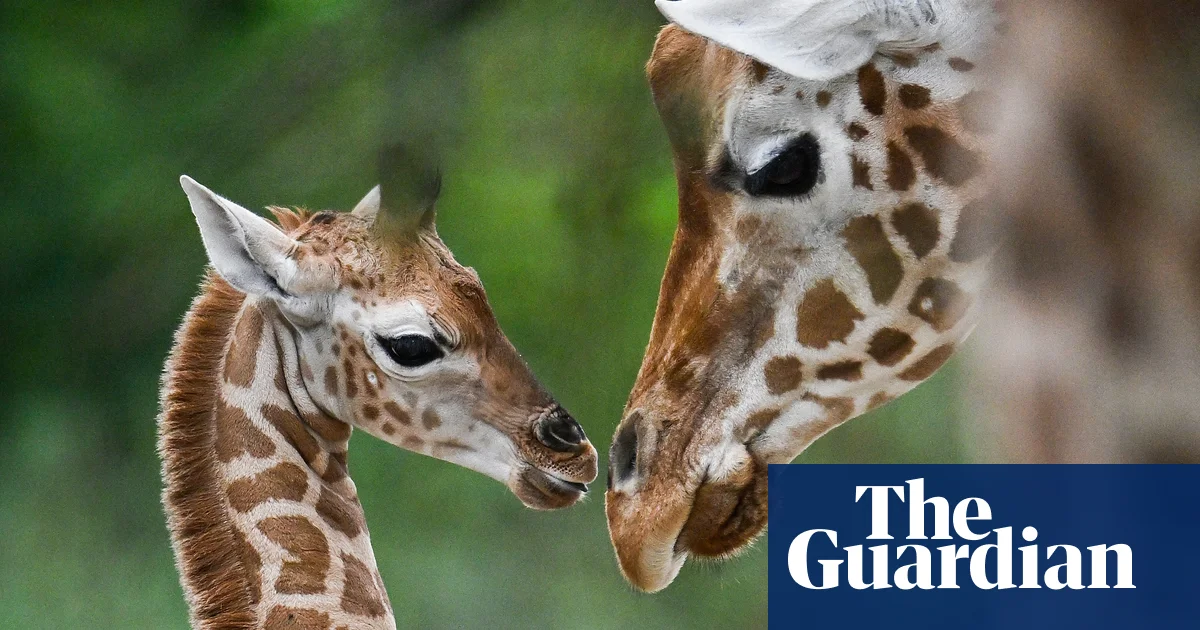
The US Fish and Wildlife Service has proposed listing giraffes under the Endangered Species Act for the first time, covering five subspecies. This move aims to combat poaching and habitat loss, which have significantly reduced giraffe populations. The listing will require permits for importing giraffe parts into the US and is expected to enhance conservation efforts. Environmental groups welcome the proposal, though they criticize the delay in action. The decision is open for public comment until February 2024, with a final rule expected thereafter.
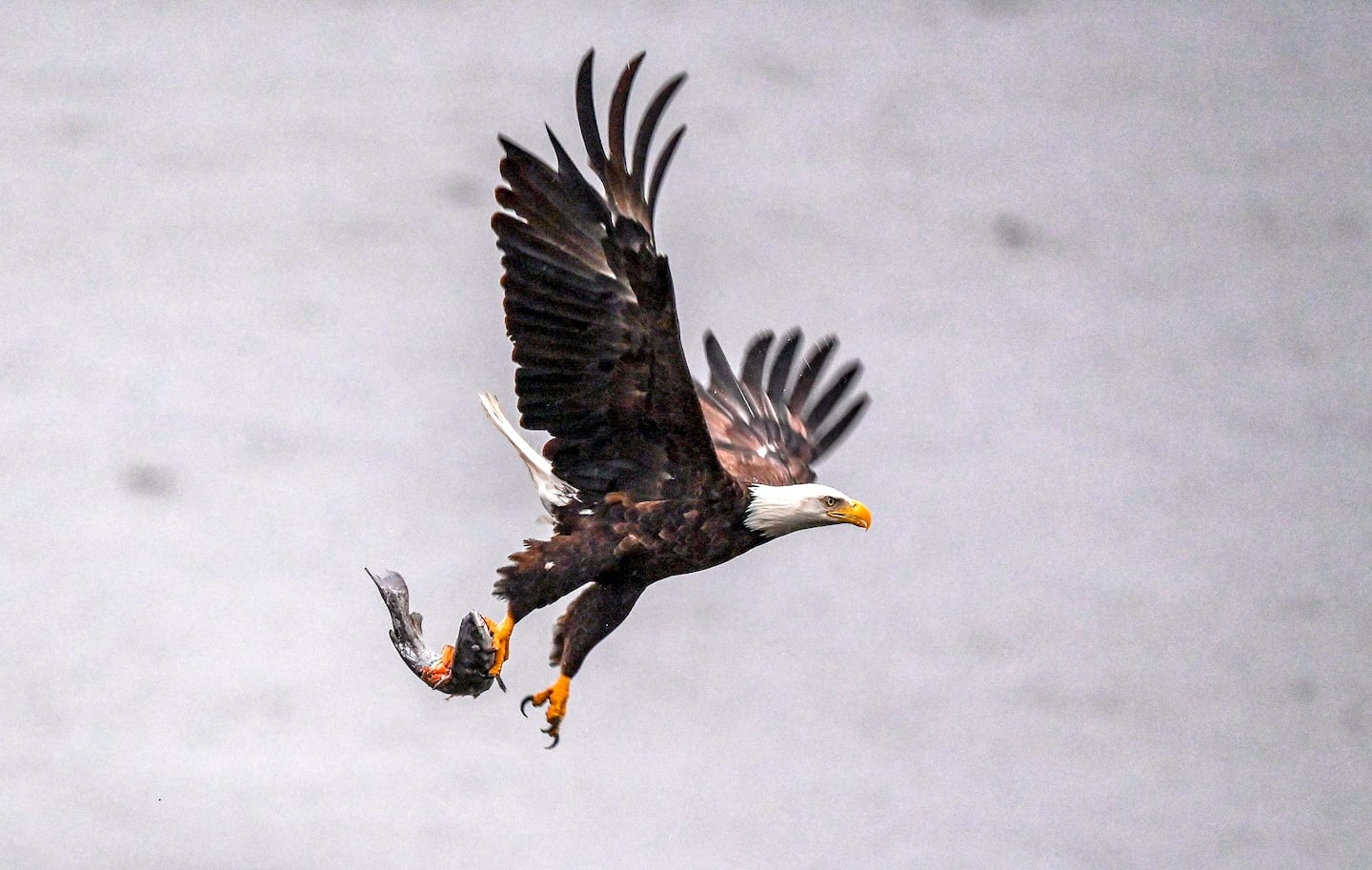
Travis John Branson is set to plead guilty to participating in a "killing spree" of 3,600 birds, including protected golden and bald eagles, and selling their body parts and feathers on the black market. The birds were killed near the Flathead Indian Reservation in Montana, and Branson's alleged partner, Simon Paul, is also indicted. The charges carry a maximum total of 13 years in prison.
Kenya celebrates the successful relocation of 21 eastern black rhinos to a new home in the Loisaba Conservancy, aiming to increase the critically endangered animal's population. The move, Kenya's largest rhino relocation, seeks to address overcrowding in three parks and rejuvenate the landscape where rhinos were wiped out by poaching decades ago. With Kenya's success in reviving its black rhino population, conservationists hope to reach 2,000 individuals over the next decade, while also working on saving the last two remaining northern white rhinos through innovative reproductive techniques.
Several startups attempted to disrupt the illegal market for rhino horns by creating lab-grown alternatives, but faced financial, logistical, and legal challenges. Conservationists and wildlife groups opposed the idea, fearing it could increase demand for authentic horns and undermine decades of conservation efforts. The startups' for-profit model and potential risks to endangered species were also points of contention. As a result, the industry is struggling to survive, and the future of lab-grown rhino horns remains uncertain.
Two men in Montana have been charged with poaching thousands of bald and golden eagles over a six-year period, selling their feathers and body parts on the black market. The men face charges including conspiracy and violating wildlife protection laws. The bald eagle population has made a remarkable recovery since being listed as endangered in 1978, but killing or trafficking these birds remains illegal in the United States. Exceptions are made for Native Americans for religious or cultural use.
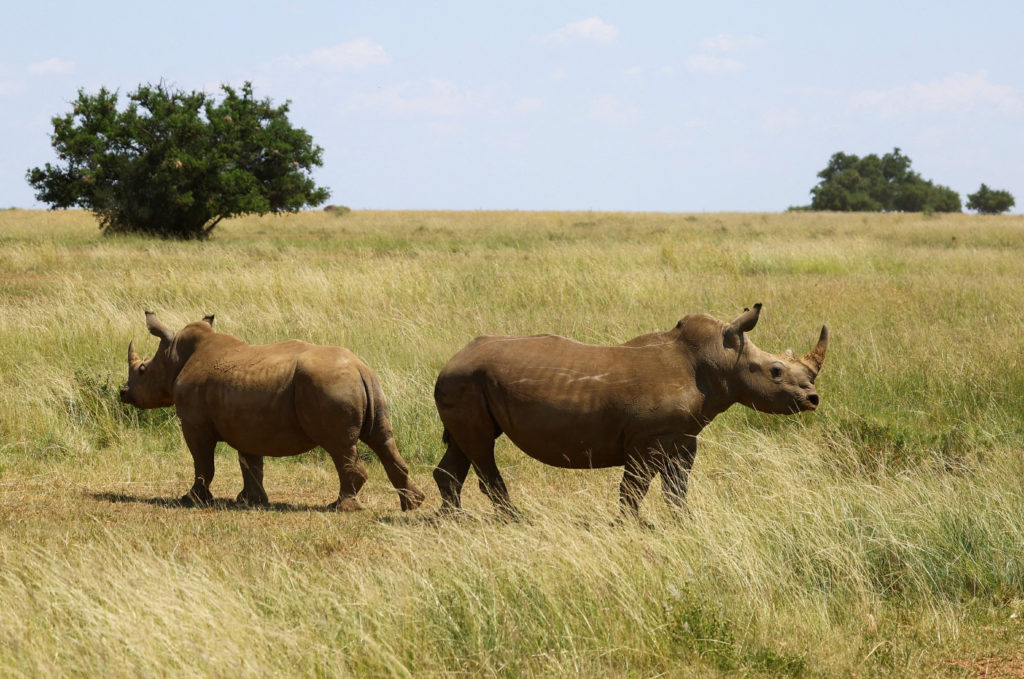
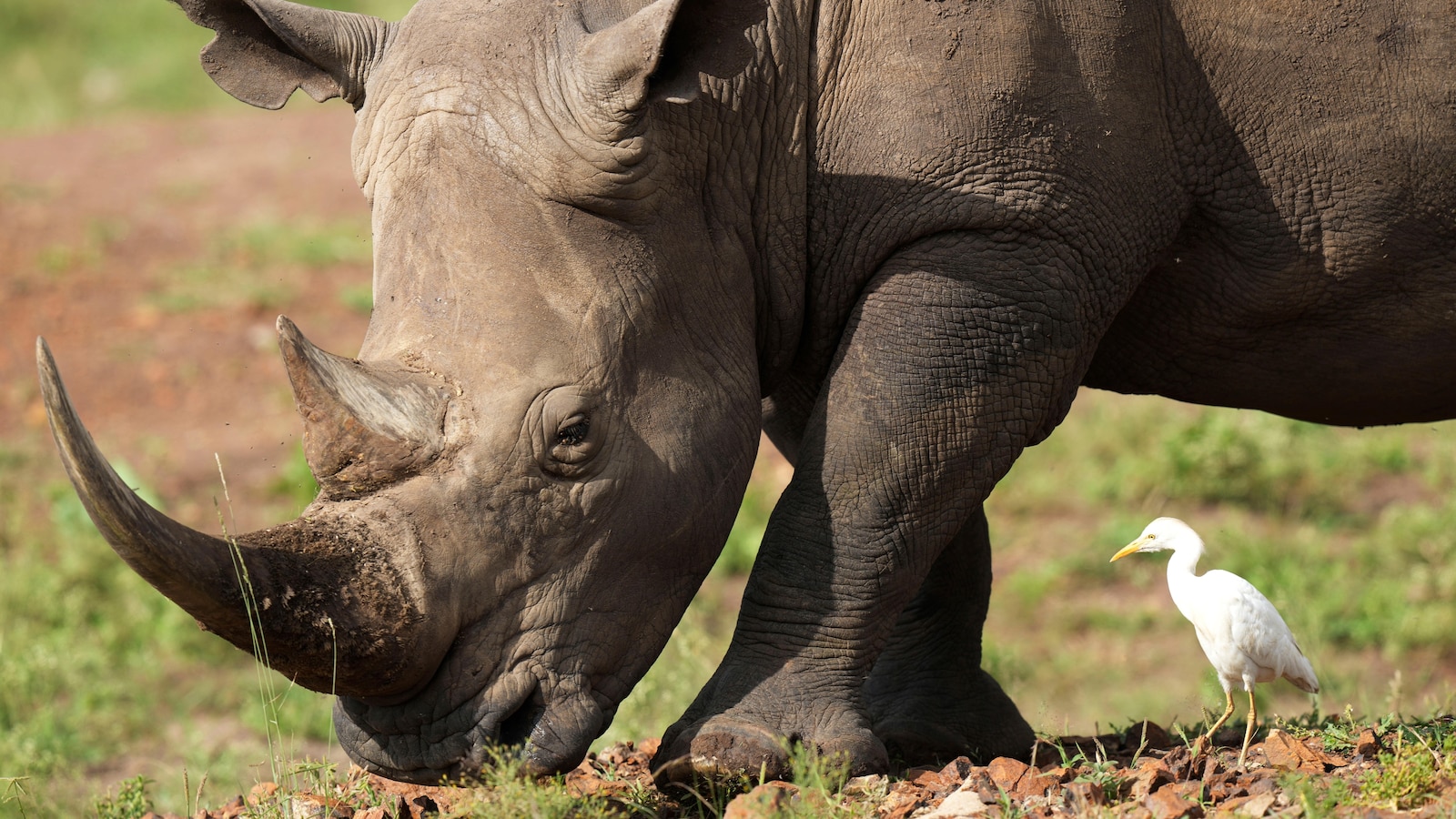
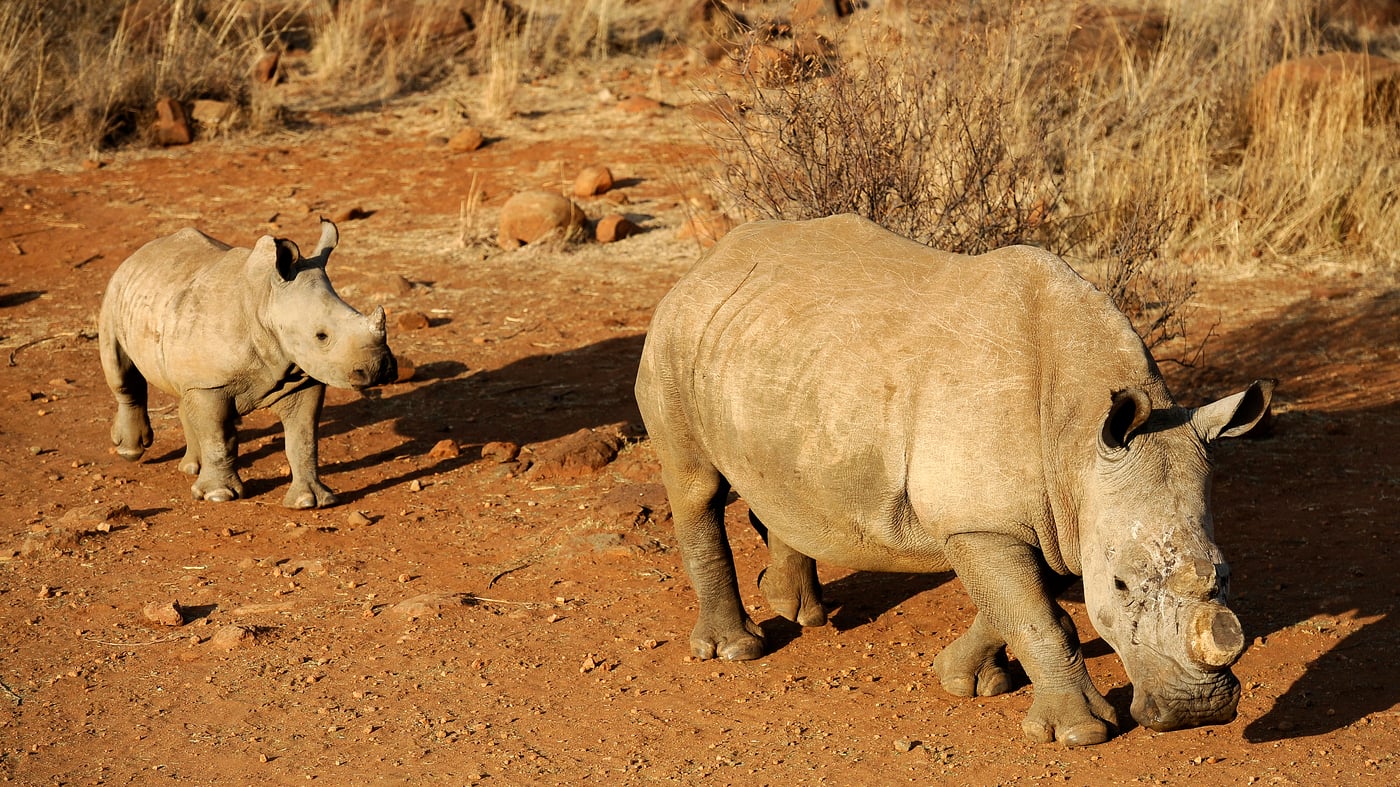
The white rhino population in Africa has rebounded for the first time in a decade, according to new figures from the International Union for Conservation of Nature (IUCN). The data shows that protection and biological management initiatives have led to a 5.6% increase in the white rhino population, reaching 16,803 individuals. The black rhino population has also risen by 4.2% to 6,487. However, poaching remains a significant threat to all rhino species, with poachers shifting their focus to more vulnerable populations. Climate change and human-wildlife conflict also pose risks to rhino conservation efforts. Efforts to combat poaching and increase conservation measures are crucial to ensure the continued growth of rhino populations.