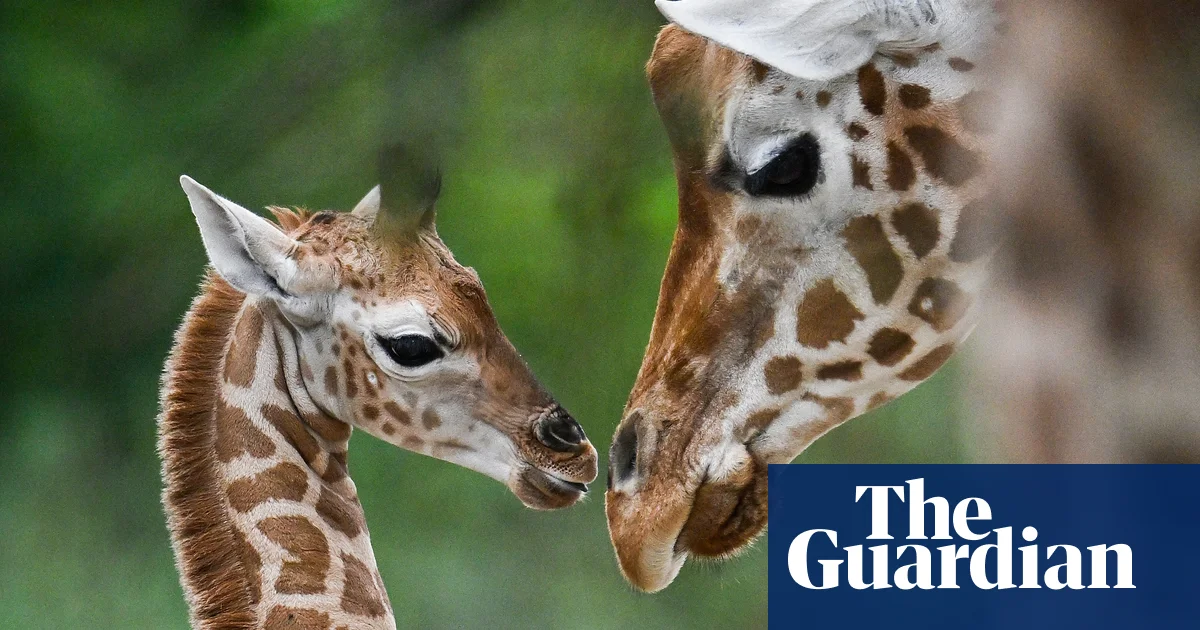
The US Fish and Wildlife Service has proposed listing giraffes under the Endangered Species Act for the first time, covering five subspecies. This move aims to combat poaching and habitat loss, which have significantly reduced giraffe populations. The listing will require permits for importing giraffe parts into the US and is expected to enhance conservation efforts. Environmental groups welcome the proposal, though they criticize the delay in action. The decision is open for public comment until February 2024, with a final rule expected thereafter.
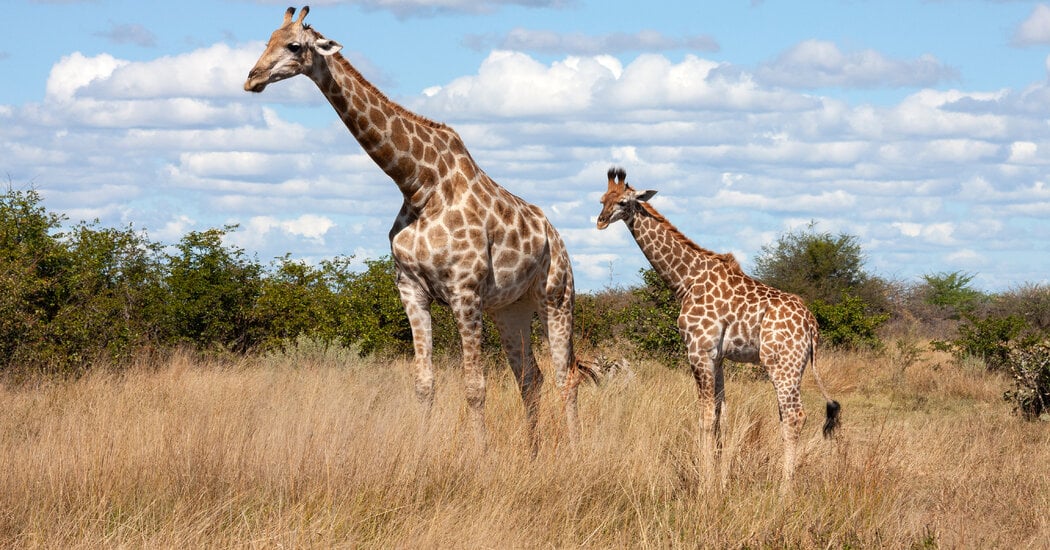
U.S. officials have proposed that giraffes be listed under the Endangered Species Act to provide them with greater protection due to declining populations and threats from habitat loss and poaching. This move by the U.S. Fish and Wildlife Service aims to enhance conservation efforts and ensure the survival of giraffes in the wild.
The Biden administration has finalized rules to restore protections for imperiled animals and plants that were weakened under the Trump administration, giving federal officials more leeway to protect species in a changing climate and bringing back protections for threatened species. The move has been praised as crucial for conserving and recovering imperiled species, but has faced criticism from Republicans, industry groups, and states wanting more control over wildlife management, with expectations of lawsuits to follow.
Sam Bankman-Fried, the disgraced cryptocurrency king, has been sentenced to 25 years in federal prison for defrauding customers and investors, a bridge recovery mission is underway after a cargo ship destroyed Baltimore’s Key Bridge, the Biden administration strengthened protections of the Endangered Species Act, Pope Francis broke tradition by washing women's feet during a prison visit, and the Sweet 16 teams are set for the men’s and women’s March Madness tournaments.
The Biden administration has reinstated rules to protect endangered plants and animals that were previously rolled back under the Trump administration. The changes include reinstating blanket protections for newly classified threatened species and not considering economic impacts when deciding if animals and plants need protection. While Republicans argue that the Endangered Species Act is outdated and hampers economic development, environmentalists see the restoration of these protections as a marginal win, although some changes made under Trump remain in place.
The Biden administration has reinstated rules to protect imperiled plants and animals that were rolled back under the Trump administration, including blanket protections for newly classified threatened species and a rule that excludes economic impacts from consideration when deciding if animals and plants need protection. The move has drawn criticism from Republicans who argue that the Endangered Species Act hampers economic growth, while environmentalists express frustration that some of the Trump-era rollbacks remain in place. The rules are seen as a step towards using the best available science to address population declines and threats to wildlife.
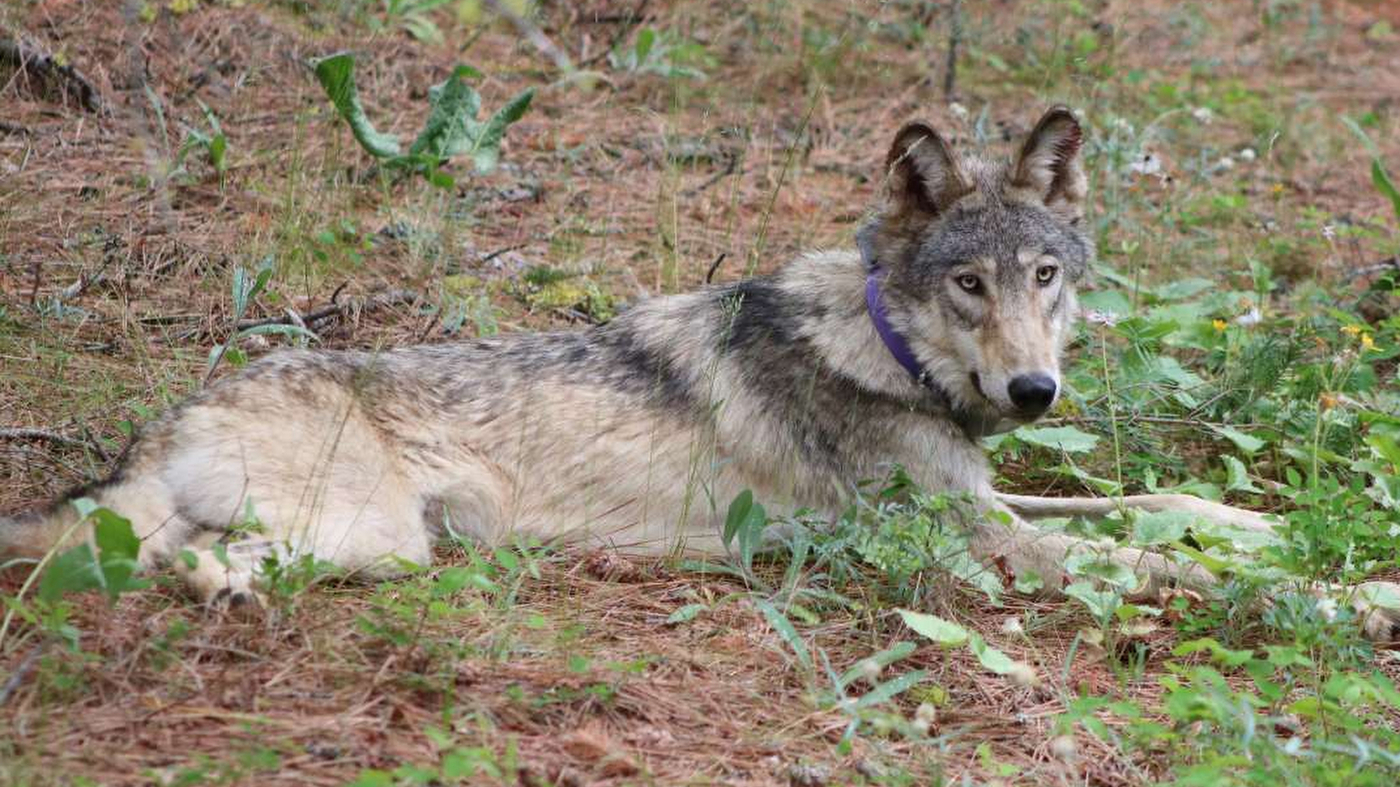
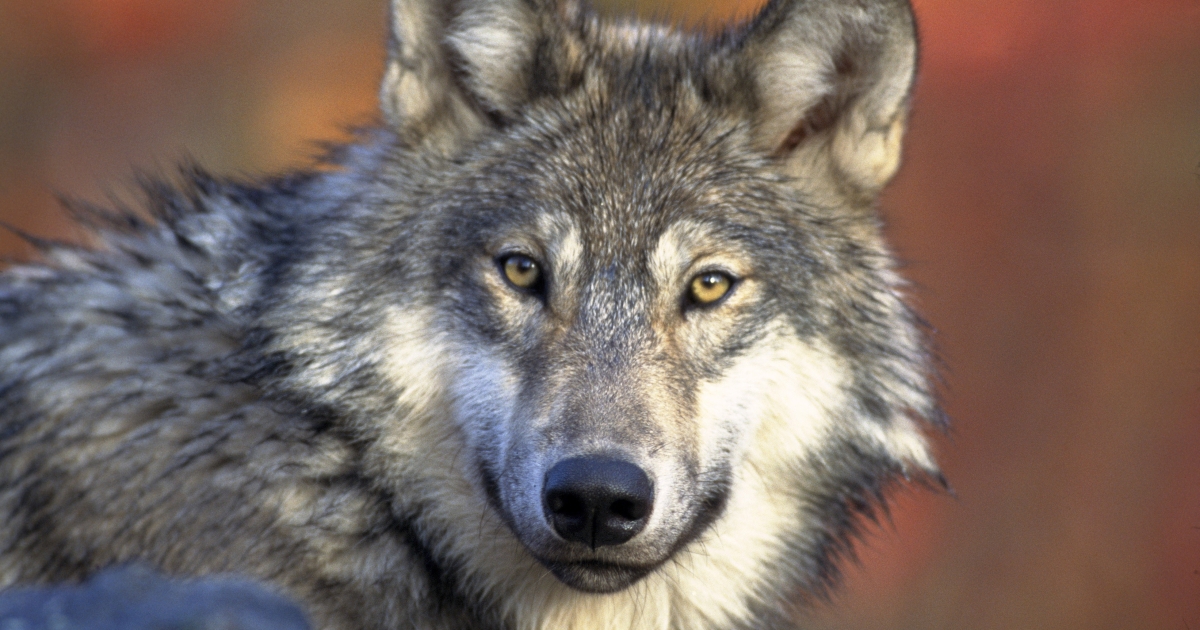
The U.S. Fish and Wildlife Service has completed a status review and announced a National Recovery Plan for gray wolves in the Western United States, emphasizing the need for a comprehensive approach to conservation involving federal, state, and Tribal governments. Following an extensive assessment, the Service found that gray wolves are not at risk of extinction in the Western United States and will not be listed under the Endangered Species Act. The Service will develop a nationwide gray wolf recovery plan by December 2025 and engage in a national dialogue on coexistence with wolves. Collaboration with states and Tribes will be crucial in ensuring the long-term conservation and acceptance of gray wolves on the landscape.
A report by AP News highlights the uneven distribution of conservation funds under the Endangered Species Act, with a significant portion directed towards a few species like salmon and steelhead trout, while many others, including plants and less charismatic animals, receive little to no funding. This disparity has left many species neglected and at risk of extinction despite the increasing threats from climate change. Some experts suggest reallocating funds to support a broader range of species with more cost-effective recovery plans. The recent climate law signed by President Biden includes additional funding to address some of these issues, aiming to create recovery plans for more species and support historically underfunded groups.
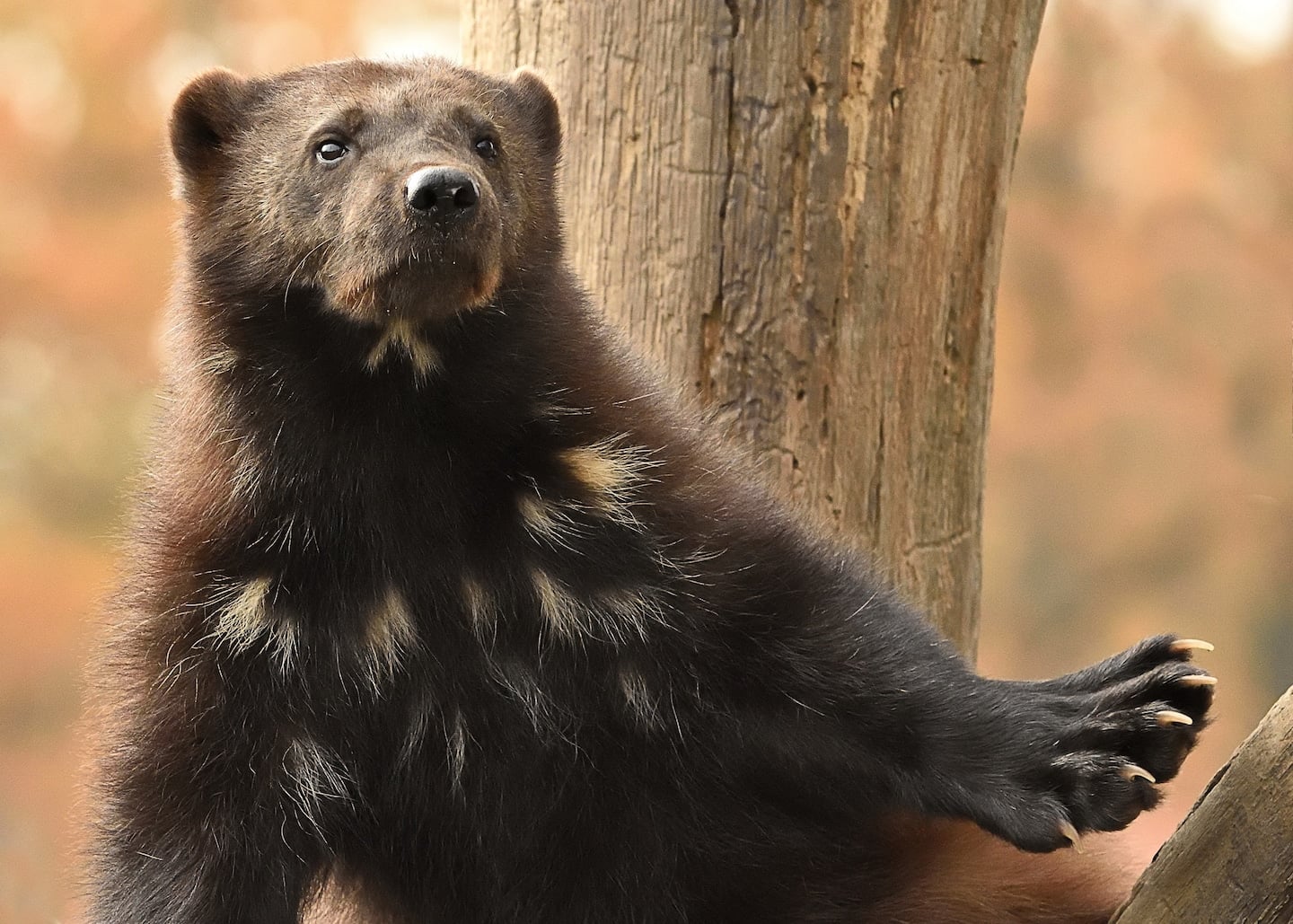
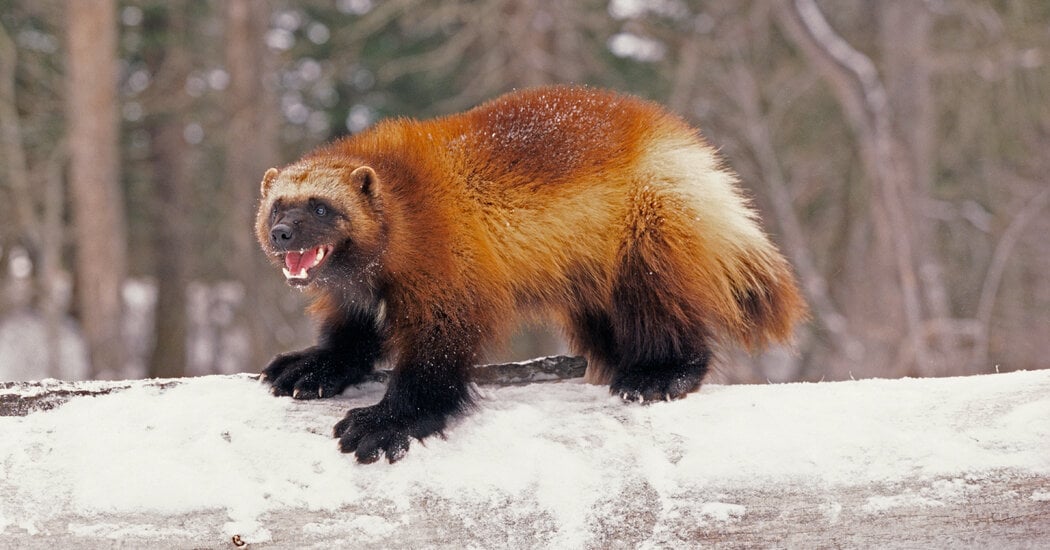
Wolverines in the Lower 48 states of the United States have been added to the list of species threatened with extinction under the Endangered Species Act due to the impact of climate change. As temperatures rise, the wolverine's habitat is shrinking, making it difficult for the animal to find deep mountain snow for denning and protecting its young. The decision comes after a long legal battle and highlights the debate over human-animal coexistence and the role of federal protection. Wolverines, known for their ferocity and curiosity, were nearly wiped out in the past but have made a modest recovery with a population of around 300 in the northern Rocky and Cascade mountains. However, their future is uncertain as their secluded, snowy habitat diminishes due to global warming.
Wolverines in the contiguous United States will be listed under the Endangered Species Act due to threats from climate change and habitat fragmentation. With an estimated population of only 300, wolverines inhabit areas of the Northern Rocky Mountains and Northern Cascades in Montana, Idaho, Wyoming, Washington, and Oregon. The decision comes after new research highlighted concerns about low genetic diversity and the impact of backcountry winter recreation on wolverines. The move is the result of a quarter-century campaign by wildlife advocates, who hope the listing will help wolverines survive and recover.
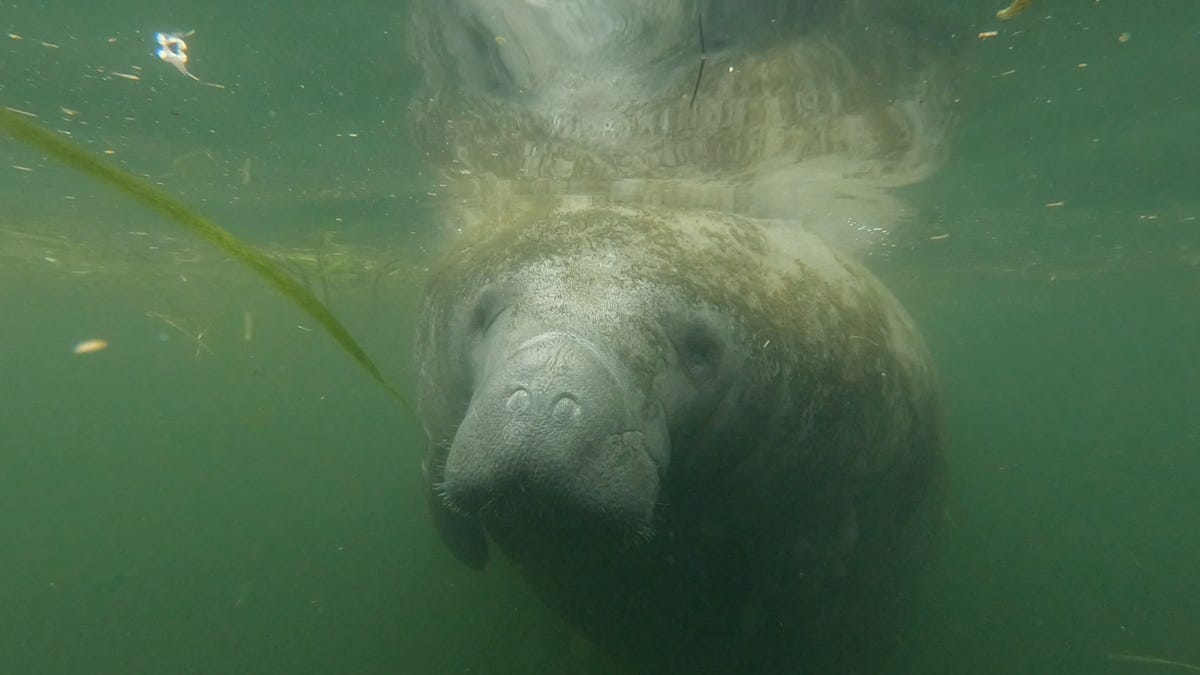
The U.S. Fish and Wildlife Service is reviewing the status of the West Indian manatee, including populations in Florida and Puerto Rico, after a recent manatee die-off and petitions from environmental organizations. Despite being reclassified as "threatened" in 2017, manatees still face challenges such as boat strikes, habitat loss, and cold stress. Water quality issues, including algal blooms, remain a top concern, as they can cut off the manatees' food supply. Conservation efforts, including rescuing orphaned calves and rehabilitating them for release, are ongoing to help protect and preserve the manatee population.
"Tiger King" star Doc Antle has pleaded guilty to federal charges of wildlife trafficking and money laundering. Antle, who was featured in the popular Netflix documentary series, directed the sale or purchase of protected animals, including cheetah cubs, lion cubs, tigers, and a chimpanzee. He used cash payments and falsified paperwork to hide the transactions and requested payments for endangered species to be made to his nonprofit. Antle also conducted money laundering activities with a coconspirator. He faces a maximum penalty of five years in prison, a fine of up to $250,000, and three years of supervised release for each count.
Doc Antle, the owner of Myrtle Beach Safari and a prominent figure in the Netflix series "Tiger King," has pleaded guilty to conspiracy to violate the Lacey Act and conspiracy to launder money. Court documents reveal that Antle trafficked protected animals, including cheetahs, lions, tigers, and a chimpanzee, and used bulk cash payments to hide the transactions. He also falsified paperwork and requested payments for endangered species to be made as "donations" to his nonprofit. Antle now faces a maximum penalty of five years in prison, a fine of up to $250,000, and three years of supervised release.
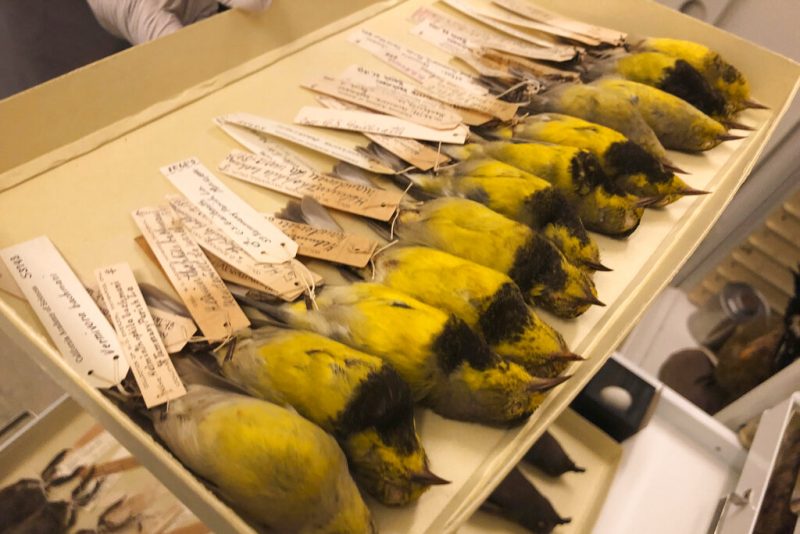
The U.S. Fish and Wildlife Service has declared 21 species, including birds, a bat, and several mussels, as extinct. These species were previously on the national list of threatened and endangered species. Factors such as habitat destruction, climate change, pollution, invasive species, and inadequate conservation efforts have contributed to their decline. While 99% of animals on the endangered and threatened list have not reached extinction, this serves as a reminder of the importance of conserving imperiled species before it's too late.
The U.S. Fish and Wildlife Service has delisted 21 species from the Endangered Species Act, declaring them extinct. These species, including birds and mussels, were first listed as endangered in the 1970s and 1980s and have not been seen since. The delisting highlights the need for conservation efforts to protect imperiled species before it's too late. Among the extinct species are the Kauai nukupuu, last seen in 1899, and the tubercled-blossom pearly mussel, last spotted in 1969. The final rule to delist these species will be published in the Federal Register and take effect after 30 days.