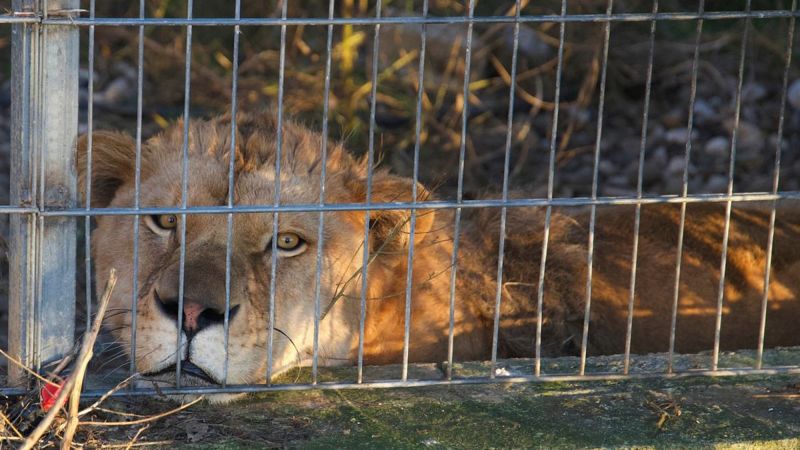
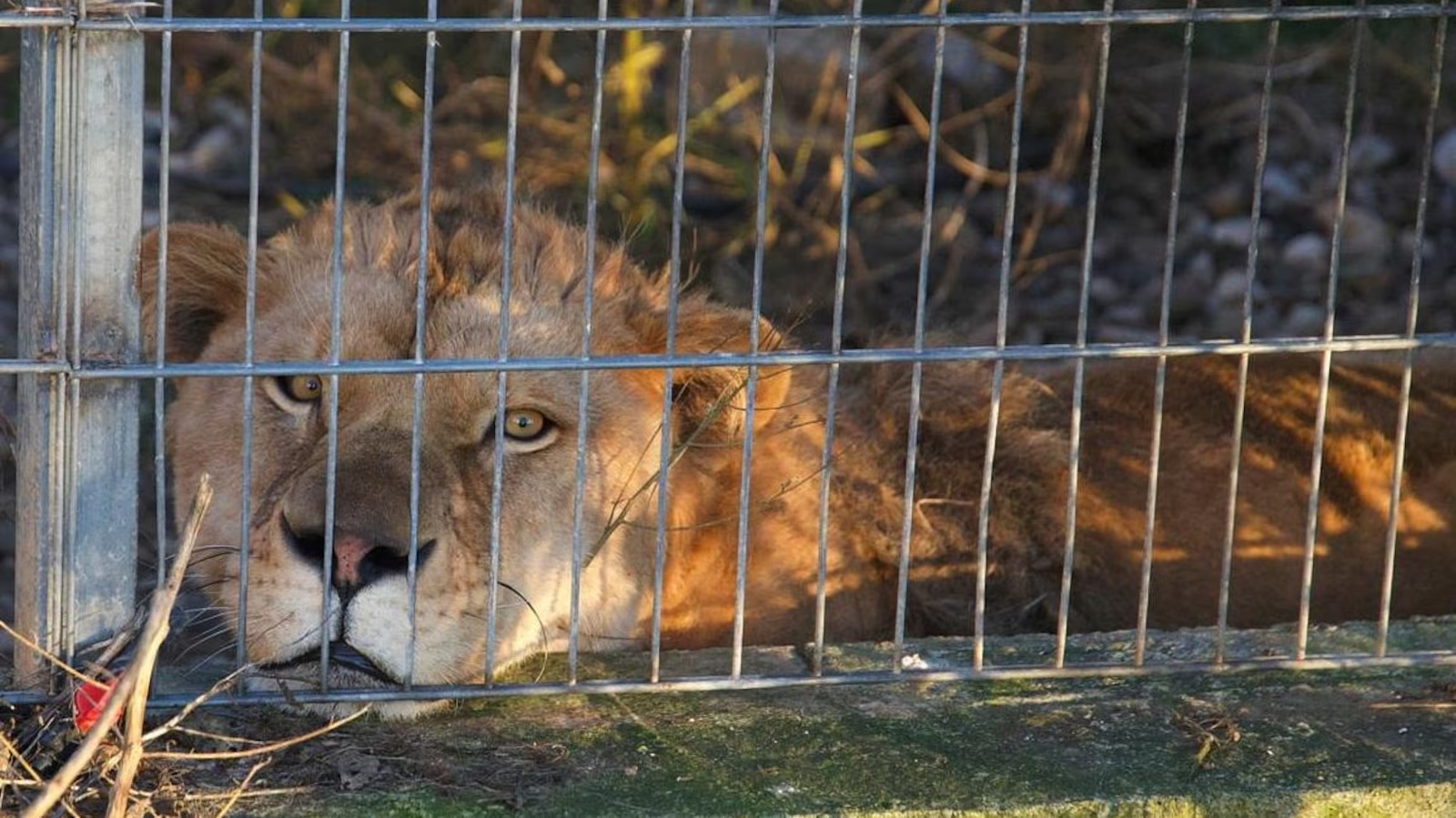
A lion and a bear rescued from illegal captivity in Albania have been relocated to wildlife sanctuaries in Germany, highlighting ongoing issues with illegal wildlife trade and private pet ownership in the region.
A lion and a bear rescued from illegal captivity in Albania have been relocated to wildlife sanctuaries in Germany, highlighting ongoing issues with illegal wildlife trade and weak legislation in Albania. The animals, in poor health, are now receiving care and starting new lives in species-appropriate environments, thanks to the efforts of FOUR PAWS and authorities.
U.S. border agents seized 163 exotic creatures, including pythons, tarantulas, and other reptiles and spiders, hidden in a truck headed to Mexico, highlighting ongoing wildlife smuggling issues at the border.
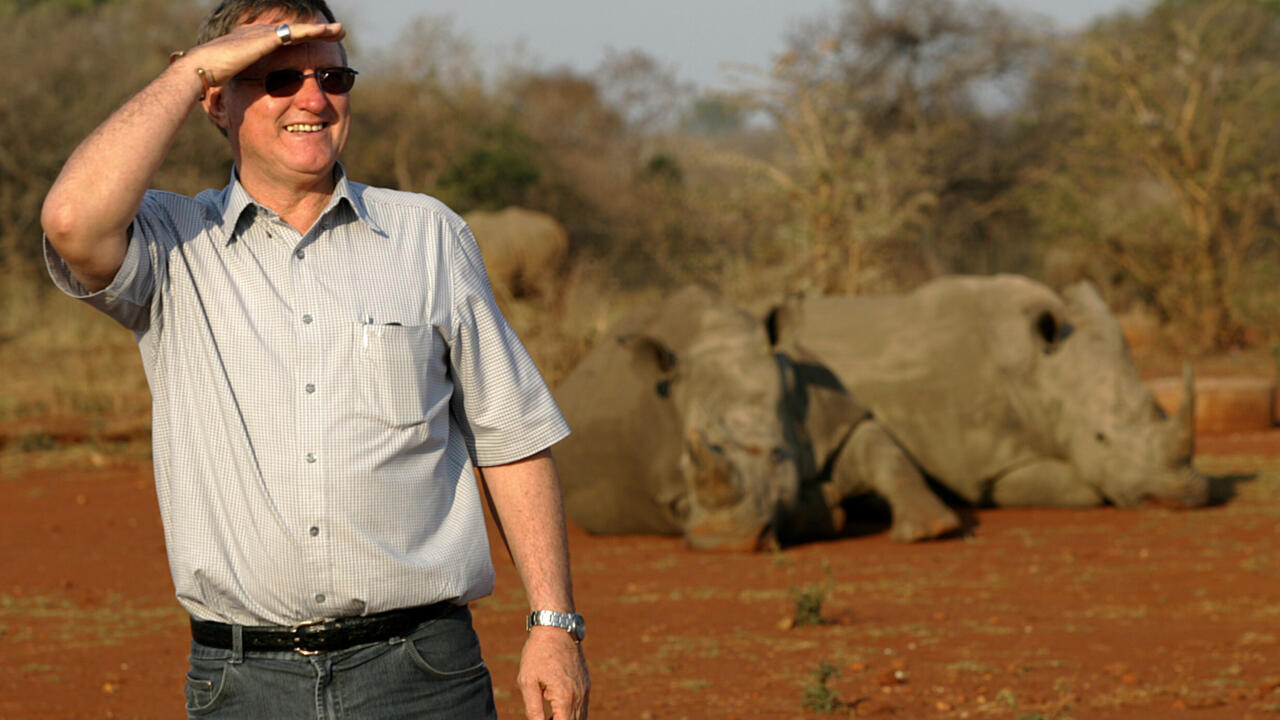
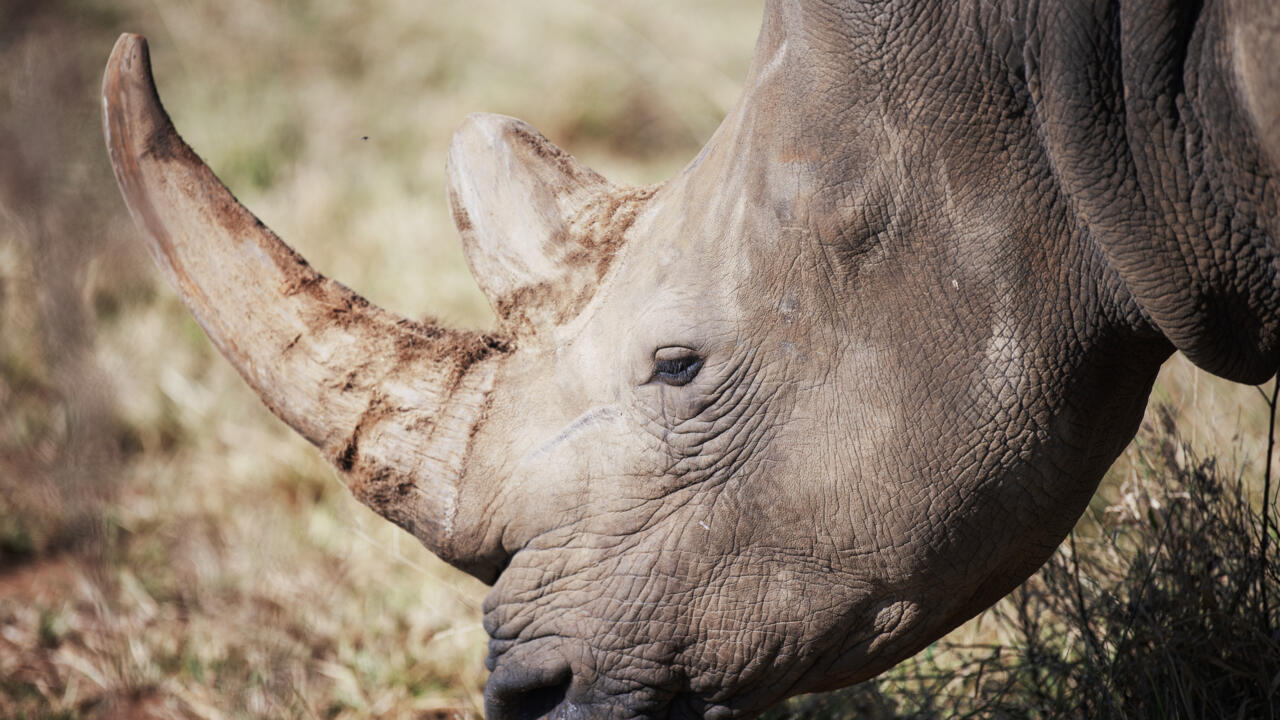
John Hume, the former owner of the world's largest rhino farm, was arrested along with five others in a complex investigation into transnational rhino horn trafficking, involving fraud and illegal export to Southeast Asia, despite local laws prohibiting such exports; Hume previously gained attention for a controversial online auction of rhino horns.
Prince William addressed the urgent need to combat illegal wildlife trade during a United for Wildlife summit in Cape Town, highlighting the profound impact of wildlife crime. He announced a new life insurance initiative for 10,000 anti-poaching rangers across Africa, emphasizing their critical role in conservation and community support. The prince also paid tribute to Anton Mzimba, a ranger killed by poachers, and discussed the global shortage of rangers needed to meet conservation goals. His visit to South Africa also includes promoting the Earthshot Prize for sustainable projects.
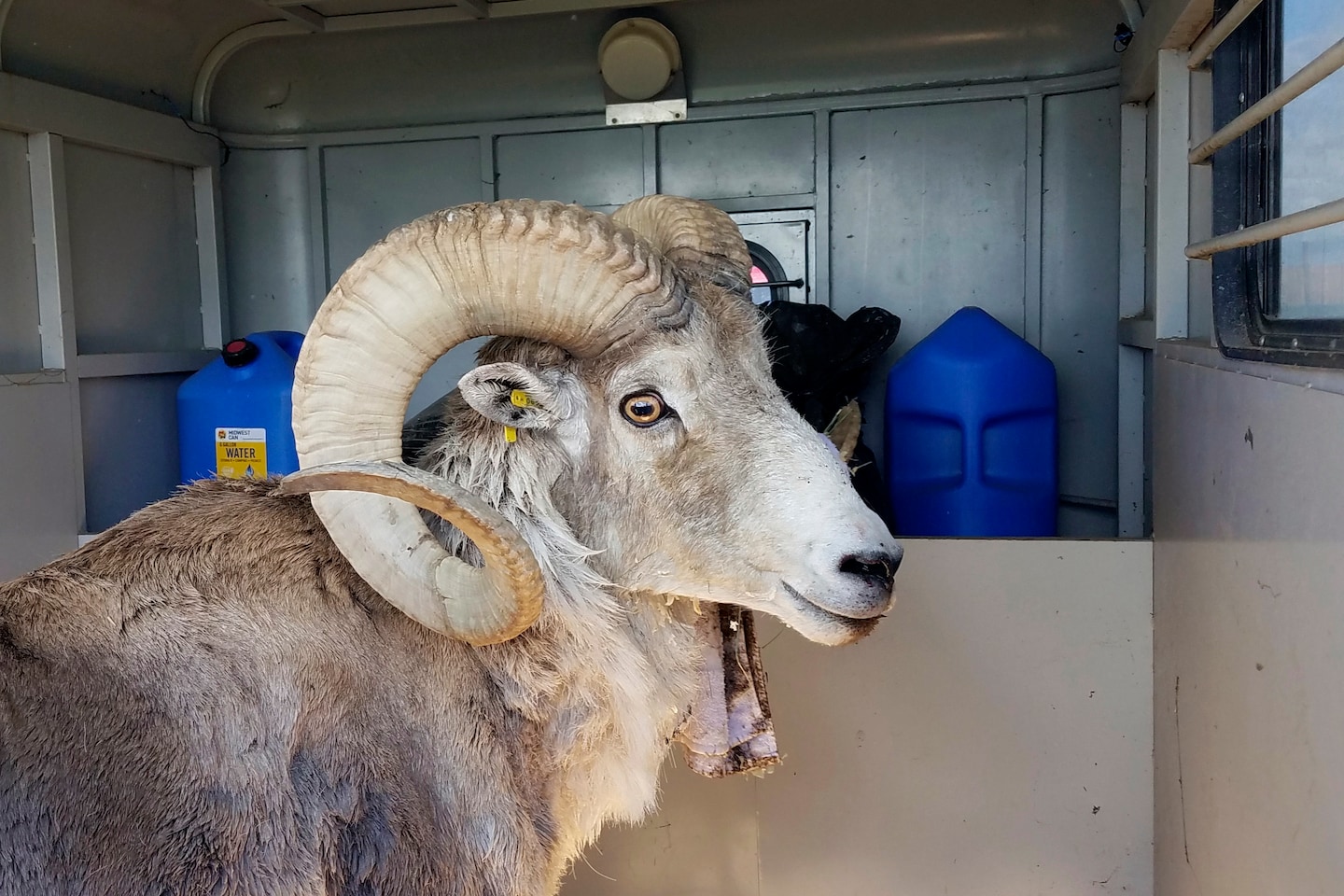
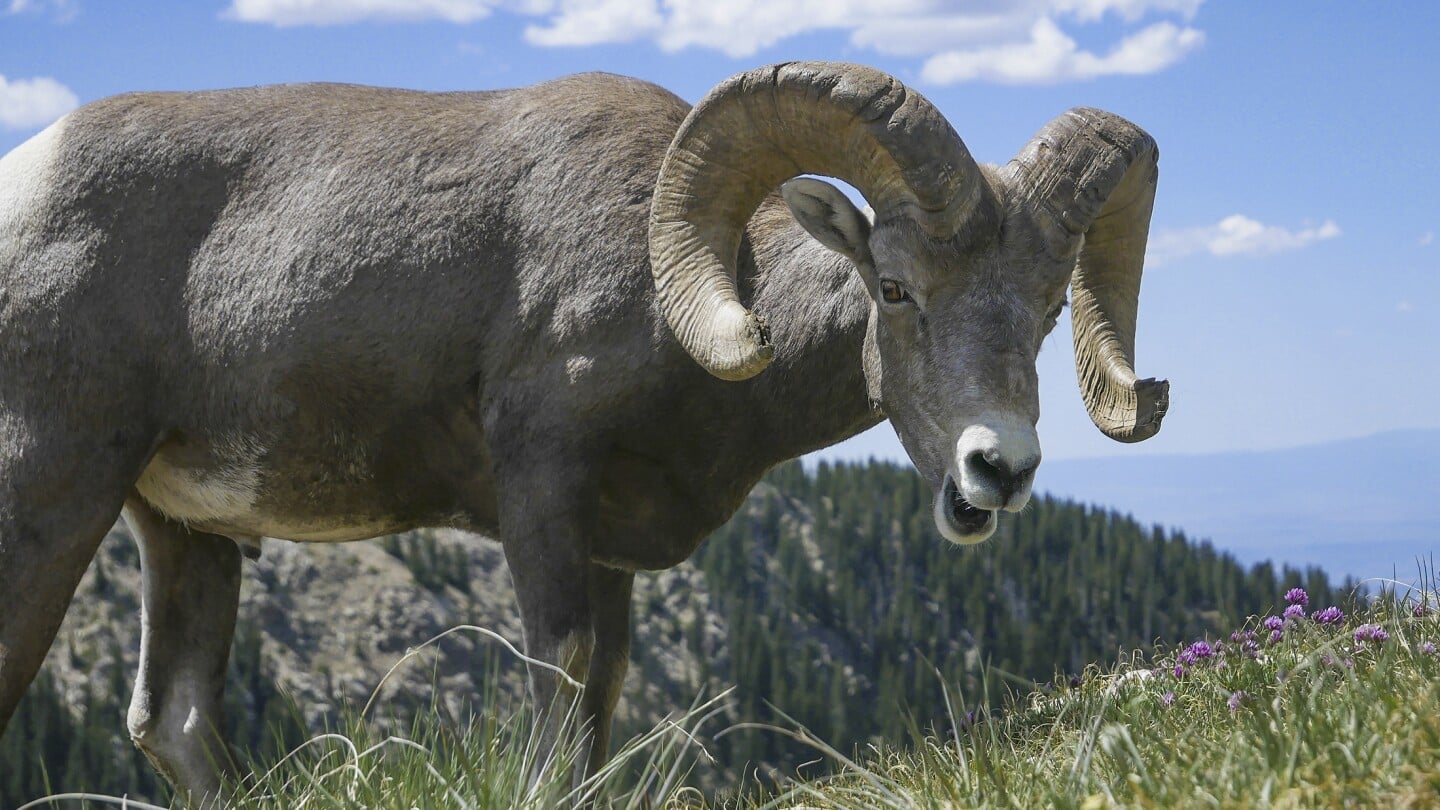
Montana rancher illegally created giant hybrid sheep by using genetic material from the threatened Marco Polo argali sheep, selling them for hunting at high prices. Arthur “Jack” Schubarth, 80, pleaded guilty to felony wildlife counts and faces up to 10 years in prison and fines of up to $500,000. He created more than 150 cloned embryos and successfully bred a male Marco Polo argali, selling its offspring for $10,000. Schubarth's scheme violated state and federal laws, potentially threatening the integrity of wildlife species in Montana. He is set to be sentenced on July 11.
Montana rancher Arthur “Jack” Schubarth pleaded guilty to illegally using tissue and testicles from wild sheep to breed “giant” hybrids for sale to private hunting preserves, resulting in felony charges of wildlife trafficking and conspiracy to traffic wildlife. Schubarth's audacious scheme involved creating massive hybrid sheep species using cloned embryos and extracted semen, violating the Lacey Act. As part of a plea deal, he agreed to quarantine and potentially neuter the animals, while his ranch, licensed as an alternative livestock facility, remains operational despite hunting being prohibited.
South Africa reported a sharp increase in rhino poaching, with almost 500 animals killed in 2023, mostly in state-run parks, driven by demand from Asia for their horns. Conservationists are alarmed and calling for urgent deployment of more resources to tackle poaching rings, particularly in eastern KwaZulu-Natal province, where the Hluhluwe–Imfolozi park alone lost 307 animals. While there has been some success in tightening security in certain areas, the poaching crisis continues to threaten the rhino population, despite recent gains in rhino numbers across Africa.
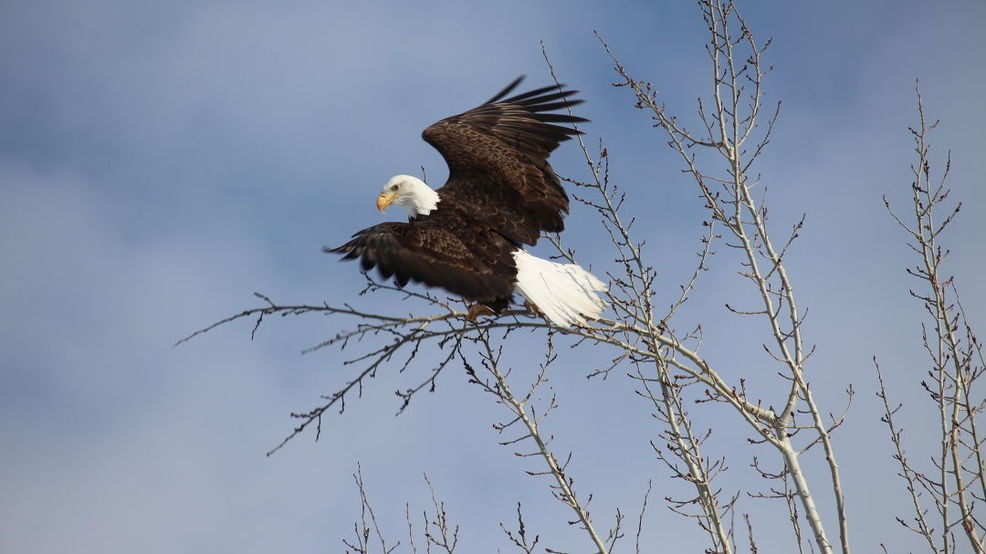
Two men, Simon Paul and Travis John Branson, have been indicted on felony charges for conspiring and illegally trafficking bald and golden eagles. The indictment alleges that they killed approximately 3,600 birds on the Flathead Indian Reservation and sold them on the black market across the United States. Court documents reveal messages from Branson boasting about committing felonies and engaging in a "killing spree." The Confederated Salish and Kootenai Tribes, who initiated the investigation, express concern over the impact on the raptor population and emphasize the cultural and spiritual significance of eagles. The charges carry significant imprisonment and fines, sending a message that such illegal activities will not be tolerated.
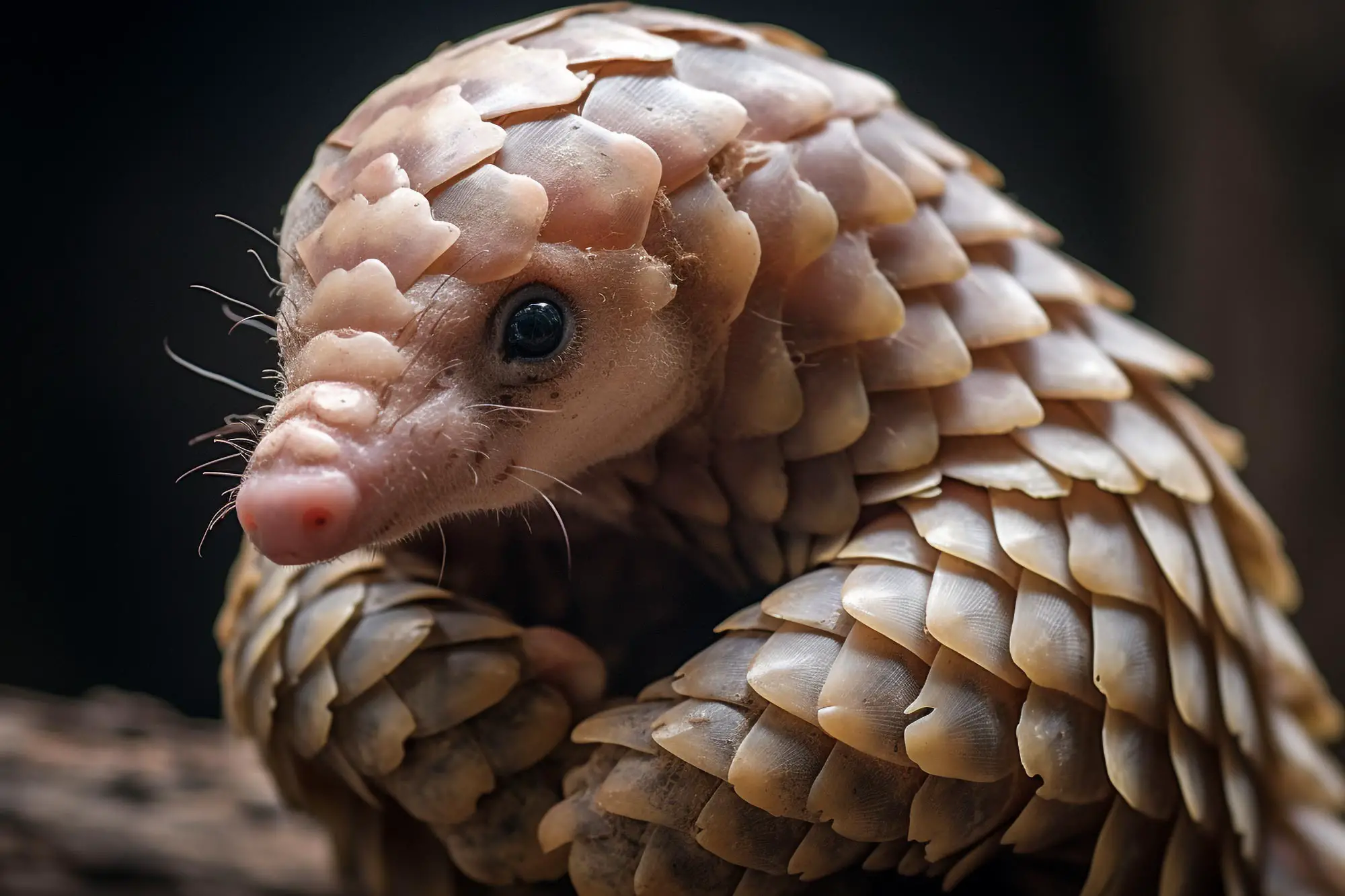
A new study published in Molecular Biology and Evolution has provided a comprehensive genomic database for pangolins, aiding in their conservation efforts. Pangolins, the most trafficked wild mammals on Earth, are at risk due to hunting and habitat destruction. The research sequenced multiple pangolin species, identified a potential new species, and will help track illegal pangolin trade. The genomic data will provide insights into their evolution and contribute to conservation priorities and management plans.
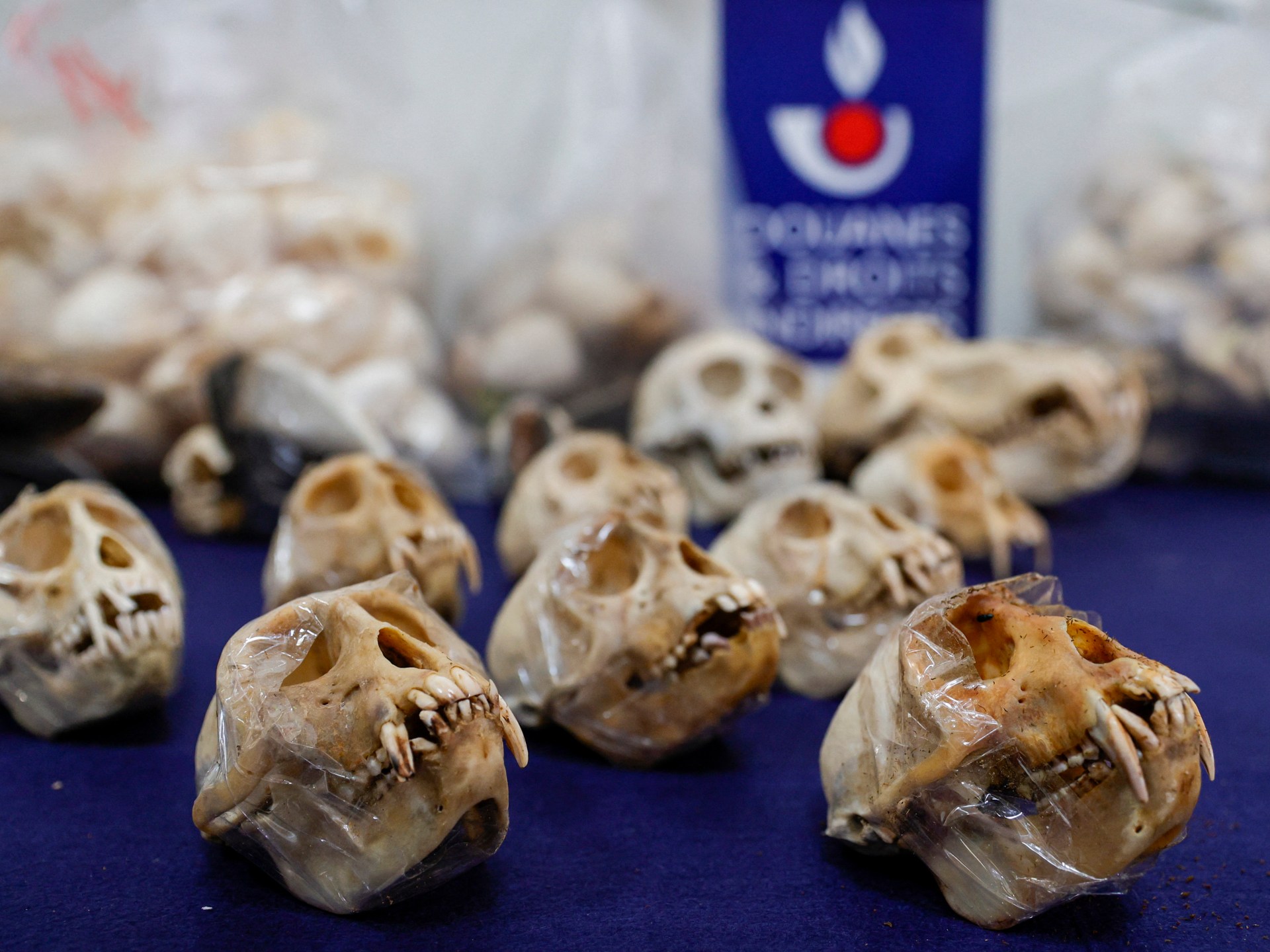
Customs officials at Charles de Gaulle Airport in Paris seized nearly 400 primate skulls, mostly from Cameroon, over a seven-month period in 2022. The skulls were destined for recipients in the United States, likely collectors and hunting clubs, where they are given as gifts or prizes. The illegal trade in protected species, including primates and other animals, generates billions of euros annually. The seized skulls will be evaluated by the Museum of Natural History in Aix-en-Provence. Wildlife experts express concern over the decimation of endangered biodiversity and call for stronger conservation efforts.
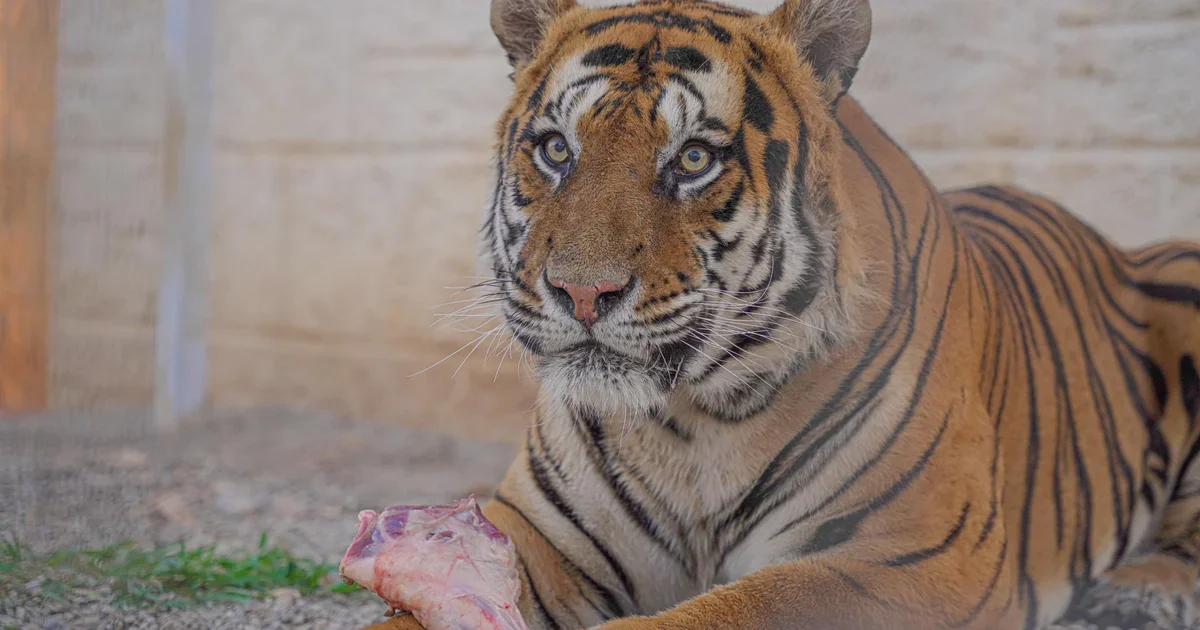
Mexican authorities seized a large collection of exotic animals, including 10 tigers, 6 jaguars, 5 lions, and other species in a cartel-dominated town in the western state of Jalisco. The animals were found in pens, stalls, and cages over a wide area and were presumed to have been held illegally. The township of La Barca, Jalisco, has been the scene of mass graves and cartel executions in the past. Mexican narcos' fascination with exotic animals has long been known, and in most cases, seized animals are taken to private or public zoos or reserves where they can receive the proper attention.
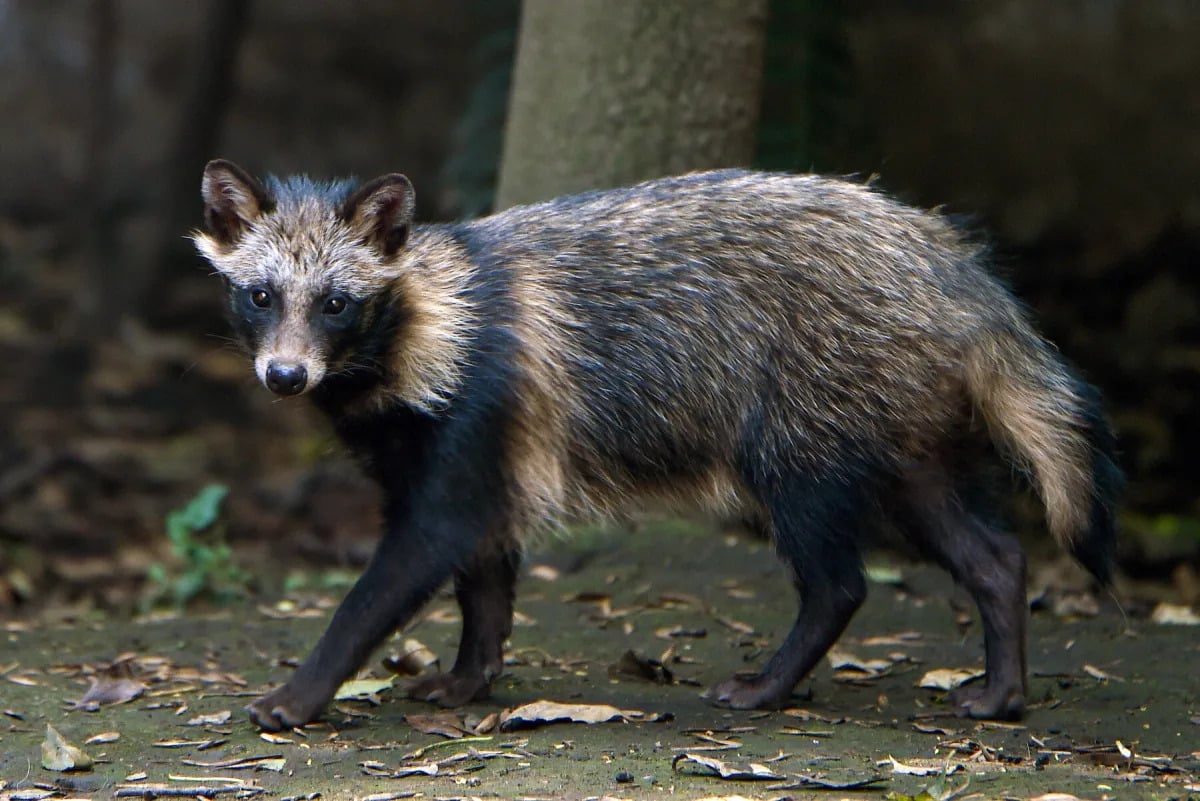
Genetic data from swabs taken from the Huanan Seafood Wholesale Market in Wuhan, China, has linked the coronavirus with raccoon dogs for sale there, adding evidence to the case that the pandemic could have been ignited by an infected animal that was being dealt through the illegal wildlife trade. The genetic data was drawn from samples taken from the market in January 2020, shortly after Chinese authorities had shut down the market because of suspicions that it was linked to the outbreak of a new virus.