Yann LeCun criticized Meta's hiring of young AI researcher Alexandr Wang, calling him inexperienced and predicting more departures from Meta's AI team, amid internal frustrations and setbacks with AI projects like Llama.
Yann LeCun criticized Meta's hiring of young AI researcher Alexandr Wang, calling him inexperienced and questioning Meta's focus on large language models, predicting more AI employee departures and expressing skepticism about the company's AI strategy.
The article discusses the recent cracking of Spotify's DRM, enabling large-scale downloading of music, which raises concerns about piracy, research datasets, and the music industry's response. It highlights the ideological motivations behind archiving efforts like Anna's Archive, debates the value and impact of piracy on artists and the industry, and touches on the broader implications for digital rights, AI training, and cultural preservation.
Originally Published 2 months ago — by Hacker News
Yann LeCun is leaving Meta to start an AI company focused on 'world models,' amidst a broader industry shift from long-term research to product development with existing models like LLMs, raising questions about the future of fundamental AI research and innovation.
Microsoft has established a new team focused on developing 'humanist superintelligence,' aiming to create advanced AI that benefits humanity, after ending restrictions from its OpenAI partnership. Led by Mustafa Suleyman, the initiative emphasizes safe, long-term AI progress and contrasts with rival efforts by Meta and OpenAI, with a focus on responsible innovation and strategic independence.
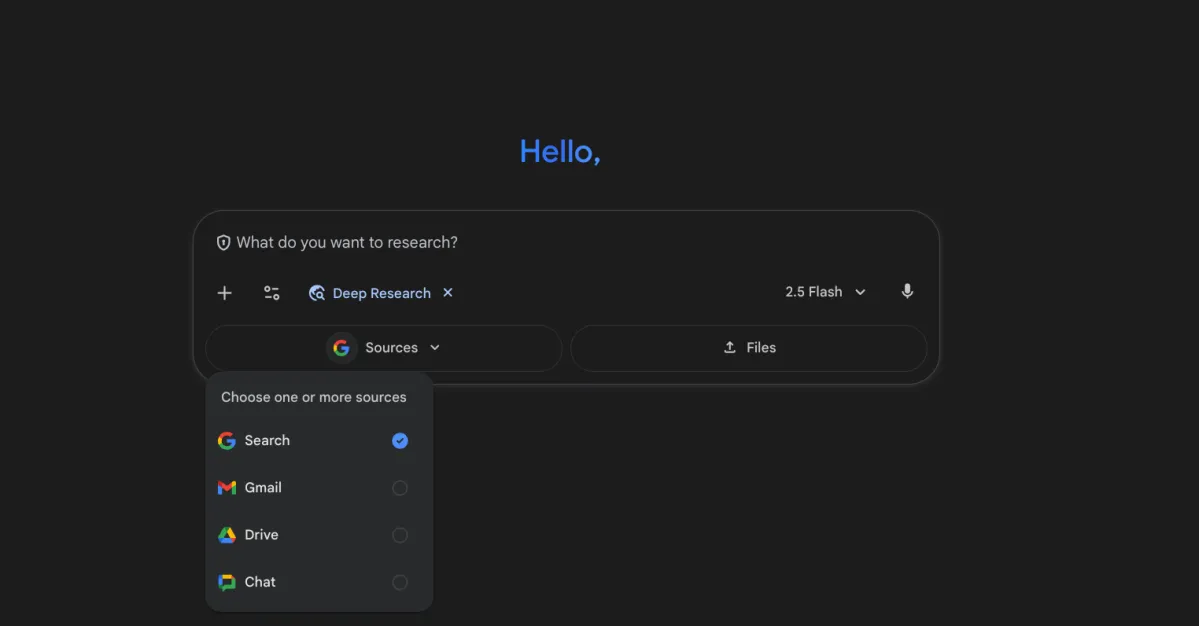
Google Gemini's new Deep Research feature can now access users' emails, Drive documents, and chats to generate detailed research reports, enhancing productivity tools but raising privacy considerations. The feature is currently desktop-only and will soon be available on mobile.
Researchers from Texas A&M, the University of Texas, and Purdue University have proposed the 'LLM brain rot hypothesis,' suggesting that training large language models on low-quality 'junk' data, such as trivial or sensationalist tweets, can cause lasting cognitive decline in these models, similar to human attention and memory issues caused by internet overuse.
Recent developments and expert opinions suggest that achieving Artificial General Intelligence (AGI) with current Large Language Models (LLMs) is unlikely in the near future, as fundamental challenges like distribution shift remain unresolved and recent AI advancements have fallen short of expectations.
A prominent Chinese AI researcher, Yao Shunyu, left Anthropic due to its anti-China stance and joined Google DeepMind, highlighting tensions in the global AI research community related to geopolitical issues.
The US and UK reaffirm their strong alliance through the Second State Visit, signing the Technology Prosperity Deal to advance AI, quantum computing, and nuclear energy, while also strengthening defense collaborations and economic ties, including significant investments and joint research initiatives.
Apple researchers developed an efficient video understanding model, SF-LLaVA-1.5, based on SlowFast-LLaVA, which outperforms larger models in long-form video analysis by using a two-stream approach and training on public datasets, while also handling image tasks effectively.
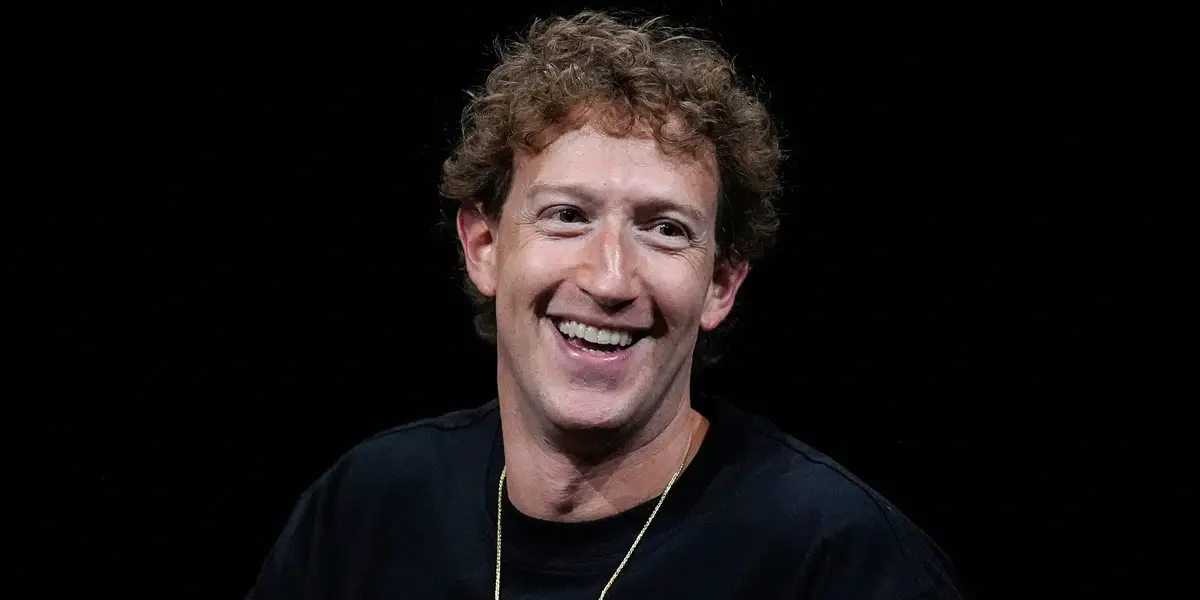
Meta CEO Mark Zuckerberg is adopting a 'startup mode' by emphasizing small, talent-dense teams, particularly in its new superintelligence AI unit, to drive innovation and stay competitive in AI development. This approach reflects a broader trend across Silicon Valley, though questions remain about its effectiveness in large organizations.
Meta continues its aggressive AI hiring spree by recruiting multiple researchers from Apple, including Frank Chu, despite a company-wide hiring freeze, as it reshapes its AI division amidst internal chaos and challenges in catching up with competitors like Apple.
Meta has paused hiring in its AI division following a recent restructuring and a significant poaching spree, as the company reorganizes its AI efforts into four new groups amidst intense competition for AI talent.
Meta is restructuring its AI division into four new groups under the Meta Superintelligence Labs, with a focus on foundation models like Llama, in an effort to compete with rivals such as OpenAI and Google DeepMind. The reorganization includes a new group called TBD Labs, led by Chief AI Officer Alexandr Wang, emphasizing research, product integration, and infrastructure.