Tag

Plastic Recycling

All articles tagged with #plastic recycling

science14 days ago

Top Scientific Breakthroughs and Records of 2025

In 2025, groundbreaking discoveries across multiple fields included proving the universe isn't a simulation due to computational limits, developing a highly efficient plastic-to-fuel process, uncovering ancient Neolithic tombs in Poland, rediscovering a rare 'living fossil' mammal in Indonesia, achieving a fusion milestone with helium-3, creating the strongest-ever polymer armor, and solving a century-old wind turbine efficiency problem, all of which significantly advanced human understanding and technology.

science-and-technology2 months ago

Revolutionary Infinite Energy Source Promises Unlimited Power

Scientists have developed a new, more efficient method of converting plastic waste into fuel using pyrolysis, a process that heats plastic to high temperatures without oxygen. This breakthrough could potentially turn the massive plastic pollution problem into a nearly endless energy source, though concerns about its energy consumption and environmental impact remain.

world5 months ago

Atlanta Inventor Julian Brown Disappears After Plastoline Breakthrough

Julian Brown, a 21-year-old Atlanta inventor known for his plastic-to-gas technology, is not missing but is keeping a low profile for safety reasons, according to his mother. Rumors and social media speculation about his disappearance and potential danger have circulated, fueled by his last posts mentioning being under attack and a mysterious helicopter. Brown's mother confirmed he is safe but did not disclose further details, suggesting he may be in hiding due to perceived threats related to his innovative work.

health-and-environment1 year ago

Are Your Black Plastic Kitchen Utensils Safe?

A study published in "Chemosphere" reveals that black plastic kitchen utensils and other household items may contain toxic brominated flame retardants (BFRs) due to contamination from recycled electronic waste. These chemicals, which are persistent, bioaccumulative, and toxic, pose health risks such as hormone disruption and thyroid dysfunction. The study highlights the challenges in recycling black plastics and suggests using alternative materials like wood or stainless steel for kitchenware. Policy changes are needed to address the recycling of e-waste to prevent such contamination.

environment1 year ago

The Truth About Amazon's "Recyclable" Packaging

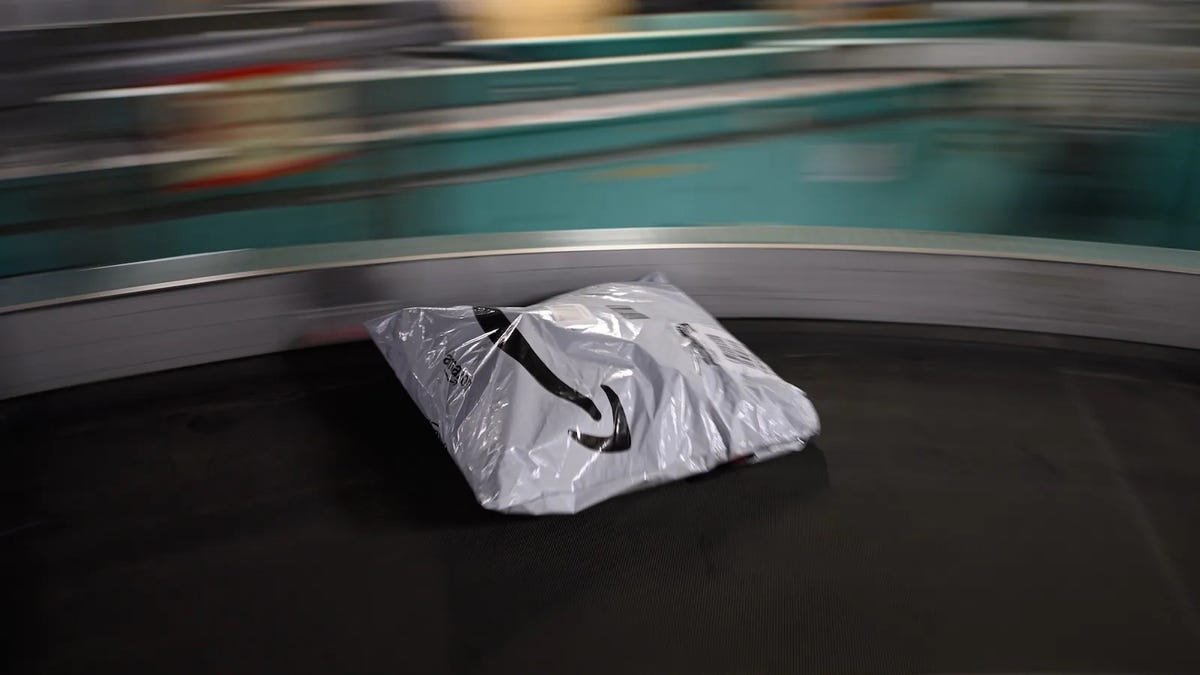
An investigation by Environment America and U.S. Public Interest Research Group reveals that Amazon's plastic packaging marked for store drop-off recycling often ends up in landfills, incinerators, or overseas, rather than being recycled. The store drop-off system is criticized for being ineffective and contributing to the ongoing production of single-use plastic. Companies like Mondelez have pledged to phase out the store drop-off label, and California is considering legislation to restrict its use unless companies can prove its effectiveness. Amazon claims it has no control over how its packaging is handled once disposed of, but environmental advocates argue that the company should do more to reduce its plastic waste and remove the misleading recycling labels.

environment2 years ago

"US Plastic Bag Recycling Directory Site Shut Down Due to Industry's Lack of Commitment"

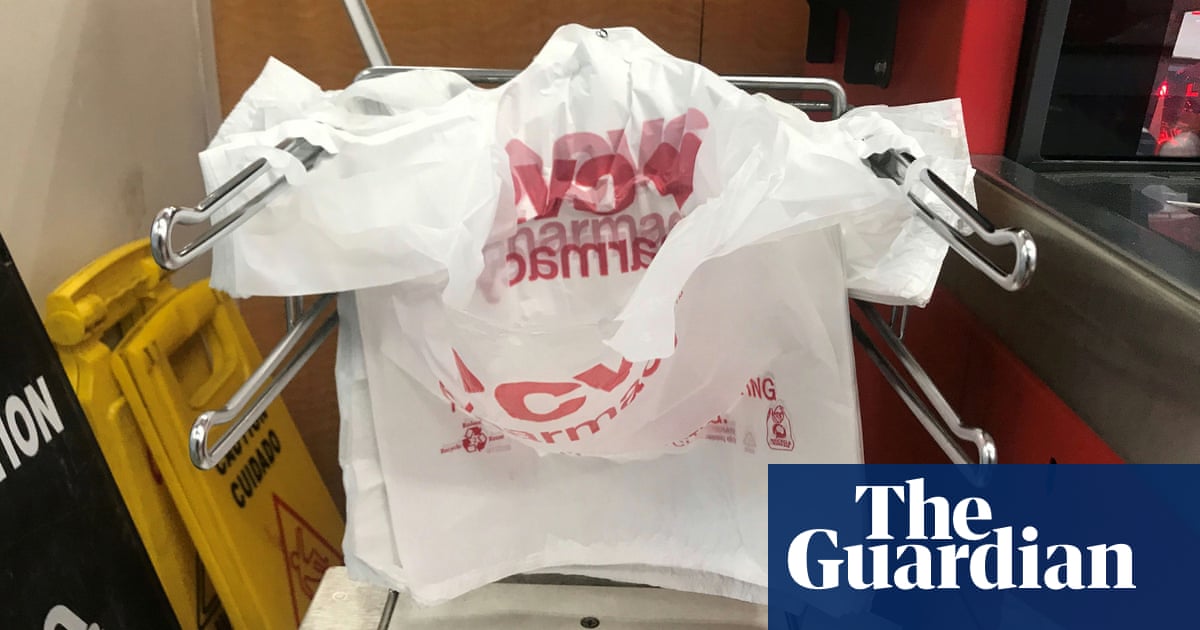
The US plastic bag recycling directory, which directed users to store drop-off locations for plastic bags and films, has been taken offline after an investigation revealed that much of the waste was ending up in landfills and incinerators. The initiative, promoted by the US Environmental Protection Agency and local governments, faced a lack of commitment from industry partners and low demand for recycled plastics. Plastic production and disposal contribute to greenhouse gas emissions and pollution, and experts emphasize the need to reduce plastic consumption and shift to reusable alternatives. The closure of the directory highlights the larger problem of ineffective plastic recycling efforts and the urgent need for change in the industry.

environment2 years ago

"Plastic Recycling Directory Shuts Down Due to Industry's Lack of Commitment"

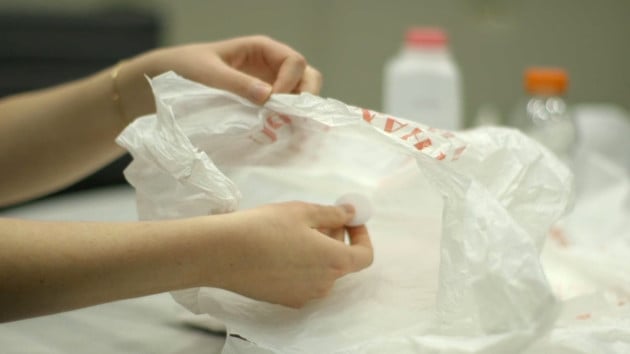
The national online recycling directory for plastic bags and plastic films, known as the Film Drop-Off Directory, has been taken offline after 20 years of operation. The decision was made due to a lack of real commitment from the industry and a funding shortage to maintain credible information on the site. An ABC News investigation revealed that many plastic bags dropped off at Walmart and Target stores listed on the directory were sent to landfills and incinerators instead of being recycled. The investigation played a part in calling attention to the problems, but the decision to shut down the directory was also influenced by larger issues, including greenwashing. The American Chemistry Council's Wrap Recycling Action Program, which initially funded the directory, has also gone offline.

environment2 years ago

"Plastic Recycling Directory Shuts Down Due to Industry's Lack of Commitment"

The national online recycling directory for plastic bags and plastic films, known as the Film Drop-Off Directory, has been taken offline after 20 years of operation. The decision was made due to a lack of funding and a perceived lack of commitment from the industry to address the supply and demand imbalance in plastic recycling. An ABC News investigation earlier this year revealed that many plastic bags dropped off at Walmart and Target stores listed on the directory were not being recycled. The directory, which was once promoted by the Environmental Protection Agency and funded by the American Chemistry Council, aimed to provide a resource for the public to find store drop-off locations for plastic bag and film recycling.

environment2 years ago

Plastics Treaty Talks: Chaos, Stalling, and Unproven Recycling Methods

The fossil fuel industry is promoting unproven recycling methods as a solution to plastic pollution in order to protect their profits and undermine efforts to reduce the use of fossil fuels. At the recent Intergovernmental Negotiating Committee meeting in Nairobi, negotiations on an international agreement to address plastics ended in deadlock as countries like Saudi Arabia and China, along with fossil fuel and petrochemical lobbyists, opposed any limits on plastic production. These groups advocate for a "circular economy" where waste plastic is endlessly recycled, but critics argue that this approach is insufficient and that reduction measures are necessary. The industry's push for chemical recycling and "circularity" is seen as a way to avoid production caps and perpetuate the plastic crisis.

science-and-technology2 years ago

"Game-changing Bacteria Devour Ocean Plastic Pollution"

Researchers at Northwestern University have discovered a common bacterium called Comamonas testosteroni that has the ability to "eat" plastic, potentially revolutionizing plastic recycling efforts. With less than 5% of plastic currently being recycled, this bacterium could be used in large-scale recycling operations due to its natural ability to break down plastic without requiring modification. The researchers also found that the bacterium could recycle plastic into different polymers, reducing our dependence on petroleum chemicals. While not yet in use at recycling facilities, this breakthrough could pave the way for a more sustainable and circular economy.

environment2 years ago

"UN treaty talks aim to reduce global plastic pollution by 80%"

As talks begin on a global plastics treaty, countries are debating whether to limit plastic production or focus on recycling. A 55-nation coalition is calling for a strong treaty including restrictions on hazardous chemicals and bans on problematic plastics products. The U.N. Environment Programme has released a blueprint for reducing plastic waste by 80% by 2040, focusing on reuse, recycling, and reorientation of plastic packaging to alternative materials. Environmental groups criticize the report for focusing on waste management, which they see as a concession to the global plastics and petrochemicals industry. The industry has put mechanical and chemical recycling at the center of its position.

science-and-environment2 years ago

Backyard Fungi Found to Break Down Plastic in Record Time

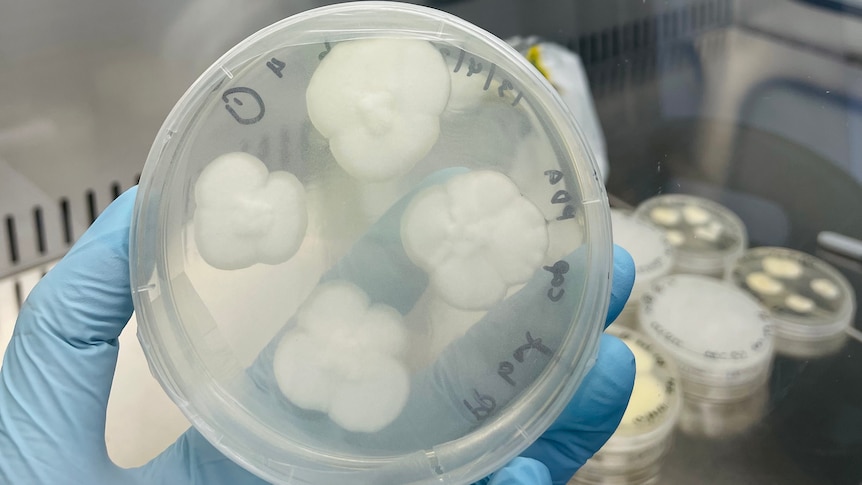
Australian scientists have discovered that two types of fungi found in plants and soil can break down polypropylene, one of the world's most stubborn plastics, which could help ease the burden of the global recycling crisis. The fungi took 90 days to degrade 27% of the plastic tested, and about 140 days to completely break it down. The technology could be scaled up to process thousands of tonnes of plastic a year, but experts caution that plastic use needs to be drastically reduced too.