Tag

Pinwheel Galaxy

All articles tagged with #pinwheel galaxy

astronomy1 year ago

"Scientists Witness Epic Supernova Birth Potential Black Hole in Real Time"

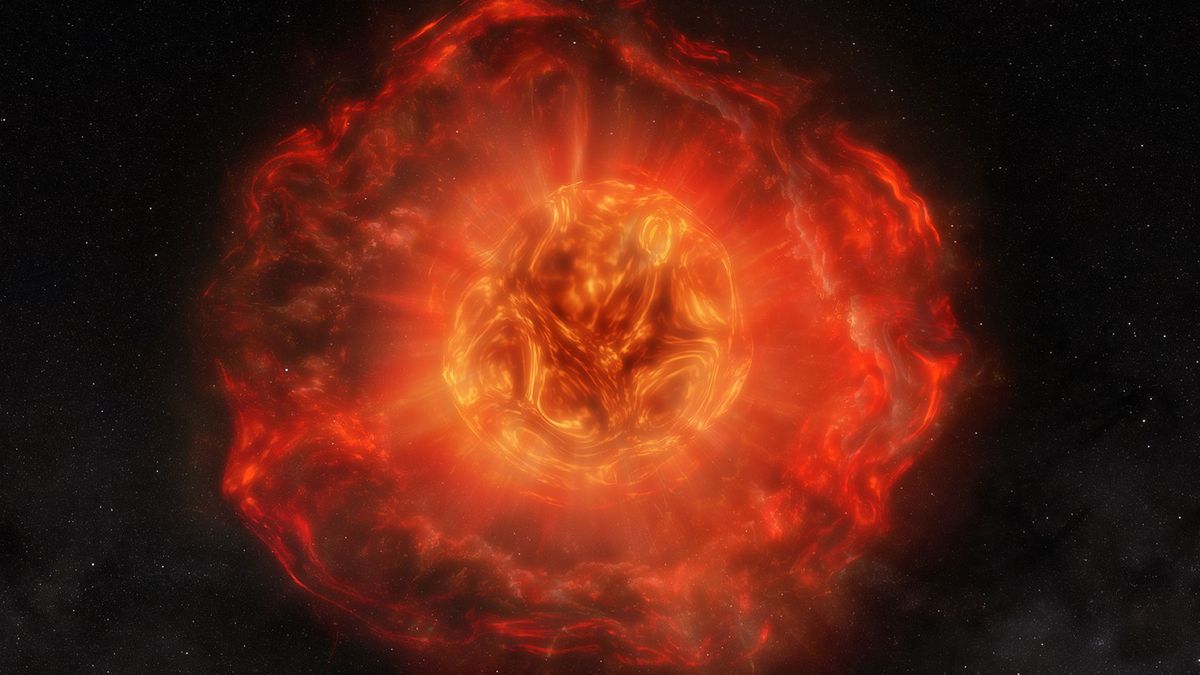
Astronomers caught a rare supernova explosion in almost real-time last year in the Pinwheel Galaxy, thanks to the swift reporting of Japanese amateur astronomer Koichi Itagaki. The event, dubbed SN 2023ixf, allowed scientists to closely follow the supernova's emergence and gather valuable data on the star's conditions before and after the explosion. Observations from Hubble, NASA's Swift spacecraft, and the Keck Observatory in Hawai'i provided insights into the evolution of the explosion, suggesting that it likely formed a black hole. Follow-up observations are expected to further enhance understanding of supernovae and their interactions with their environment.
science-and-astronomy2 years ago

"Hidden Supernova: Massive Weight Loss of Doomed Star Delayed Flash for Days"

A massive star that exploded in the Pinwheel Galaxy appears to have lost approximately one sun's worth of ejected mass during the final years of its life before going supernova. Amateur astronomer Kōichi Itagaki discovered the star, known as SN 2023ixf, and observations revealed a significant and unexpected amount of mass loss in the year prior to the explosion. The shape of the light curve indicated a delayed shock breakout, providing evidence for the presence of dense material from recent mass loss. This discovery sheds light on the behavior of massive stars in their final years before exploding.

astronomy2 years ago

"NASA Reveals Massive 'Pinwheel Galaxy' Dwarfing Milky Way"

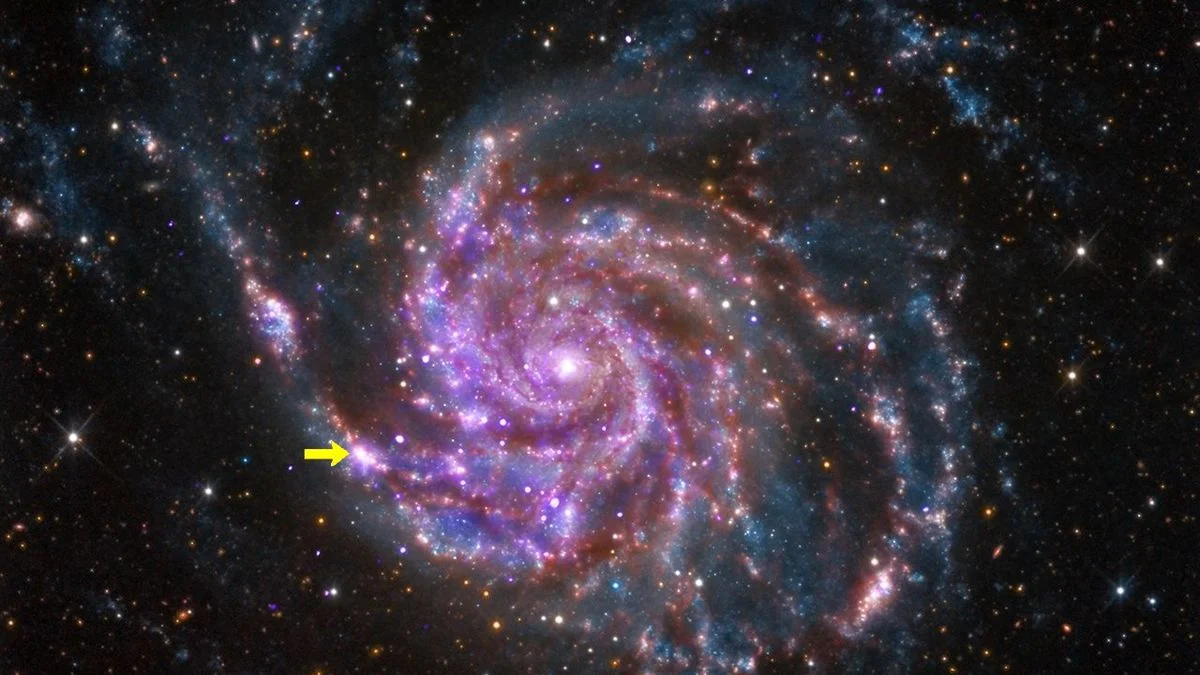
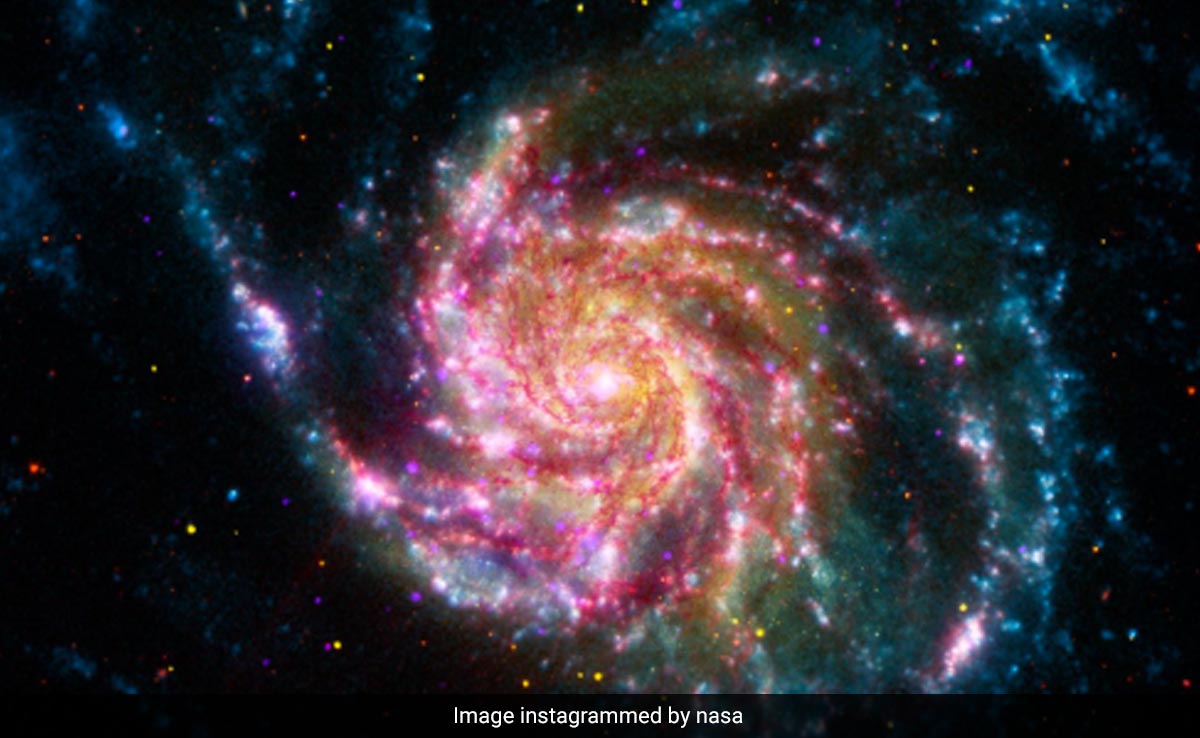
NASA shared a stunning image of the 'Pinwheel Galaxy', which is 70% larger than the Milky Way, located 21 million light-years away in the constellation of Ursa Major. The image was created by combining data from four space telescopes, showcasing visible, infrared, X-ray, and ultraviolet light to analyze different features of the galaxy. Space enthusiasts were captivated by the vibrant colors and beauty of the galaxy.

astronomy2 years ago

"Unveiling the Evolution of Exploding Stars: Closest Supernova in a Decade Sheds Light"

Astronomers have observed the closest supernova since 2014, providing valuable insights into the evolution of exploding stars. The supernova, named SN 2023ixf, occurred in the Pinwheel Galaxy, located 21 million light years from Earth. The early measurements of polarized light from the supernova revealed the evolving shape of the explosion, shedding light on the geometry of the object emitting the light. The observations indicated that the star had shed gas for several years before the explosion, challenging previous assumptions about mass loss. The findings could help refine the use of Type II supernovae as distance measures in the expanding universe.

astronomy2 years ago

Citizen Scientists Unite to Study Record-Breaking Pinwheel Galaxy Supernova

Citizen scientists participating in the SETI Institute's and Unistellar's Cosmic Cataclysms program have set a new record by providing the highest number of observers contributing data on a single event. The amateur astronomers observed supernova SN 2023ixf in the Pinwheel Galaxy, generating the longest continuous light curve of this supernova gathered by citizen scientists to date. The data collection effort involved 123 observers and utilized Unistellar's eVscope, providing valuable insights into the behavior of the supernova and highlighting the significant contributions made by citizen scientists in advancing astronomical research.

astronomy2 years ago

New supernova discovered in Pinwheel Galaxy.

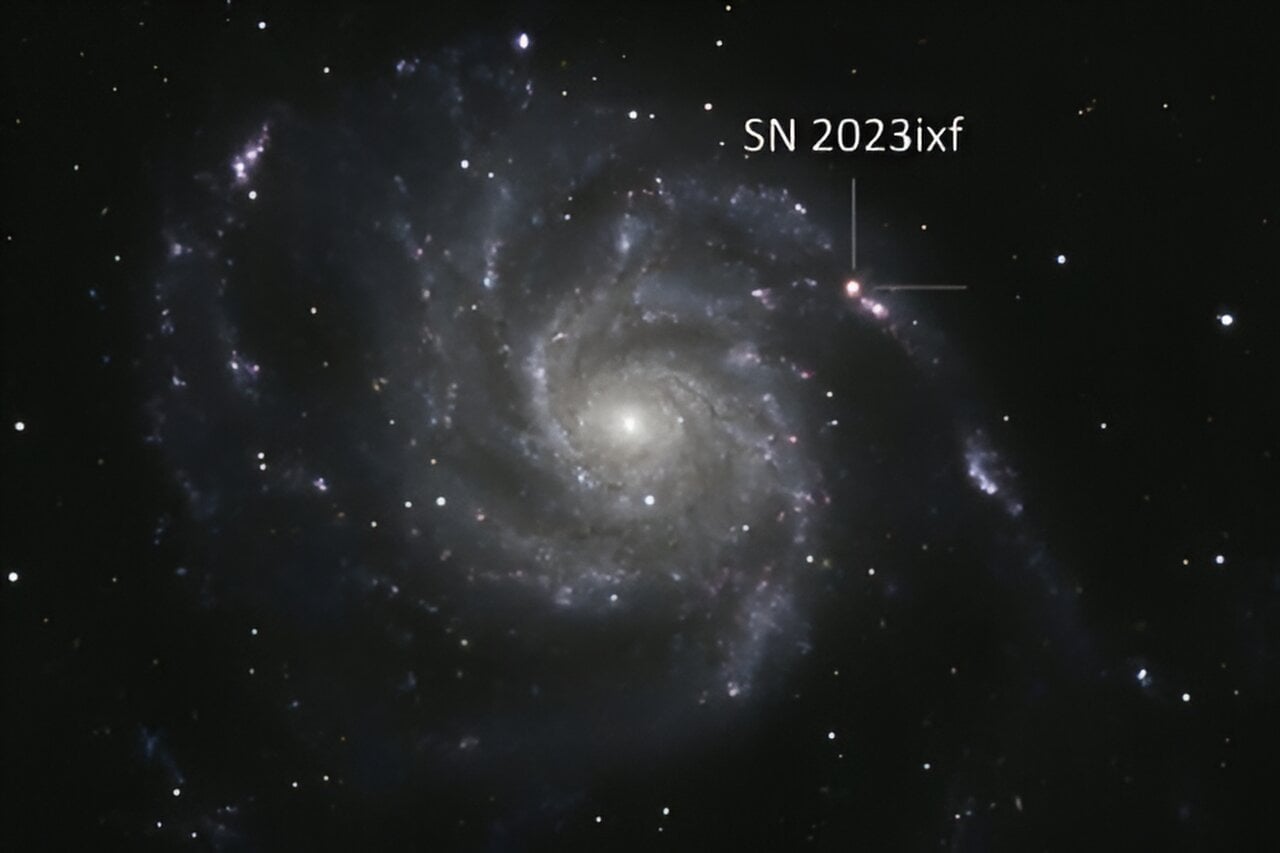
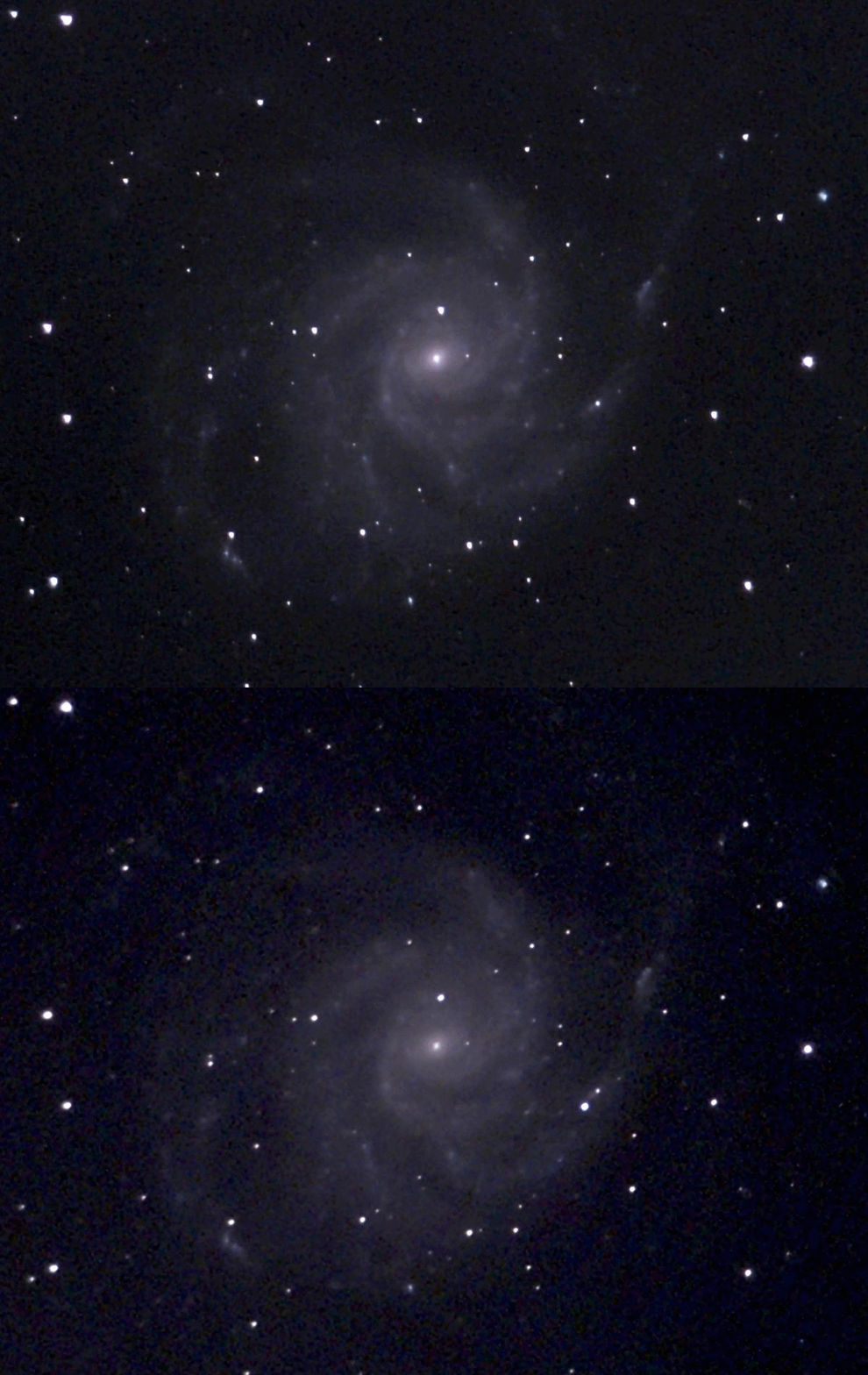
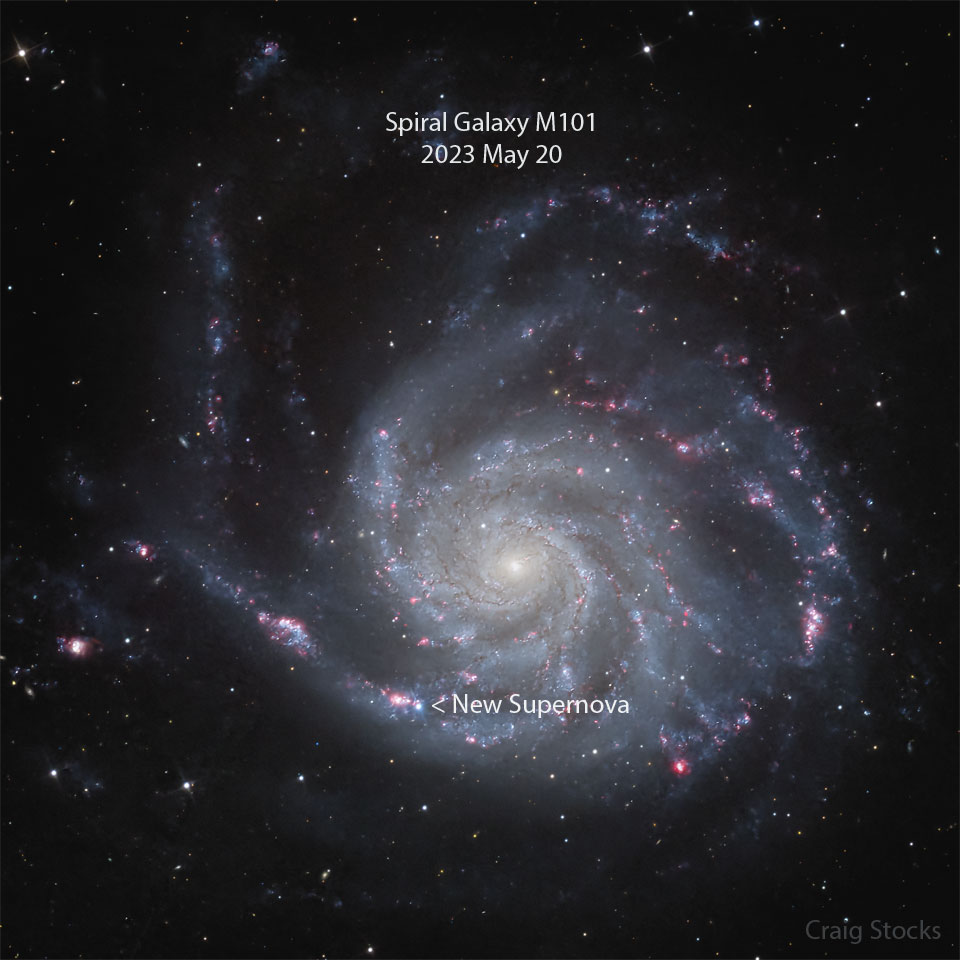
Astrophotographer R. Mark Lilienthal captured a stunning image of the new supernova SN 2023ixf in the Pinwheel Galaxy, also known as Messier 101 (M101). The supernova was first spotted on May 19, 2023, by supernova hunter Koichi Itagaki from Yamagata, Japan, and was confirmed the following day by the Zwicky Transient Facility (ZTF) in California. Lilienthal used a Sky-Watcher Equinox 80 Pro on iOptron CEM26 with ZWO ASIAir and a ZWO ASI533MC Pro camera to capture the image.

science2 years ago

Gemini North Telescope captures stunning photo of new supernova explosion.

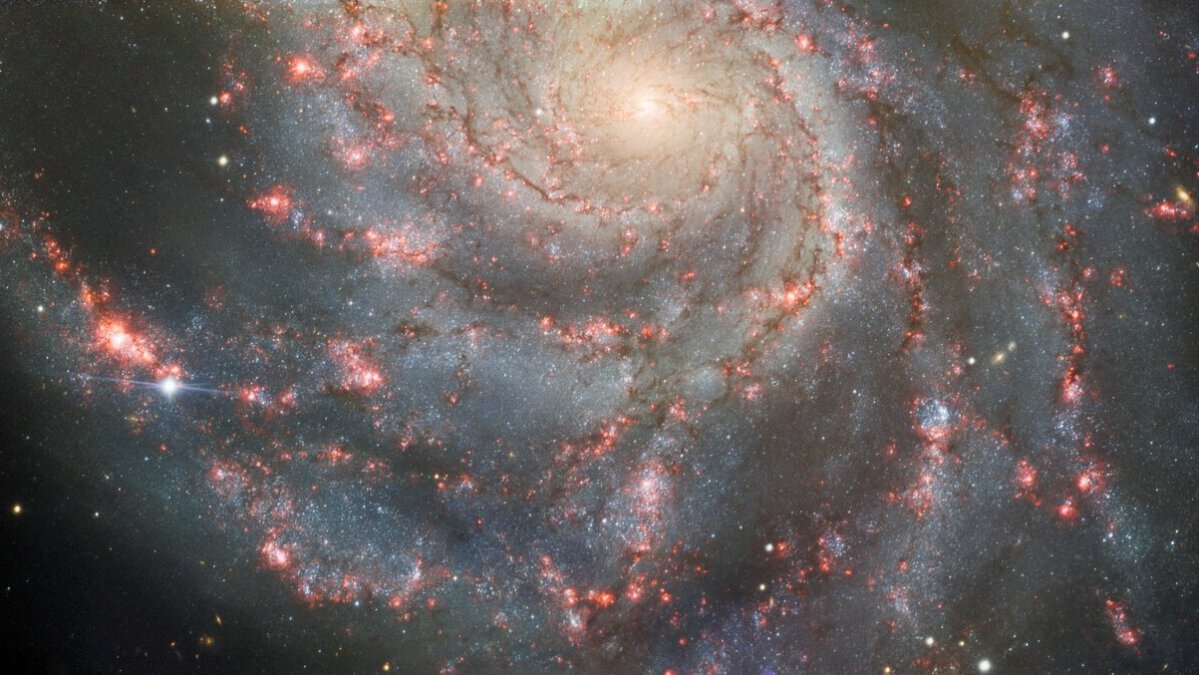
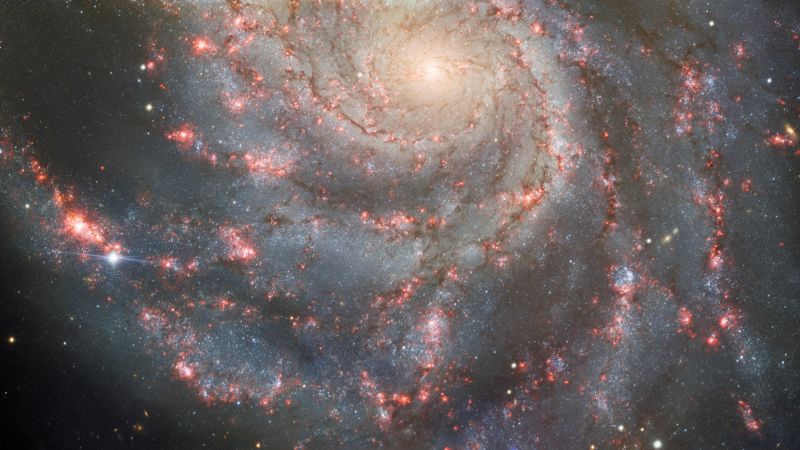
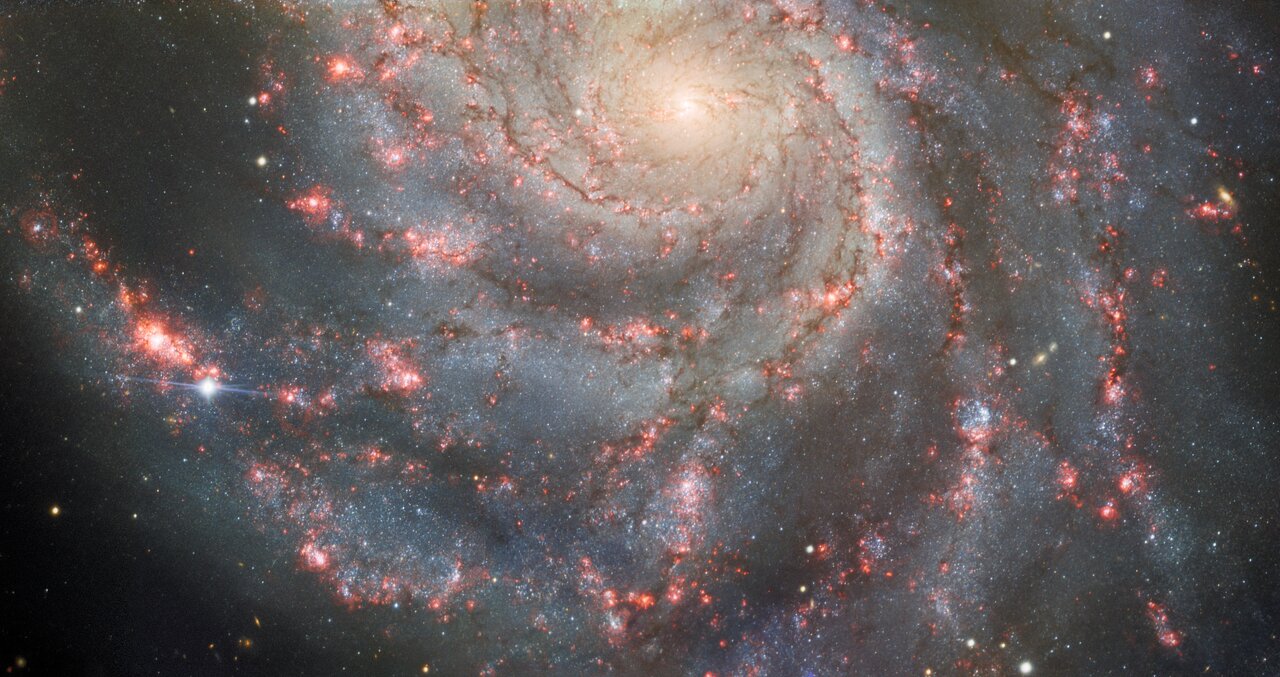
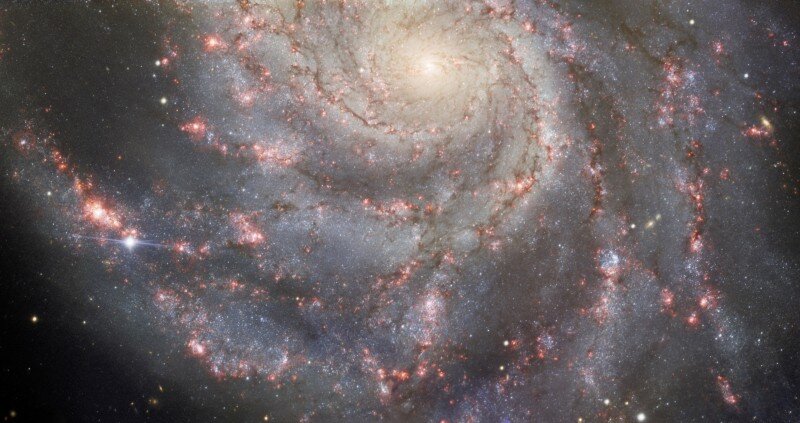
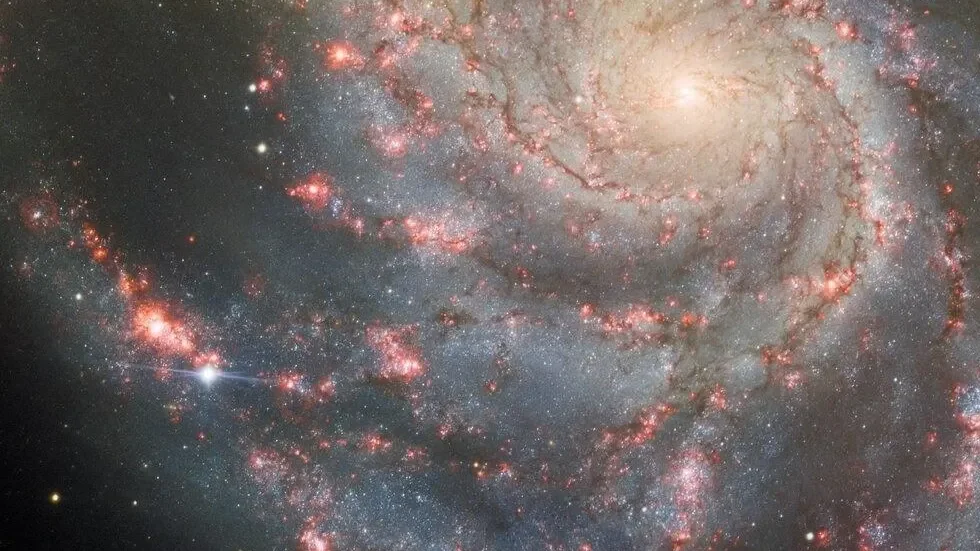
Astronomers have captured a photo of a supernova explosion in the Pinwheel galaxy, located 21 million light-years away. The explosion created a bright point of light that is still visible with a small telescope. The image also shows pink clumps of light, which are regions of star formation amid vast, swirling clouds of dust and gas. The Pinwheel galaxy is nearly twice the diameter of our Milky Way and is estimated to contain at least one trillion stars.

science2 years ago

New supernova spotted in night sky.

A new supernova, SN 2023ixf, has been discovered in the Pinwheel Galaxy by Japanese astronomer Koichi Itagaki. The supernova is the closest one seen in five years and is believed to be a Type II supernova. Astronomers are using telescopes to observe the supernova to better understand how stars explode and track how the brightness of the explosion evolves and fades over time. The image of the supernova's aftermath was taken by the Gemini North telescope in Hawaii, which has resumed its search of the night sky for cosmic phenomena after a seven-month hiatus due to a damaged primary mirror.

astronomy2 years ago

Gemini North Captures Stunning Images of New Supernova.

The 8-meter Gemini North telescope, located on Mauna Kea in Hawai‘I, has returned to service after seven months of repairs and refurbishment of its primary mirror. Just in time, it captured the brand-new supernova in the famous Pinwheel Galaxy. The bright supernova was first discovered on May 19th, and astronomers plan to make more observations with the Gemini North telescope of this supernova over the coming months, studying how the light from the supernova fades and how its spectrum evolves over time.

astronomy2 years ago

"Stunning Supernova in Pinwheel Galaxy Visible from Home Observatory"

Gemini North, part of the International Gemini Observatory, has returned to observing the night sky following the repair and refurbishment of its primary mirror. Its debut observation captured the closest supernova seen in the past five years, SN 2023ixf, located in the Pinwheel Galaxy. The telescope's exceptional spectroscopic capabilities will allow astronomers to study how the light from the supernova fades and how its spectrum evolves over time, helping them better understand the physics of such explosions. The successful repair of the mirror is a great team effort for NOIRLab and its contractors at Safran-Reosc.

astronomy2 years ago

"Stunning Supernova Captured by Massive Telescope and Visible from Home"

The Gemini North telescope on Hawaii’s Mauna Kea volcano has captured a stunning image of the closest supernova seen in the past five years, SN 2023ixf, which appeared in the outskirts of the Pinwheel galaxy on May 19, 2023. The supernova is a type II, triggered by the release of energy from a massive supergiant star that pushed its layers into space, leaving behind a collapsed core—a neutron star. The Pinwheel Galaxy is a face-on spiral galaxy in the constellation Ursa Major, around 21 million light-years distant.

astronomy2 years ago

"New Supernova's Visibility Duration Questioned"

The new supernova, SN 2023ixf, in the Pinwheel Galaxy is expected to be visible for at least a year, if not longer, before slowly fading away. It is currently one of the largest and brightest supernovas seen in a decade and can be easily observed with a small telescope or high-magnification binoculars. While it may momentarily rebrighten if it interacts with denser clouds or shells surrounding the dying star, it will eventually fade to low detectability again over the next few years. Large telescopes and space instruments like NASA's Hubble telescope or James Webb Space Telescope may be able to study the explosion for decades.

astronomy2 years ago

New Supernova Visible with Small Telescope in Familiar Galaxy

The Pinwheel Galaxy, also known as M101, has a visible Type II supernova named SN 2023ixf, which can be seen with a small telescope. This supernova is expected to brighten a bit more over the next couple of months before gradually fading. The observations of this supernova will help astronomers better understand the evolution of core-collapse supernovae and how they enrich the universe with heavy elements.

astronomy2 years ago

"Rare Supernova Visible for Months: How to Watch Tonight's Livestream"

A massive star in the Pinwheel Galaxy has gone supernova and its fiery death throes are expected to be visible for months, even from amateur backyard telescopes. The supernova, designated as SN 2023ixf, is a Type II supernova, in which a massive star's core suddenly collapses when it runs out of fuel and can't counteract its own gravity. The supernova's home galaxy is relatively close by, a mere 21 million light years away from us, and scientists are eager to study it, hoping it could provide exciting new details on the evolution of massive stars and how they die. Sky watchers also took the opportunity to grouse about Elon Musk's SpaceX satellites clogging up the starry firmament.

astronomy2 years ago

"Rare Supernova Event Visible to Stargazers Worldwide"

A massive star in the Pinwheel Galaxy has gone supernova and is expected to be visible for months, even from amateur backyard telescopes. The supernova, designated as SN 2023ixf, is a Type II supernova, and its home galaxy is relatively close by, making it an exciting opportunity for scientists to study the evolution of massive stars and how they die. However, sky watchers also expressed frustration with Elon Musk's SpaceX satellites clogging up the starry firmament.