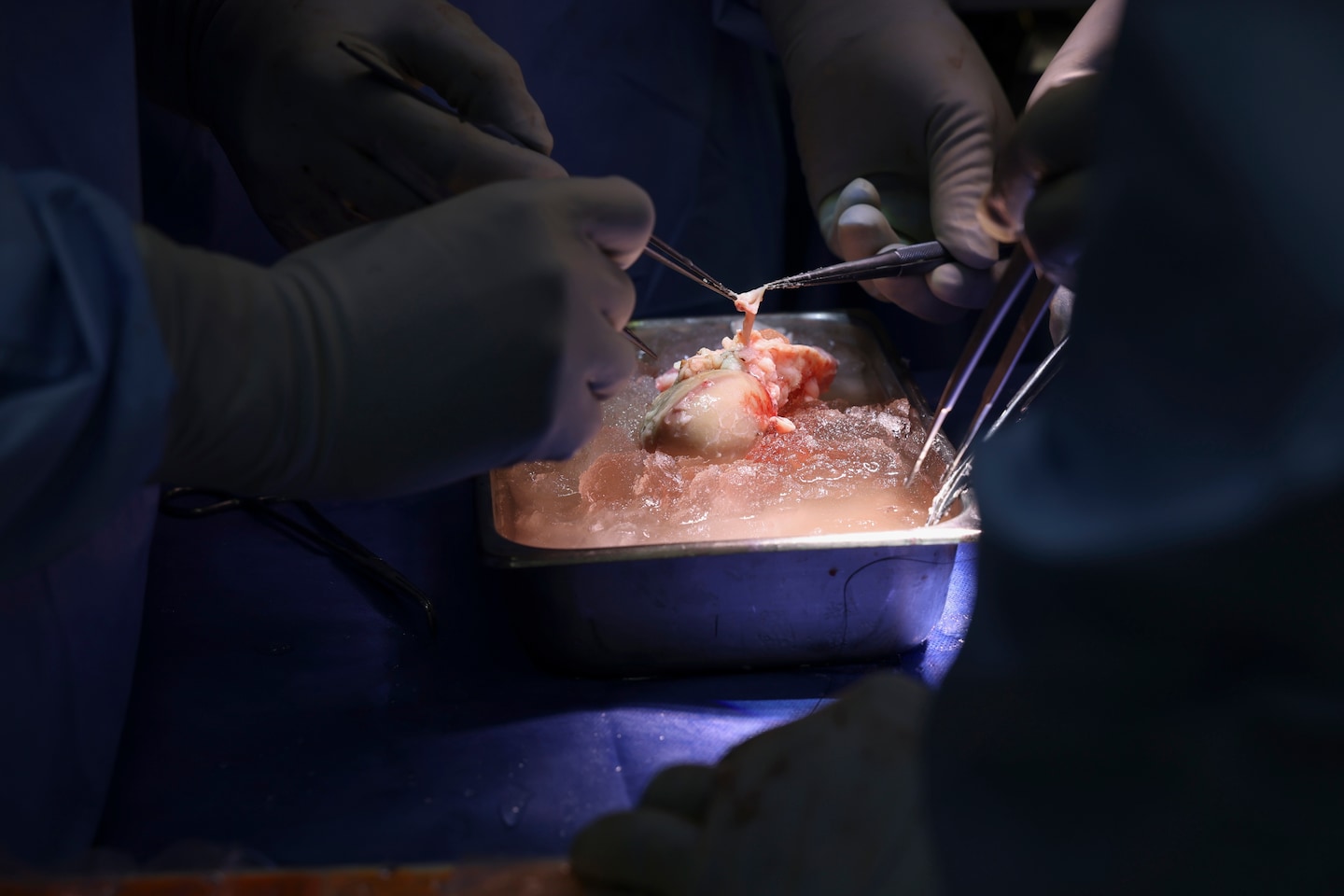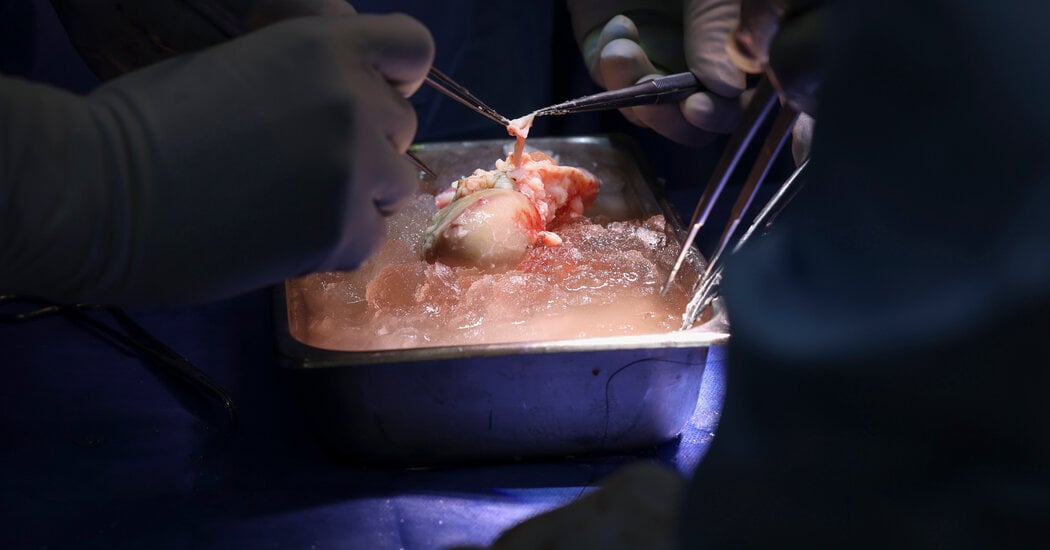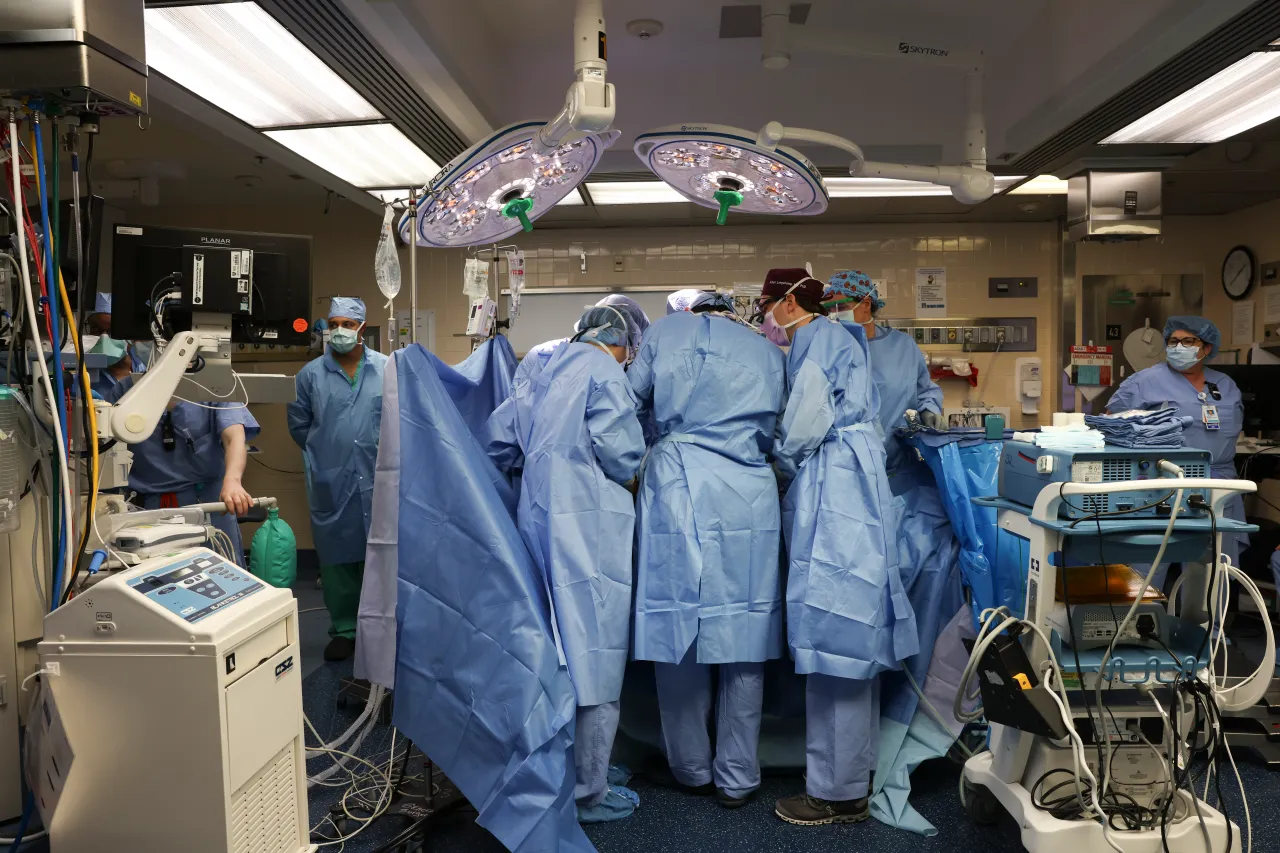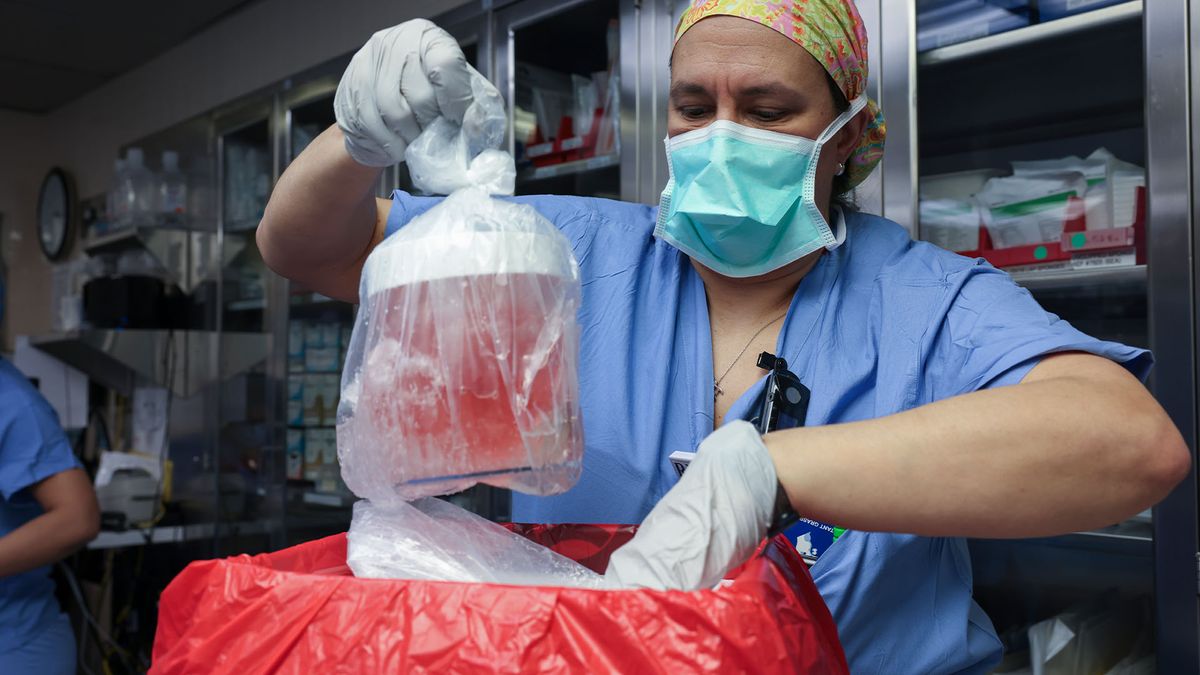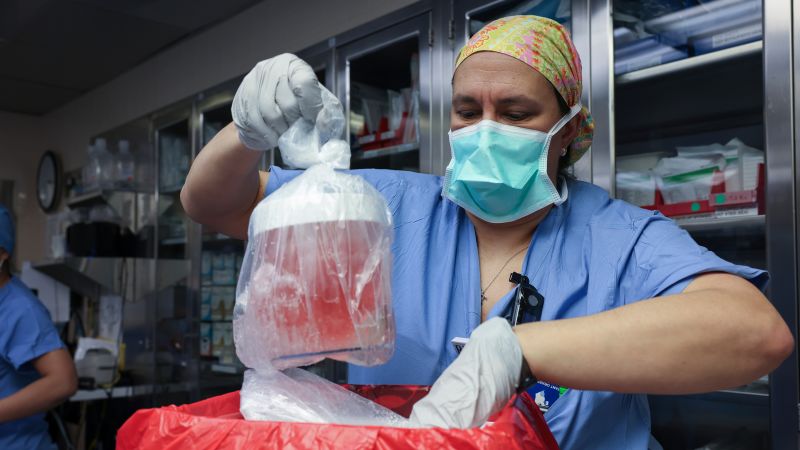
A woman who received a gene-edited pig kidney transplant had the organ removed after 47 days due to insufficient blood flow, leading her back to dialysis. Despite initial recovery, managing both a heart pump and the new kidney presented unique challenges. The case highlights ongoing efforts and challenges in xenotransplantation, with hopes to address the shortage of human organ donations.
Rick Slayman, the first person to receive a genetically edited pig kidney transplant, has been discharged from the hospital and expressed his joy at the successful surgery. This groundbreaking medical procedure marks a new beginning for him, free from the burden of dialysis, and he is looking forward to resuming a normal life. The transplant, performed at Massachusetts General Hospital, represents a significant advancement in organ transplantation, although it also highlights the risks associated with such pioneering procedures.
Richard Slayman, the first person to receive a genetically edited pig kidney transplant, has been discharged from the hospital and is recovering well at home, expressing immense happiness and relief. The successful surgery, which required FDA approval under "compassionate use" rules, offers hope for the 550,000 kidney patients in the United States. The use of pig kidneys and genetic editing technologies like CRISPR may address the shortage of human organs for transplantation and reduce disparities in access to transplants.
Rick Slayman, the first living recipient of a genetically edited pig kidney transplant, has been discharged from the hospital and is recovering well at home. This marks the third xenotransplant of a pig organ into a living human, with Slayman's doctors expressing hope that the new kidney could last for years. The surgery comes as a response to the critical shortage of organ donors, with thousands of people on waitlists for transplants. Slayman expressed gratitude for the support and hopes his successful surgery will bring hope to others in need of organ transplants.
Richard Slayman, 62, has become the first patient to receive a kidney from a genetically modified pig and has been discharged from the hospital just two weeks after the groundbreaking surgery. The successful outcome of the transplant represents a significant moment in medicine and could potentially signal a new era of cross-species organ transplantation. Slayman expressed gratitude for the exceptional care he received and is now looking forward to a healthier future.
Dr. Mike Curtis, CEO of eGenesis, led the historic first pig kidney transplant into a living human, offering hope to thousands on the kidney transplant waitlist. This breakthrough, a result of decades of research, aims to address the shortage of human organs and provide life-saving options for those with renal failure. eGenesis is also working on treatments for acute liver failure and heart transplants, potentially revolutionizing the field of organ transplantation.
A 62-year-old man in Massachusetts has become the first person to receive a pig kidney transplant, marking a significant medical milestone. The patient, Richard Slayman, underwent a successful four-hour surgery at Massachusetts General Hospital and is expected to be discharged soon. The pig kidney, developed by the biotechnology company eGenesis using CRISPR gene editing, was modified to make it compatible with humans. The apparent success of the procedure raises hope for addressing the critical shortage of human organs available for transplant surgeries and potentially achieving health equity in kidney transplantation.
Doctors at Massachusetts General Hospital have successfully performed the first transplant of a genetically modified pig kidney into a living human, marking a significant medical milestone. The patient, Rick Slayman, is recovering well after the four-hour surgery and is expected to be discharged soon. This breakthrough could potentially address the shortage of organs for transplantation and provide hope for thousands of people in need of transplants to survive.
Surgeons at Massachusetts General Hospital in Boston have successfully transplanted a genetically engineered pig kidney into a 62-year-old man, marking the first procedure of its kind. The patient's condition is improving, with the new kidney already producing urine and the possibility of discharge soon. This breakthrough offers hope to the hundreds of thousands of Americans with kidney failure, potentially providing a new source of kidneys and making dialysis obsolete in the future.
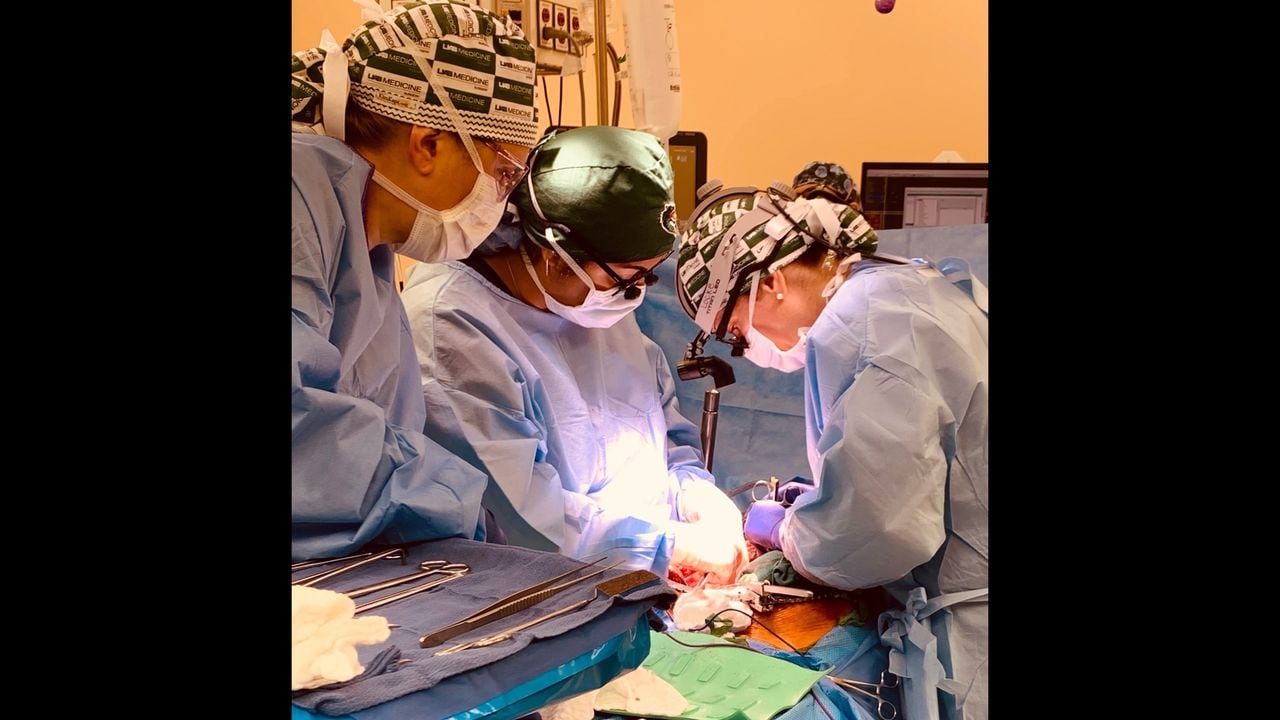
Researchers at the University of Alabama at Birmingham have successfully transplanted genetically modified pig kidneys into brain-dead patients and published research on immune system suppression to prevent rejection. The team hopes to push for FDA approval for clinical trials, as xenotransplantation could potentially solve the organ shortage crisis. The research, funded by United Therapeutics Corporation, has shown promising results, and doctors at UAB are eager to offer this option to patients who may not have other transplant options.
In a groundbreaking trial, researchers successfully transplanted genetically modified pig kidneys into monkeys, resulting in record-long survival times. The study, published in the journal Nature, offers hope for addressing the shortage of human organ donors and the high mortality rates associated with kidney failure. The genetically modified pigs had three critical gene modifications, including the removal of antigens that trigger organ rejection and the insertion of human genes to regulate rejection pathways. The combination of gene edits and immunosuppressive drugs allowed the transplanted kidneys to function effectively, with some monkeys surviving for over two years. The researchers plan to collaborate with the FDA to initiate human clinical trials in the near future, although safety concerns and regulatory challenges remain.
Scientists at eGenesis, a company co-founded by Harvard geneticist George Church, have successfully kept a monkey alive for two years with a genetically engineered pig kidney, marking a significant milestone in the search for alternative organ sources. This research offers hope that genetically modified pig organs could extend the lives of people with end-stage organ failure. While preliminary, the study represents the longest period of time a non-human primate has survived with a pig organ. However, experts caution that the use of pig-grown organs in humans is still several years away from becoming a reality.
A genetically engineered pig kidney successfully kept a monkey alive for over two years, marking a significant step forward in xenotransplantation. The study involved extensive genome edits to prevent immune rejection and neutralize ancient viruses in the donor's organs. The research provides valuable data for regulators considering human trials of non-human organ transplants. However, there was variation in the success of the transplants, and the feasibility of mass-producing pigs with extensive editing remains a challenge. While the survival times were more varied than expected, researchers believe that genetically modified pigs could fare better in humans.
US surgeons have successfully transplanted a genetically modified pig kidney into a brain-dead patient, marking a record-breaking 61-day experiment. The procedure is part of ongoing research in xenotransplantation, aimed at advancing cross-species transplants. The donor pig came from a herd cultivated by biotech company Revivicor, which has been approved by the FDA as a source of meat for people with alpha-gal allergies. While the experiment showed promise, mild rejection occurred, requiring increased immunosuppression medication. Other recent developments in the field include the world's first pig-to-human heart transplant and the creation of hybrid pig-human kidneys in pig embryos, raising ethical concerns.
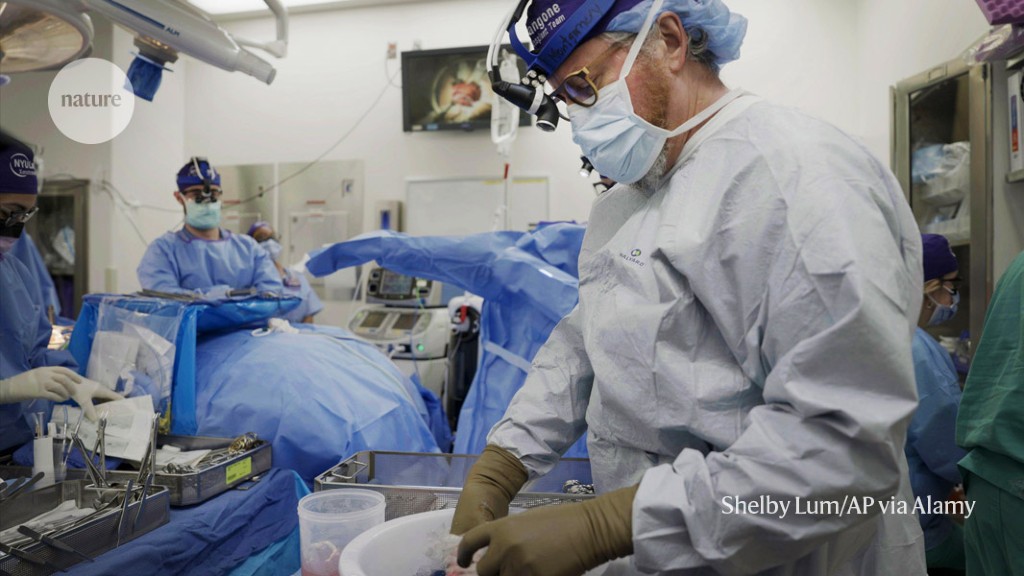
Researchers at NYU Langone Health have successfully transplanted a genetically modified pig kidney into a human, marking the longest documented case of a xenotransplant. The kidney functioned optimally for about two months before being removed. The study will help assess the body's response to the procedure and prepare for clinical trials in living humans. While some mild rejection was observed, additional immunosuppression medication reversed it. The findings provide hope for addressing the national organ shortage, but further research is needed to establish the viability of pig kidney transplants for people with end-stage kidney disease.