Joy Prestosh, a 66-year-old woman from Bethlehem, celebrated 40 years with the same transplanted heart, making her one of the longest-lived heart transplant recipients in the U.S. Despite the median survival time for heart transplants being around a decade, Prestosh's adherence to medical advice, good care, and a bit of luck have contributed to her remarkable longevity. Her journey began with postpartum cardiomyopathy, leading to a life-saving transplant at age 26. She credits her survival to divine intervention, medical compliance, and a perfect donor match.
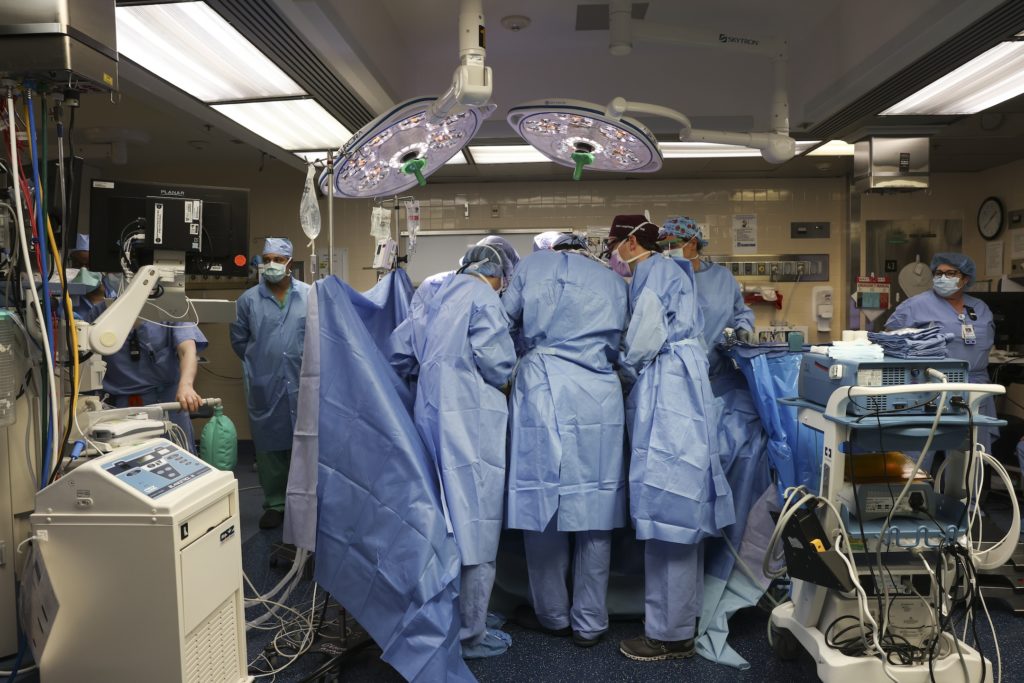
In a historic first, a genetically modified pig kidney was successfully transplanted into a 62-year-old man, marking a significant milestone in xenotransplantation. The patient is doing well and has been off dialysis since the transplant. The breakthrough offers hope for addressing the organ shortage crisis and could provide timely transplants for thousands of patients in need. The success was attributed to advancements in gene editing technology, but concerns about potential risks and infections from animal viruses remain under careful monitoring.
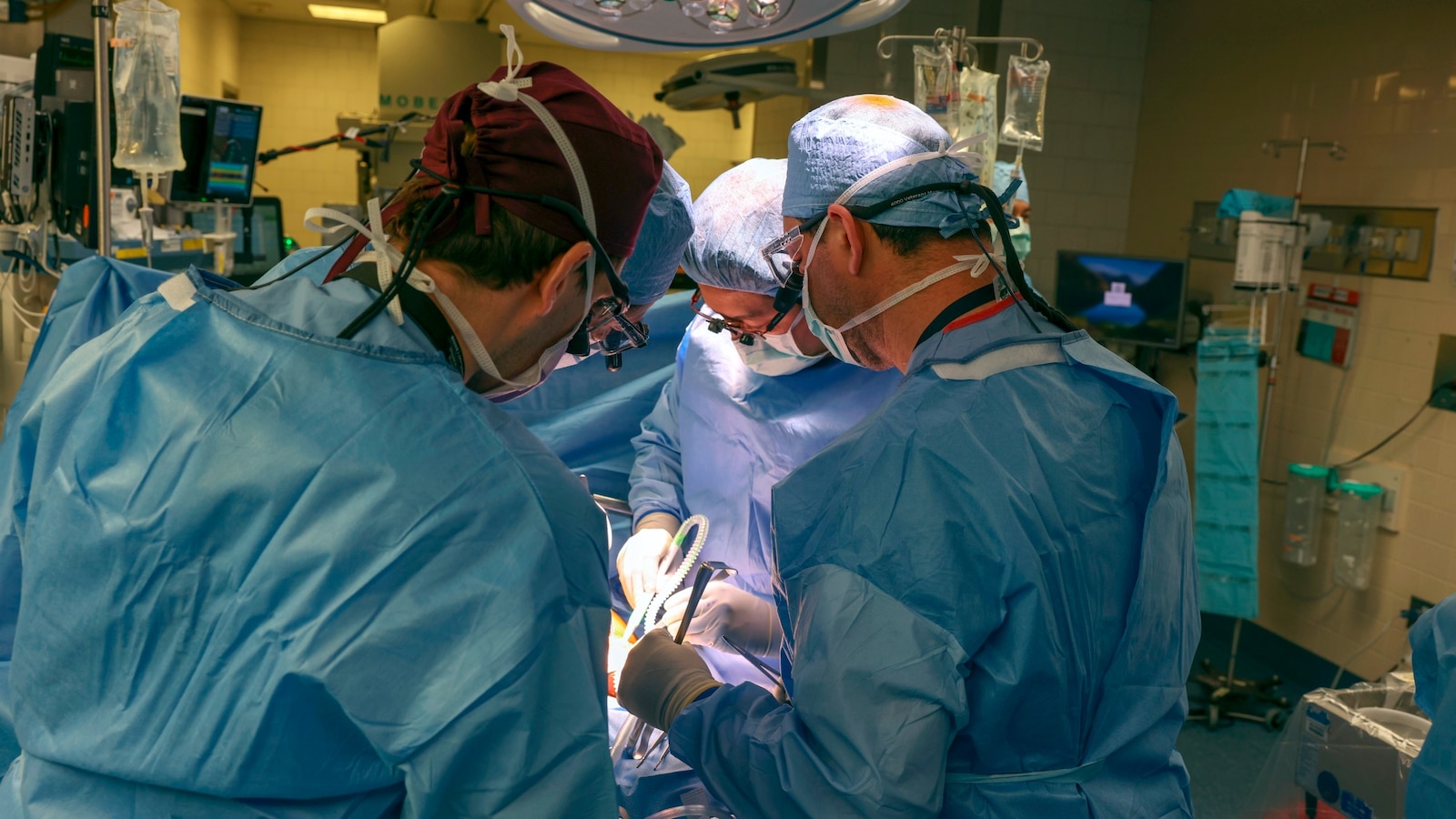
A 62-year-old man in Massachusetts has become the first person to receive a pig kidney transplant, marking a significant medical milestone. The patient, Richard Slayman, underwent a successful four-hour surgery at Massachusetts General Hospital and is expected to be discharged soon. The pig kidney, developed by the biotechnology company eGenesis using CRISPR gene editing, was modified to make it compatible with humans. The apparent success of the procedure raises hope for addressing the critical shortage of human organs available for transplant surgeries and potentially achieving health equity in kidney transplantation.
Doctors at Massachusetts General Hospital have successfully performed the first transplant of a genetically modified pig kidney into a living human, marking a significant medical milestone. The patient, Rick Slayman, is recovering well after the four-hour surgery and is expected to be discharged soon. This breakthrough could potentially address the shortage of organs for transplantation and provide hope for thousands of people in need of transplants to survive.
Surgeons at Massachusetts General Hospital have successfully transplanted the world's first genetically edited pig kidney into a living human, marking a major milestone in organ transplantation. The recipient, a 62-year-old man with end-stage kidney disease, is recovering well after the groundbreaking procedure. The kidney, provided by eGenesis, was genetically modified to improve compatibility with humans and reduce rejection. While this achievement offers hope for patients in need of organ transplants, questions remain about the long-term efficacy, safety, and ethical implications of using genetically edited animal organs for human transplantation.
Surgeons at Massachusetts General Hospital in Boston have successfully transplanted a genetically engineered pig kidney into a 62-year-old man, marking the first procedure of its kind. The patient's condition is improving, with the new kidney already producing urine and the possibility of discharge soon. This breakthrough offers hope to the hundreds of thousands of Americans with kidney failure, potentially providing a new source of kidneys and making dialysis obsolete in the future.