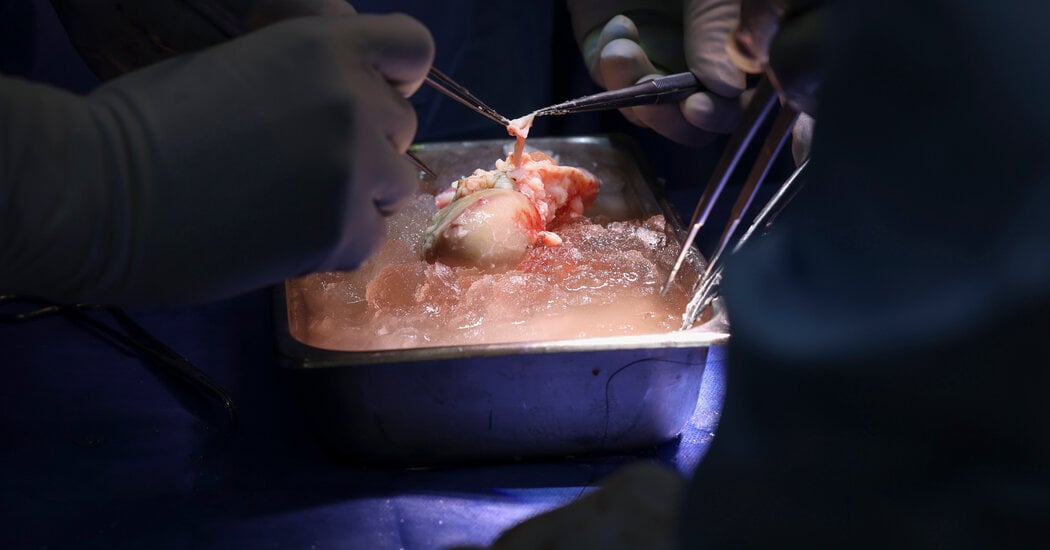
A 67-year-old man in the US has survived over six months after receiving a genetically modified pig kidney, marking the longest survival of a pig organ in a human, representing a significant milestone in xenotransplantation research.
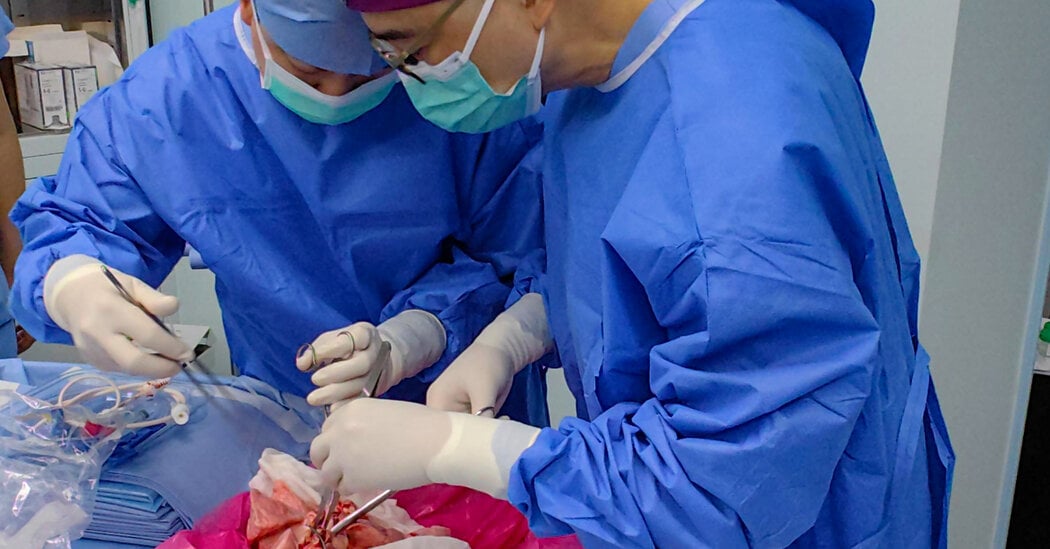
Scientists in China successfully transplanted a genetically modified pig's lung into a brain-dead human, marking the first such procedure, though the organ was damaged and removed after nine days, highlighting both progress and challenges in xenotransplantation.
The world's first recipient of a genetically modified pig kidney transplant experienced a rejection episode before leaving the hospital, but has since shown no further signs of distress. The groundbreaking procedure, performed by Massachusetts General Hospital, involved a transplant of an engineered porcine kidney, and the positive outcome is an encouraging sign for future trials of cross-species transplantation. The patient's recovery is being closely monitored, and ongoing discussions are being held with the FDA about initiating a clinical trial for pig kidney transplants.
Richard Slayman, 62, has become the first patient to receive a kidney from a genetically modified pig and has been discharged from the hospital just two weeks after the groundbreaking surgery. The successful outcome of the transplant represents a significant moment in medicine and could potentially signal a new era of cross-species organ transplantation. Slayman expressed gratitude for the exceptional care he received and is now looking forward to a healthier future.