Benjamin 'Bengi' Robert Kelland was the first baby born in Boston in 2026 at Massachusetts General Hospital, weighing 7 pounds 4 ounces, with both mother and baby doing well.
A woman with a serious heart condition successfully carried and gave birth to twins after careful medical monitoring and intervention, overcoming significant health risks during her pregnancy, and celebrated her first Christmas with her family.
A 16-year-old girl in Boston was found to have a giant hairball in her stomach, causing severe gastrointestinal issues. This rare condition, known as Rapunzel syndrome, involves a trichobezoar, a mass of hair that can block the stomach and intestines. After weeks of pain and misdiagnosis, doctors at Massachusetts General Hospital successfully removed the hairball without surgery. The girl denied having trichophagia, a compulsion to eat hair, but recovery was smooth, and she plans to seek hypnotherapy.
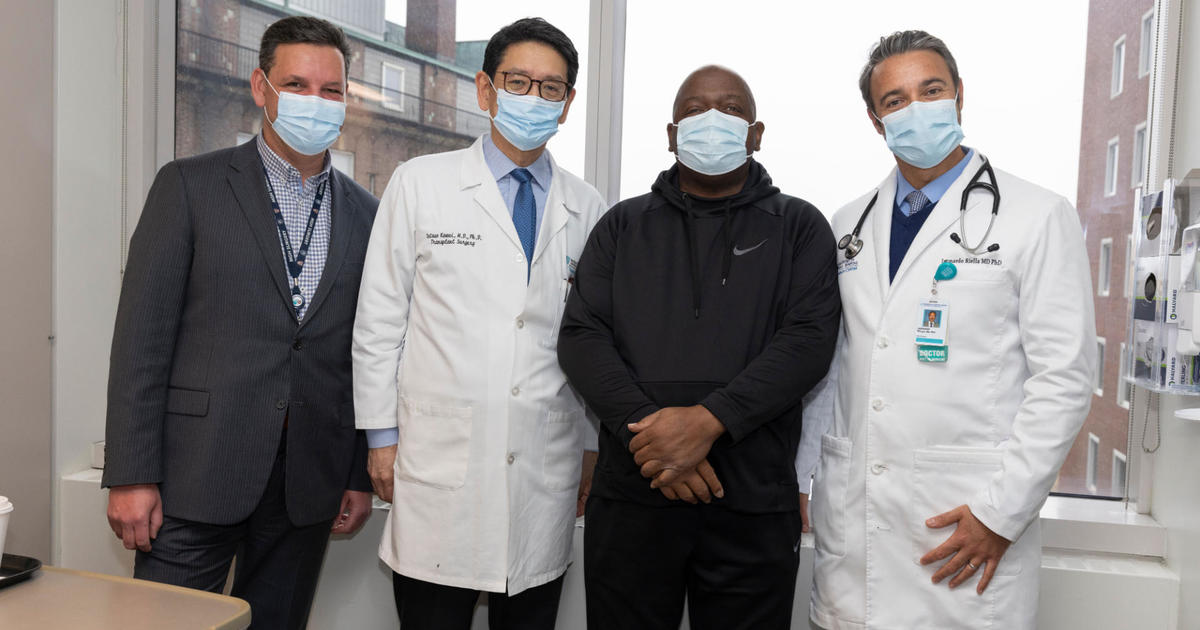
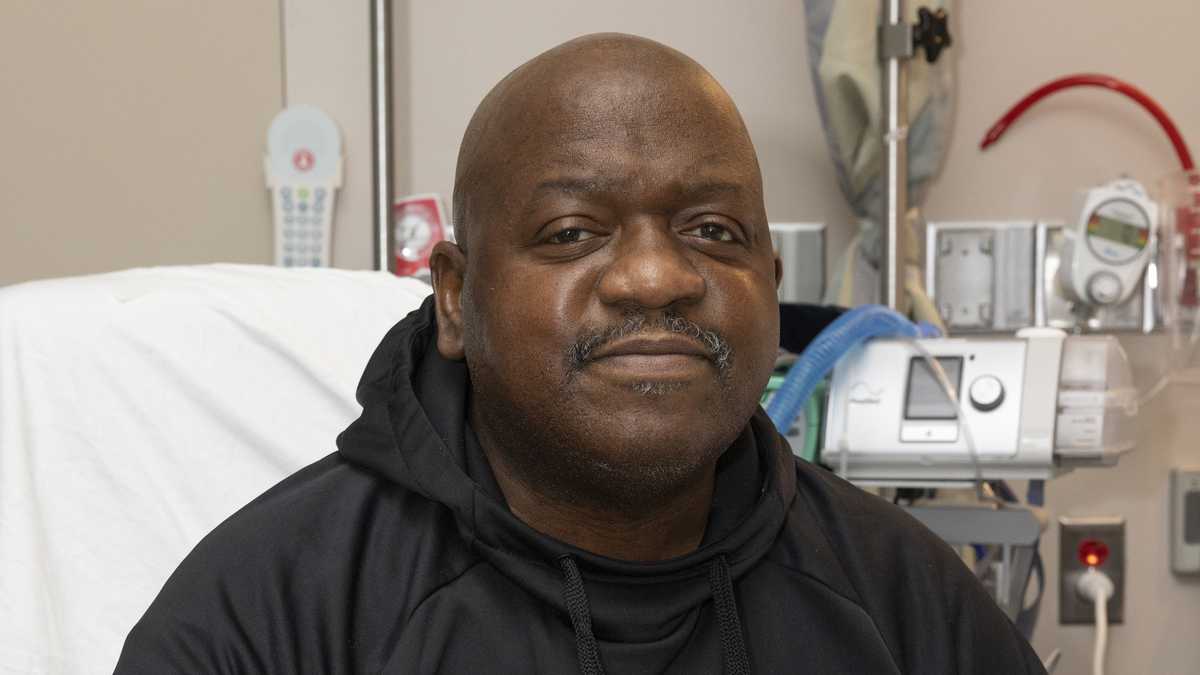
Rick Slayman, a 62-year-old man from Weymouth, died from an unexpected cardiac event two months after receiving a kidney transplant from a genetically engineered pig, according to doctors at Massachusetts General Hospital. The transplant was not rejected by his body, and his death was unrelated to the organ. Slayman, who had a known heart condition, was the first living person to undergo this procedure, which aimed to offer hope to the over 100,000 people in need of organ transplants.
Richard Slayman, a 62-year-old Massachusetts man who received a kidney transplant from a genetically engineered pig, died from an unexpected cardiac event less than two months after the procedure. An autopsy revealed no signs of kidney rejection or other abnormalities, according to Dr. Tatsuo Kawai of Massachusetts General Hospital.
Researchers at Massachusetts General Hospital have developed an AI tool that identifies long COVID symptoms in electronic medical records, estimating a 23% prevalence rate, significantly higher than current estimates. The tool, which analyzes data from nearly 300,000 patients, aims to provide a more accurate and less biased diagnosis of long COVID, potentially improving personalized care and reducing biases in healthcare access.
U.S. News & World Report has named Brigham and Women's Hospital and Massachusetts General Hospital among the top 20 hospitals in the country. Brigham and Women's is ranked No. 1 for OB/GYN care and second for diabetes & endocrinology, while Mass General is top in psychiatry. Both hospitals are also highly ranked in several other specialties.
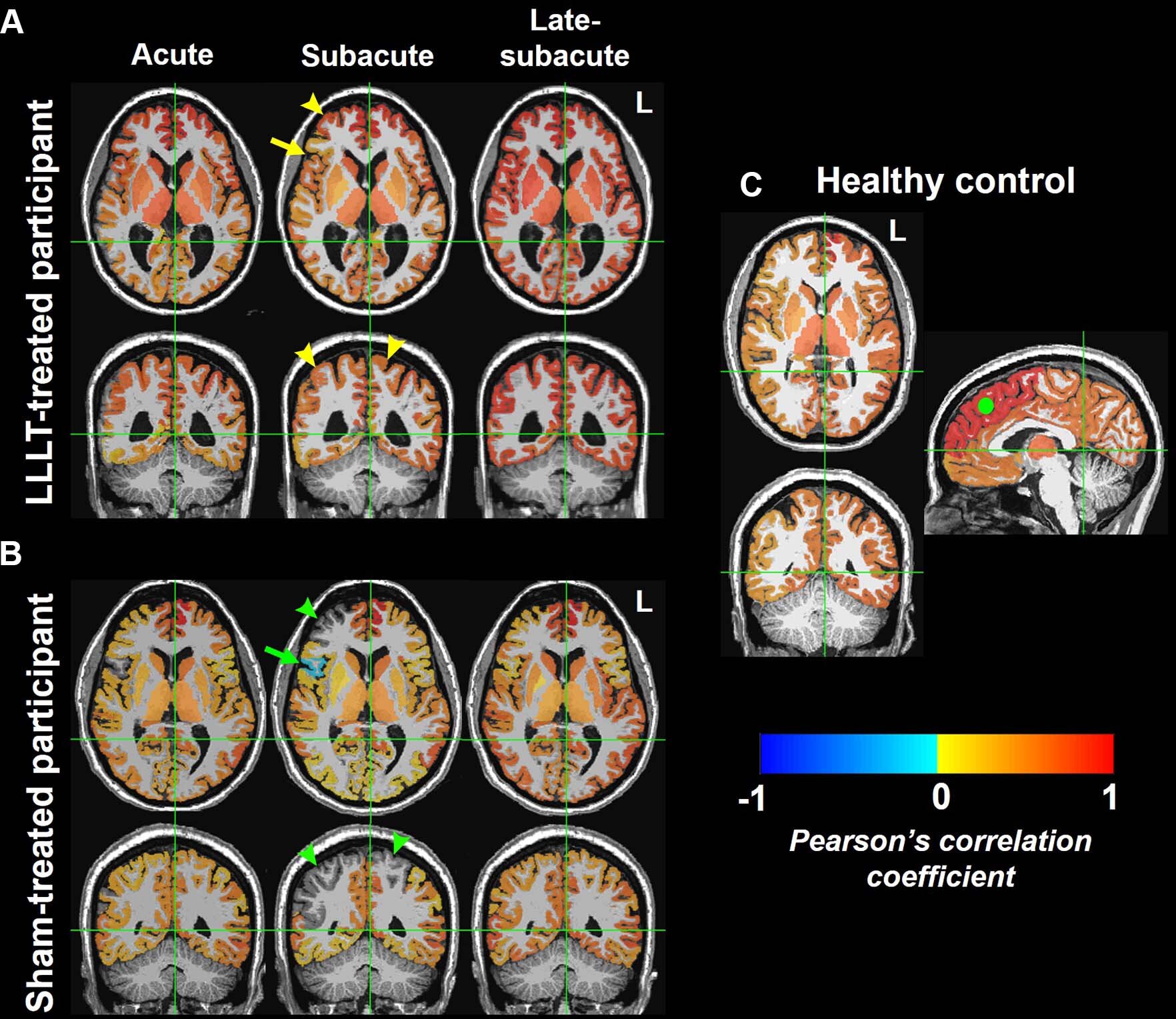
A study by Massachusetts General Hospital found that low-level light therapy (LLLT) increases brain connectivity in patients with moderate traumatic brain injury during the acute-to-subacute recovery phases. Using functional MRI, researchers observed greater changes in resting-state connectivity in patients treated with near-infrared light compared to a control group. While the therapy showed initial benefits, long-term effects and precise mechanisms remain unclear, necessitating further research.
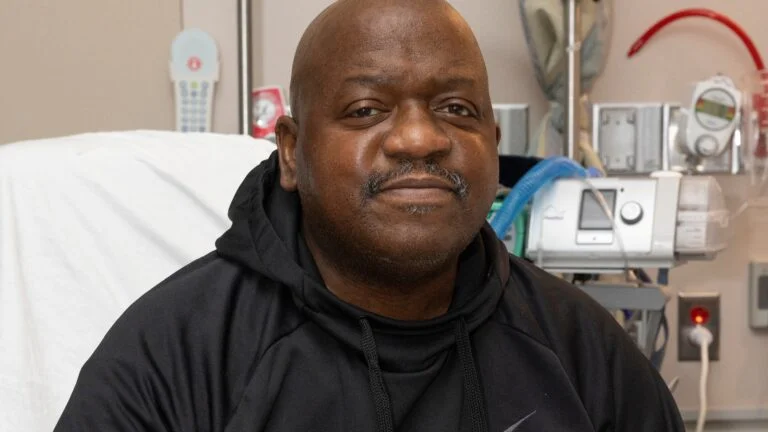
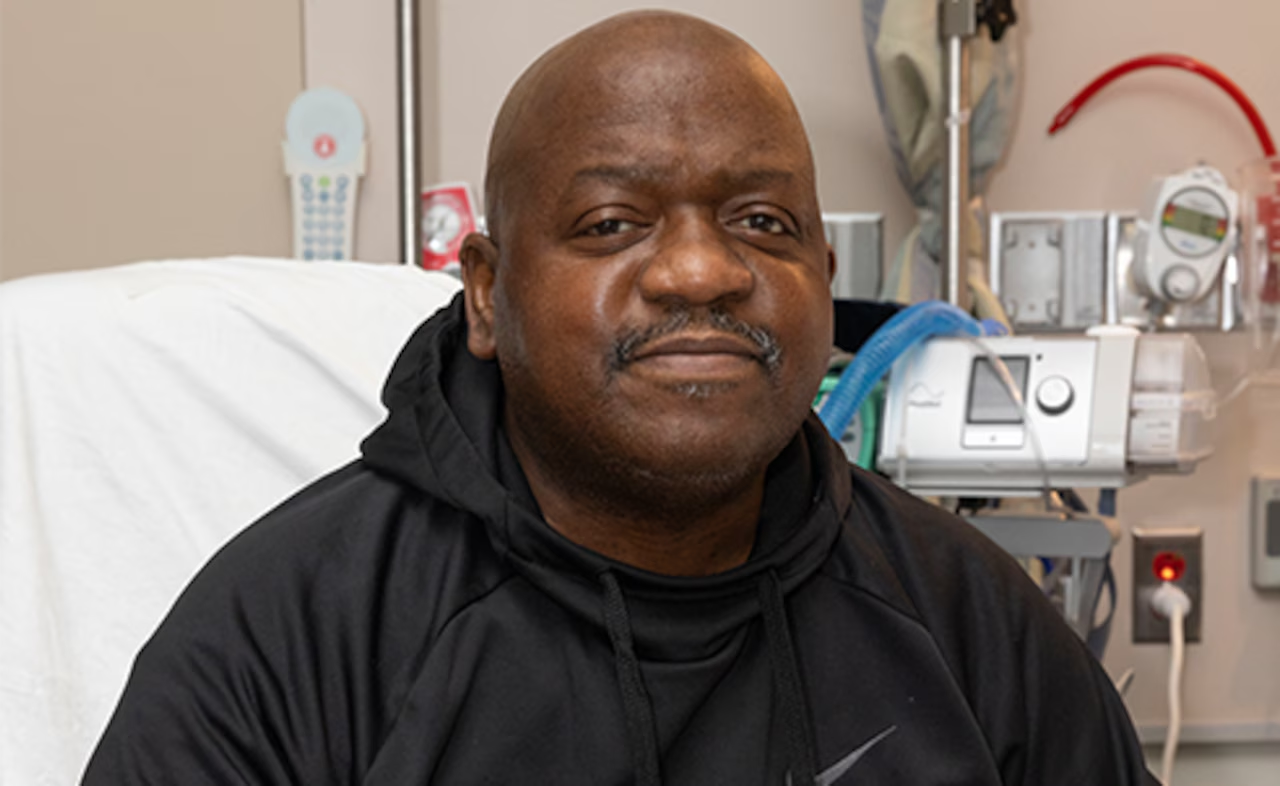
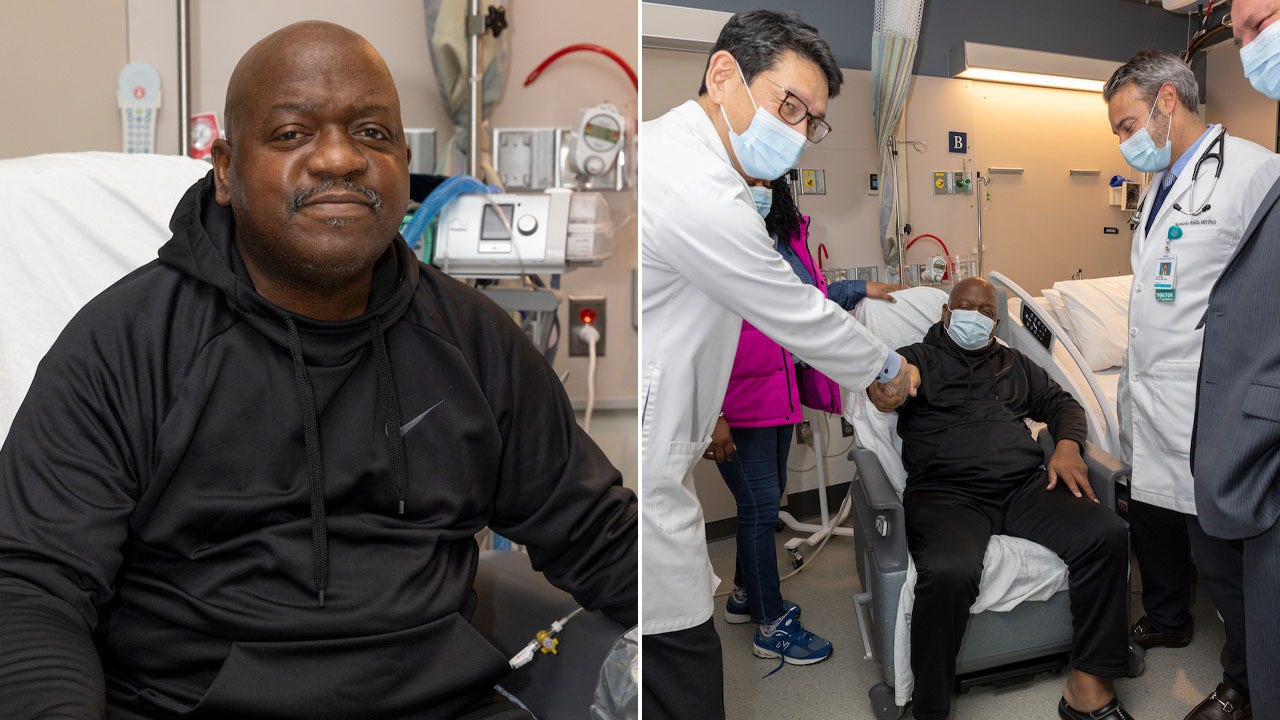
Rick Slayman, the first person to receive a genetically modified pig kidney transplant, has been discharged from Massachusetts General Hospital. The successful surgery marks a historic milestone in xenotransplantation and could potentially provide an alternative solution to the global organ shortage. Slayman, who had end-stage kidney disease, expressed gratitude for the exceptional care he received and is excited to resume spending time with his family and loved ones free from the burden of dialysis.
Rick Slayman, the recipient of the world's first pig kidney transplant, has been discharged from Massachusetts General Hospital after nearly two weeks of recovery. Slayman, who had been living with end-stage kidney disease, diabetes, and hypertension, expressed his gratitude for the exceptional care he received and his excitement to resume a life free from the burden of dialysis. The historic transplant, which took place on March 21, involved a pig kidney that had been genetically edited to remove harmful pig genes and enhance compatibility with humans. Slayman's successful recovery marks a new beginning not only for him but also for others awaiting kidney transplants.
Richard Slayman, a 62-year-old Massachusetts man with end-stage kidney disease, has been discharged from Massachusetts General Hospital after receiving the world's first successful transplant of a genetically edited pig kidney. Slayman expressed gratitude for the chance to live without the burden of his illness and thanked the hospital staff. The procedure marks a major milestone in providing more readily available organs to patients and offers hope for millions suffering from kidney failure worldwide. The historic transplant was performed under a single FDA Expanded Access Protocol and is a significant advancement in the field of xenotransplantation.
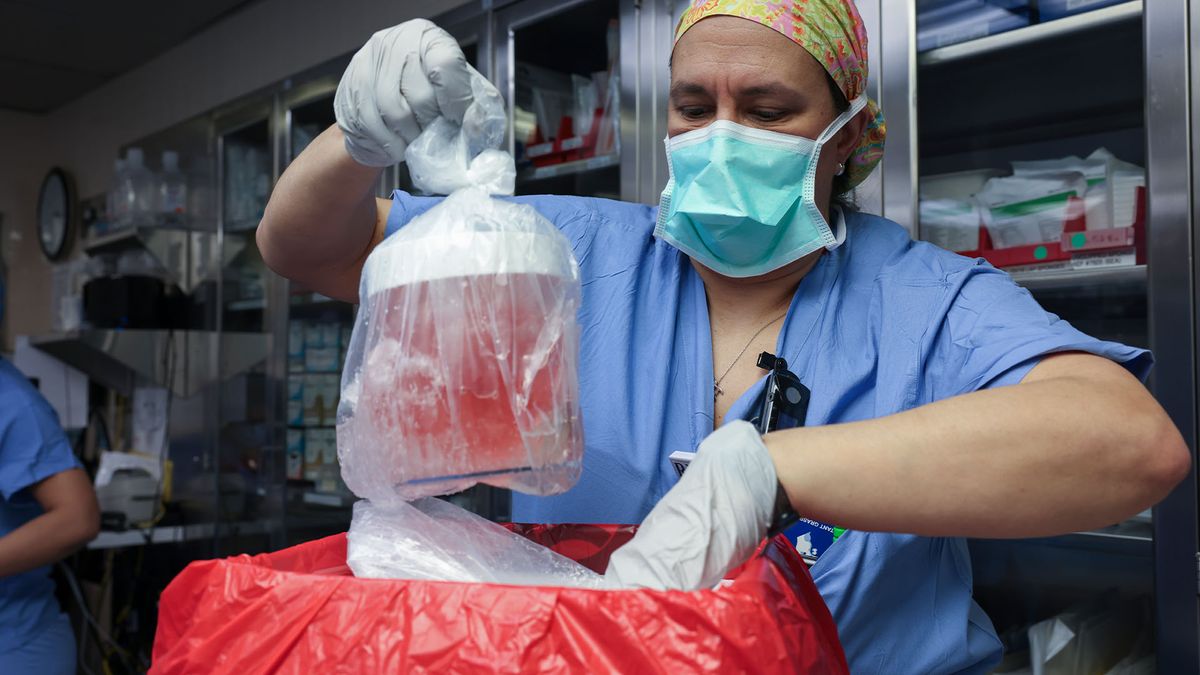
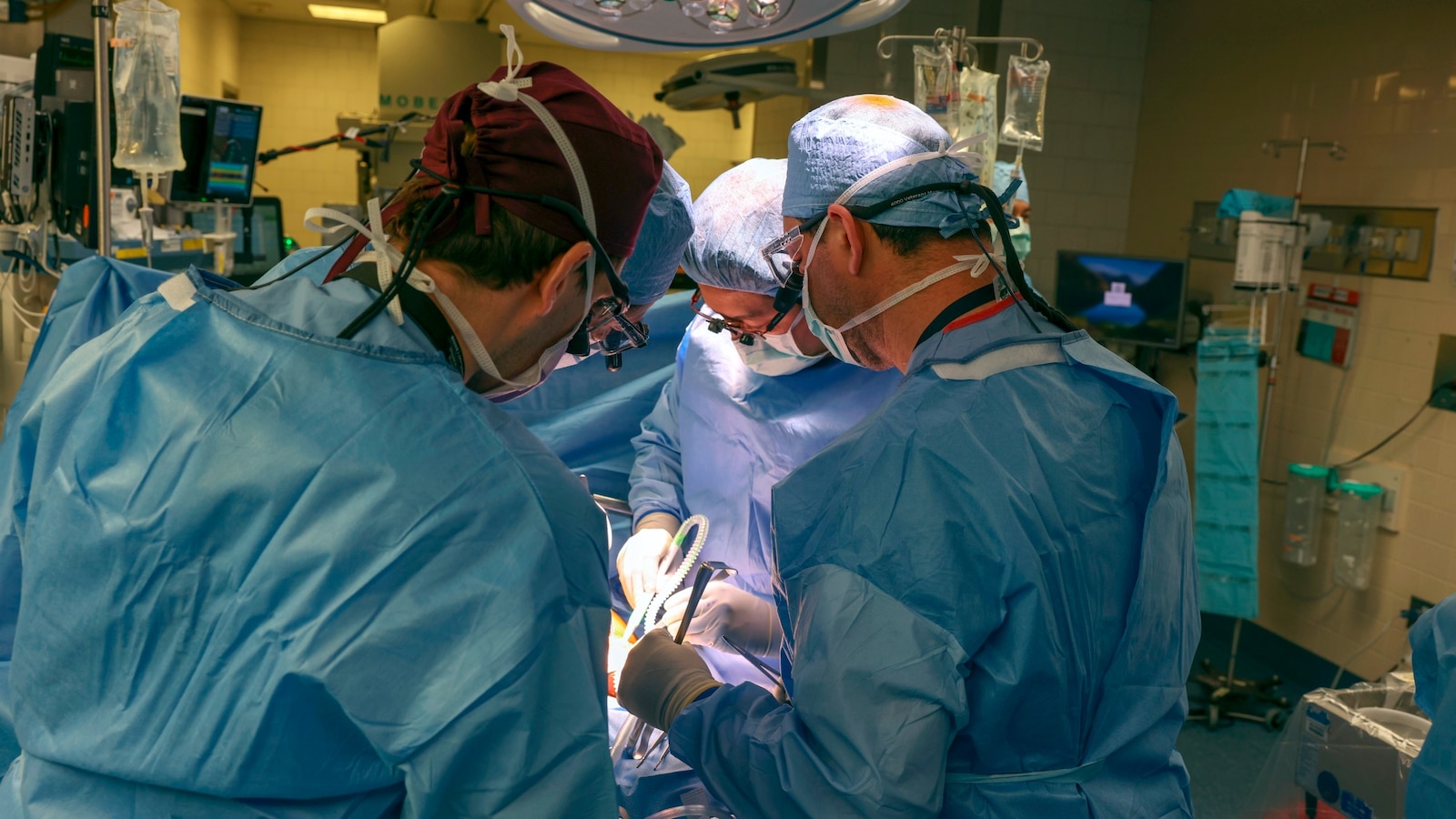
A 62-year-old man in Massachusetts has become the first person to receive a pig kidney transplant, marking a significant medical milestone. The patient, Richard Slayman, underwent a successful four-hour surgery at Massachusetts General Hospital and is expected to be discharged soon. The pig kidney, developed by the biotechnology company eGenesis using CRISPR gene editing, was modified to make it compatible with humans. The apparent success of the procedure raises hope for addressing the critical shortage of human organs available for transplant surgeries and potentially achieving health equity in kidney transplantation.
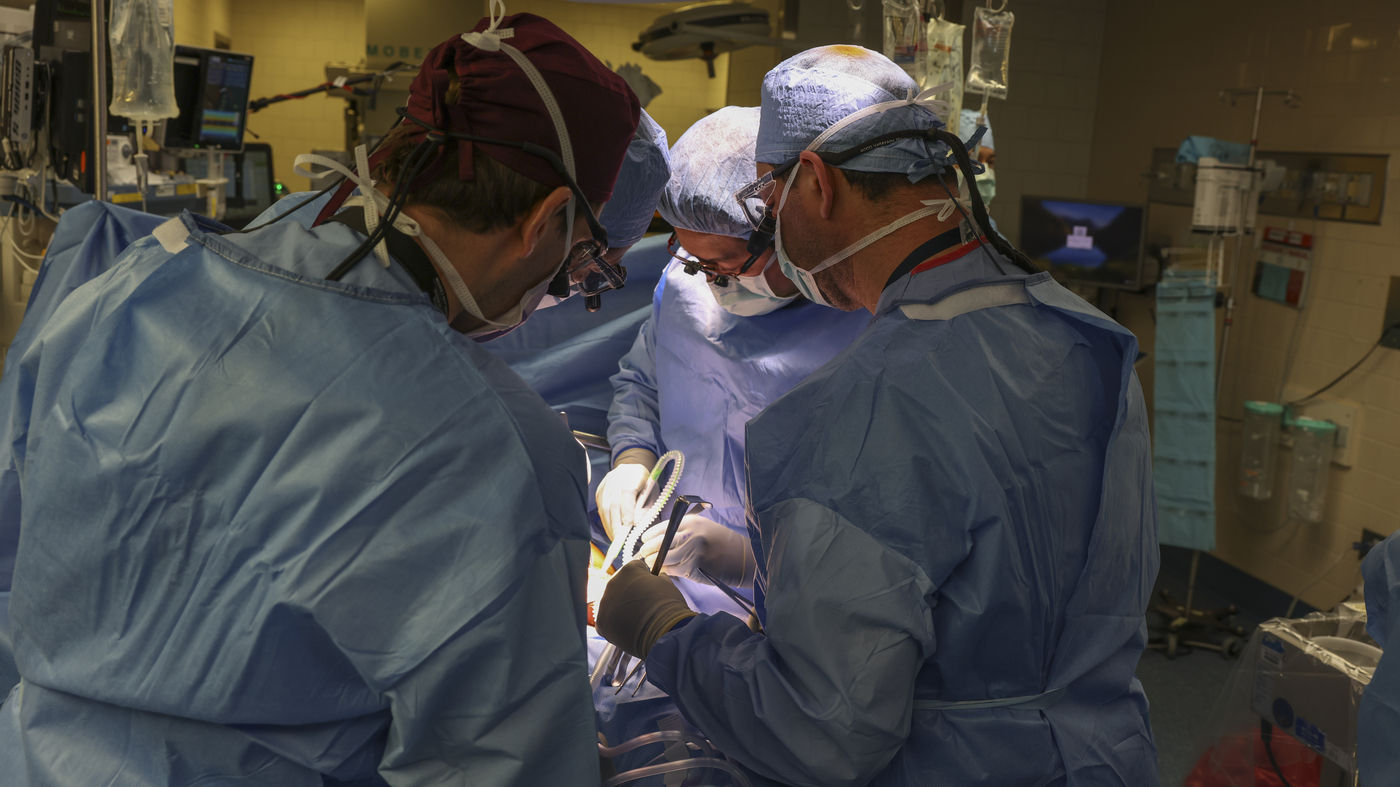
Surgeons at Massachusetts General Hospital have successfully transplanted the world's first genetically edited pig kidney into a living human, marking a major milestone in organ transplantation. The recipient, a 62-year-old man with end-stage kidney disease, is recovering well after the groundbreaking procedure. The kidney, provided by eGenesis, was genetically modified to improve compatibility with humans and reduce rejection. While this achievement offers hope for patients in need of organ transplants, questions remain about the long-term efficacy, safety, and ethical implications of using genetically edited animal organs for human transplantation.
Surgeons at Massachusetts General Hospital performed the first transplant of a genetically modified pig kidney into a living human, a 62-year-old man suffering from end-stage kidney disease. The procedure, part of a fast-moving race to create genetically modified pigs to provide organs for transplants, is seen as a potential breakthrough in addressing the shortage of organs for human transplantation. While it offers hope for millions of patients worldwide, concerns about spreading animal viruses to humans and ethical considerations have been raised.
Surgeons at Massachusetts General Hospital in Boston have successfully transplanted a genetically engineered pig kidney into a 62-year-old man, marking the first procedure of its kind. The patient's condition is improving, with the new kidney already producing urine and the possibility of discharge soon. This breakthrough offers hope to the hundreds of thousands of Americans with kidney failure, potentially providing a new source of kidneys and making dialysis obsolete in the future.