Tag

Phytoplankton

All articles tagged with #phytoplankton

environment5 months ago

Arctic Changes Threaten Global Climate Stability

A study published in Nature Climate Change reveals significant shifts in Antarctic phytoplankton communities over nearly three decades, driven by reduced sea ice and iron availability, leading to a decline in diatoms crucial for carbon sequestration. These changes threaten to disrupt the marine food web and accelerate global climate change by decreasing the ocean's ability to store carbon, highlighting the importance of long-term data collection in understanding climate impacts.

science5 months ago

NASA Supercomputers Uncover Greenland's Melting Ice Impact on Marine Ecosystems

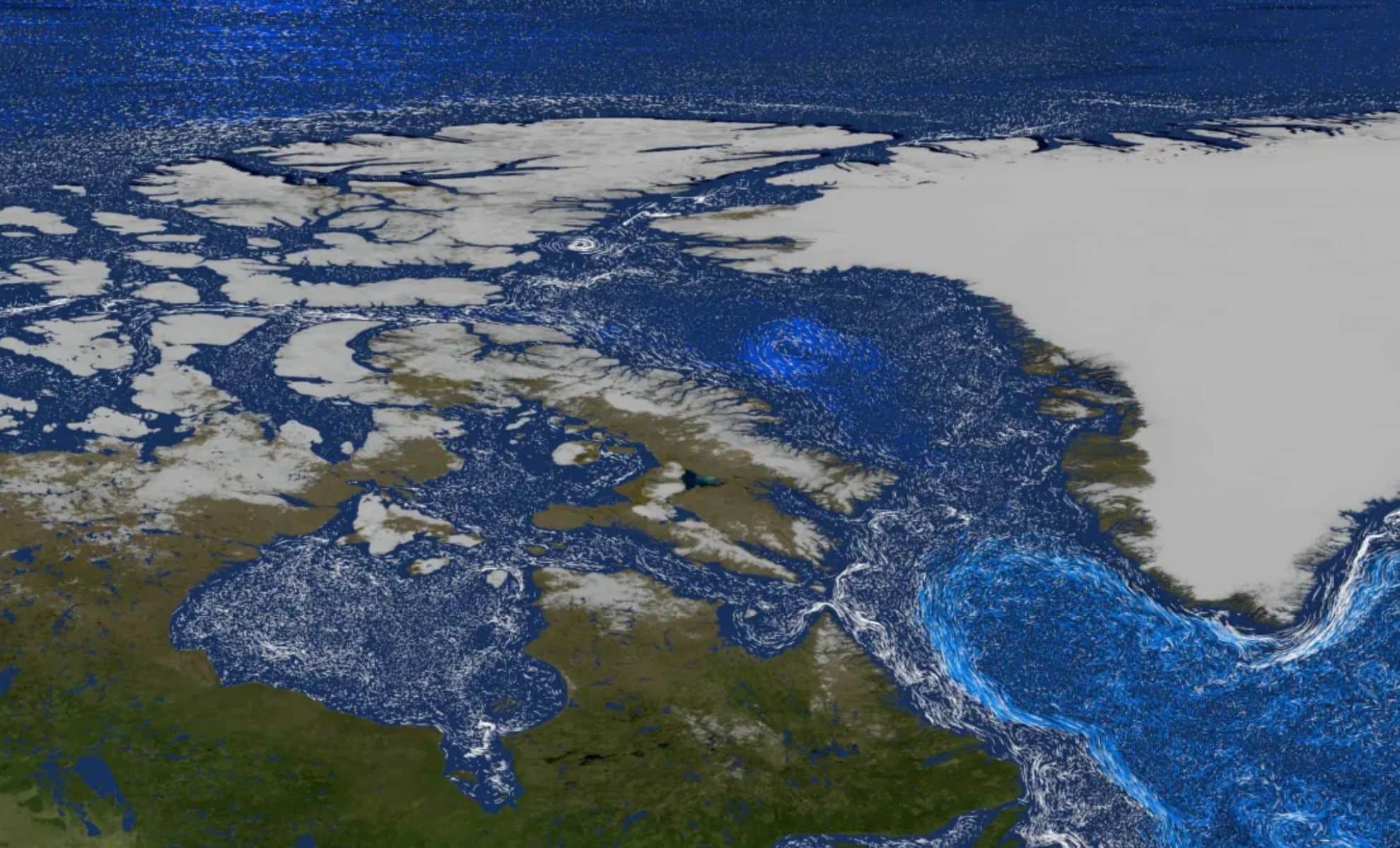
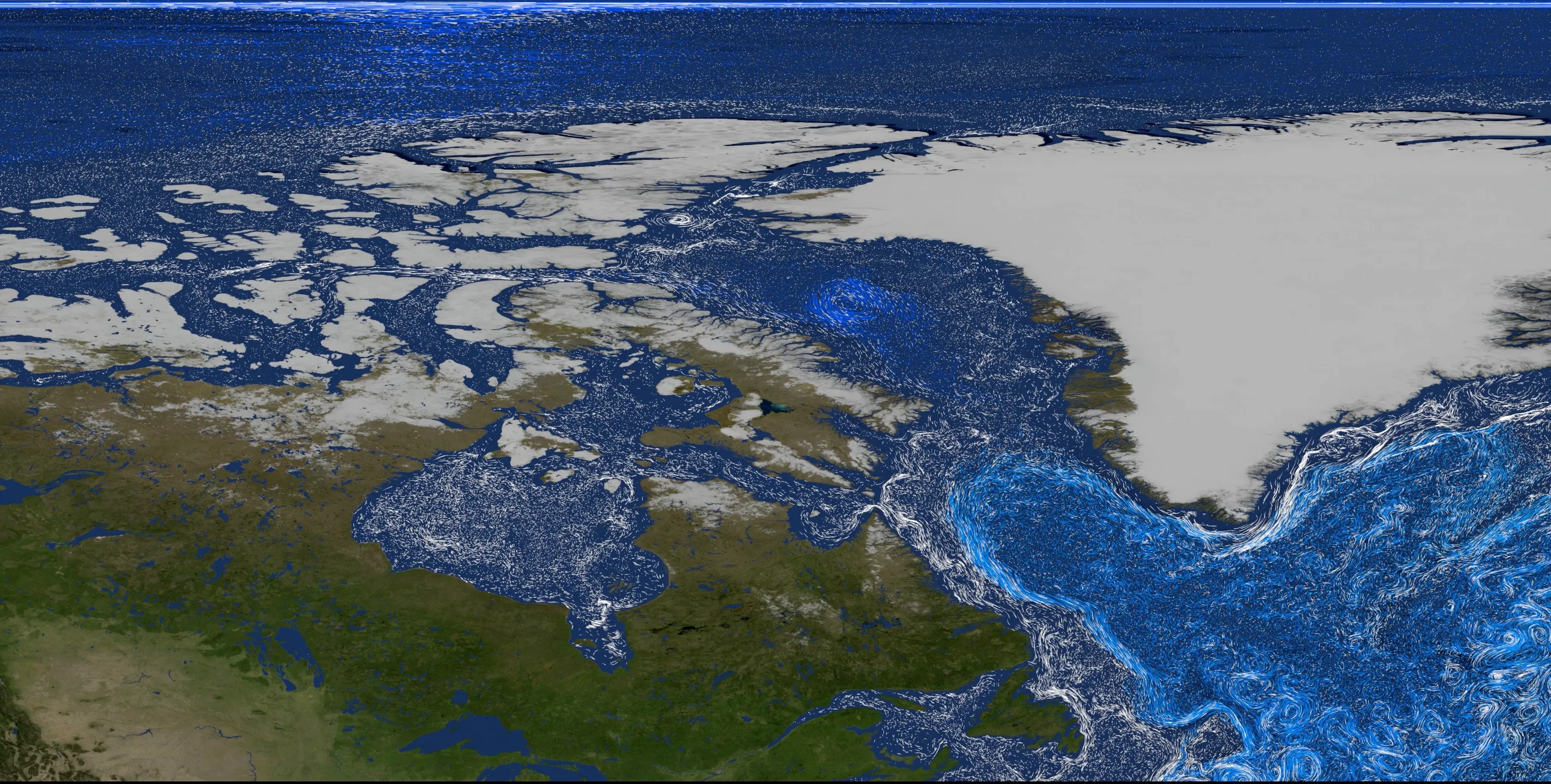
NASA-supported research using supercomputers has revealed that melting glaciers in Greenland, particularly the Jakobshavn Glacier, are releasing nutrients that boost phytoplankton growth, which could impact marine food webs and carbon cycling, with broader implications for understanding climate change effects on ocean ecosystems worldwide.

environment1 year ago

Unstoppable Shift: Earth's Oceans Change Color

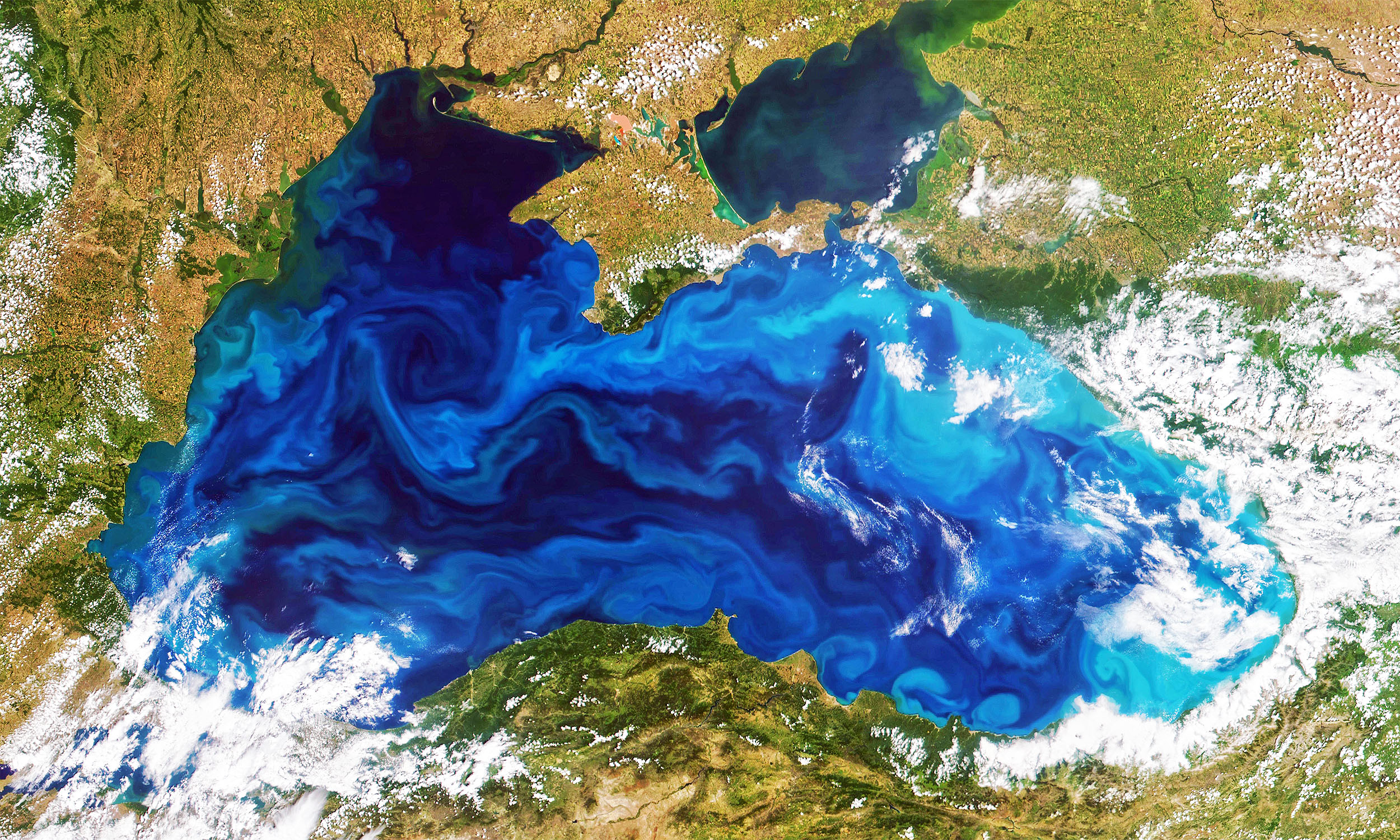
Over the past 20 years, more than half of the world's oceans have changed color, a shift linked to human-driven climate change affecting phytoplankton communities. These microscopic organisms are crucial for marine ecosystems and carbon capture. The changes, observed via satellite data, indicate significant impacts on the marine food web and highlight the urgent need to address climate change.

science-and-technology1 year ago

"NASA's PACE Satellite: Unprecedented View of Earth's Tiniest Mysteries from Space"

NASA is set to launch the PACE satellite on Feb. 6 to monitor Earth's oceans, atmosphere, and land from space. The mission aims to study phytoplankton dynamics in the ocean, track aerosols and clouds in the atmosphere, and observe land vegetation stress. PACE will provide valuable insights into marine ecosystem health, air quality, and climate change impacts, offering a comprehensive view of our planet's health from space.

environment2 years ago

Arctic Warming Sparks Sudden Ecosystem Change in North America's Deepest Lake

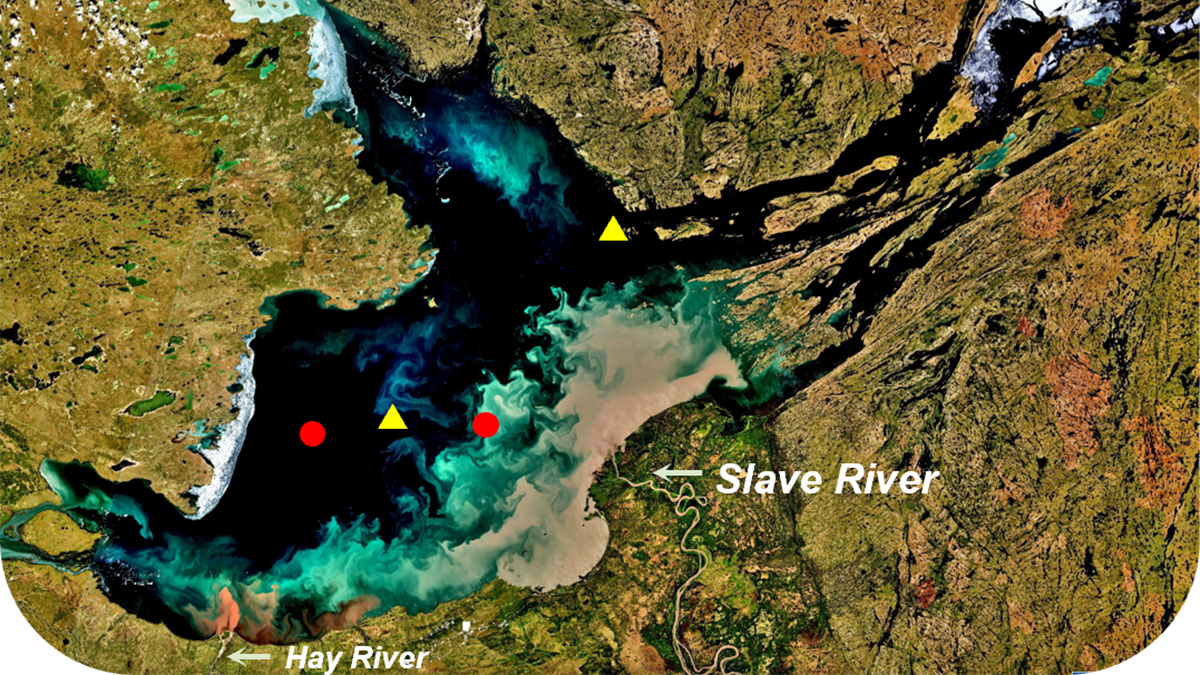
The warming Arctic climate has triggered a radical ecosystem shift in Great Slave Lake, North America's deepest lake. The microscopic algae, or phytoplankton, at the base of the lake's food web have undergone a regime change, with larger diatoms being replaced by smaller, pancake-shaped counterparts. This shift could impact the lake's productivity, carbon dynamics, and food web, affecting nearby communities that rely on the lake as a food and cultural resource. The transformation is attributed to rising temperatures, declining ice cover, and slowing winds in the region. Similar changes are also observed in Great Bear Lake.

science2 years ago

The Impact of Phytoplankton Physiology on Global Climate

A new study explores the relationship between phytoplankton physiology and global climate. Phytoplankton, tiny photosynthetic organisms in the ocean, play a crucial role in the global carbon cycle. Variations in phytoplankton physiology, particularly nutrient uptake, can impact the chemical composition of the ocean and atmosphere, potentially affecting global climate. The study emphasizes the importance of variable stoichiometry of phytoplankton for regulating dissolved oceanic nutrient ratios and highlights marine oxygen levels as a critical regulator in the Earth system. Understanding these connections could help scientists make more accurate predictions about the future of ecosystems and climate.

environment2 years ago

"Oceanic Transformation: Climate Change Turns Blue Seas Green"

Satellite measurements over the past two decades have revealed that the color of the ocean surface is shifting from blue to green, indicating changes in the ecosystem beneath. Researchers have found that 56% of the global sea surface has undergone a significant change in color, with much of the change stemming from the ocean turning more green. This shift confirms a trend expected under climate change and suggests changes to ecosystems within the global ocean. The color changes are likely due to different assemblages of plankton and a more stratified ocean caused by surface waters absorbing excess heat from climate change. NASA's upcoming PACE satellite will provide finer color resolution data to further study ocean ecology.

environment2 years ago

"Oceanic Transformation: Climate Change's Vibrant Impact"

The color of the ocean surface is changing due to climate change, indicating shifts in the ecosystem beneath. Researchers have found that 56% of the global sea surface has experienced a significant change in color, with the ocean turning more green. This change confirms a trend predicted by climate modeling and suggests alterations to global ocean ecosystems. The new method of analyzing ocean color data from satellite instruments has provided insights into long-term trends in just 20 years, compared to the previously estimated 30-40 years. The color changes are likely due to changes in plankton assemblages and increased stratification of surface waters caused by warming temperatures. NASA's upcoming PACE satellite will provide finer color resolution and more information about ocean ecology.

environmental-science2 years ago

Mismatched Phytoplankton and Zooplankton: Climate Warming and Eutrophication Impact

Climate warming and eutrophication can lead to a stoichiometric mismatch between phytoplankton and zooplankton in aquatic ecosystems. When these stressors act individually, the mismatch increases due to the increased nutrient demand of zooplankton. However, when climate warming and eutrophication act together, the mismatch is reversed due to changes in the species composition of the zooplankton community. Understanding the effects of global change on stoichiometric mismatches requires considering both cross-trophic levels and compositional changes within communities.

environment2 years ago

Unveiling the Role of Plankton Super Swimmers in the 2020 Red Tide Event

A study led by scientists at UC San Diego's Scripps Institution of Oceanography and Jacobs School of Engineering has revealed how the historic red tide event of 2020 off Southern California was fueled by the exceptional swimming ability of a plankton species called Lingulodinium polyedra. These dinoflagellates were able to create an exceptionally dense bloom due to their vertical migration, swimming upward during the day to photosynthesize and downward at night to access nutrients. The study validates a 50-year-old hypothesis and highlights the importance of understanding phytoplankton behavior and changes in the coastal environment to predict and mitigate harmful algal blooms.