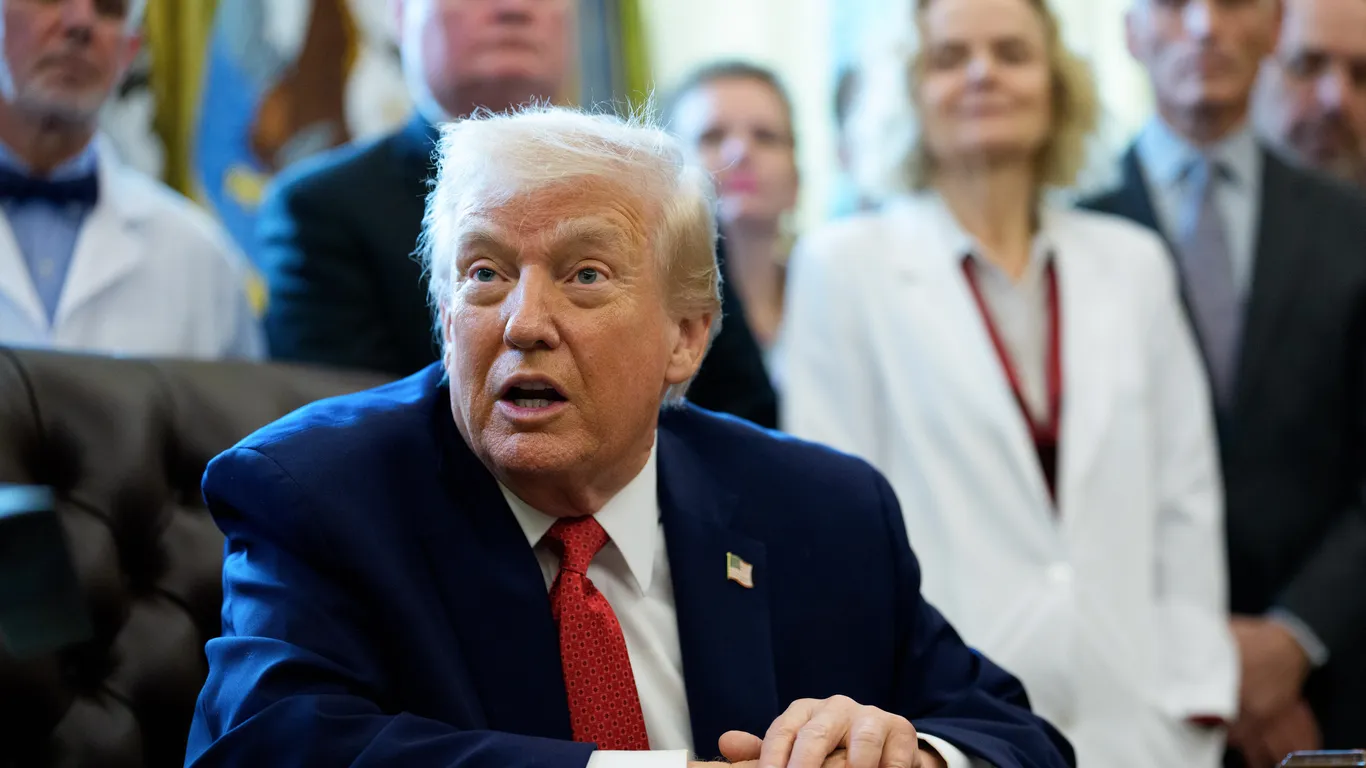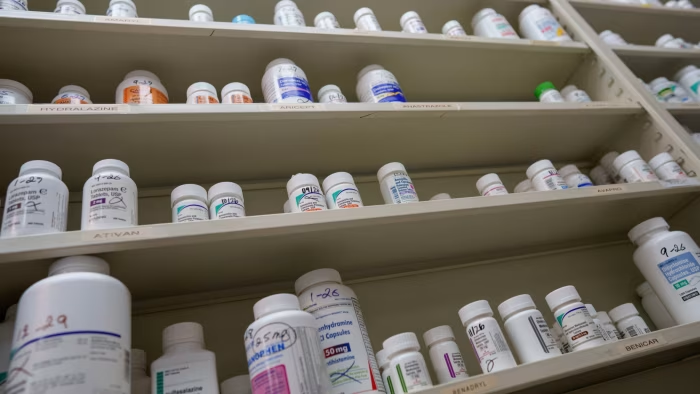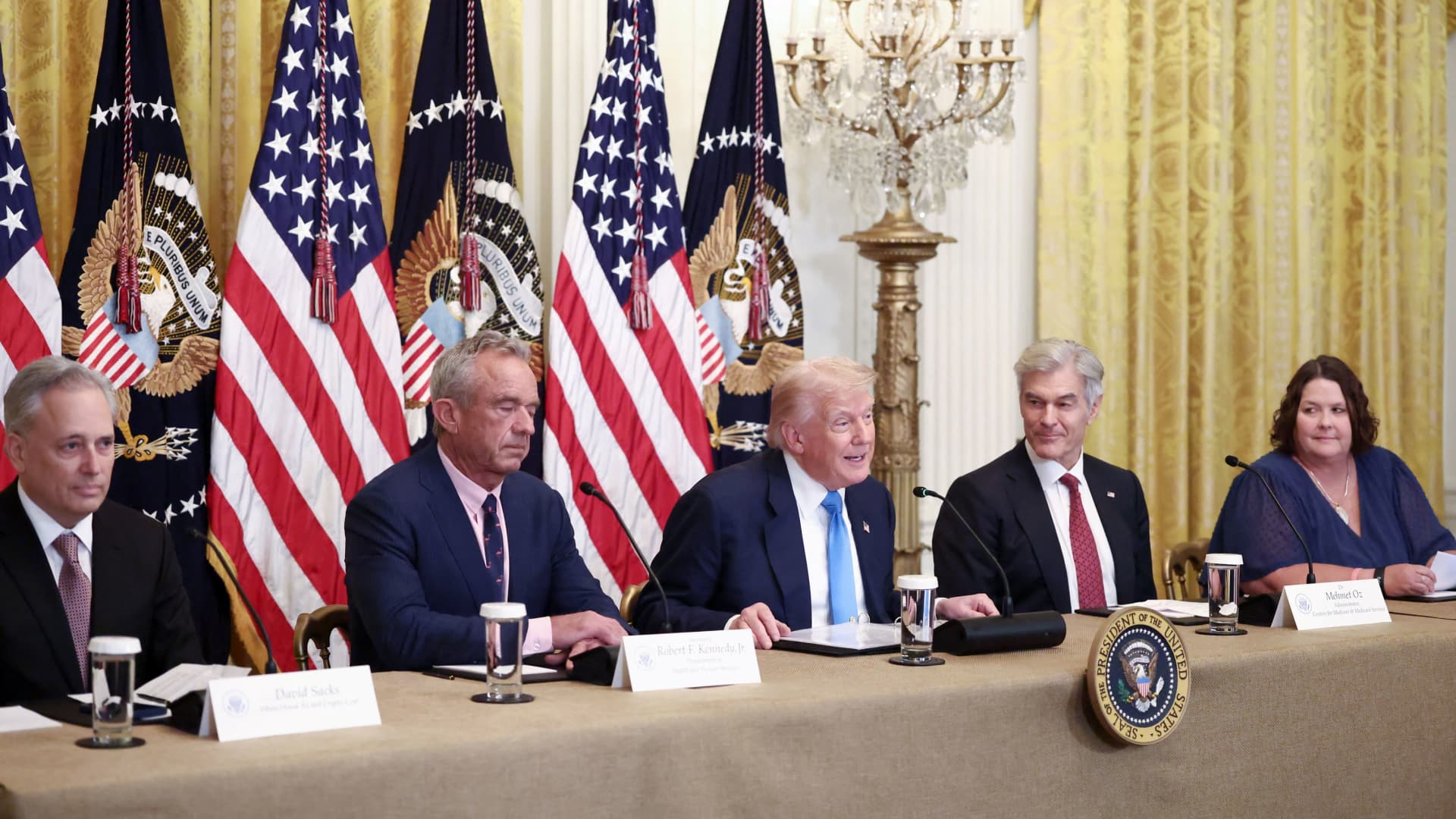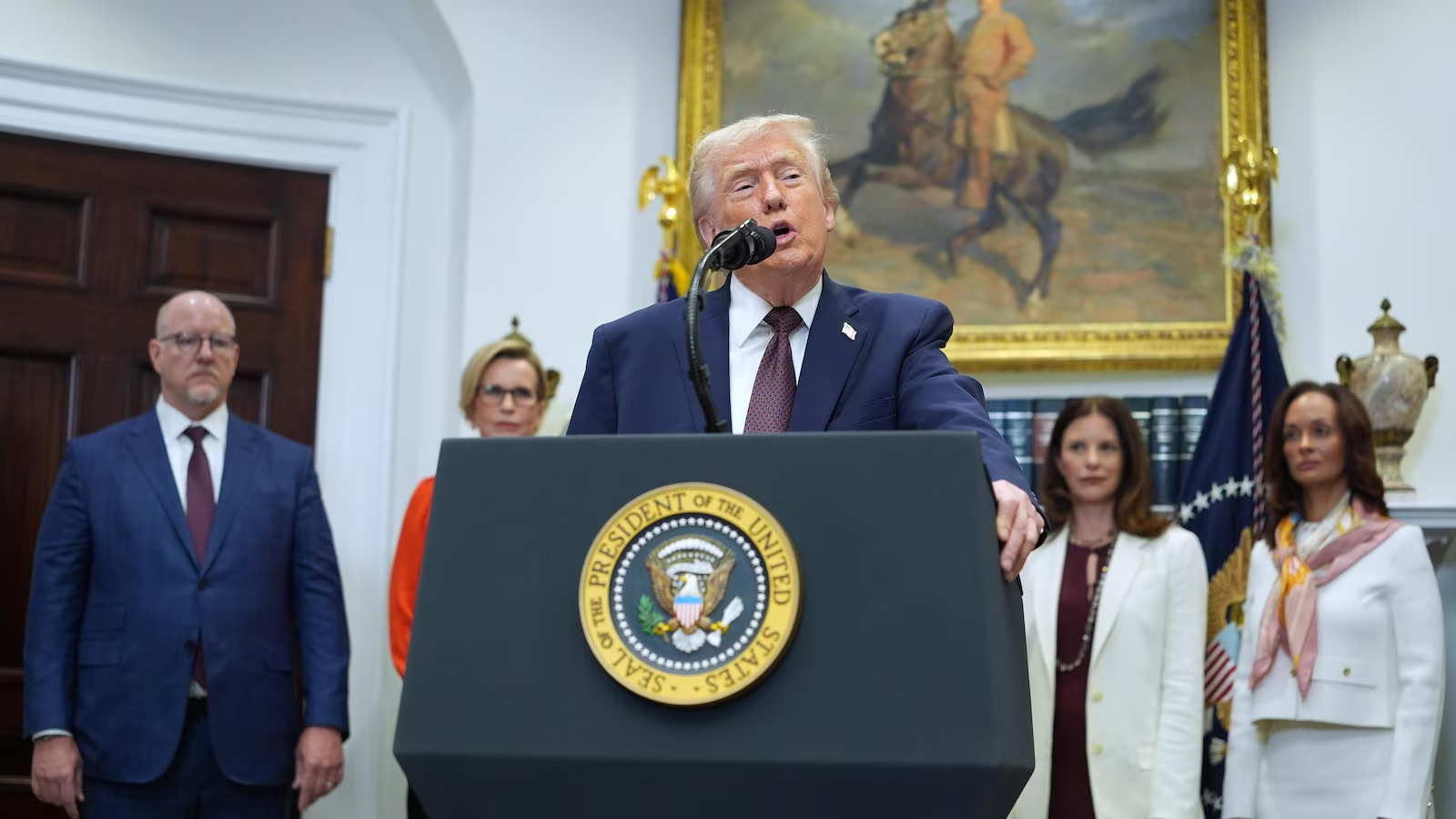
President Trump announced agreements with nine pharmaceutical companies to lower drug prices in the U.S., including matching prices with other developed countries and offering new drugs at 'most-favored-nation' rates. The deal also involves donations of critical medicines and plans to launch a platform for direct drug purchases, aiming to improve drug affordability and health equity. The effectiveness of these measures will take years to fully assess.
Several major pharmaceutical companies, including Merck, struck drug-pricing agreements with the Trump administration, joining other industry leaders in negotiations over drug prices.
Nine pharmaceutical companies have committed to President Trump's drug pricing policies, including lowering U.S. prices for some drugs and participating in the upcoming TrumpRx platform, as part of a broader effort to align U.S. drug prices with those in other developed countries and promote domestic manufacturing. The deals involve offering drugs at most favored nation prices, investing in domestic production, and donating ingredients to the national stockpile, though some drugs are already available as generics.
The FDA issued about 100 warning letters to pharmaceutical companies and healthcare providers, including major drugmakers and telehealth firms, to stop or modify misleading drug advertisements, signaling an aggressive regulatory push despite concerns over resource limitations.
The FDA has issued multiple warning letters to pharmaceutical companies, including Eli Lilly and Novo Nordisk, for misleading drug advertisements across various media, emphasizing concerns over safety disclosures and the portrayal of drugs in a way that may mislead consumers, as part of a broader crackdown on deceptive marketing practices in the industry.
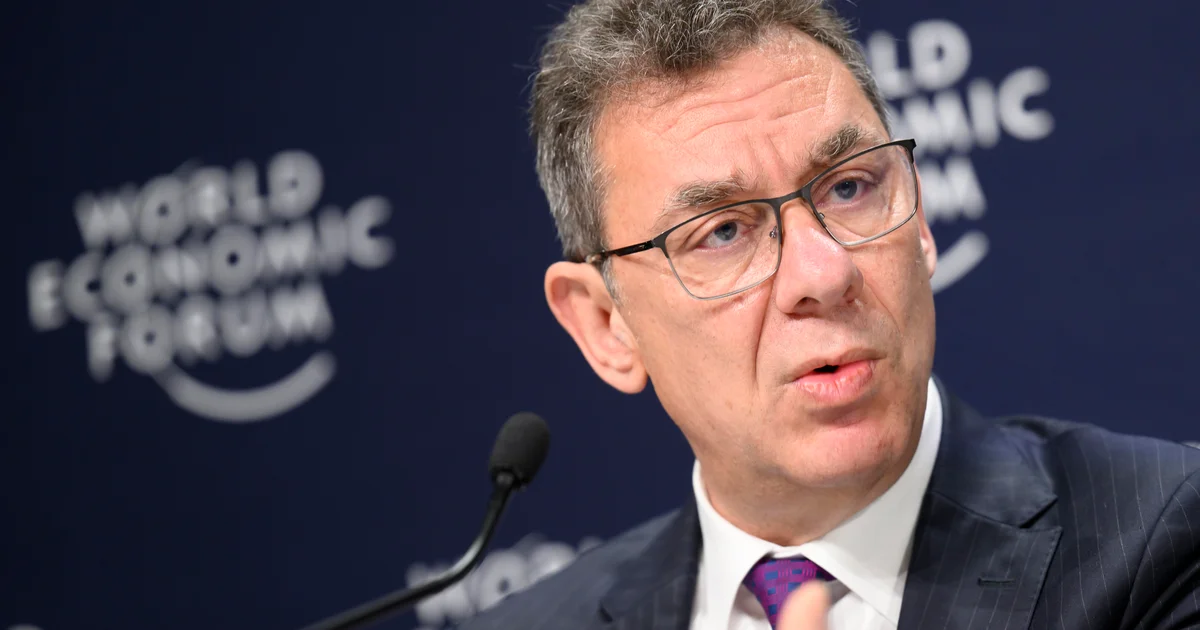
Pfizer CEO Albert Bourla is expected to attend a $25 million fundraiser hosted by President Trump at his Bedminster golf club, amid ongoing efforts by Trump to lower U.S. drug prices through executive orders and letters to pharmaceutical companies, including Pfizer, demanding price reductions.
President Trump has demanded 17 pharmaceutical companies commit to lowering drug prices by September 29, including applying 'most favoured nation' pricing to Medicaid and offering US prices comparable to other developed countries, prompting share price declines and increased lobbying efforts, though legal and practical challenges remain.
President Donald Trump urged 17 major drugmakers to reduce U.S. drug prices within 60 days, threatening to use all available tools if they fail to comply. He emphasized tying U.S. drug prices to lower international prices and demanded commitments to provide the lowest prices to Medicaid, Medicare, and commercial payers, aiming to lower costs for American families amid industry stock declines.
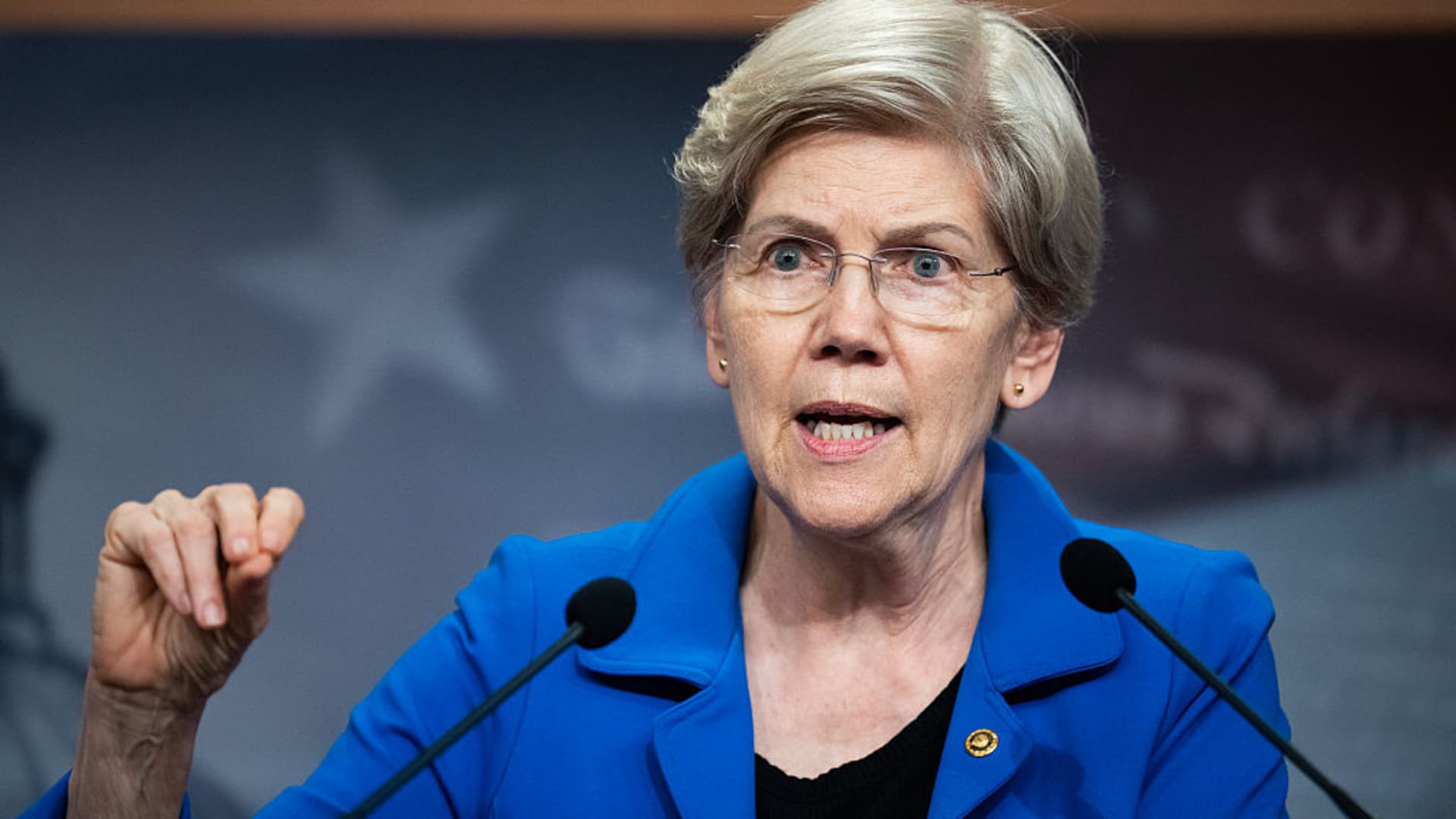
Democratic lawmakers Elizabeth Warren and Jan Schakowsky have criticized major pharmaceutical companies like Pfizer, Merck, J&J, AbbVie, and Amgen for paying little to no federal taxes by shifting profits offshore, and are questioning their support for extending tax cuts in the GOP reconciliation bill. They highlight the practice enabled by the 2017 Tax Cuts and Jobs Act, which they argue benefits wealthy corporations at the expense of American taxpayers, and are seeking responses from these companies about their lobbying efforts and tax liabilities. The issue is part of broader legislative debates over tax reform and pharmaceutical pricing.
Injectable weight loss drugs like Zepbound, Mounjaro, Wegovy, and Ozempic are facing limited availability due to high demand, with most varieties listed as in short supply by the FDA. Eli Lilly, the company behind Zepbound and Mounjaro, expects supply issues to last into 2025 and is working to increase capacity. Similarly, Novo Nordisk is also working to ramp up the supply of its weight loss drug, Wegovy. Patients are advised to check with local pharmacies frequently and plan refills ahead of time, as shortages are expected to continue.
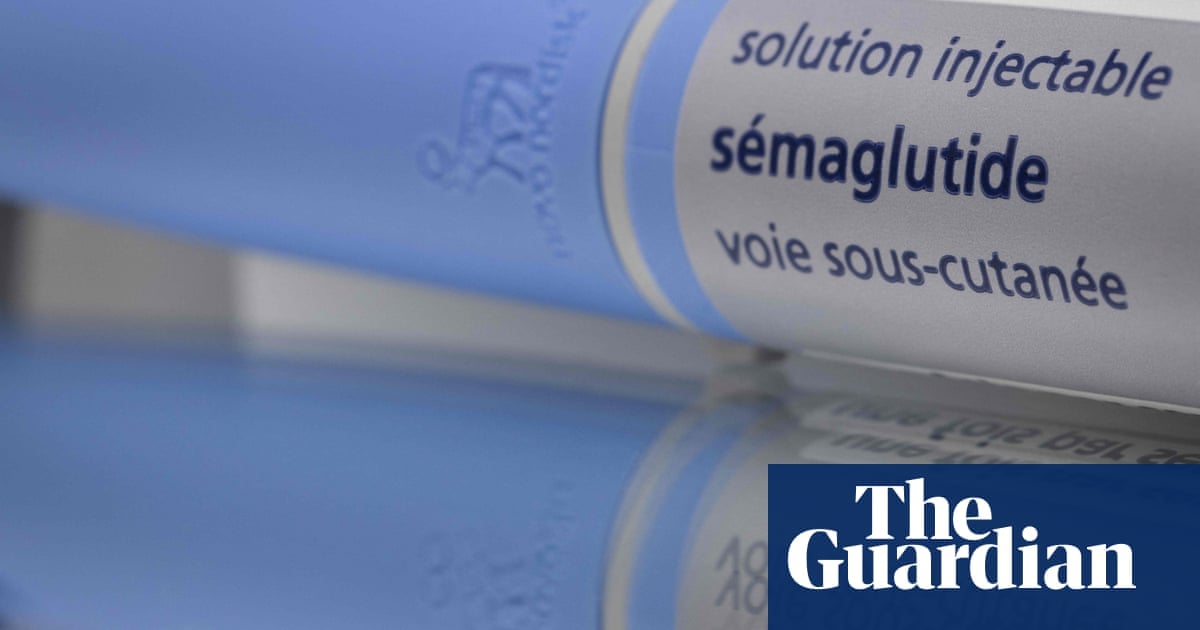
A new study suggests that pharmaceutical companies are pricing diabetes medicines, including modern insulin pens and GLP-1 receptor agonists, at nearly 400 times the level necessary to make a profit. The study found that these drugs could be sold at a profit for as little as $0.89 a month, but are currently priced between $38.21 and $353.74. The research, published by Médecins Sans Frontières (MSF), highlights the unaffordability of these drugs in many parts of the world, despite rising rates of diabetes. The study calls for pharmaceutical companies to prioritize affordability and access to these life-saving medications, particularly in low and middle-income countries.
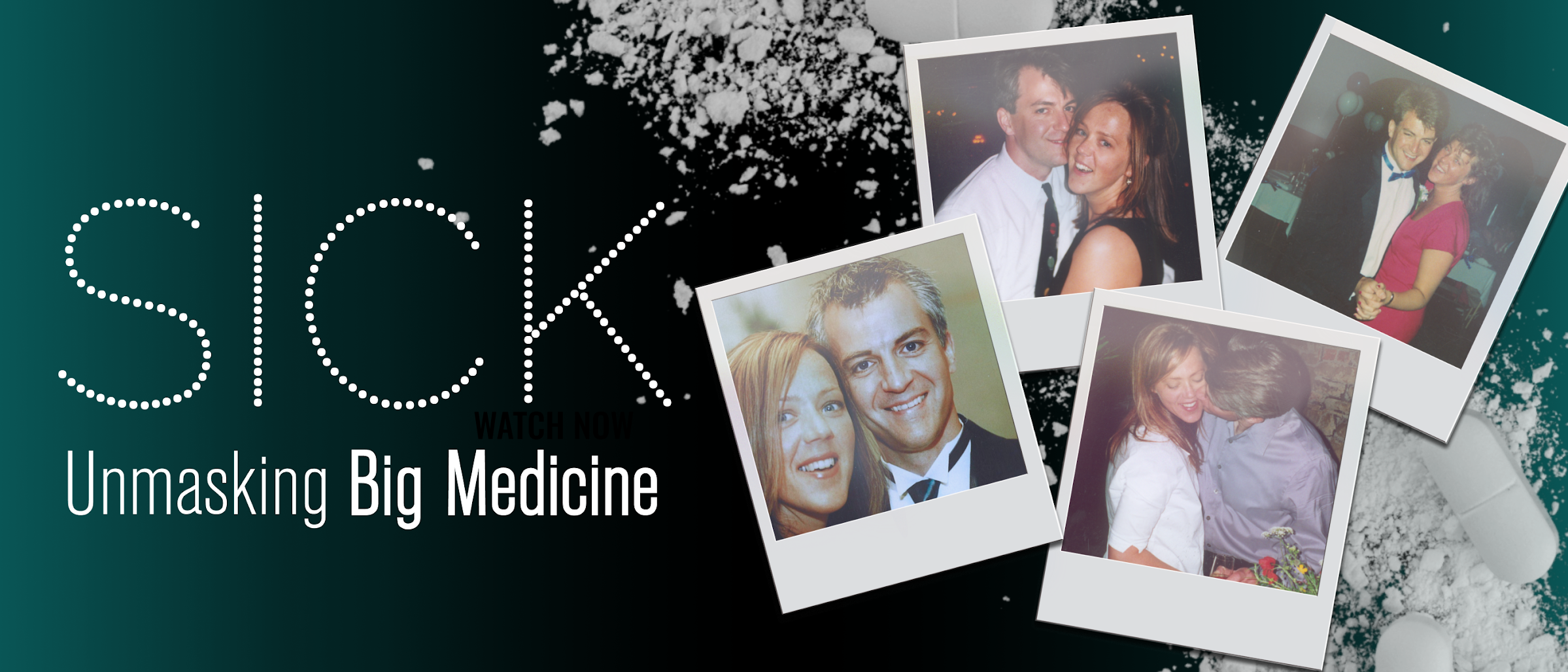
The Daily Caller's documentary "SICK: Unmasking Big Medicine" delves into the pervasive influence of Big Medicine in American healthcare, revealing how doctors, hospitals, and patient advocacy groups often receive substantial financial support from pharmaceutical companies. The film features the story of Kim Witczak, who lost her husband to suicide linked to antidepressant use, shedding light on the overprescription of medications and the compromised nature of various healthcare entities. With billions of dollars flowing into the industry, the documentary exposes the deep-rooted influence of Big Medicine and its impact on medical treatment and advocacy.
Zealand Pharma's stock surged over 34% after positive results in a clinical trial for a liver disease drug that also shows promise for weight loss, potentially challenging market leaders Novo Nordisk and Eli Lilly. Novo Nordisk's sales are projected to increase by up to 26% in 2024 due to the demand for weight loss drugs like Wegovy and Ozempic, with the potential for the company to become one of the first trillion-dollar pharmaceutical companies. Competition in the weight loss drug market is intensifying, with several companies, including Regeneron, Amgen, and Viking Pharmaceuticals, racing to introduce new drugs to compete with the current market leaders.
The weight-loss drugs market, dominated by Novo Nordisk and Eli Lilly, is facing a challenge as their drugs lead to substantial muscle loss alongside fat loss. Biotech companies are now working on addressing this downside, with a focus on maintaining lean mass while shedding fat. The issue of muscle loss has sparked debate, with some arguing its seriousness and others emphasizing its impact on metabolism and long-term health. Companies like Eli Lilly are investing in new drugs and partnerships to tackle this problem, aiming to find a "holy grail" solution that allows for fat loss while maintaining muscle mass.
Brain Tumour Research warns that potential new treatments for brain cancer are being hindered by pharmaceutical companies' failure to provide necessary drugs for research and regulatory delays. The charity is concerned about a reluctance to supply costly drugs for research due to brain cancer being a rare condition. Campaigners are pushing for new regulations to fast-track drug approvals and require pharmaceutical firms to provide drugs for trials, citing the lack of progress in treatment for 30 years and underfunding of research.