Tag

Health Pharmaceuticals

All articles tagged with #health pharmaceuticals

health-pharmaceuticals1 year ago

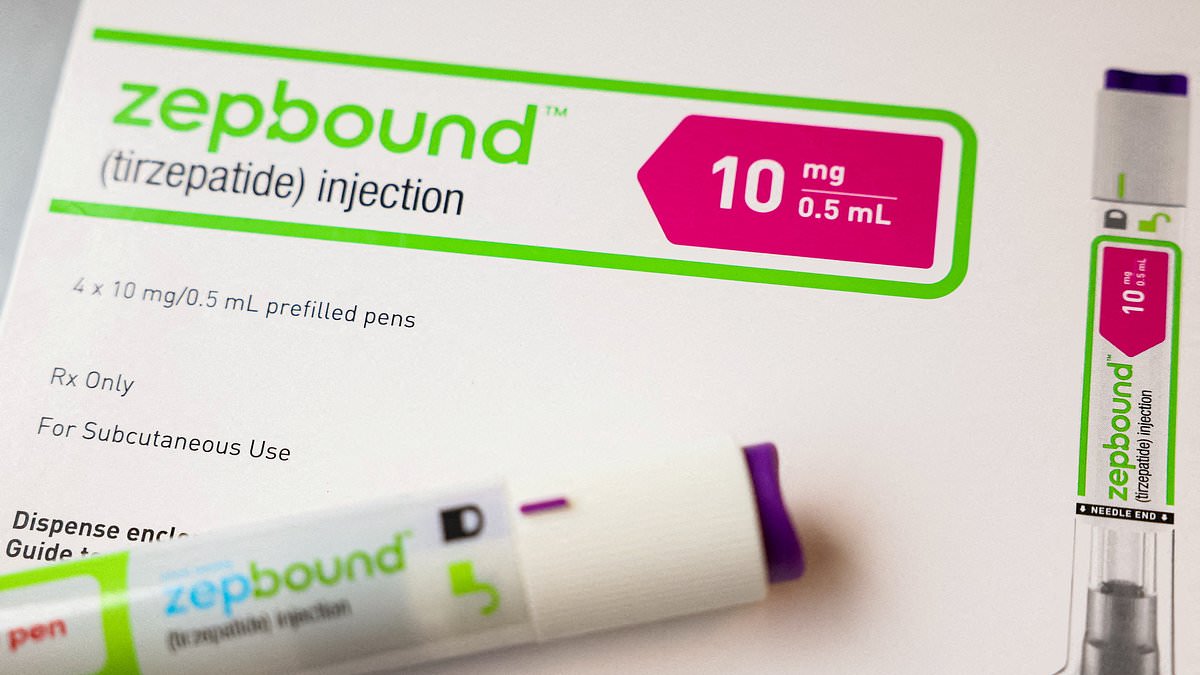
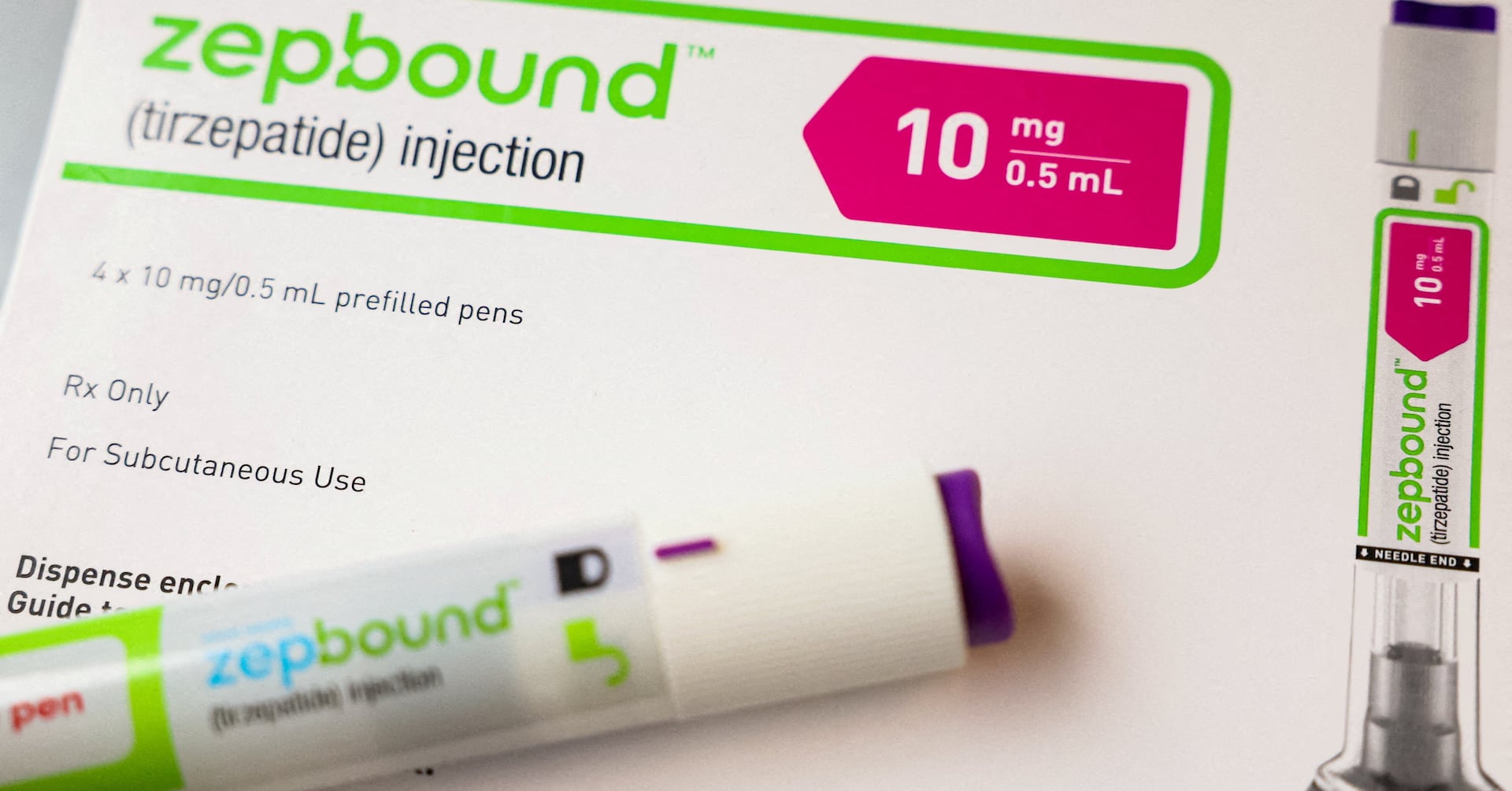
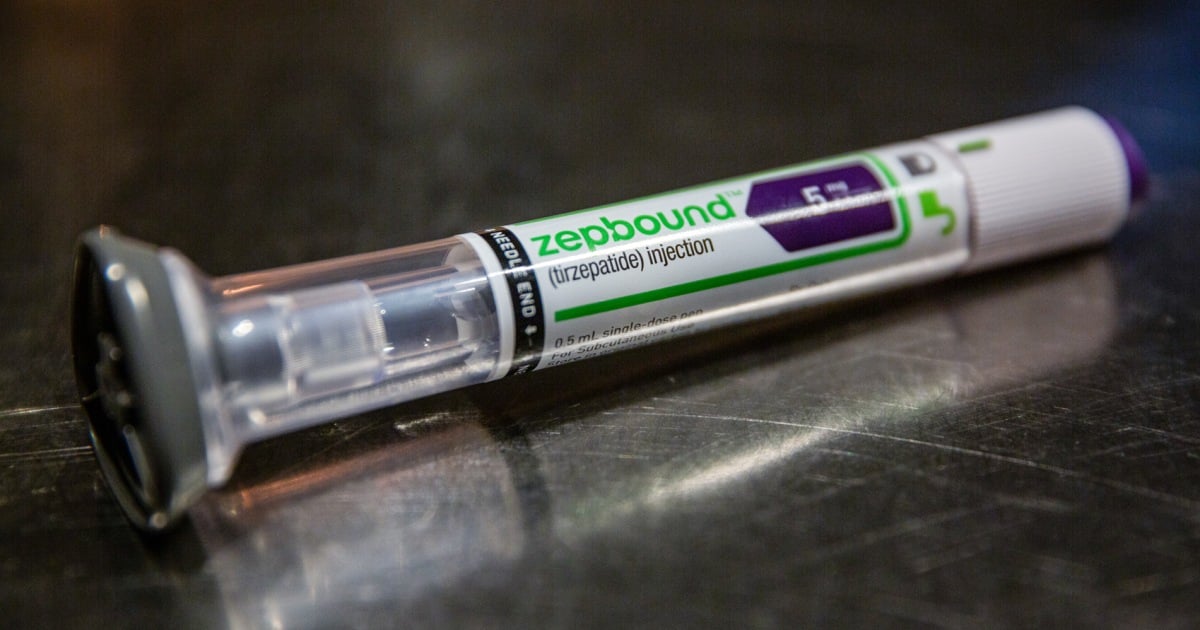
Eli Lilly's Zepbound and Mounjaro Shortage Expected to Continue Through Q2

Eli Lilly's weight loss drug Zepbound is facing widespread shortages just months after its approval, with no immediate end in sight. The shortage is attributed to high demand, and the company is working to increase production capacity. Patients are struggling to find the drug, leading to potential disruptions in their weight loss treatment. Some have had to switch to alternative medications due to the shortage.

health-pharmaceuticals1 year ago

"Diabetes and Weight-Loss Drug Shortages: Limited Supply Challenges Pharmacies"

Most doses of Eli Lilly's weight loss drug Zepbound and diabetes drug Mounjaro will be in short supply through the second quarter of 2024 due to surging demand, according to the FDA. The shortage affects all doses except the 2.5-milligram versions. The company is working to increase production capacity and expects significant increases in the second half of the year, with new facilities planned for the future. The shortage reflects the high demand for these drugs, which are known as incretin drugs and are used for weight loss and diabetes management.

health-pharmaceuticals1 year ago

"Deadly Impact: Prescription Drugs as Leading Cause of Death"

A comprehensive analysis suggests that prescription drugs, particularly psychiatric drugs, are a leading cause of death, with estimates of hundreds of thousands of annual deaths in the United States. The methodology used to estimate drug deaths in hospitals is likely an underestimation, and deaths outside hospitals are often misattributed to natural or unknown causes. The overuse and adverse effects of drugs, including neuroleptics, benzodiazepines, and antidepressants, contribute significantly to the death toll. The author argues that most drug deaths are preventable and calls for stricter drug regulation to address the ongoing drug pandemic.

health-pharmaceuticals1 year ago

"Unforeseen Risks: The Dark Side of Ozempic and Other Weight-Loss Drugs"

Leading doctor Dr. Mark Hyman has warned about the potentially deadly side effects of the weight-loss drug Ozempic, including a 900 percent increased risk of pancreatitis and a 450 percent increased risk of bowel obstruction. The drug, which is given via injection, has been linked to over 100 deaths in the US and can cost up to $1,700 a month. While effective in weight loss, Dr. Hyman cautioned that it comes with significant medical and financial costs, and may require lifelong use to maintain results.

health-pharmaceuticals1 year ago

Amylyx Withdraws ALS Drug Relyvrio from Market Following Failed Trial

Amylyx Pharmaceuticals has decided to voluntarily remove its ALS drug, Relyvrio, from the market following a failed clinical trial that showed the drug's ineffectiveness in treating amyotrophic lateral sclerosis. The company will not make the drug available to new patients and plans to transition existing patients to a free drug program. This move comes after the drug's approval by the FDA in 2022 based on a single trial, which sparked controversy. Amylyx will also reduce its staff by 70 percent and continue to study the results of the failed trial to inform future ALS research while focusing on developing a drug for Wolfram syndrome.

health-pharmaceuticals1 year ago

"Over $1 Billion Spent on Weight Loss and Diabetes Drug Ads"

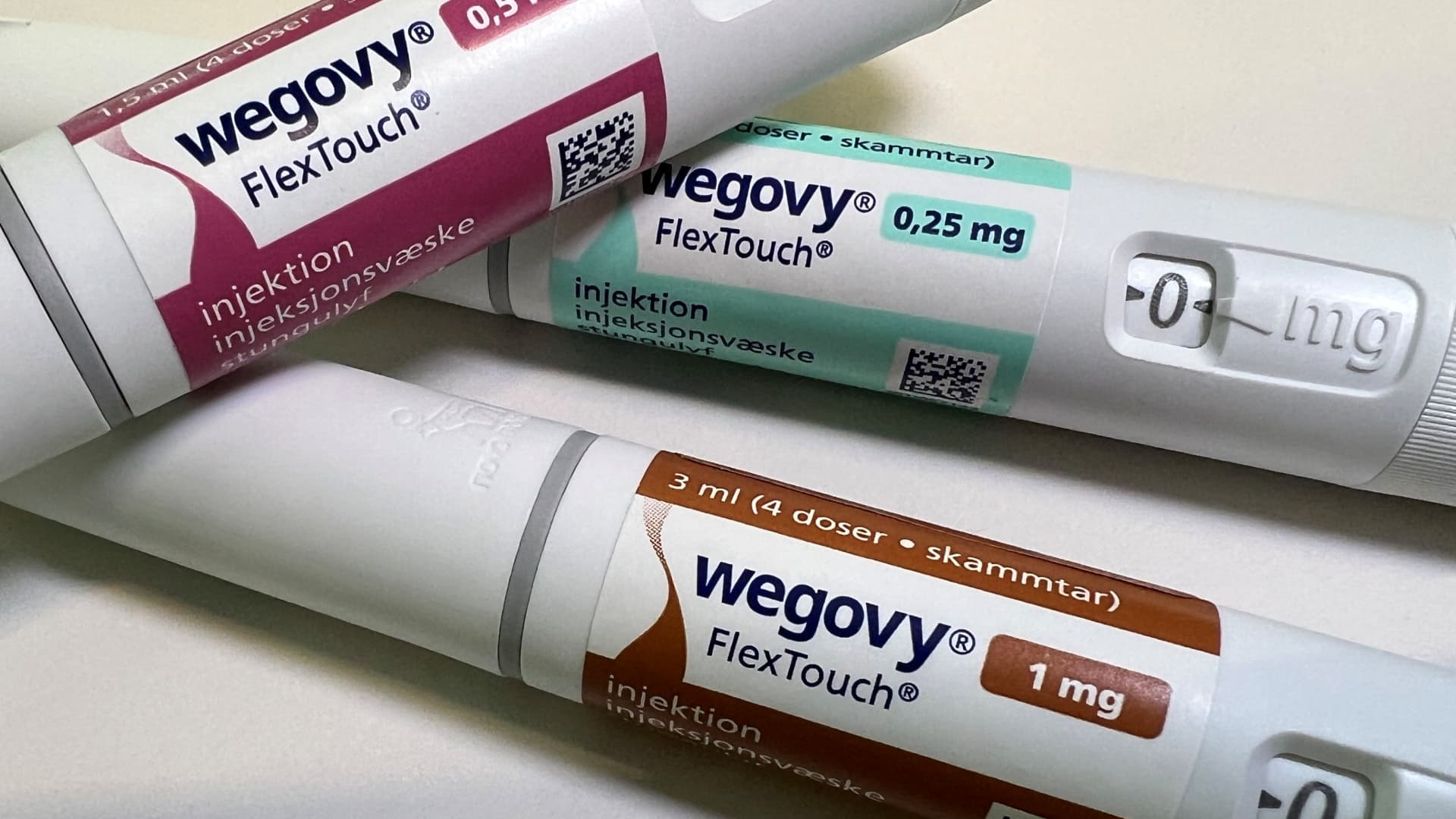
Drugmakers spent over $1 billion on advertisements for weight loss and diabetes drugs in 2023, reflecting the competitive market for these treatments. Novo Nordisk's drugs, Ozempic and Wegovy, have been heavily promoted, contributing to the surge in ad spending. Initial data for 2024 suggests that ad spending for these drugs remains strong. Additionally, the FDA has approved an AI-powered diagnostic tool for sepsis, developed by health tech startup Prenosis, which aims to help clinicians assess a patient's risk of sepsis more effectively.

health-pharmaceuticals1 year ago

"Unveiling the Realities of GLP-1 Weight Loss Drugs for Obesity"

Novo Nordisk's GLP-1 weight loss drug Wegovy, marketed as a treatment for obesity, is facing scrutiny due to concerns around efficacy, pricing, and side effects. Despite its potential, a study revealed that the monthly production cost of the drug is around $5, yet it retails for $1,300 in the US without insurance coverage. Additionally, the drug has been linked to serious side effects, leading to over five dozen lawsuits against pharmaceutical companies, with Novo Nordisk facing the largest number of lawsuits. Furthermore, it has been reported that up to 15% of Wegovy users do not experience significant weight loss, raising questions about its effectiveness as an anti-obesity solution.

health-pharmaceuticals1 year ago

FDA Approves Akebia's Vafseo for Anemia in Chronic Kidney Disease

The FDA has approved Akebia Therapeutics' Vafseo (vadadustat) tablets for anemia due to chronic kidney disease in adults on dialysis for at least three months. Vafseo, a once-daily oral medication, activates the body's response to low oxygen levels to stimulate the production of erythropoietin, managing anemia. With approval in 37 countries and an estimated peak sales of $954 million in 2031, Akebia plans to launch Vafseo in the U.S. later this year, aiming to establish it as a new standard of care for adult dialysis patients.

health-pharmaceuticals1 year ago

"Surge in UK Deaths Linked to Common Anxiety Drug"

The UK has seen a surge in deaths linked to the anxiety drug pregabalin, with 441 deaths in 2022 compared to 187 in 2018. Reports comparing this to the US opioid epidemic may cause undue panic, as most fatalities are due to interactions with other drugs, particularly opioids. The rise in deaths coincides with an increase in pregabalin prescriptions, suggesting a need for better education on risks and drug interactions. Certain groups, such as those with substance use disorder, are at higher risk, and there's evidence of growing illicit use. Understanding why people combine pregabalin with other drugs is crucial for developing strategies to reduce harm.

health-pharmaceuticals1 year ago

"Zepbound Surpasses Wegovy in Prescriptions as New Weight-Loss Drug"

Prescriptions for Eli Lilly's newly-approved weight-loss drug Zepbound have surpassed those for Wegovy for the first time, with nearly 150,000 new patients filling prescriptions for the shots each week. Zepbound, containing the active ingredient tirzepatide, works by suppressing two appetite-regulating hormones, while Wegovy only acts on one hormone. Market analysts predict the weight loss drug industry to grow to at least $100 billion by the end of the decade, with GLP-1 drugs on pace to surpass cancer immunotherapies as the best-selling medicines.

health-pharmaceuticals1 year ago

"Zepbound Surpasses Wegovy in US Prescriptions for Weight-Loss"

Eli Lilly's weight-loss drug Zepbound surpassed Novo Nordisk's rival obesity medicine Wegovy in new U.S. prescriptions for the first time, with 77,590 new prescriptions compared to Wegovy's 6,000 fewer. The competition reflects the growing market for weight-loss drugs, with demand outpacing supplies and analysts predicting a market worth at least $100 billion by the end of the decade. Both Zepbound and Wegovy belong to a class of drugs called GLP-1 agonists, originally developed for type 2 diabetes, and are expected to surpass cancer immunotherapies as the best-selling medicines. GlobalData forecasts the market for these medicines to reach $105 billion by 2029, with Novo Nordisk capturing more than half of that.

health-pharmaceuticals1 year ago

"Geron's Imetelstat Receives FDA Advisers' Backing for Blood Disorder Treatment"

FDA advisers backed Geron's blood disorder drug, imetelstat, for treating transfusion-dependent anemia in patients with myelodysplastic syndromes, despite concerns about risks and toxicities. The panel voted 12-to-2 in favor of the drug's benefits, with discussions focusing on the high rate of cytopenias in patients tested with the drug. If approved, imetelstat will compete with Bristol Myers Squibb's Reblozyl and is projected to generate $933 million in sales by 2029. The FDA is expected to make a decision on the drug by June 16.

health-pharmaceuticals1 year ago

"Novo Nordisk's Breakthrough Weight-Loss Pill Outperforms Ozempic in Clinical Trial"

Novo Nordisk's experimental weight-loss pill, amycretin, has shown promising early results in a small trial, with participants losing 13 percent of their body weight over three months, double the effectiveness of its existing drugs Ozempic and Wegovy. The pill, taken orally unlike the injections, mimics the gut hormone GLP-1 and another hormone called amylin. While the results have sent the company's shares soaring, experts caution that more research is needed to establish its long-term effectiveness and safety. The trial involved 16 participants, and further data from an injectable form of amycretin is expected next year.

health-pharmaceuticals1 year ago

"Wegovy: FDA Approval for Heart Health Benefits Signals Potential Insurance Coverage Expansion"

The FDA has approved Novo Nordisk's weight loss drug Wegovy for reducing the risk of serious cardiovascular complications in adults with obesity and heart disease, marking the first time a weight loss medication has gained expanded use for preventing life-threatening cardiovascular events. The approval could expand insurance coverage for the costly drug and similar treatments for obesity. Wegovy, which mimics a gut hormone to suppress appetite, showed a 20% reduction in the overall risk of heart attack, stroke, and death from cardiovascular causes in a landmark phase three trial. This move could also help Novo Nordisk maintain its lead over competitors in the weight-loss drug market.

health-pharmaceuticals1 year ago

Amylyx's ALS Drug Relyvrio Fails Phase 3 Trial, Potential Market Withdrawal

Amylyx's FDA-approved ALS drug, Relyvrio, has failed a crucial Phase III trial, prompting the company to consider withdrawing the drug. In a study of 664 ALS patients, the drug did not outperform a placebo and missed all secondary outcomes, including quality-of-life assessments and muscle function. The failure puts access to the drug in jeopardy and is a significant setback for the treatment of the neurodegenerative disease.