To combat the negative effects of shorter, darker days, the article suggests going to bed earlier, getting outside in the morning, eating mood-boosting berries, adding houseplants, exercising with proper gear, socializing, and using fairy lights to improve mood and regulate circadian rhythms during autumn and winter.
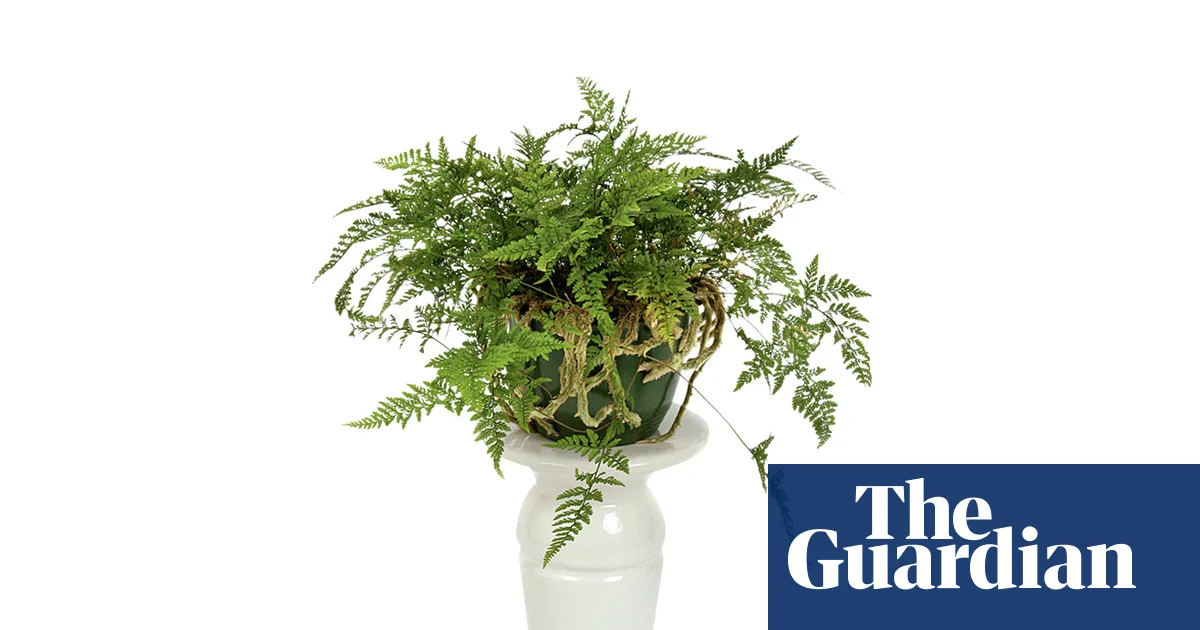
The brown lumps on the rabbit’s foot fern are likely scale insects, which can be treated with neem oil or insecticidal soap, and prevention involves quarantine, regular inspection, and maintaining good airflow.
Vionna Wai and her husband pay $1,600 a month for a one-bedroom apartment in Brooklyn, where they live with 150 houseplants and two cats. Wai, a construction engineer, finds taking care of her plants to be a form of self-care, spending about 30 minutes a week on maintenance. The couple has a designated "cat jungle corner" for their pet-friendly plants and hopes to one day have a greenhouse in the countryside.
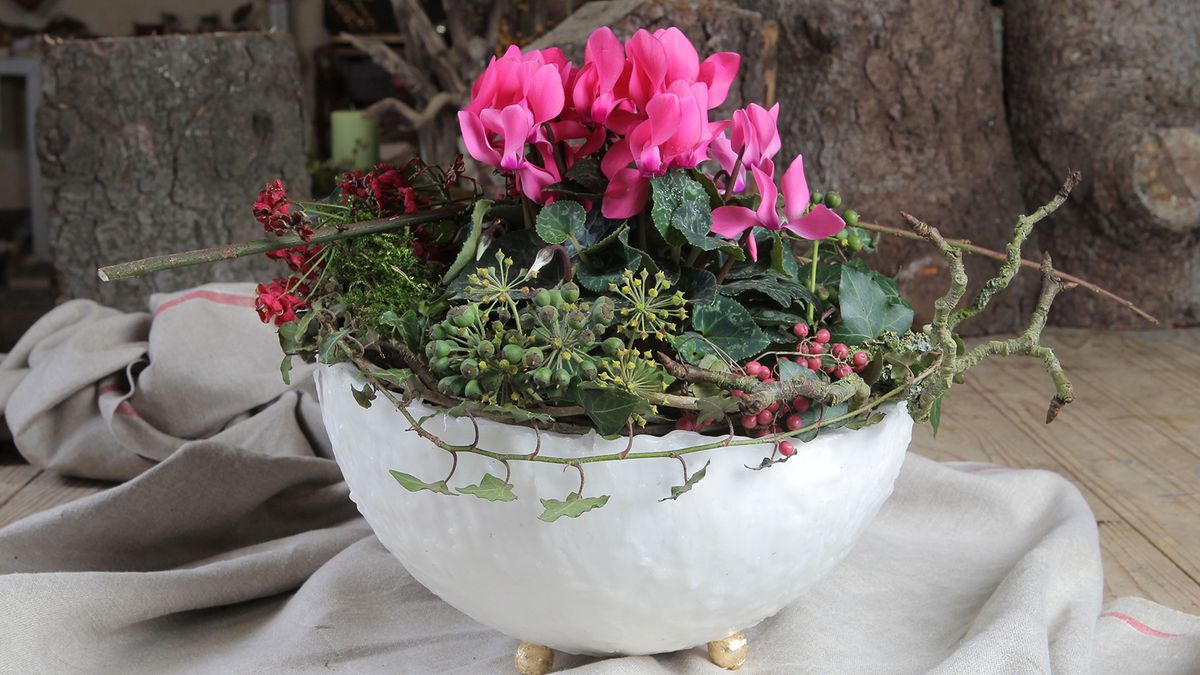
Indoor cyclamen are beautiful houseplants that can last from fall to spring with proper care. To ensure their longevity, find a cool spot away from direct sunlight and avoid hot spots in your home. Water cyclamen from the base to prevent fungal diseases and allow the soil to slightly dry between waterings. Use a balanced, water-soluble fertilizer every couple of weeks during the growing season. Deadhead wilted flowers to prevent mold and repot the cyclamen in fresh compost to encourage future flowering. With proper care, cyclamen can last several months and bloom again the following season.
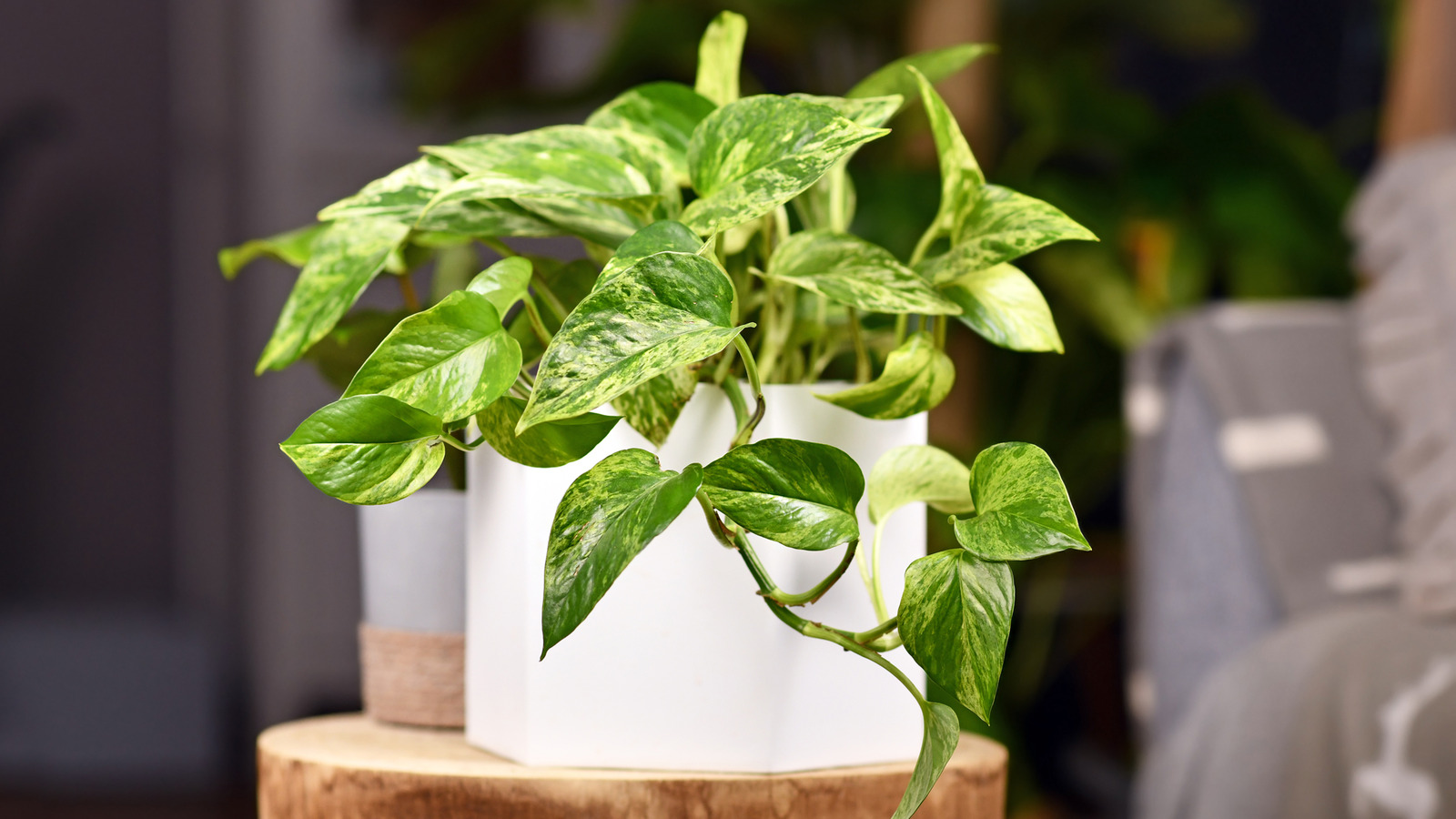
Before growing an indoor pothos, it's important to be aware of common issues that may arise. Yellow leaves can indicate overwatering or underwatering, while brown spots may be caused by overwatering or too much direct sunlight. Brown edges on the leaves can be a result of improper watering or soil issues. Wilted or curled leaves may indicate a lack of water or temperature shock. Elongated or leggy vines can be caused by insufficient sunlight or excessive fertilizer. Reduced variegation may be due to lack of sunlight or minerals in the water. Stunted growth can be caused by nutrient deficiencies or being root-bound. Pests such as mealybugs and scales can also affect pothos and should be addressed promptly.
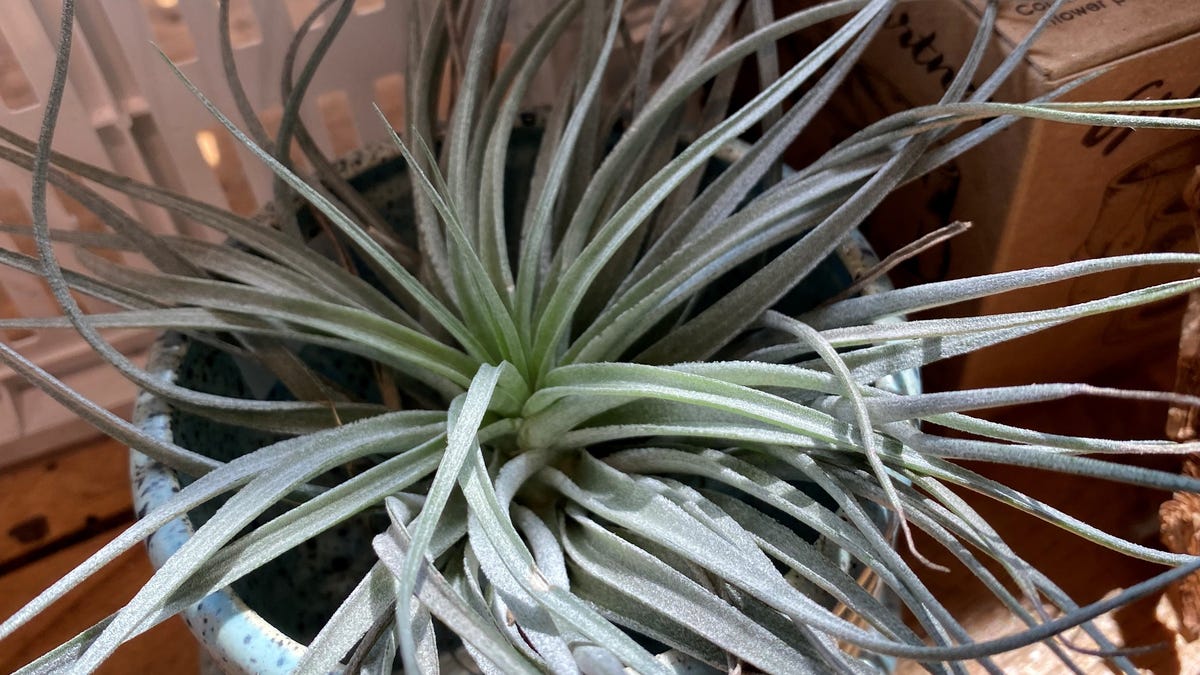
Air plants, scientifically known as Tillandsia, are a popular choice for beginners in the world of houseplants. These unique plants don't require soil and can be styled in various creative ways. They thrive with a weekly bath, indirect light, and good air circulation. With over 600 different species available, air plants come in a range of colors and textures. They are forgiving and low-maintenance, making them ideal for beginners. Proper care includes providing adequate light, watering with room temperature or lukewarm water, and ensuring good air flow. Air plants can live for years and produce offshoots known as pups.
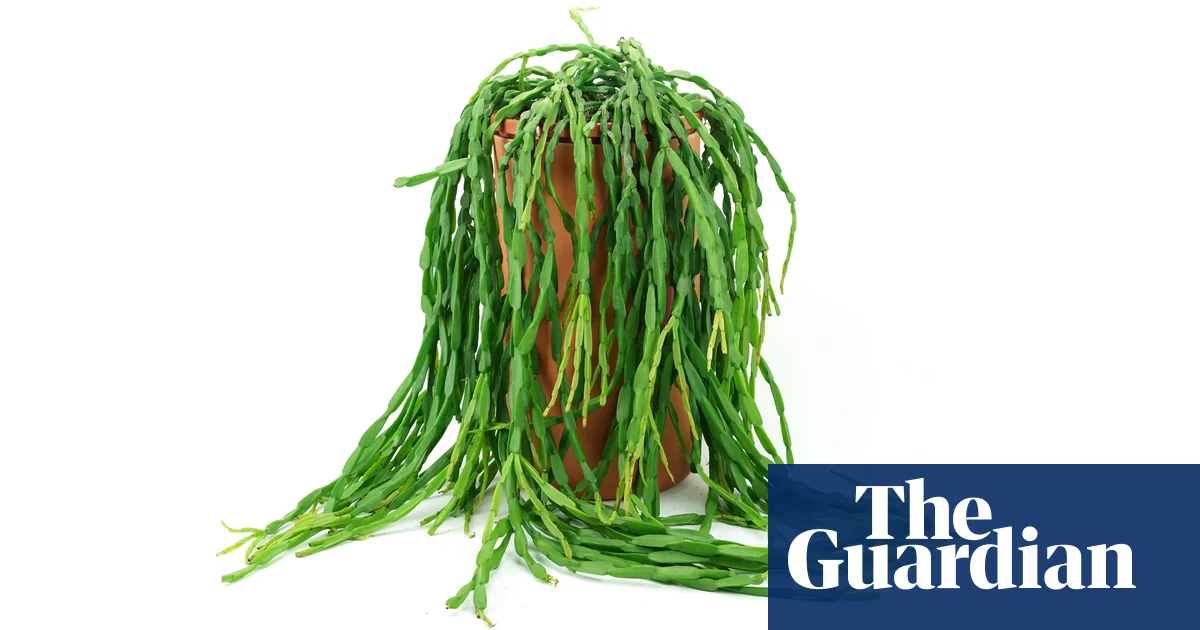
The chain cactus, also known as Rhipsalis paradoxa, is a spineless plant with cascading green stems that can grow up to 50 meters long in the rainforests of Brazil. It can tolerate bright indirect light to partial shade and prefers warmer temperatures, making it perfect for a warm, humid bathroom or kitchen. Water it in spring and summer, allowing the compost to dry out between waterings, and reduce watering from mid-autumn to early spring when the plant is dormant. Feed only in spring and summer and avoid temperatures below 10C.