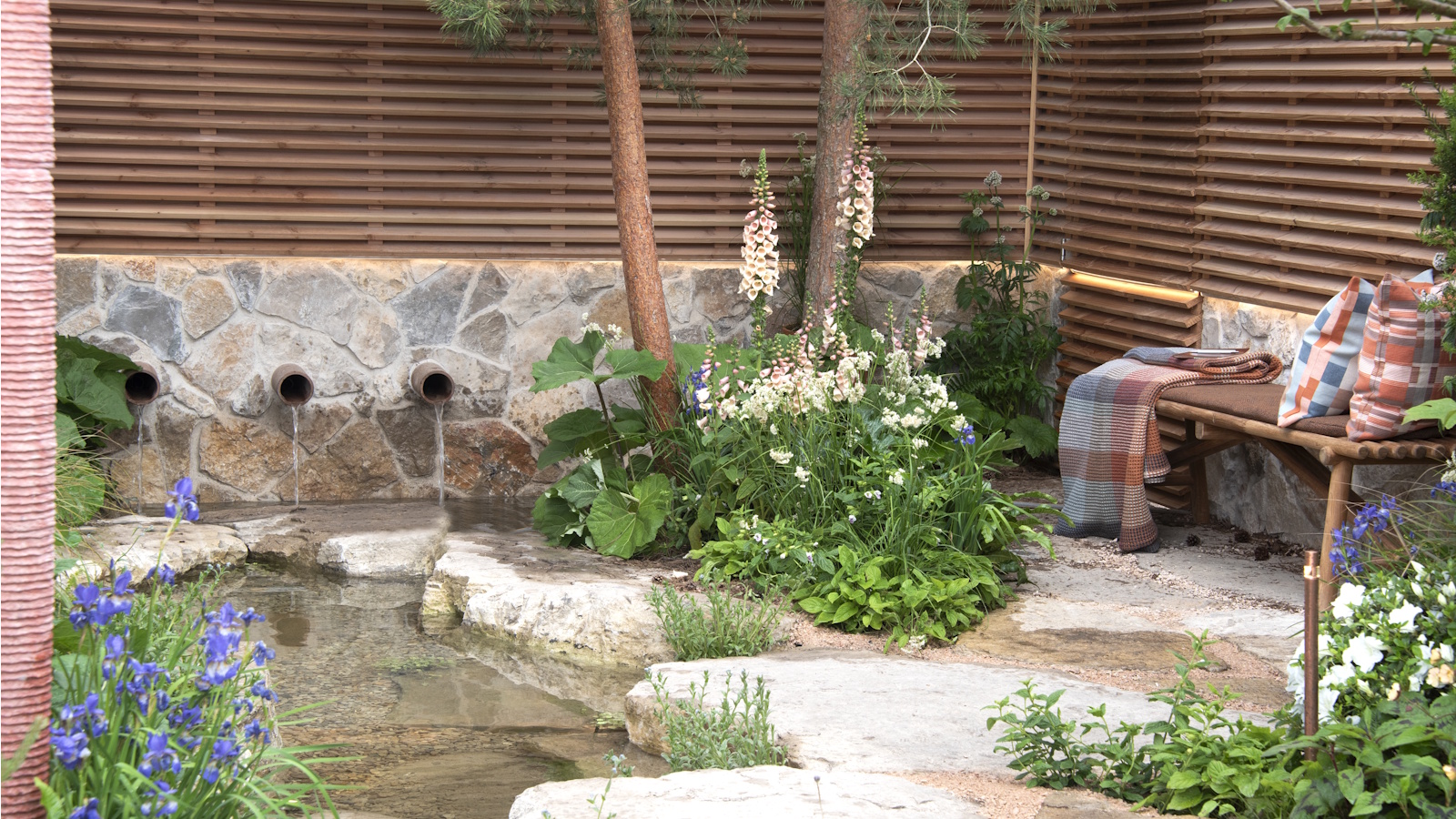
To reduce mosquito presence in your garden, avoid planting water hyacinth, bamboo, fountain grass, hostas, and taro, as these plants create ideal breeding environments for mosquitoes due to their moisture-retentive properties and shaded, damp conditions. Employing other pest control methods, such as removing standing water and using natural repellents, can further help keep mosquitoes at bay.
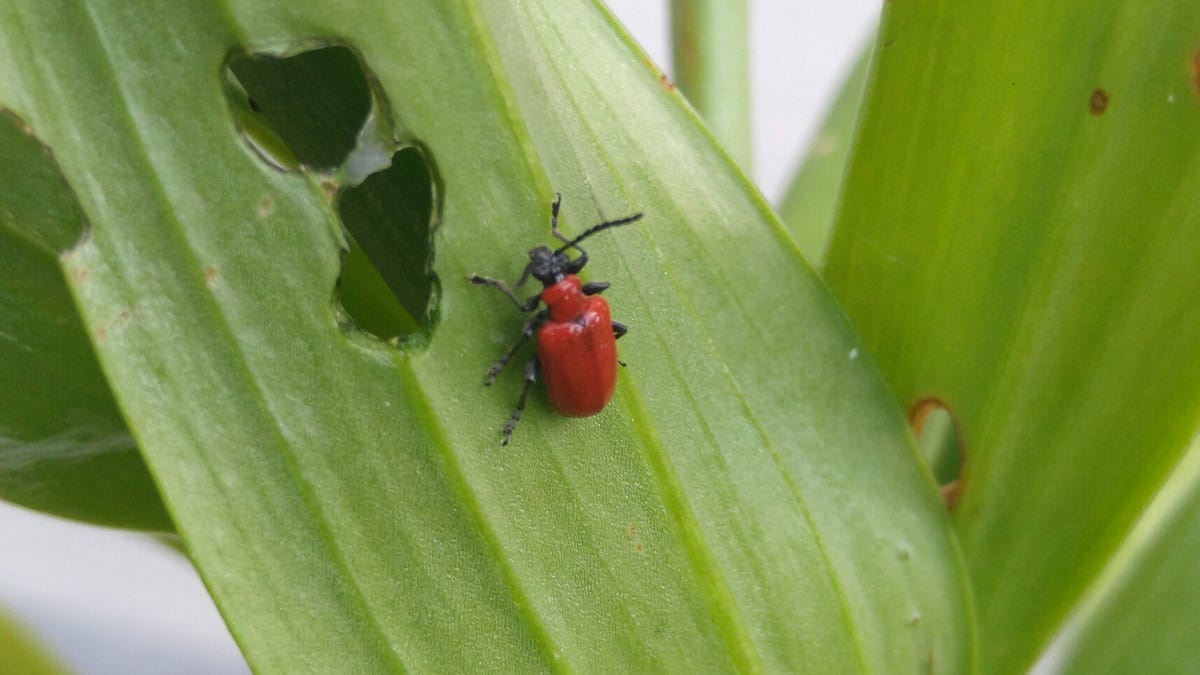
Michigan gardeners face challenges from various pests like sawflies, boxelder bugs, slugs, lily leaf beetles, four-lined plant bugs, Japanese beetles, and tomato hornworms. Experts suggest different methods for managing these pests, including hand-picking, using insecticidal soaps, and setting traps. Some pests, like boxelder bugs, are more of a nuisance than a threat, while others, like lily leaf beetles, may require more persistent efforts to control.
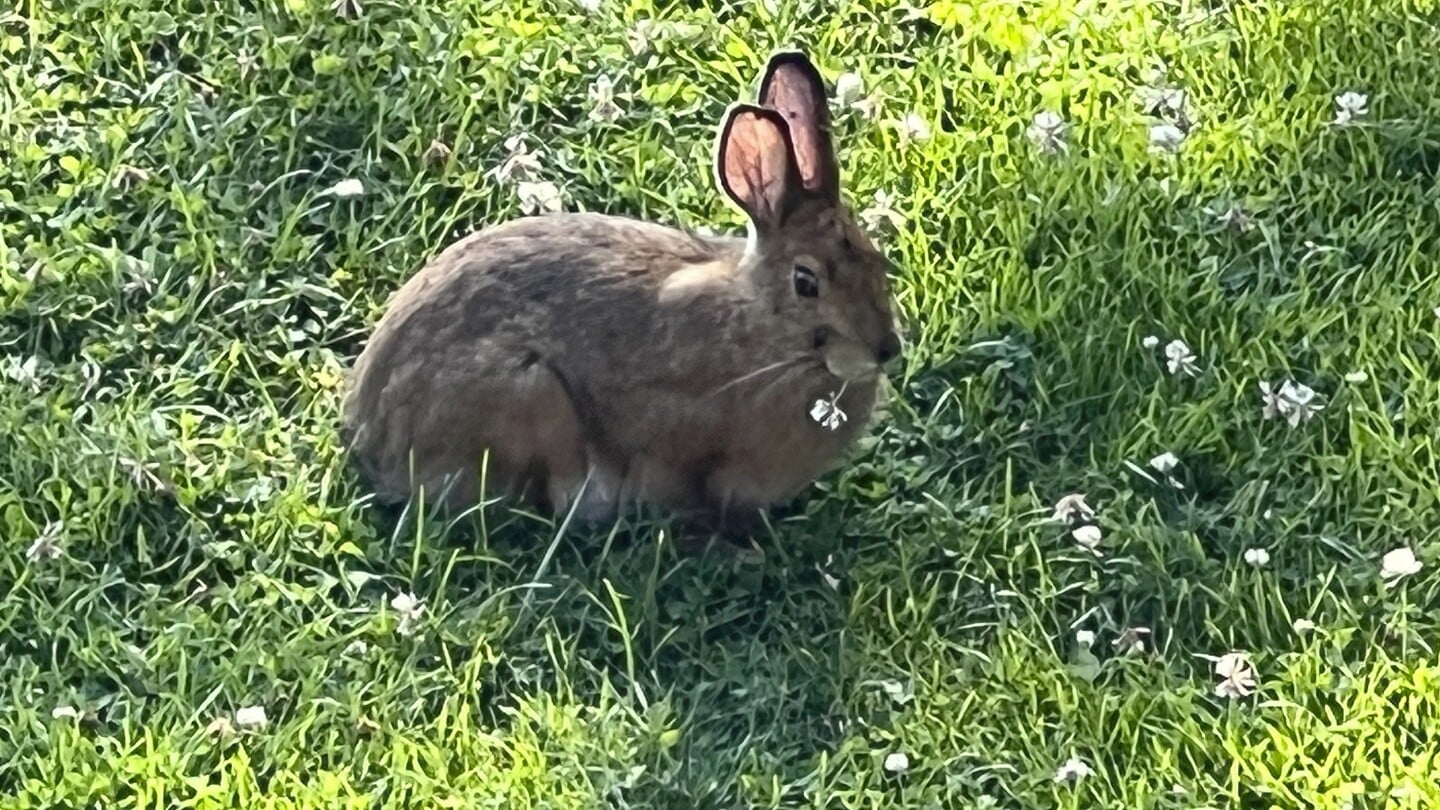
Insects and wildlife can wreak havoc on gardens, but identifying the culprits is the first step to protecting plants. Rabbits cause clean cuts near ground level and gnaw bark, while deer tear at plant material and can destroy plants up to 6 feet high. Moles create cone-shaped mounds of soil and feed on insects, while voles feed on plant roots and create tunnels. Repellents and fencing are effective deterrents, but hungry deer will eat anything and no plant is truly deer-proof.
To prevent the escalation of garden pests and diseases, it is crucial to act quickly. By closely monitoring plants for any signs of infestation or disease, gardeners can catch issues early and take appropriate action. This can include rinsing off pests with a hose, using organic sprays like Neem oil, or employing preventive measures such as frequent search-and-destroy missions. Early intervention can save plants from decreased vigor, diminished flower and fruit production, or even death.