Tag

Lawn Care

All articles tagged with #lawn care

"Segway Unveils Affordable AI-Powered Navimow Robotic Lawn Mower Line"
technology1 year ago

"Segway Unveils Affordable AI-Powered Navimow Robotic Lawn Mower Line"

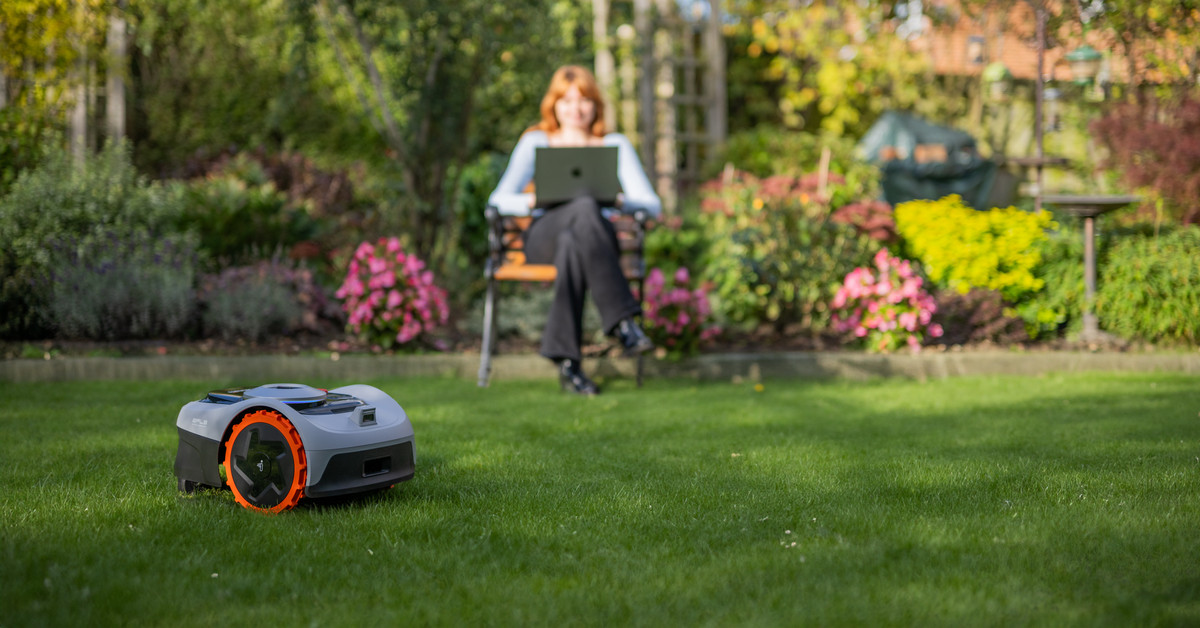
Segway has launched its Navimow i series robot lawn mower in the US, offering two models under $1,000 that can navigate autonomously without a boundary wire. The i series utilizes Segway’s Exact Fusion Locating System 2.0 and features AI-powered mapping, a ride-on boundary mode, and a mapping assist feature. This marks a significant step towards mainstream adoption of robot lawn mowers, with more competition in the market expected to lead to price drops and improved features. Additionally, CES 2024 showcased several new robot mowers, including models from Aiper, Mammotion, Ecovacs, and Dreame, indicating a growing innovation in the smart garden space.

"The Eco-Friendly Solution: How Sheep Grazing Revolutionizes Lawn Care"
environment2 years ago

"The Eco-Friendly Solution: How Sheep Grazing Revolutionizes Lawn Care"

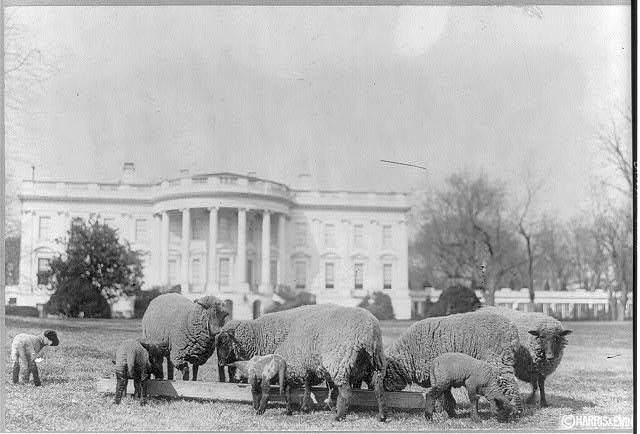
Lamb Mowers, a small business in Northern Virginia, is revolutionizing lawn care by employing sheep to mow, weed, and fertilize suburban lawns. By grazing on nuisance plants and selectively eating weeds, the sheep provide a natural and chemical-free alternative to traditional lawn maintenance. The sheep's gentle grazing habits promote healthy root growth and biodiversity, while their presence brings joy and therapeutic benefits to homeowners. This sustainable approach to lawn care reduces emissions and connects people with nature, offering a glimpse into a different relationship with grass and the environment.

Choose Your Mower Wisely for a Healthy Lawn
gardening2 years ago

Choose Your Mower Wisely for a Healthy Lawn

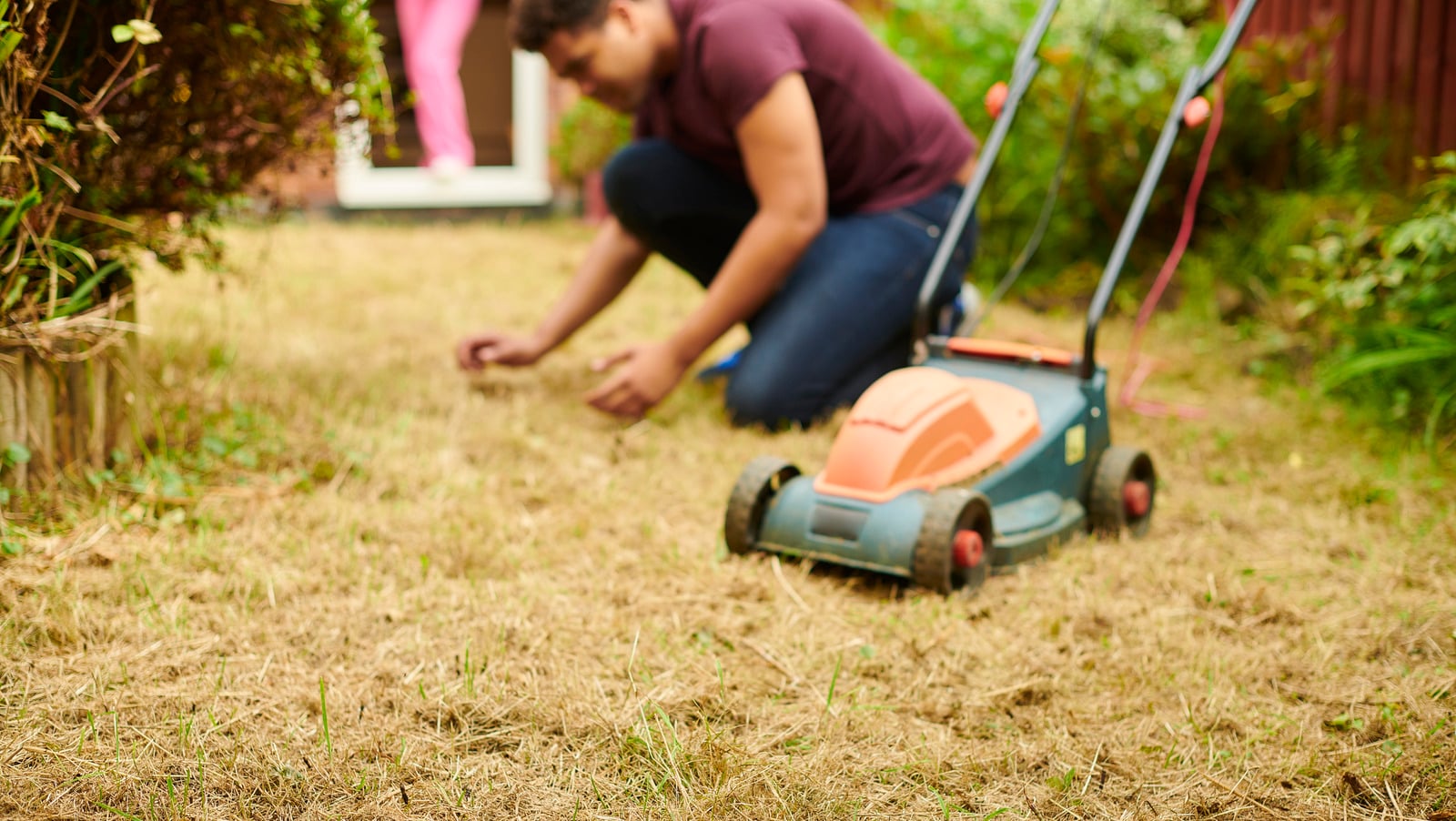
The type of mower you use can impact the health of your lawn. While rotary mowers are popular for their speed and ease of use, they shred the grass, making it more susceptible to diseases and fungus. Reel mowers, on the other hand, provide a clean cut that helps retain water and promote a lush-looking lawn. They also allow for grasscycling, where the clippings can be left on the lawn as mulch. However, reel mowers require manual effort and regular use, and may not be suitable for taller grass. Overall, reel mowers are a great option for a healthy lawn and gardener, promoting grass health and reducing the risk of damage-causing insects.

"Exploring the Drawbacks of Cypress Mulch for Your Lawn"
gardening2 years ago

"Exploring the Drawbacks of Cypress Mulch for Your Lawn"

Cypress mulch, while offering benefits such as moisture retention and weed control, has drawbacks including acidity that can harm grass, slow decomposition that limits nutrient availability, and the environmental impact of harvesting cypress trees. Alternatives to cypress mulch include eucalyptus mulch, plantation-grown conifer trees like pine, mixed hardwood mulch, leaf mulch, and homemade compost, which offer similar benefits with less environmental impact.

Tick-Free Lawns: Effective Strategies for Prevention and Control
home-and-garden2 years ago

Tick-Free Lawns: Effective Strategies for Prevention and Control

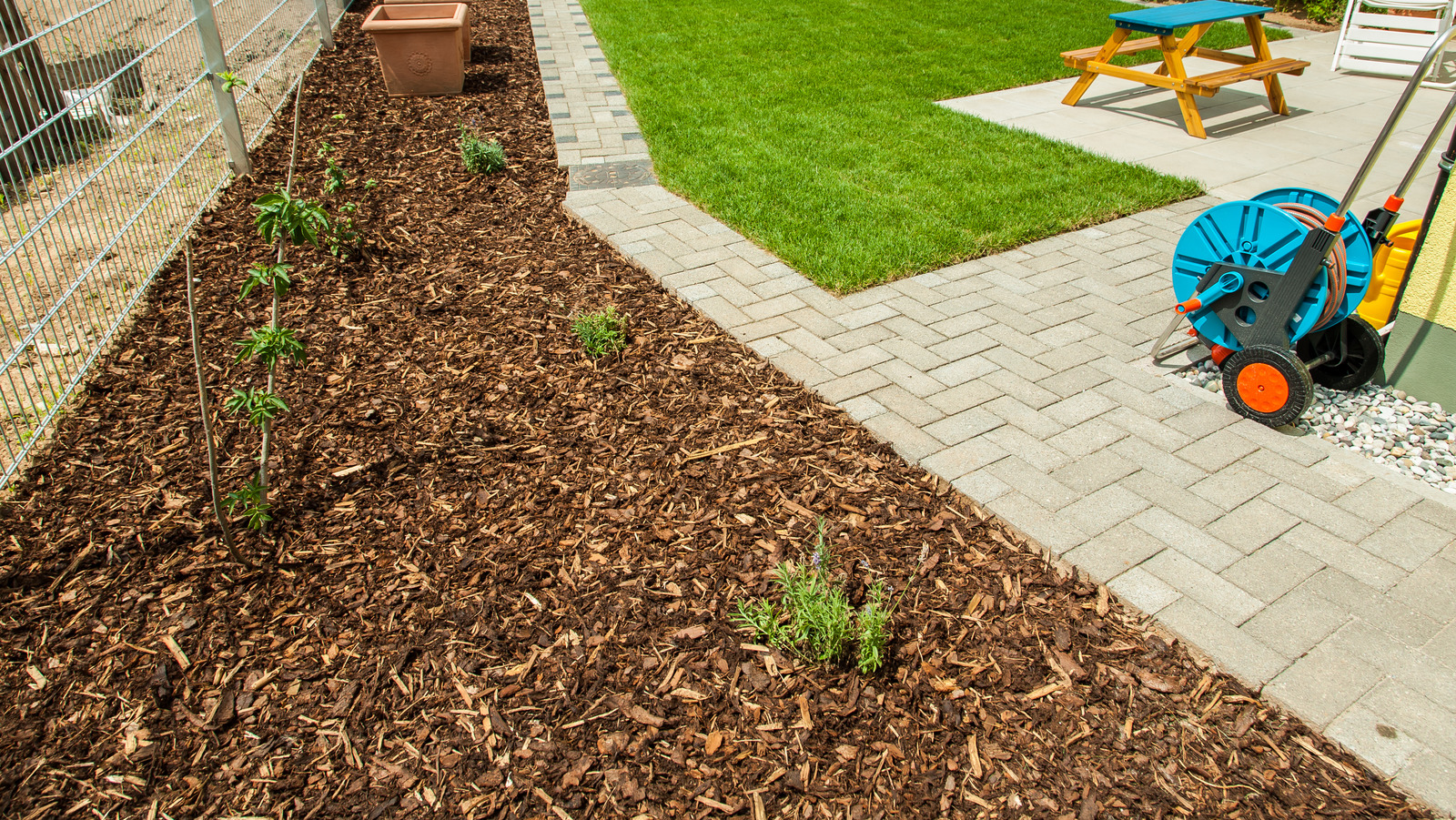
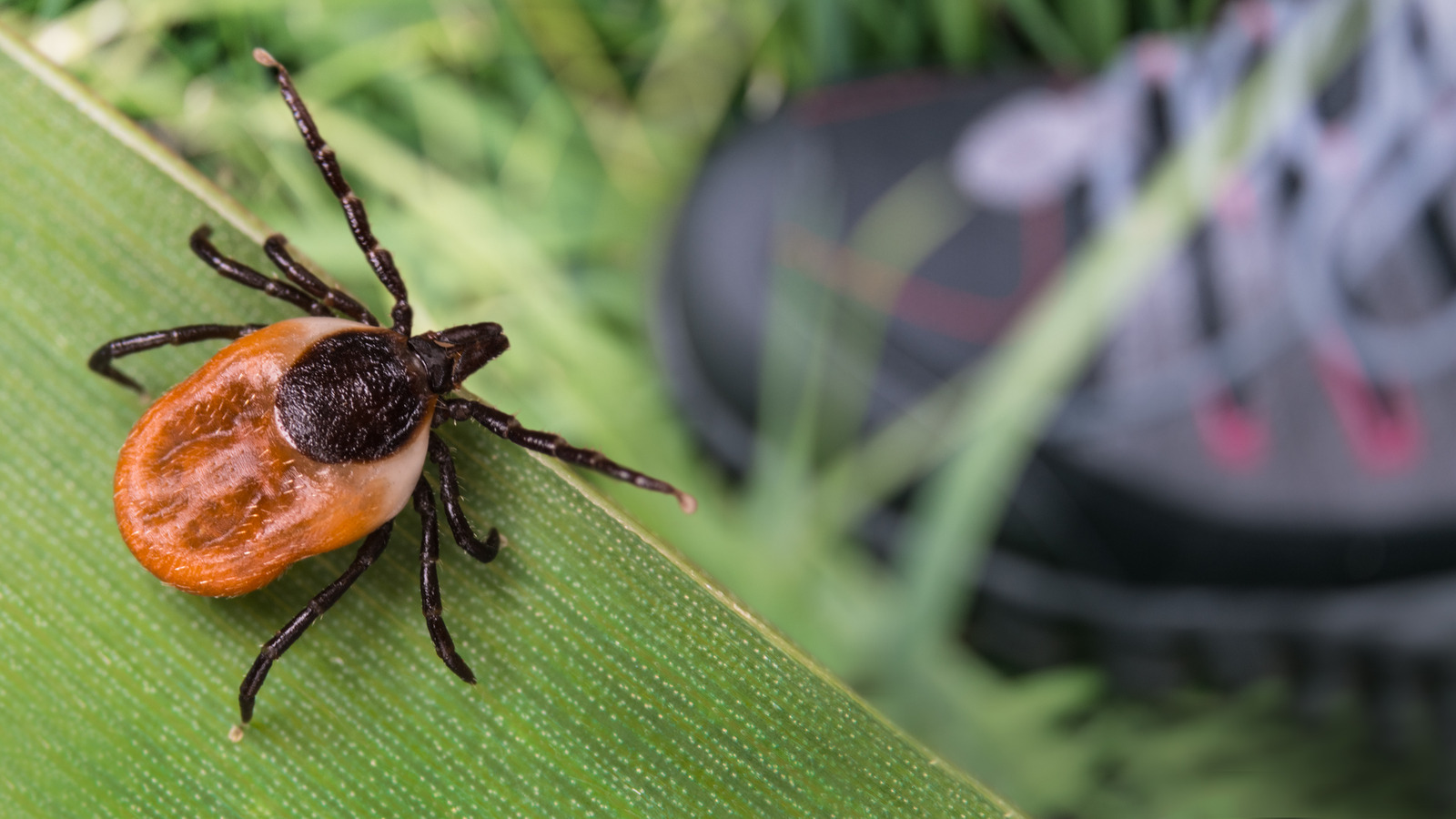
Ticks are carriers of harmful diseases, so it's important to keep them off your lawn. Ways to prevent ticks include regularly mowing the grass, putting up fences to deter animals that carry ticks, and creating barriers with gravel or wood chips. Placing outdoor play areas in sunny spots and maintaining trimmed bushes can also help. Growing plants like lemongrass, lavender, and mint can repel ticks. Despite these precautions, it's still important to check for ticks regularly.

"Creating a Pollinator-Friendly Wildflower Meadow in Your Backyard"
home-and-garden2 years ago

"Creating a Pollinator-Friendly Wildflower Meadow in Your Backyard"

Meadows are a low-maintenance alternative to traditional gardens, but they are not easy to start and require periodic mowing and weed removal. However, proponents say the benefits of planting native plants that attract pollinators and provide refuge for local wildlife make them well worth the effort. Meadow owners have found that meadows are easier to manage than traditional gardens, and they offer a tapestry effect that can reduce weeds. Meadows are also less maintenance than a lawn and can perform well during drought seasons.

7 steps to a thicker lawn.
home2 years ago

7 steps to a thicker lawn.

To make your lawn thicker, first identify the cause of thinning, test the soil, aerate it, overseed with the recommended amount of grass seed, and provide constant care and attention to the new grass. Dethatching and monitoring the lawn's needs throughout the year are also important steps to maintaining a thick and healthy lawn.

7 steps to a thicker lawn.
home-and-garden2 years ago

7 steps to a thicker lawn.

To make your lawn thicker, first identify the cause of thinning, test the soil, and aerate it. Then, overseed with the recommended amount of grass seed and provide constant care and attention, including watering, fertilizing, and mowing. Dethatching should be done every 2-3 years. Monitor your lawn and adjust your care schedule accordingly based on the seasons and weather conditions.

Effortlessly Maintain a Neat Lawn with a Lawn Sweeper
home-and-garden2 years ago

Effortlessly Maintain a Neat Lawn with a Lawn Sweeper

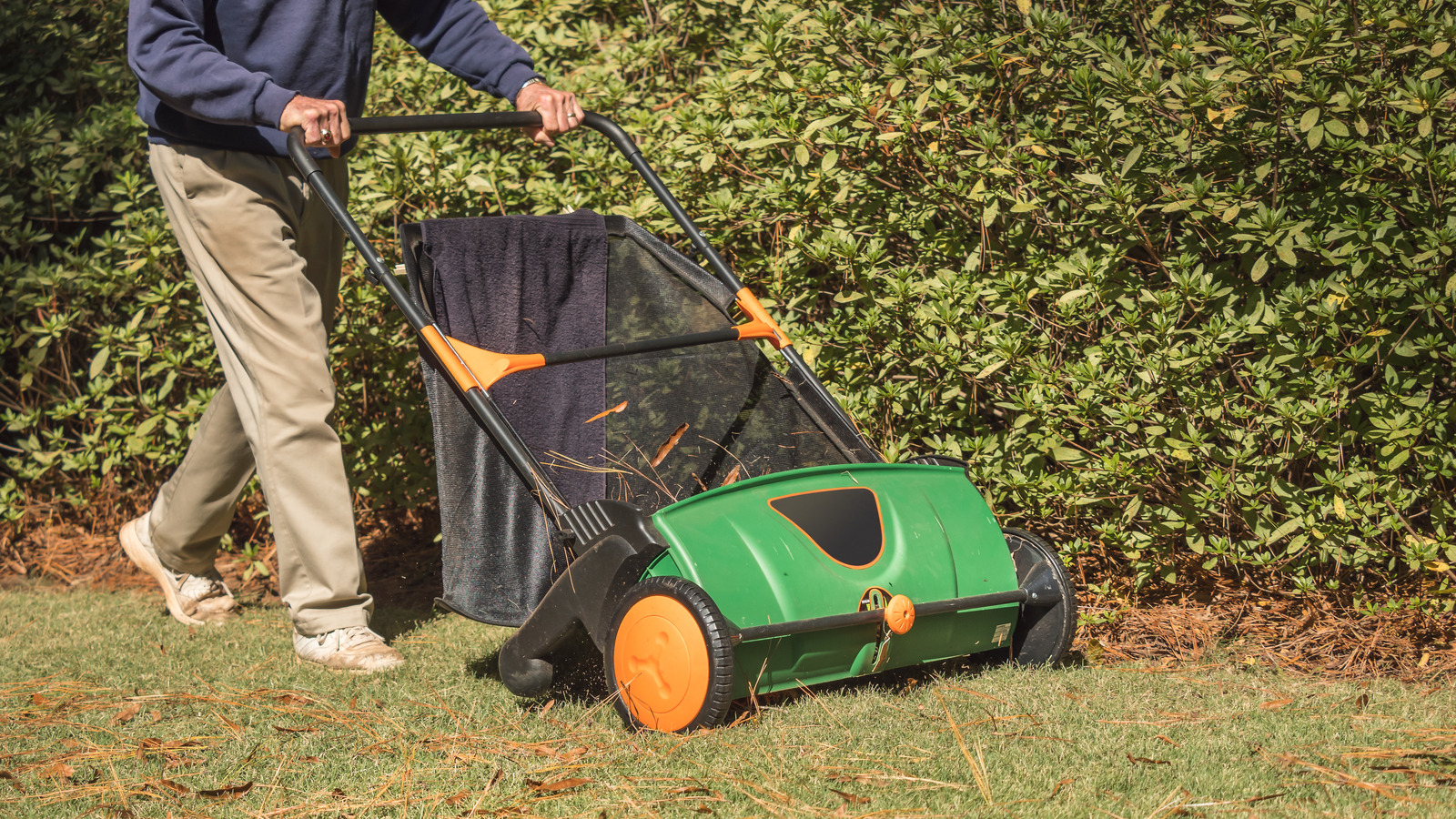
A lawn sweeper is a useful tool for removing debris from your yard, including leaves, clipped grass, and sticks. It can improve the look and condition of your lawn by removing excess moisture and dead grass, exposing more soil for seeding. To use a lawn sweeper, walk the yard and collect any larger items, set the brush height to match your mowing height, and tow or push the sweeper back and forth. Empty the bin when it fills up to prevent debris from dropping back into the yard.

"Maximizing Lawn Maintenance: Reusing Grass Clippings and Utilizing Lawn Sweepers"
home2 years ago

"Maximizing Lawn Maintenance: Reusing Grass Clippings and Utilizing Lawn Sweepers"

Grass clippings can be repurposed in several useful ways, which will benefit from its rich source of organic minerals, and nutrients it provides. These include leaving the clippings on the lawn to fertilize it, adding them to compost heaps, using them as mulch, protecting hedges, using them as bedding for animals, starting a 'lasagne garden', making plant 'tea', adding them to worm bins, and feeding potted vegetables. It's important to never compost grass clippings on their own, as it should always be balanced out with dry/brown compost materials, such as dried leaves, straw or shredded paper.

How to Identify and Remove Nostoc Commune from Your Yard
science2 years ago

How to Identify and Remove Nostoc Commune from Your Yard

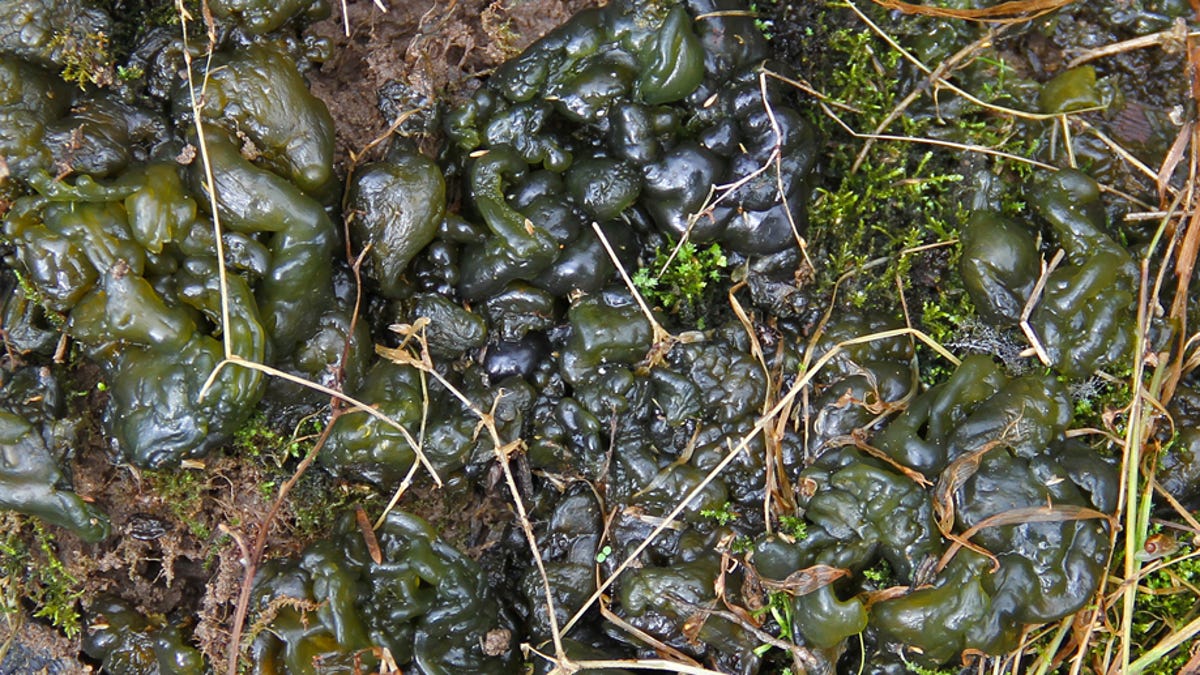
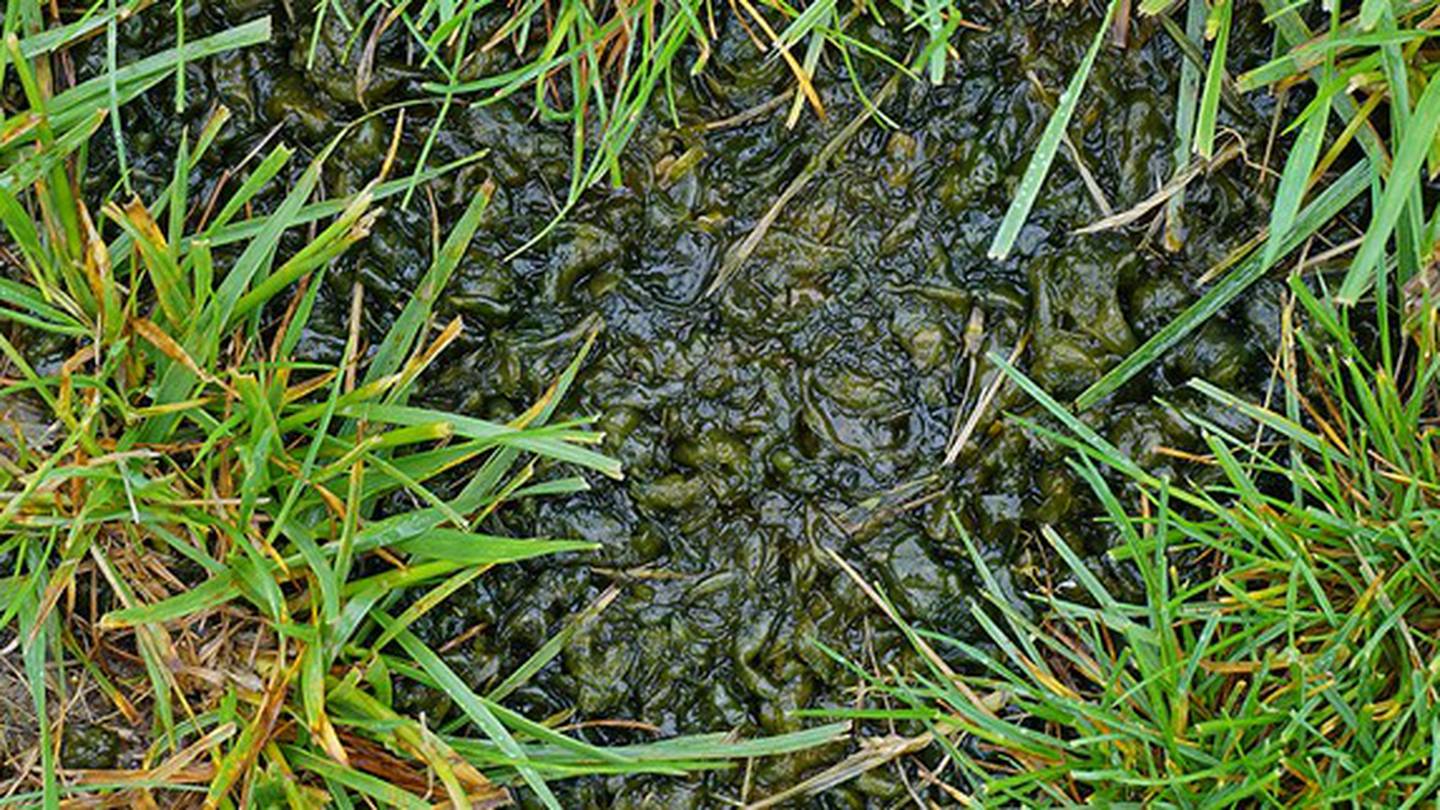
Nostoc commune, a gelatinous bacteria that can grow on soil, gravel, and cement, is commonly mistaken for algae and can appear in dark green, rubbery blobs. It is not harmful to plants, animals, or lawns, but can be slippery to walk on. To prevent it, maintain drainage in wet areas and eliminate phosphorus fertilizers. Scythe, a herbicide, has also been found to be effective in killing the bacteria.

The Mystery of Green Blobs in Your Yard: Explained and Removed
lifestyle2 years ago

The Mystery of Green Blobs in Your Yard: Explained and Removed

The Nostoc commune, a jelly-like mass that thrives in wet conditions, is often mislabeled as algae and is harmless to yards and grass. It can be easily removed by skimming the surface below it with a flat-edged shovel or tilling around the area and then removing it. To prevent it from growing, look for low areas that collect water and fix them by adding additional drainage, filling in low spots, or reducing sprinkler time. In some Asian countries, the Nostoc commune is consumed, but it is recommended to reach out to an experienced harvester before consuming it.