Tag

Perovskite

All articles tagged with #perovskite

technology4 months ago

Scientists develop tech that could render batteries obsolete in many devices

Researchers at University College London have developed high-efficiency perovskite solar cells capable of harvesting indoor light to power small devices, potentially eliminating the need for batteries in many electronics. These cells boast a record conversion rate of 37.6% and are produced using simple, printable methods from abundant materials, paving the way for more sustainable and cost-effective energy solutions.

science-and-technology1 year ago

"Printable Solar Technology: A Lightweight Breakthrough"

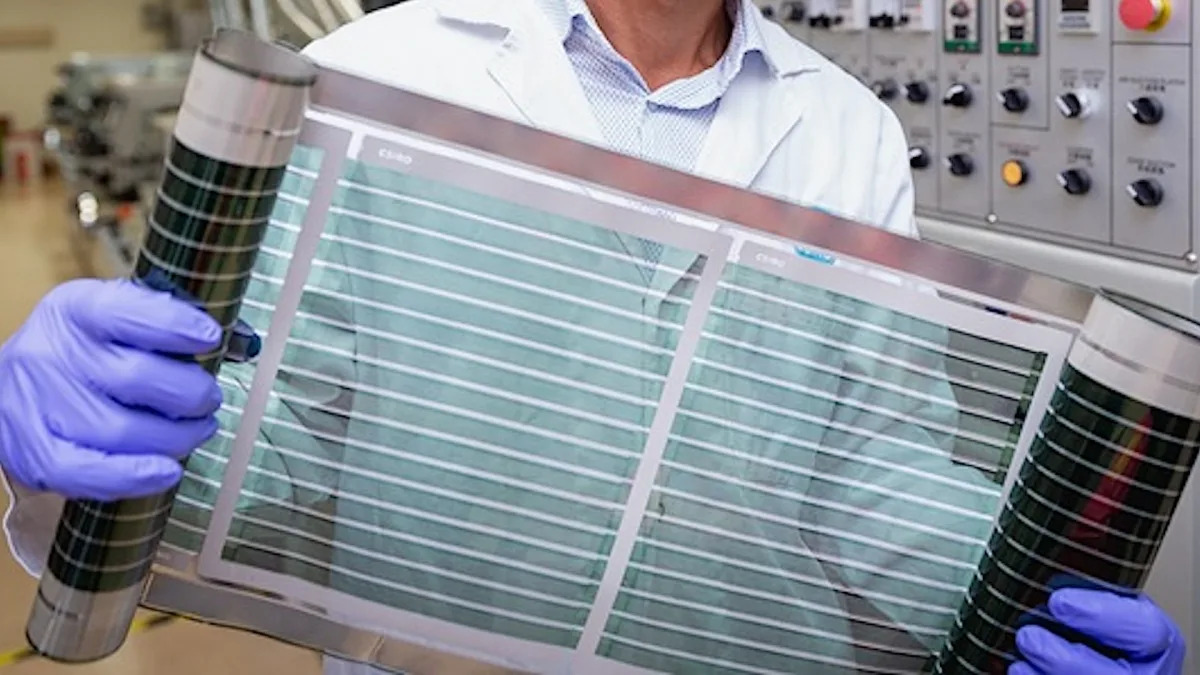
Scientists at Australia's CSIRO have made a major breakthrough in developing lightweight, printable solar cells with various applications, including integration into buildings, vehicles, clothing, and wearable devices. The cells, made using perovskite materials, have shown promising efficiency rates and are being produced using a cost-effective printing process. This innovation could lead to more accessible and sustainable solar power solutions, potentially reducing energy costs for homeowners and contributing to environmental benefits.

science-and-technology1 year ago

"Revolutionizing Solar Power: Perovskite-Silicon Tandem Technology for Cheaper Implementation"

Researchers at the University of Michigan have discovered a method to make perovskite, a key material in solar panels, more durable and longer-lasting, potentially reducing the cost of solar panels by two to four times in the future. By using "defect pacifying" additive molecules, they found that larger molecules by mass were better at preventing defects from forming, leading to increased stability and larger perovskite grains. This advancement could be implemented across various perovskite formulations, making solar panels cheaper to produce and more efficient, further driving the trend of rooftop solar panel installations for clean, renewable energy.

science1 year ago

"Unexplained Disappearance: Earth's Atmosphere Depleted of Xenon"

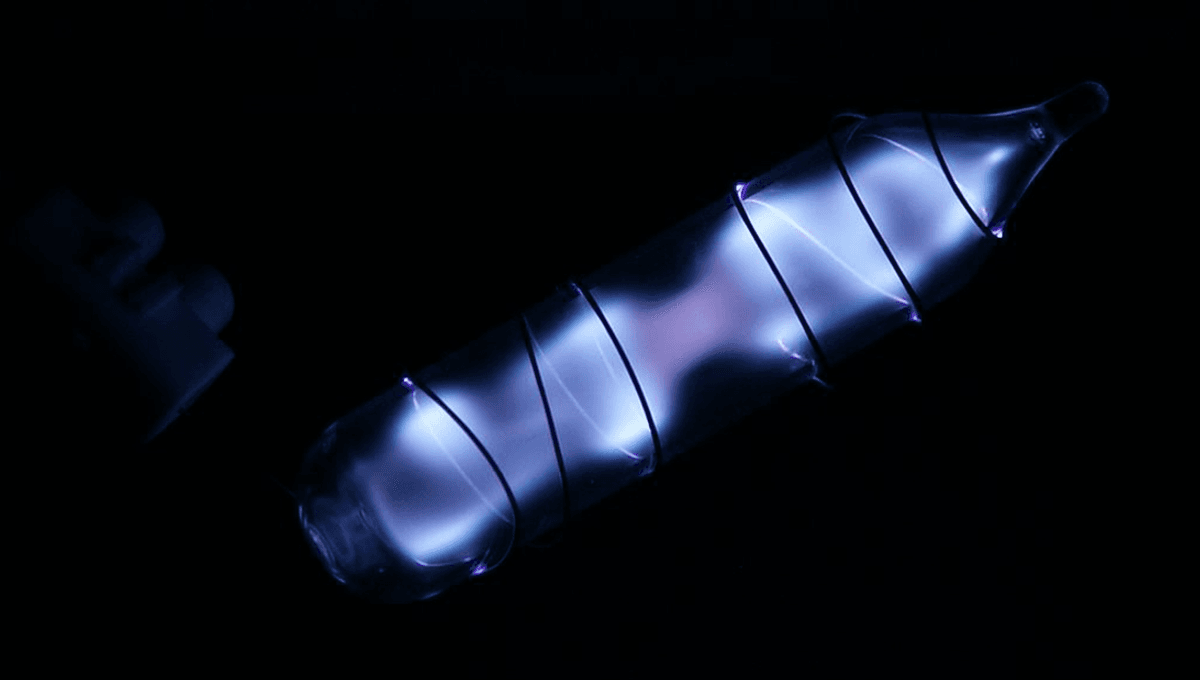
Earth's atmosphere is missing a significant amount of xenon, a noble gas that typically does not react with other elements. Scientists have proposed various theories, including xenon being trapped in Earth's core, degassing into space, or being dissolved in perovskite in the mantle. Recent research suggests that a substantial amount of xenon may have been carried off into space early in Earth's history, leaving behind trace levels dissolved in perovskite. This mystery also raises questions about the xenon levels on Mars and the potential role of perovskite in trapping the gas.

science-and-technology1 year ago

"Efficient Inverted Perovskite Solar Cells with Double-Sided Heterojunctions"

Researchers have demonstrated the use of long alkyl-amine ligands to create near-phase pure two-dimensional (2D) perovskites at the top and bottom interfaces of three-dimensional (3D) perovskite photo-absorbers, effectively resolving issues related to charge recombination, ion migration, and electric-field inhomogeneities in perovskite solar cells (PSCs). This approach resulted in inverted PSCs with double-side 2D/3D heterojunctions achieving a power conversion efficiency (PCE) of 25.6% and retaining 95% of their initial PCE after 1000 hours of 1-sun illumination at 85 degrees Celsius in air.

science-and-technology2 years ago

"Enhancing Perovskite Solar Cells with Ytterbium Oxide Buffer"

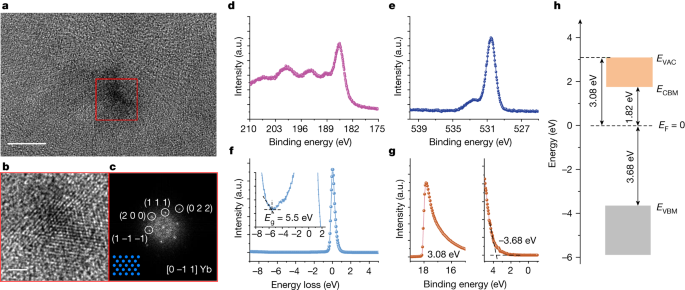
Researchers have developed a multifunctional ytterbium oxide buffer layer for perovskite solar cells, which enhances their stability and efficiency. The buffer layer effectively passivates defects, reduces non-radiative recombination, and minimizes lead leakage, addressing key challenges in perovskite solar cell technology. This advancement holds promise for the commercialization of perovskite solar cells and contributes to the ongoing efforts to improve their long-term stability and performance.

science-and-technology2 years ago

Enhancing Solar Cell Efficiency by Suppressing Phase Impurities through Anion-π Interactions

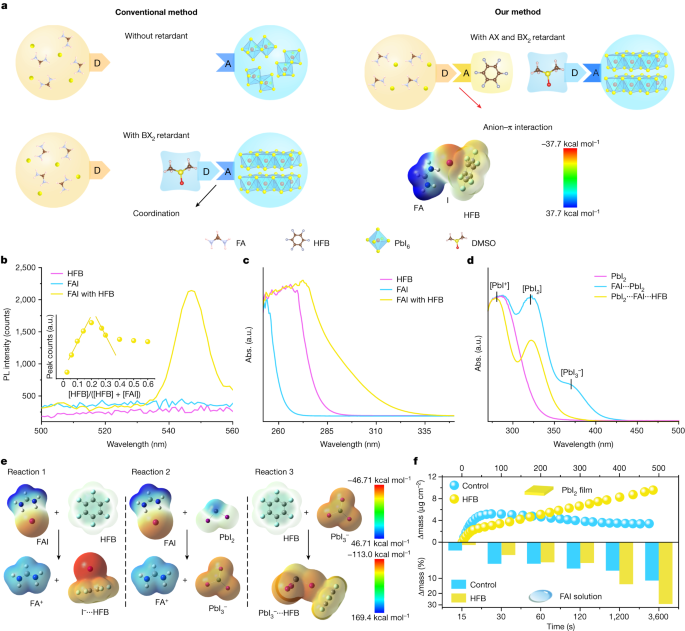
Researchers have discovered that anion-π interactions can suppress phase impurities in formamidinium lead iodide (FAPbI3) perovskite solar cells, improving their stability. By incorporating anion-π interactions into the perovskite structure, the researchers were able to inhibit the formation of local nanoscale phase impurities, which are known to degrade the performance of perovskite solar cells. This finding provides a new approach for enhancing the stability and efficiency of perovskite solar cells.

science-and-technology2 years ago

"Stanford Scientists Discover Exotic Chemical State in Revolutionary New Material"

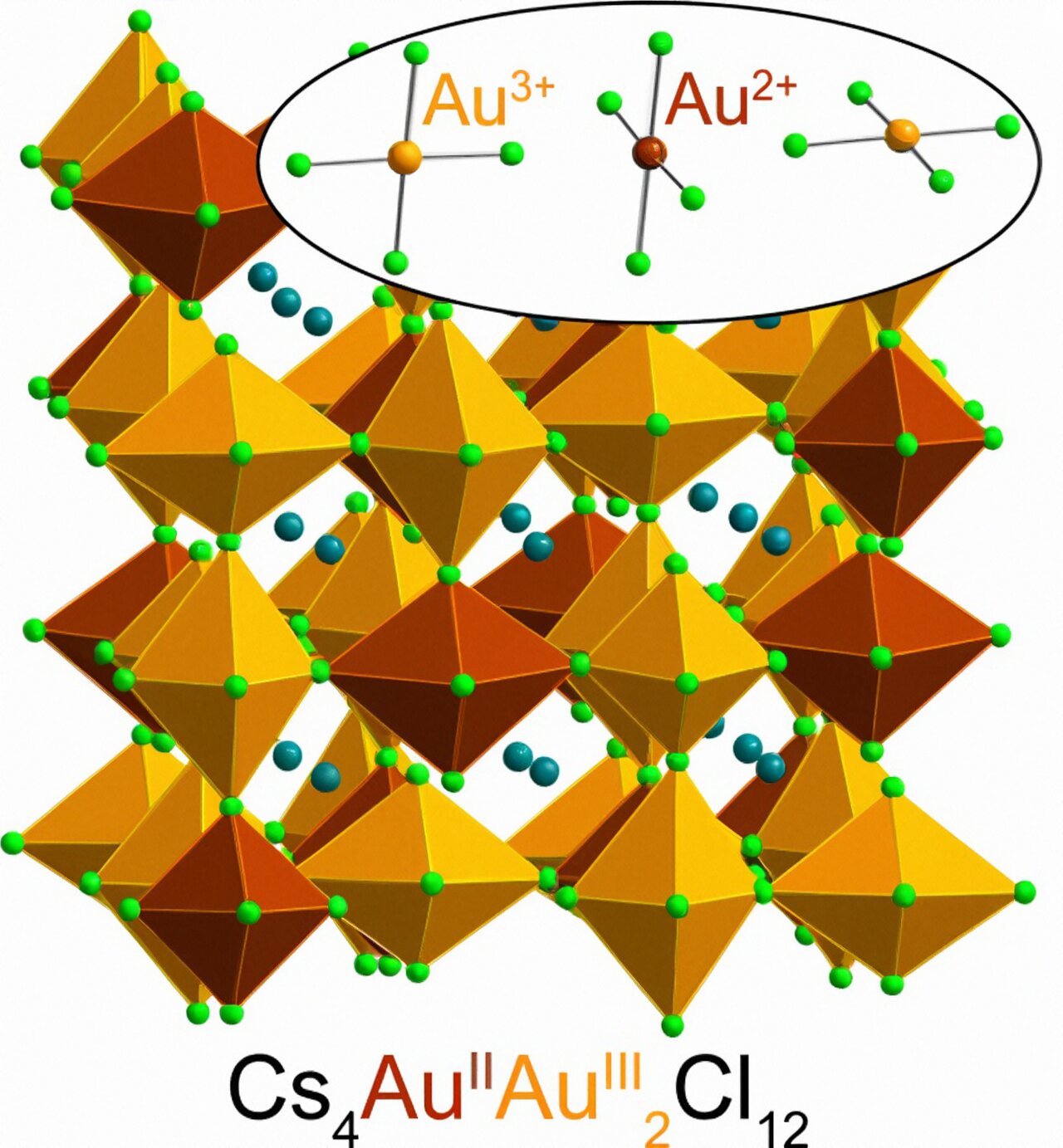
Scientists at Stanford University have successfully synthesized a rare form of gold, Au2+, stabilized by a halide perovskite material. This discovery has potential applications in the fields of electronics and energy. The researchers were able to create the stable Au2+ perovskite using simple ingredients at room temperature. The unique properties of this material, including its resemblance to copper atoms in high-temperature superconductors and its magnetic effects, make it an exciting find. The study builds upon the earlier research of Nobel laureate Linus Pauling and opens up new avenues for further exploration and potential applications.

science-and-technology2 years ago

"Revolutionary Discovery: Scientists Introduce Exotic Gold-Infused Material with Unprecedented Properties"

Researchers at Stanford University have successfully created and stabilized a rare form of gold, Au2+, by incorporating it into a halide perovskite material. This discovery opens up possibilities for applications in solar cells, light sources, and electronics components. The Au2+ perovskite can be easily synthesized using common ingredients at room temperature. The unique properties of Au2+ make it intriguing for its magnetic effects and potential use in magnetism and conductivity applications. The research builds upon the work of Linus Pauling and his study of gold perovskites and vitamin C. Further studies will be conducted to explore the potential of Au2+ perovskite.

energy2 years ago

Maximizing Solar Efficiency and Stability through Innovative Technology Integration

Researchers from Princeton University and the King Abdullah University of Science and Technology (KAUST) have developed a tandem solar cell that combines silicon and perovskite technologies to improve overall efficiency and stability. By connecting the two technologies, the silicon cell protects the more fragile perovskite cell from voltage-induced breakdown, allowing the tandem solar cell to withstand partial shading conditions that would typically degrade perovskite-only modules. The findings suggest that perovskites may have the most potential when used in conjunction with silicon solar cells, which already have a mature manufacturing process. Tandem solar cells could enhance the commercialization prospects of perovskites and continue the evolution of solar research beyond the limits of silicon solar cells' efficiency.

technology2 years ago

Stanford's Costly Breakthrough: Next-Gen LEDs Shine Brighter and More Efficiently

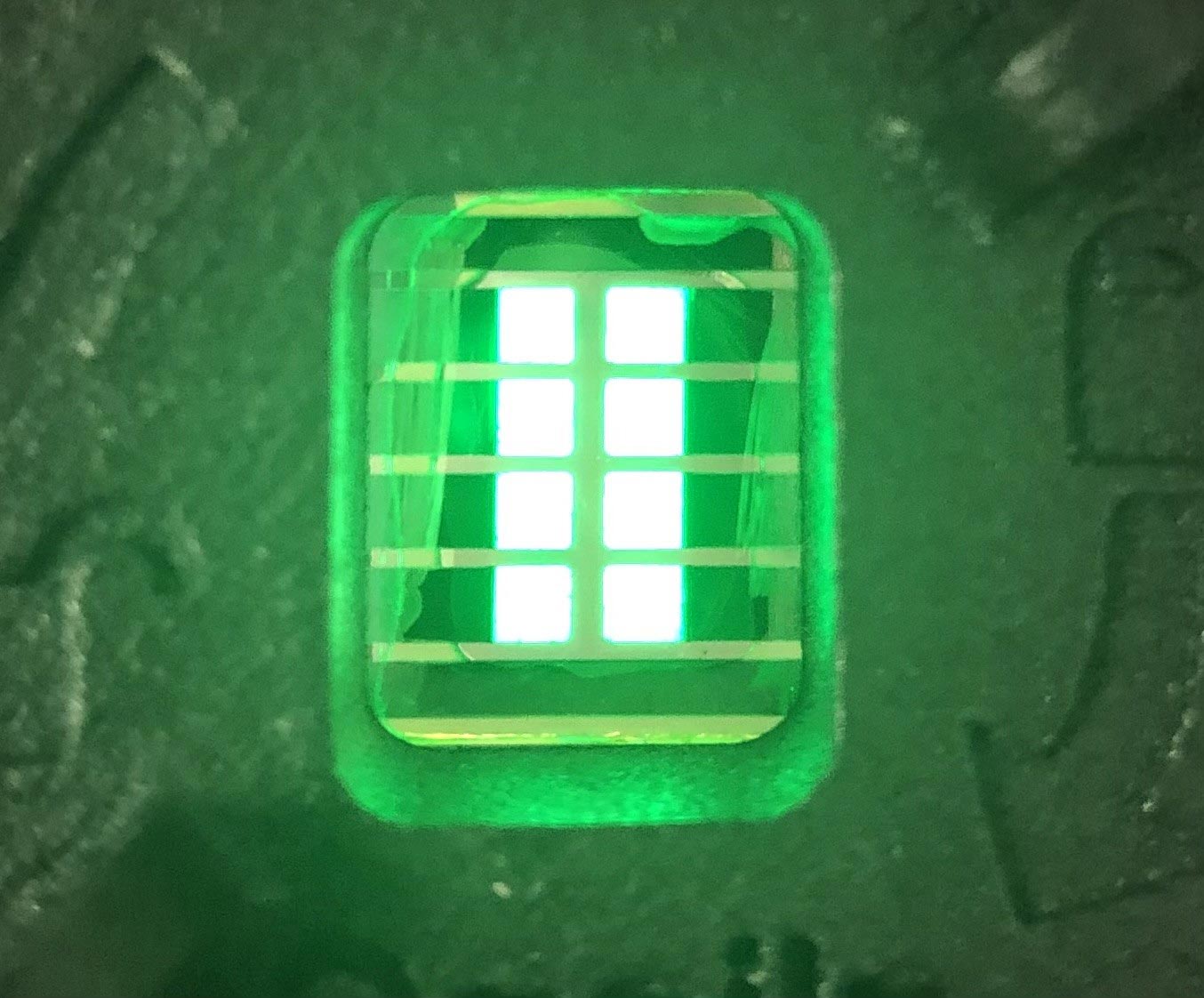
Researchers at Stanford University have made significant advancements in the brightness and efficiency of perovskite LEDs (PeLEDs), a cheaper and easier-to-make alternative to traditional LEDs. By replacing 30% of the perovskite's lead with manganese atoms, the team more than doubled the brightness and almost tripled the efficiency of the PeLEDs. However, these enhancements also caused the lights to degrade and fade within minutes of use. The researchers are now working to find a way to mitigate this degradation while maintaining the improved efficiency, in order to develop a viable commercial solution.

science-and-technology2 years ago

"Revolutionary Material: A Game-Changer for the World, Centuries in the Making"

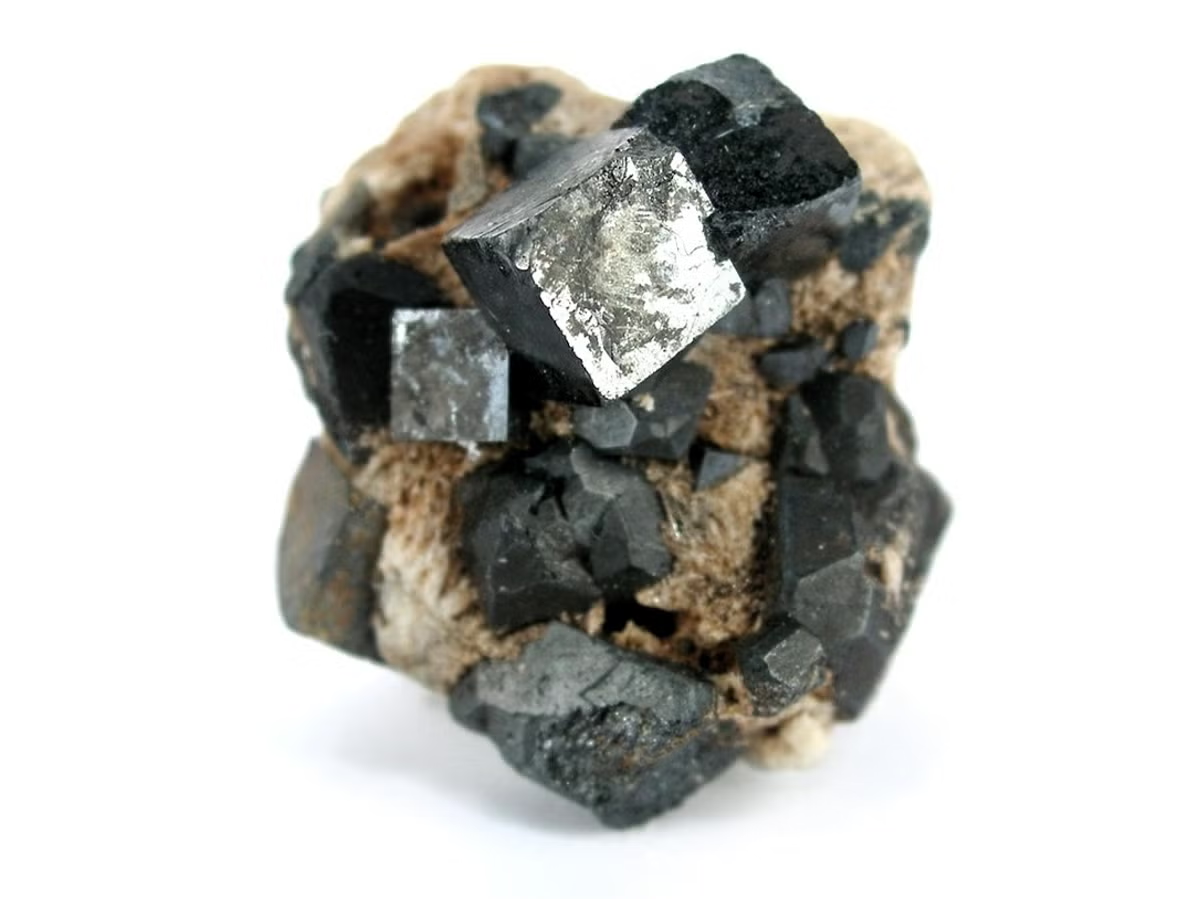
Perovskite, a crystal discovered in the 19th century, is now being hailed as a potential game-changer in renewable energy. Researchers discovered in 2009 that shining light on perovskite created a small electric charge, leading to a new field of research. By 2017, efficiency rates had surpassed 22%, making it a promising material for meeting net zero targets. However, further development is needed to realize its potential outside of the laboratory.

science-and-technology2 years ago

Revolutionary Hydrogen Storage Method: Safe, Easy, and Affordable

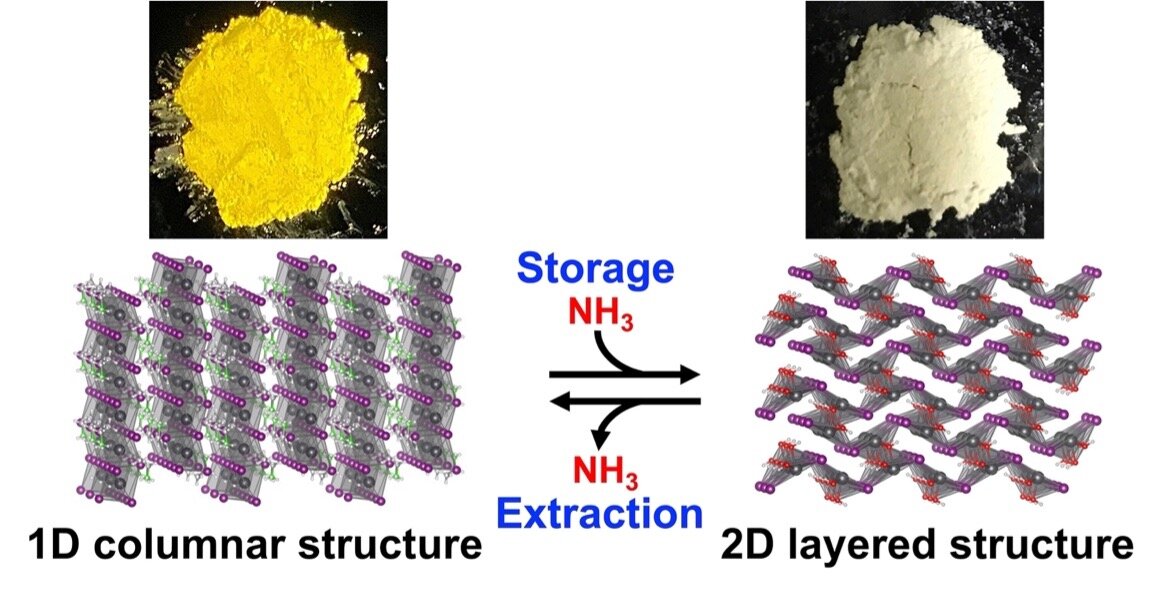
Researchers at the RIKEN Center for Emergent Matter Science in Japan have discovered a perovskite compound that can safely and easily store ammonia, which is an important carrier of hydrogen. The compound undergoes a chemical reaction with ammonia at room temperature and pressure, allowing for efficient storage and retrieval. This discovery offers a cost-effective and practical solution for storing hydrogen, which is crucial for transitioning to a decarbonized society.

science-and-technology2 years ago

Revolutionary Hydrogen Storage Method Unveiled for a Decarbonized Future

Scientists at the RIKEN Center for Emergent Matter Science in Japan have discovered a compound called ethylammonium lead iodide (EAPbI3) that can safely and efficiently store and release ammonia, a potential carbon-free hydrogen carrier. This finding offers a promising solution for the safe storage and transportation of hydrogen, contributing to the transition towards a decarbonized society. The compound undergoes a chemical reaction with ammonia at room temperature, transforming its structure and storing the ammonia within. The stored ammonia can be easily retrieved by gentle heating, and the perovskite can be reused for continual storage and extraction cycles.

technology2 years ago

"Revolutionary Tandem Cells Push Solar Panel Efficiency Beyond 30%"

Two-layer perovskite/silicon solar cells with efficiencies of over 30% have been developed, surpassing the current efficiency limit of silicon panels. However, the challenge lies in improving the stability of perovskite crystals, which tend to break down over time. By combining the advantages of perovskites' tunable absorption wavelength with silicon's peak absorption towards the red end of the spectrum, researchers aim to develop more efficient and cost-effective photovoltaic devices.