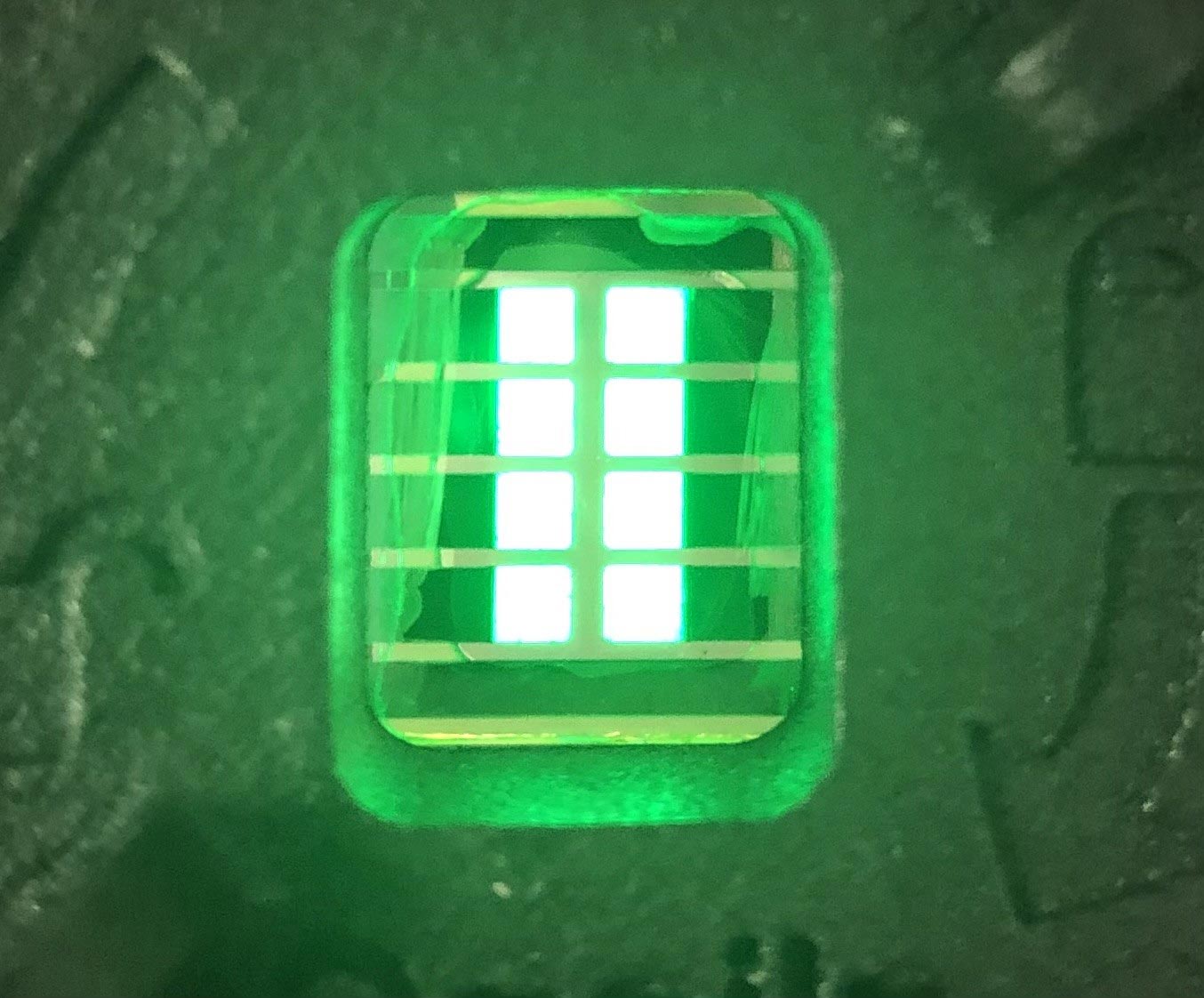
Researchers at Stanford University have made significant advancements in the brightness and efficiency of perovskite LEDs (PeLEDs), a cheaper and easier-to-make alternative to traditional LEDs. By replacing 30% of the perovskite's lead with manganese atoms, the team more than doubled the brightness and almost tripled the efficiency of the PeLEDs. However, these enhancements also caused the lights to degrade and fade within minutes of use. The researchers are now working to find a way to mitigate this degradation while maintaining the improved efficiency, in order to develop a viable commercial solution.
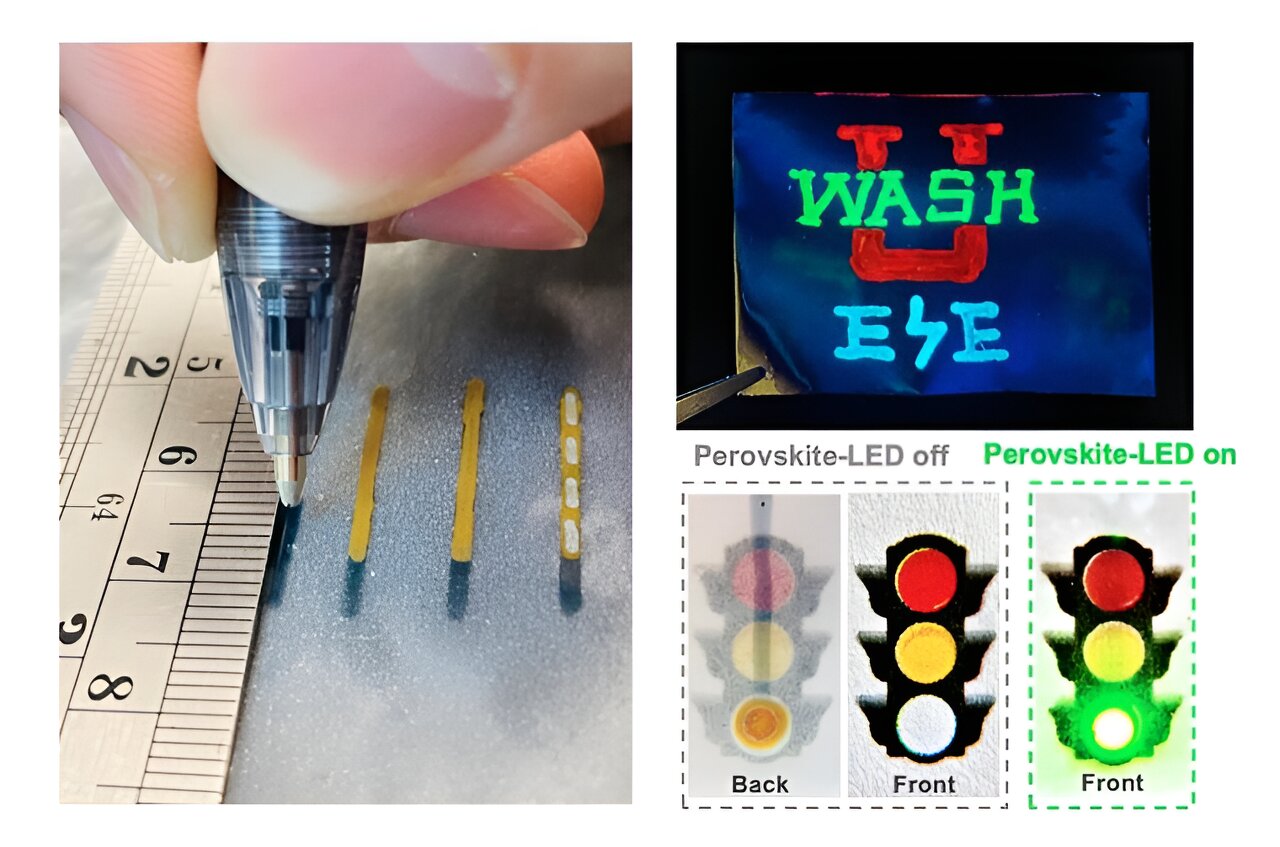
Researchers at the McKelvey School of Engineering have developed ink pens that allow individuals to handwrite flexible, stretchable optoelectronic devices on various materials, including paper, textiles, rubber, plastics, and 3D objects. The pens use specially designed inks made of conductive polymers, metal nanowires, and perovskites to create multicolor LEDs and photodetectors. This innovative handwriting approach enables the creation of functional devices quickly, easily, and cheaply, opening up possibilities for personalized wearables, disposable electronics, and next-generation wearable electronics. The technology has potential applications in education, smart packaging, medical sensors, and more, and could democratize electronic manufacturing.
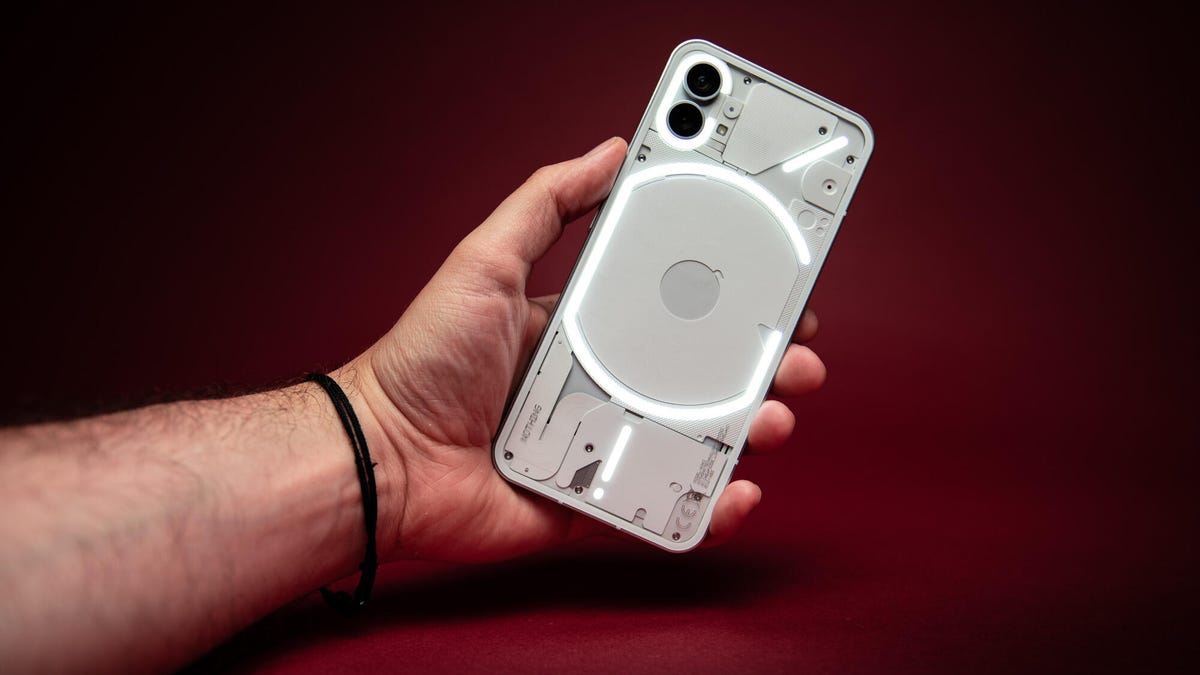
The upcoming Nothing Phone 2 will feature a redesigned look with a gray rear cover and an updated light-up glyph design on the back. The most notable change is the increase in the number of LEDs, with 33 smaller ones replacing the 12 on the previous model. The LEDs can be programmed for various functions, such as a progress bar or custom ringtone. Leaks suggest that the main camera will use a 50-megapixel sensor, while the selfie camera will be upgraded to 32 megapixels. The display is expected to have a 1080 x 2400 AMOLED panel with a 120Hz refresh rate. Nothing has set a July 11 launch date for the Phone 2.