More Americans are living paycheck to paycheck, with projections indicating this trend will worsen, leading to decreased retirement savings due to rising costs like housing and education, and major life events disrupting savings plans. Experts advise engaging in personalized retirement planning to improve financial security.

A Goldman Sachs study reveals that more Americans are living paycheck to paycheck, with 42% of younger workers having no savings after expenses, making retirement savings increasingly difficult due to rising costs of essentials like housing and healthcare. The shift from pensions to 401(k)s has placed more responsibility on individuals, many of whom feel unprepared for retirement, highlighting the need for new strategies and policy changes to address the growing financial insecurity.
More than 60% of Americans, including those earning over $100,000 a year, live paycheck to paycheck. Experts attribute this to lifestyle inflation, where people increase their spending as their income rises. However, many Americans struggle to make ends meet due to stagnant incomes not keeping up with the rising costs of living. Living paycheck to paycheck leaves people vulnerable to accumulating high-interest credit card debt, with almost half of Americans holding credit card balances due to emergency expenses. Experts recommend building an emergency fund to provide a financial safety net. The key is finding a balance between enjoying the present and saving for the future.
A recent report from Varo Bank reveals that women are "significantly more likely" than men to live paycheck to paycheck, with 59% of women and 41% of men facing financial difficulties. This discrepancy is attributed to factors such as the gender wage gap and women's roles as caregivers, leading to breaks in their careers or part-time work. The persistent wealth discrepancy is particularly challenging for women nearing retirement. Financial literacy is emphasized as crucial for women to achieve financial stability, with experts recommending meeting with financial advisors and taking an active role in financial decision-making.
A report by LendingClub reveals that 60% of Americans are living paycheck to paycheck as they head into the holiday season. Despite credit card debt surpassing $1 trillion, 96% of shoppers expect to overspend during the holidays, with half planning to take on more debt to cover expenses. Financial stress is prevalent, with 74% of Americans feeling stressed about their finances. Many households have already tapped into their savings, and over one-third plan to dip into them further for holiday spending, leaving them vulnerable to unexpected emergencies.
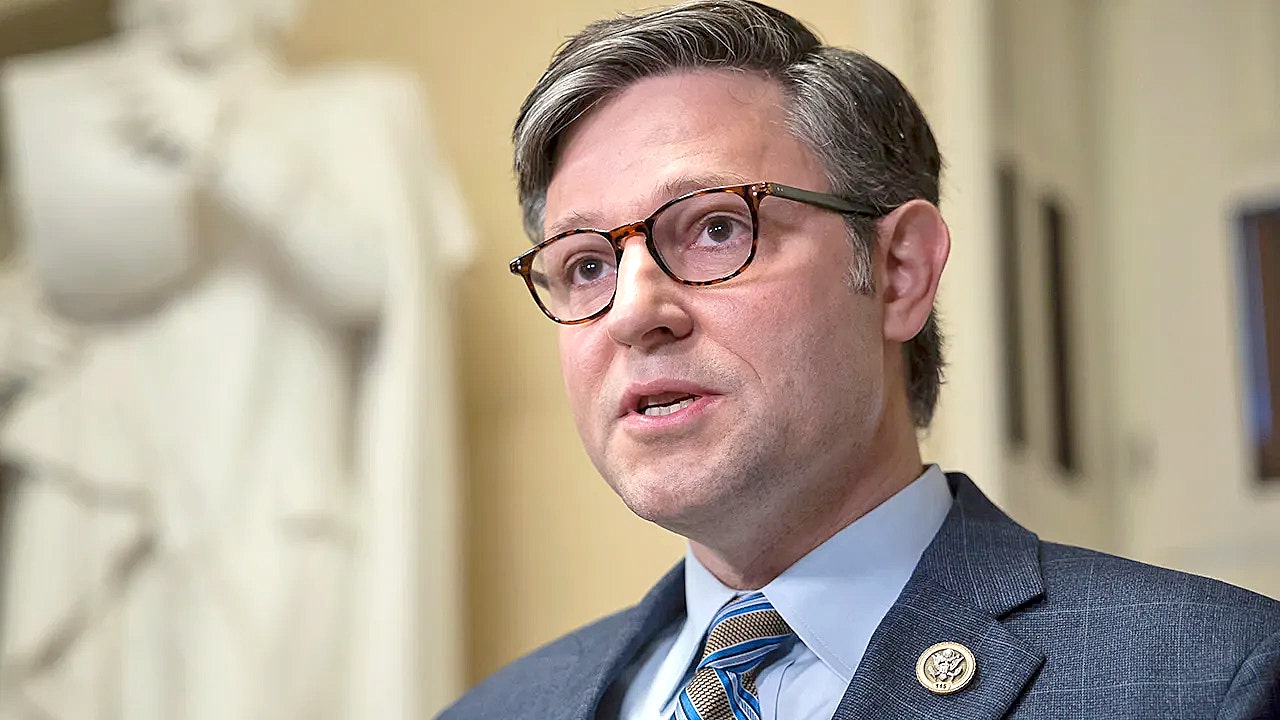
Some Americans defended House Speaker Mike Johnson after a report by The Daily Beast scrutinized his personal finances, suggesting that he lives paycheck to paycheck. The report highlighted that Johnson has never listed a bank account or any assets on his financial disclosures, leading to speculation about his financial situation. Supporters argued that Johnson's relatability and lack of corrupt practices make him a better representative for the average American. Critics pointed out the financial controversies surrounding other politicians and questioned the outrage over Johnson's financial status.
Approximately 60 percent of U.S. consumers, including those with high incomes, reported living paycheck to paycheck in August, according to a report by Pymnts and LendingClub. This figure remained unchanged from the previous year. The report also revealed that nearly 20 percent of paycheck-to-paycheck consumers struggle to pay bills, while almost half of all consumers experience seasonal financial distress. Reasons for financial instability include supporting family members and nonessential spending, which tends to increase during the holiday season.
Despite positive economic indicators, inflation remains high in the US, leading to financial stress for many Americans. Federal Reserve Chair Jerome Powell warns that more interest rate hikes may be necessary. Already, four out of five consumers have been affected by inflation, with lower-income workers being hit the hardest. A significant percentage of Americans, particularly those earning less than $100,000 a year, are living paycheck to paycheck.
A significant number of Americans, 61% as of June, are living paycheck to paycheck, relying on their regular income to cover essential living expenses with little to no money left over. A survey by Bankrate revealed that 72% of Americans do not feel financially secure, and over a quarter believe they will never achieve financial security. Rising costs, stagnant wages, inflation, and higher interest rates have exacerbated wage-earner anxiety. Essential expenses such as housing, food, and healthcare are consuming a large portion of Americans' take-home pay, leaving little room for other necessities. Many households are struggling to make ends meet and are unable to establish a stable financial framework.
The Federal Reserve is set to launch FedNOW, a real-time payments system that aims to help consumers avoid bank overdraft fees, benefiting the majority of Americans who live paycheck to paycheck.
A new report by LendingClub found that 73% of millennials are living paycheck to paycheck, with many facing financial obstacles such as supporting both their aging parents and children. Meanwhile, 66% of Gen Zers are also living paycheck to paycheck, up from 58% a year ago, due to job loss and less earning potential. Experts recommend going back to a basic budget to avoid overspending and financial vulnerability. Overall, fewer Americans are living paycheck to paycheck, but some age groups are still struggling.