Gen Z is starting retirement savings earlier than previous generations, with many opening accounts by age 19, driven by financial anxiety and economic challenges, though some are already dipping into their savings early. While their engagement is promising, concerns about financial stability remain prevalent.
Gen Z is starting to save for retirement, but primarily driven by anxiety about their uncertain future rather than confident financial planning, highlighting a need for better financial education amidst economic challenges.
Originally Published 19 days ago — by About Schwab
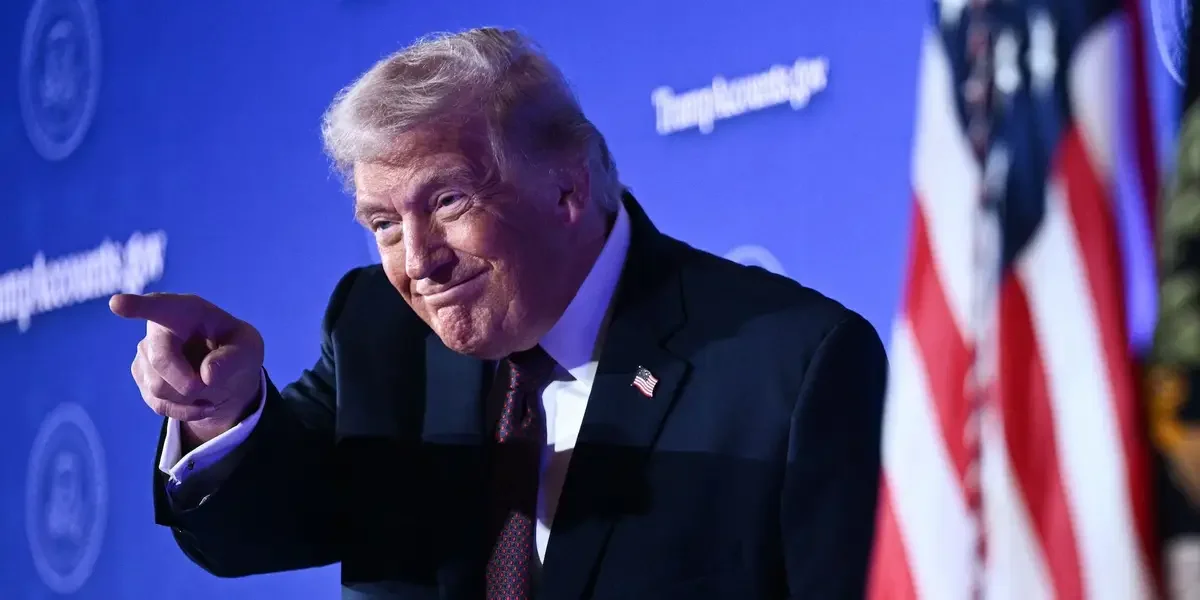
Charles Schwab announced it will match the U.S. government's $1,000 contribution to eligible newborn children of its employees, supporting early financial security and literacy for the next generation through the 'Trump Accounts' program.
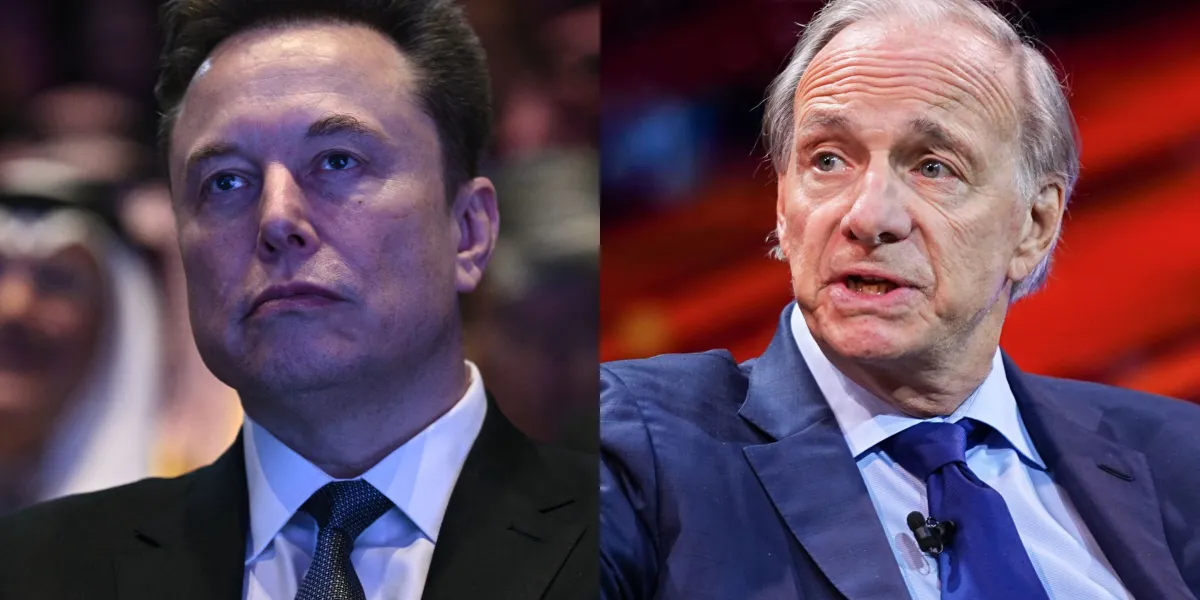
Ray Dalio announced a $250 contribution to the Trump Accounts for young Americans, part of a bipartisan effort to promote financial literacy and human capital investment, while Elon Musk dismisses such initiatives, asserting that technological advancements like AI will eliminate poverty and the need for money, leading to a future of universal high income.
Physicians are increasingly turning to side gigs to supplement income, combat burnout, and gain autonomy, with some building full careers around these ventures, highlighting a shift towards financial independence and diversification in the medical field.
Ndamukong Suh, a former NFL player, emphasizes the importance of financial literacy and management, sharing his journey from understanding contracts to investing and building wealth. He launches a show, 'No Free Lunch,' to explore how successful athletes and entrepreneurs manage their money, advocating patience and continuous learning inspired by mentors like Warren Buffett.
Vivian Tu, known as the 'Wall Street Girly,' is on a mission to make wealth more accessible by promoting financial literacy and education. She aims to demystify financial concepts and empower individuals to take control of their financial futures.
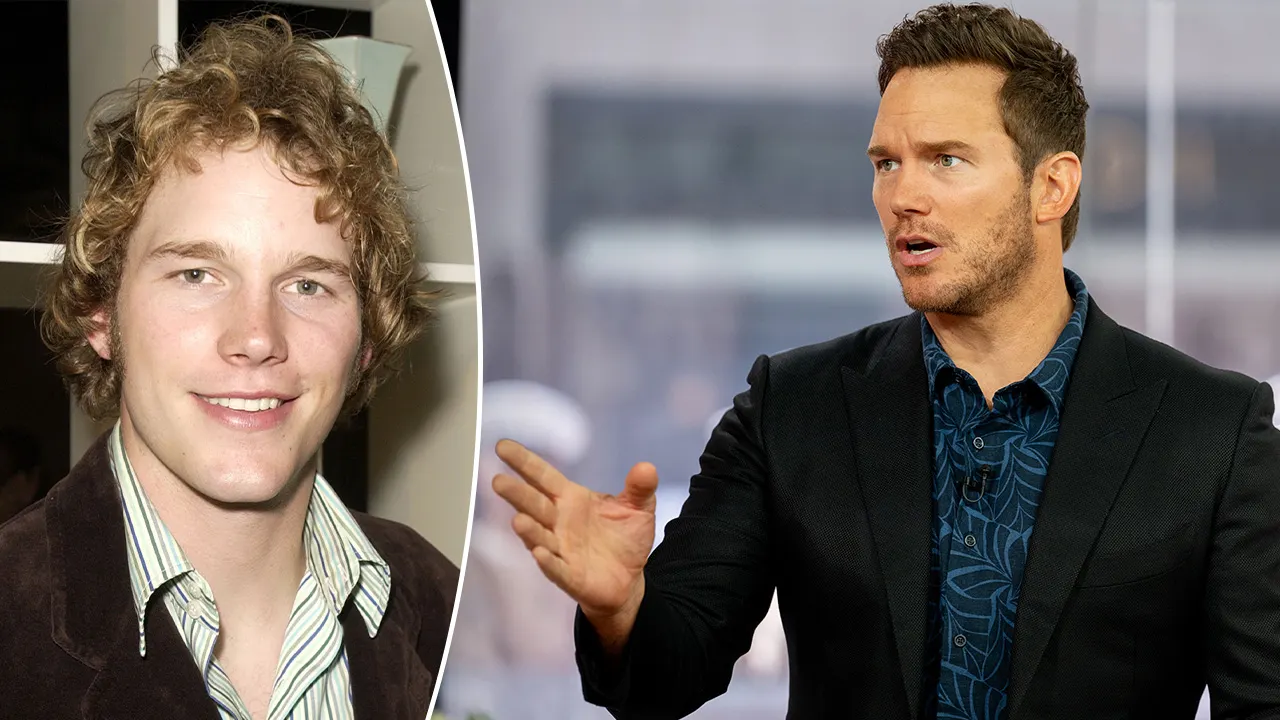
Chris Pratt revealed that he blew through his first big Hollywood paycheck of $75,000 in a matter of weeks due to a lack of financial literacy, stemming from his impoverished upbringing. He shared his journey from living in a van in Hawaii to becoming a major movie star and how he eventually learned to manage his finances responsibly.
The no-buy challenge, where individuals commit to purchasing only essential items for a set period, is gaining popularity as a way to save money and reduce environmental impact. Participants, including a Brooklyn creative director and a San Diego sustainability worker, share their experiences and struggles on social media platforms like TikTok. The trend, which helps people manage debt and curb impulsive spending, also promotes mindful consumption and sustainability.
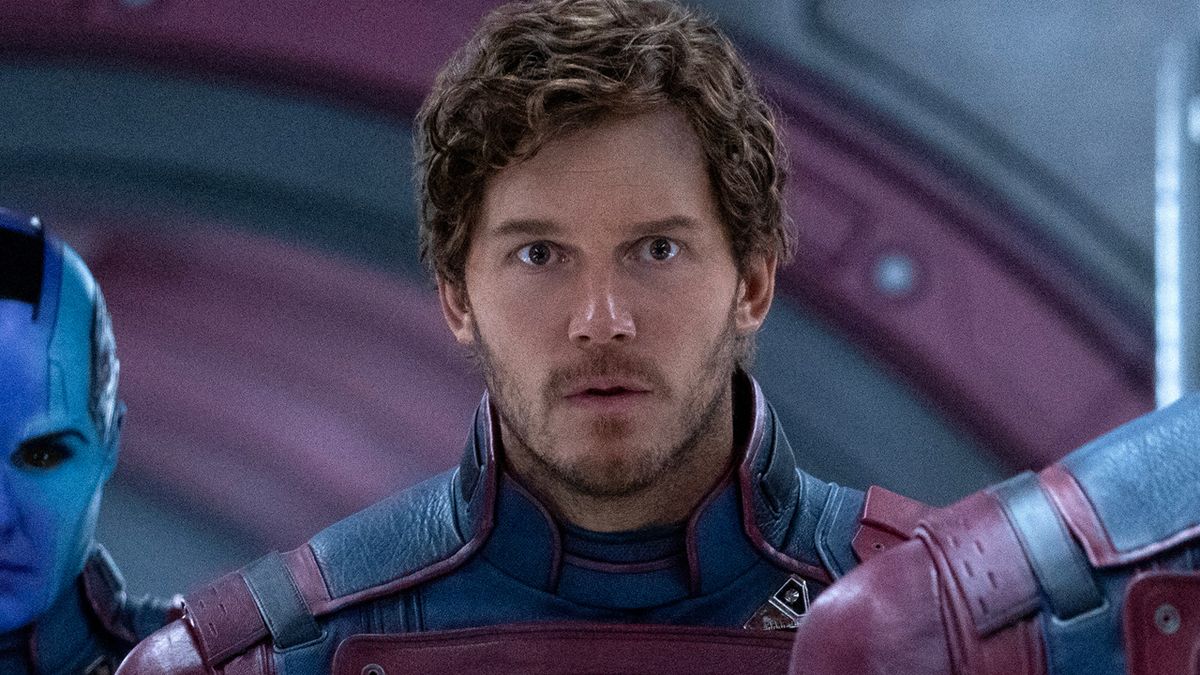
Chris Pratt revealed that he quickly spent his first $75,000 paycheck, believing he would never run out of money. The actor, who rose to fame from "Parks and Recreation" and now stars in major franchises like Marvel's "Guardians of the Galaxy," admitted he lacked financial literacy growing up. Pratt has since learned to manage his finances better, drafting a financial literacy plan to ensure long-term stability for himself and his family.
Chris Pratt reminisces about his first Hollywood paycheck of $75,000, which he quickly spent on travel and other expenses due to a lack of financial literacy. Despite initially struggling to manage his finances, Pratt's career took off with roles in "Everwood," "Parks and Recreation," and major film franchises, leading to his current success and financial stability.
Chris Pratt discusses his four main career goals as a Hollywood actor, his rapid spending of his first $75K paycheck, and his journey from waiting tables to starring in major blockbusters. Despite his success, Pratt emphasizes the importance of financial literacy and his aspirations to win major awards like an Oscar or Golden Globe.
Los Angeles Dodgers superstar Shohei Ohtani is the latest in a long line of athletes and celebrities who have fallen victim to financial scams by people in their inner circles. Mizuhara, Ohtani's former interpreter and de facto manager, allegedly stole millions of dollars from Ohtani's account to cover gambling debts. This incident sheds light on the vulnerability of athletes and celebrities to financial fraud, with a 2021 report showing nearly $600 million lost to fraud from 2004 through 2019. Experts emphasize the importance of financial literacy and recommend athletes to surround themselves with a team of trusted professionals to avoid such scams.
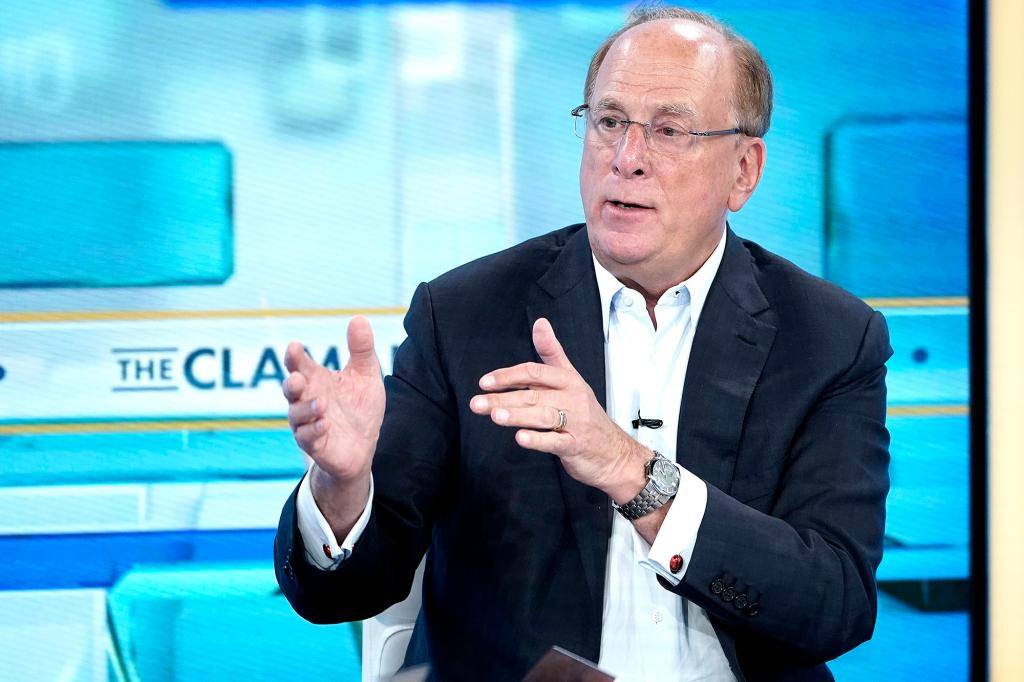
BlackRock CEO Larry Fink warns of a looming retirement crisis and urges Americans to start saving more, emphasizing the need to tap into the US capital markets for investment returns. Fink believes in the strength of the US economy and advises individuals to trust in the stock market's record and the concept of compounding, while also emphasizing the importance of financial literacy and caution against relying on dubious sources for investment information.
A 23-year-old man from Texas, who used to spend $9,000 a month on partying, is now struggling with debt and refuses to work more than 15 hours a week to pay it off. His financial decisions, including overspending and lack of financial planning, have put him in a precarious situation. This reflects a larger issue of financial illiteracy among young Americans, with Gen Z seeing a surge in credit card balances. However, there is hope as some are taking financial literacy courses and using social media to adopt better financial habits.