Harry Chinchinian, a dedicated and respected medical professional and community member from Lewiston-Clarkston Valley, passed away at age 99. His life was marked by military service in WWII, a successful medical career specializing in pathology, teaching, and community involvement, as well as a passion for skiing, horses, and family. He was known for his kindness, mentorship, and commitment to his patients and community, leaving a lasting legacy in medicine and local service.
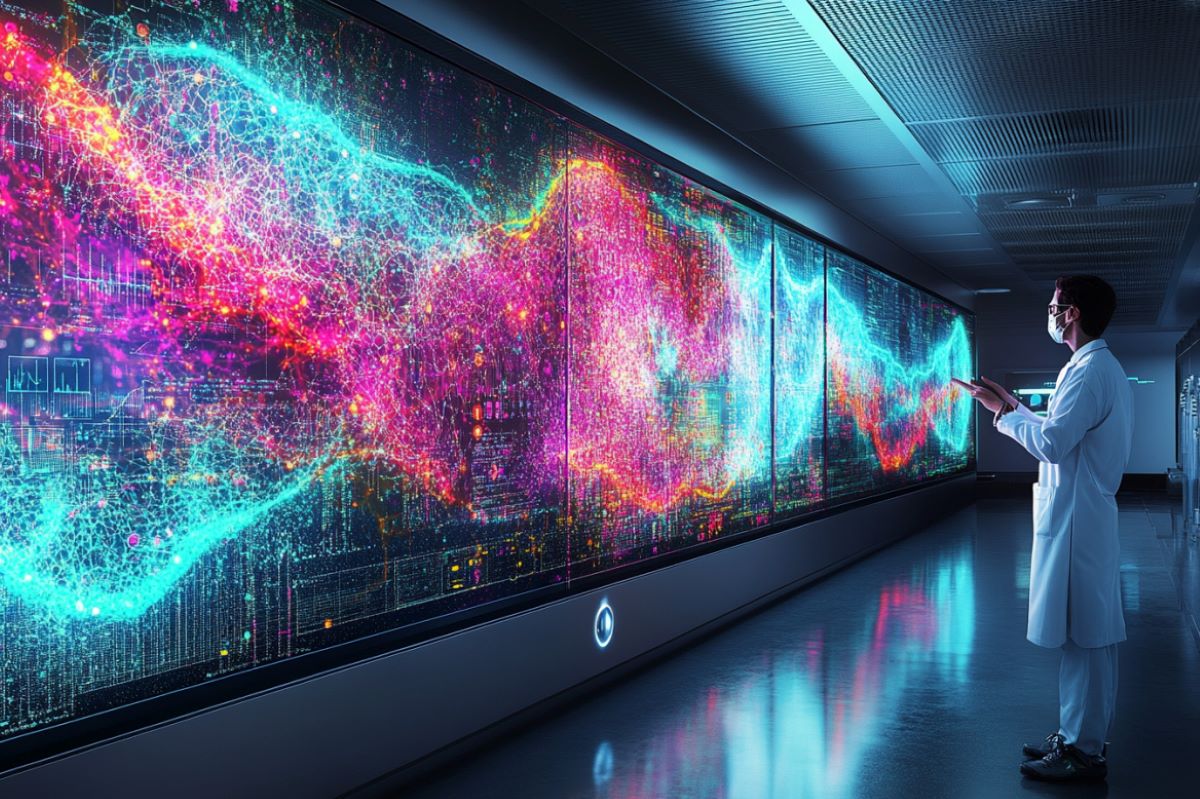
A deep learning AI model developed by Washington State University researchers significantly enhances the speed and accuracy of disease detection in tissue images, outperforming human pathologists in some cases. By analyzing gigapixel images with advanced neural networks, the AI reduces analysis times from months to weeks, revolutionizing research and diagnostics, particularly for cancer and gene-related illnesses. This model, already aiding animal disease research, holds transformative potential for human medical diagnostics.
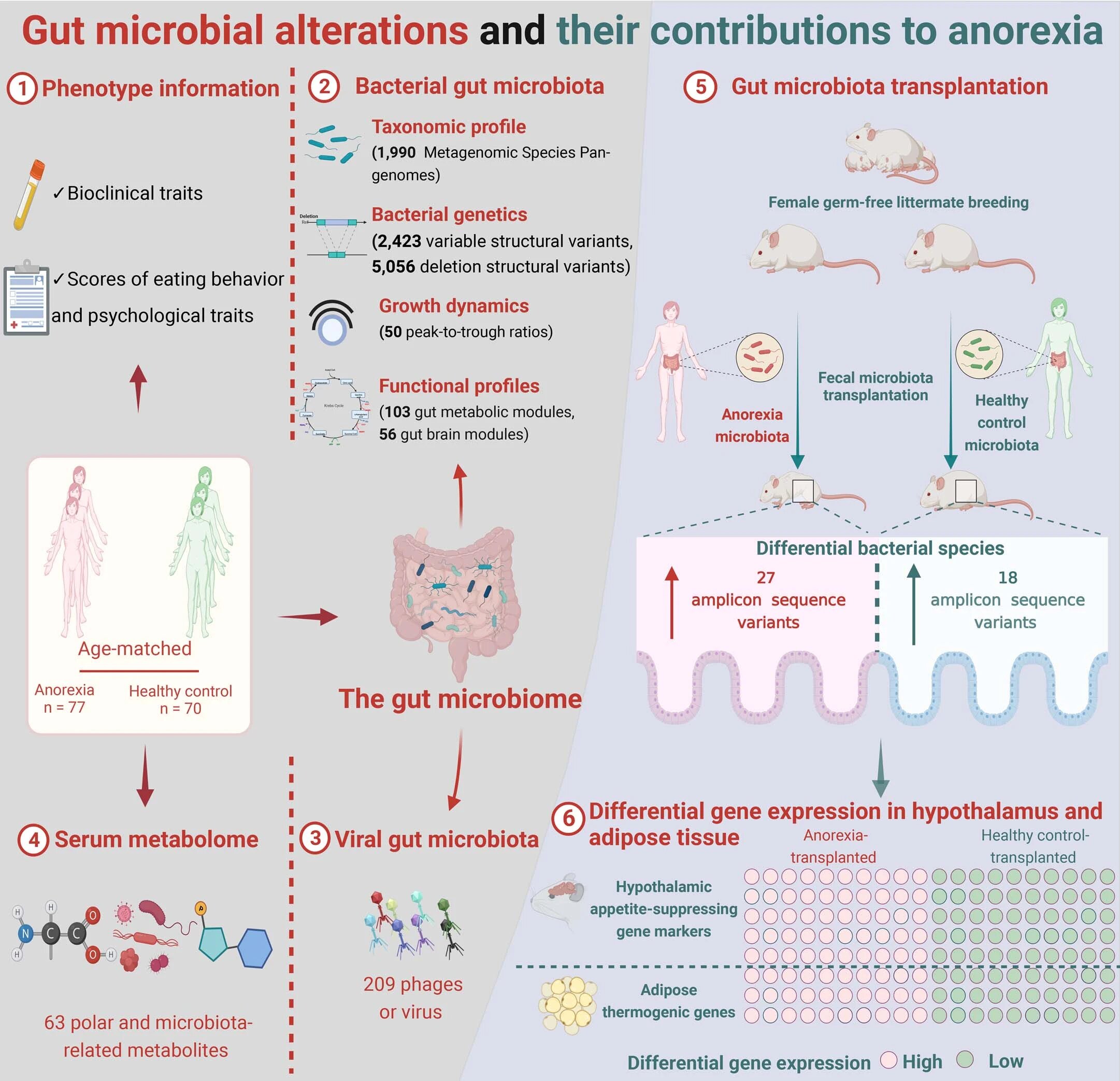
A study published in Nature Microbiology has identified the mechanistic interplay between restricted eating habits and how the gut microbiota's natural response negatively accentuates the pathology of anorexia nervosa (AN). The study found that altered serum metabolite compounds could indicate the compounds are operating via blood circulation, affecting brain regulation of appetite, emotions, and behavior. Additionally, fecal microbiota transplantation from AN cases to germ-free mice under energy-restricted feeding mirrored AN eating behaviors. The gut virome was also altered in the AN group, as researchers noted a reduction in viral–bacterial interactions.
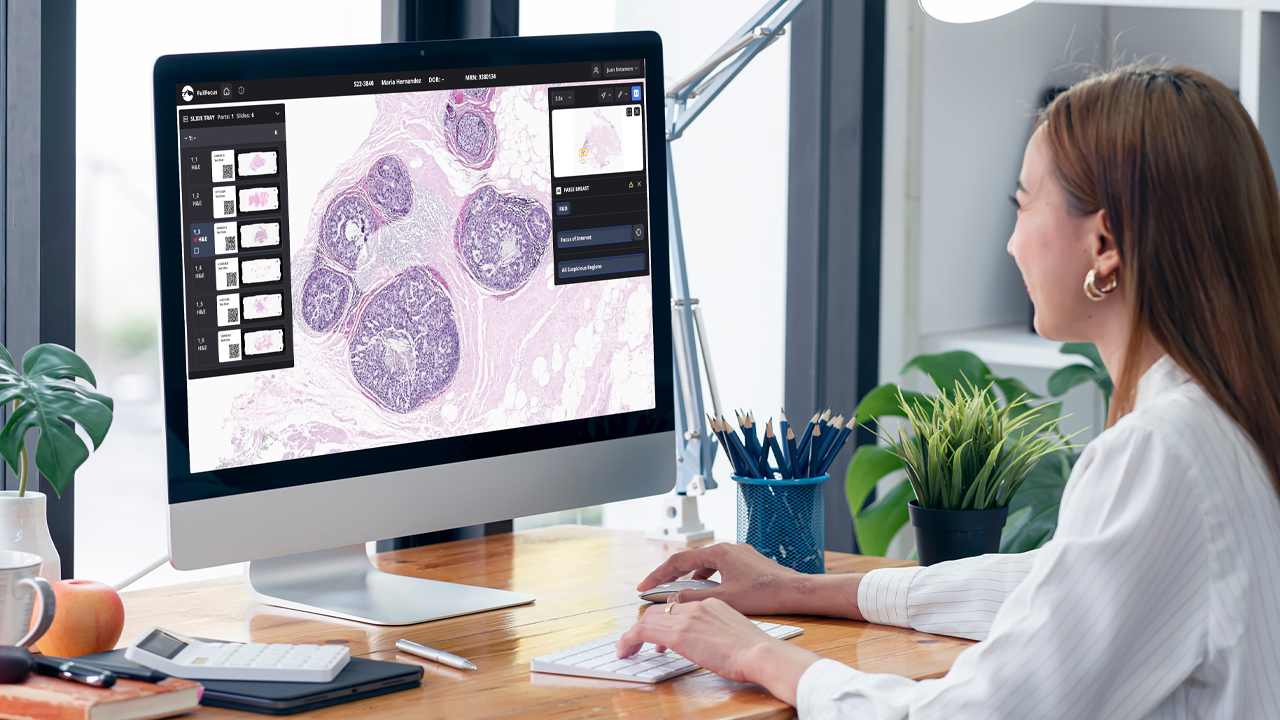
Artificial intelligence (AI) is helping physicians to diagnose cancer more accurately at much faster rates and at a lower cost than previously possible, according to Dr. Thomas J. Fuchs, the Dean of Artificial Intelligence and Human Health at Mount Sinai in New York City. Paige AI, a company using AI to detect and treat cancer, has developed AI applications that can transform doctor workflows and increase diagnostic confidence. AI can also significantly impact clinical operations, clinical workflow, ICU management, and early detection with the goal of earlier discharge and much lower numbers of malnutrition in clinical practice.