
Tag

Non Motor Symptoms

All articles tagged with #non motor symptoms

Sex-Specific Parkinson's Patterns Emerge in Large Australian Study
health4 hours ago

Sex-Specific Parkinson's Patterns Emerge in Large Australian Study

A large Australian Parkinson's Genetics Study (n=10,929) finds Parkinson's disease presents and progresses differently by sex and highlights the prominence of non-motor symptoms. Onset is younger for women (63.7) than men (64.4), and women have more pain and falls, while men show more memory changes and impulsive behaviors. The disease is ~1.5x more common in men; environmental risks (pesticide exposure, traumatic brain injury, high-risk occupations) are common and higher in men. About 25% have a family history; only 10–15% linked to known gene mutations, with most risk due to gene–environment interaction and aging. Limitations include self-reported data, a ~6% response rate, and predominantly European ancestry. Researchers plan to use smartphones and wearables to collect richer data, aiming for earlier risk identification and more personalized management.

Four early non-motor clues that may precede Parkinson’s by years
health1 month ago

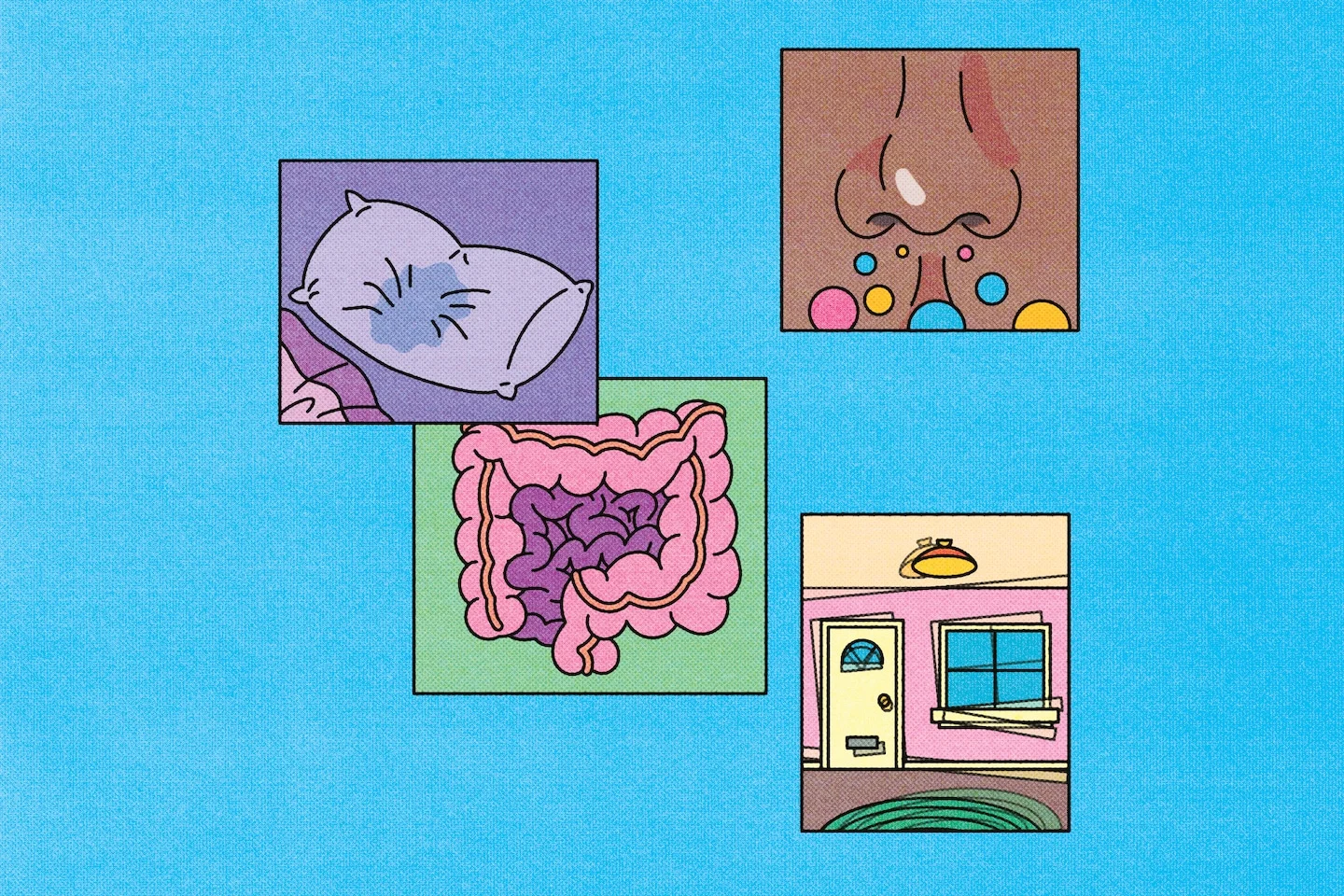
Four early non-motor clues that may precede Parkinson’s by years

Non-motor signs can appear years before Parkinson’s motor symptoms. Loss of smell may begin up to about 20 years before diagnosis; REM sleep behavior disorder markedly increases future risk (many develop Parkinson’s within 5–10 years); constipation and orthostatic hypotension are also early markers with varying strength. These signs aren’t diagnostic alone, but multiple markers or a family history warrant medical evaluation, and smell tests are available through research programs.

Early Parkinson's Symptoms Often Missed in 62-Year-Old
health1 year ago

Early Parkinson's Symptoms Often Missed in 62-Year-Old

Veronica Brown, a 62-year-old woman, experienced non-motor symptoms like depression and anxiety for over a decade before being diagnosed with Parkinson's disease in 2020. After initial relief from medication, she turned to deep brain stimulation (DBS) in 2024, which significantly improved her symptoms and reduced her medication needs. Despite its proven efficacy, DBS is underutilized due to factors like patient apprehension and limited access to trained neurosurgeons. Brown's experience highlights the importance of support groups and awareness in managing Parkinson's disease.