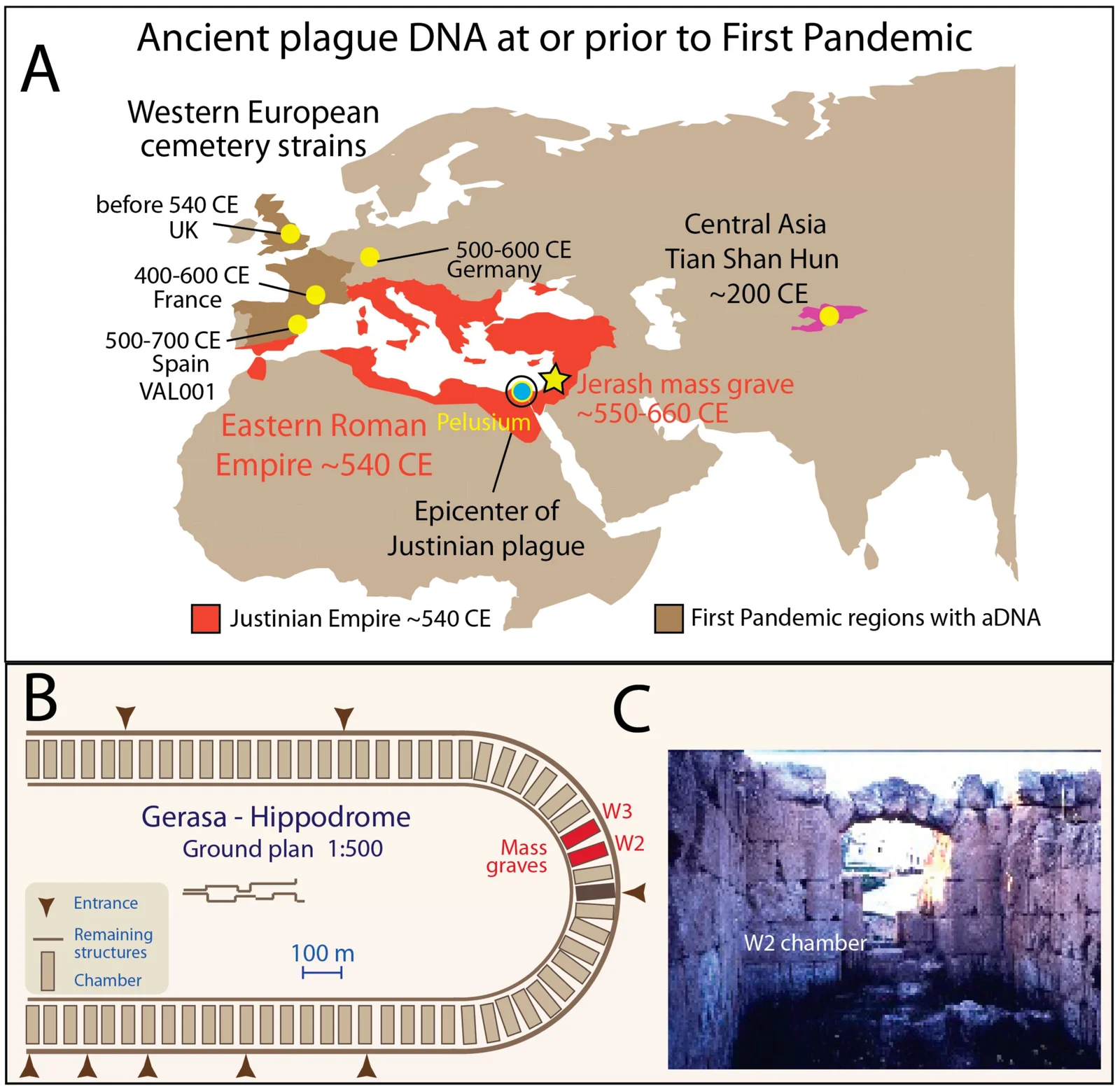
Scientists have confirmed that Yersinia pestis caused the Justinian Plague 1,500 years ago by analyzing genetic material from human remains in Jerash, Jordan, providing definitive biological evidence of the bacterium's role in one of history's earliest pandemics, and revealing patterns of recurrent plague outbreaks over millennia.
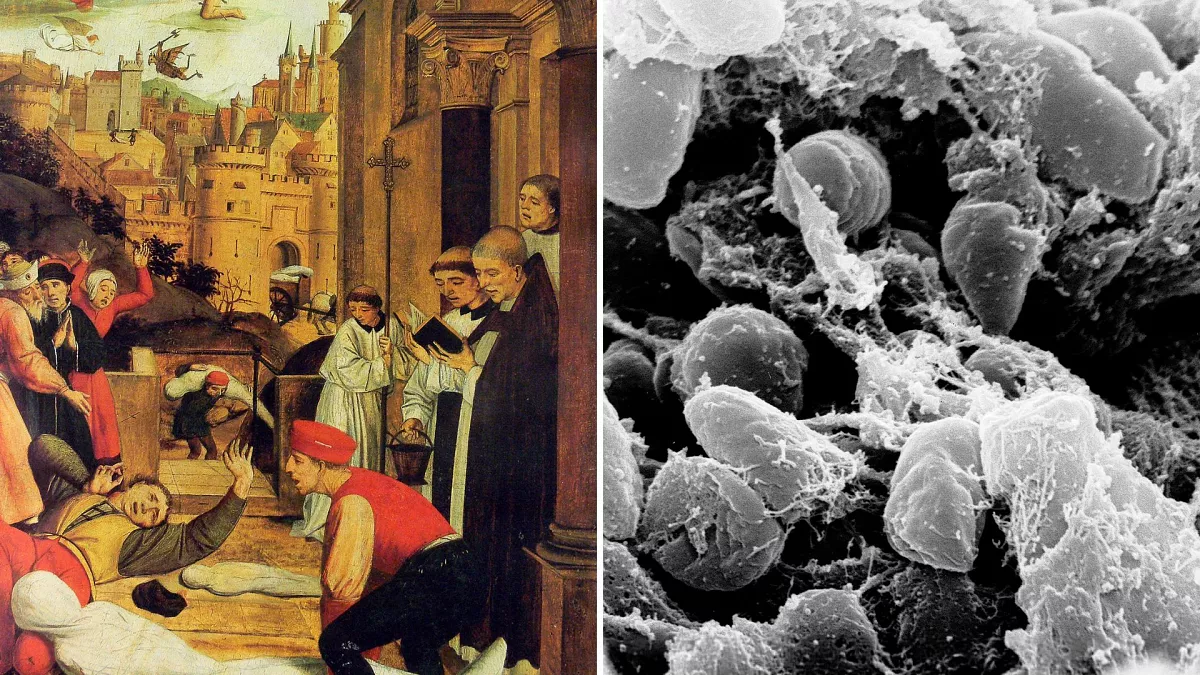
Scientists have identified the bacterium Yersinia pestis in a 1,500-year-old mass grave in Jerash, Jordan, providing the first direct genetic evidence linking it to the Justinian Plague, the world's first recorded pandemic, which caused millions of deaths in the 6th century.
Researchers have uncovered direct genetic evidence of Yersinia pestis in a mass grave at Jerash, Jordan, confirming the bacterium caused the Plague of Justinian, the first recorded pandemic, thus resolving a long-standing mystery and providing new insights into the history and evolution of pandemics.