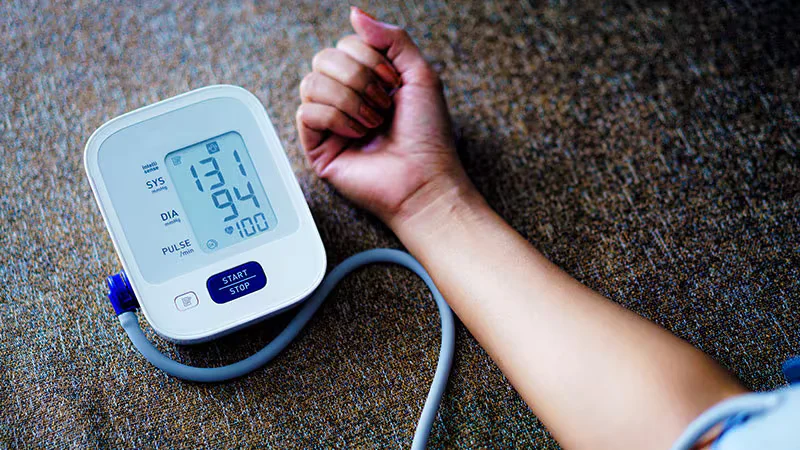
Blood pressure readings can be skewed by arm shape and cuff size, with automated measurements often underestimating systolic BP, especially in women and with larger cuffs, potentially leading to misdiagnosis and undertreatment of hypertension.
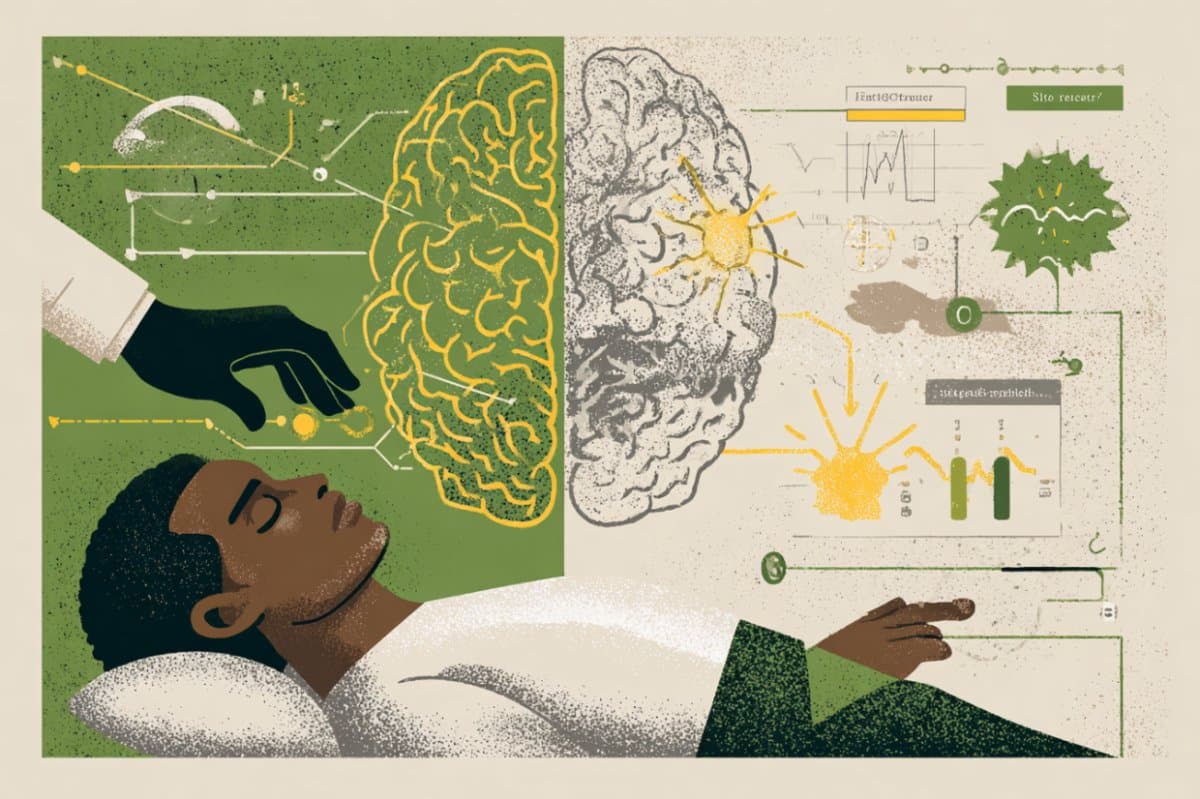
A brain imaging study shows that expectations influence pain differently depending on whether they are shaped by external cues or treatment information, with cues affecting pain-related brain activity more reliably than placebo explanations, highlighting the importance of how healthcare providers communicate with patients.
Researchers analyzed data from over 5000 children with autism to identify four distinct subtypes with unique genetic and clinical features, which could lead to more tailored support and prognosis predictions, though further validation and expansion are needed.
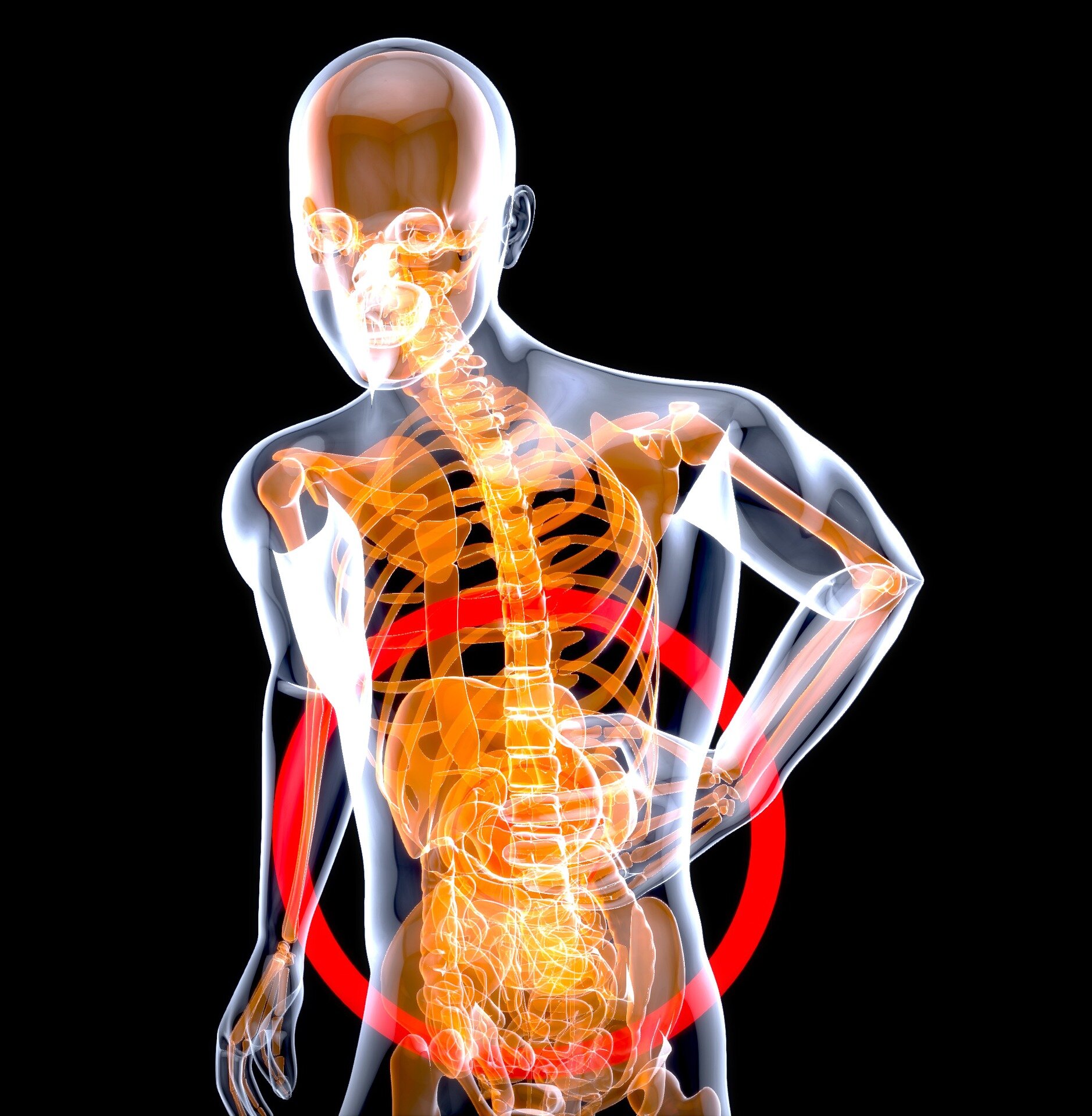
Researchers at the Laureate Institute for Brain Research have successfully used a minimally invasive vibrating capsule to measure neural responses during gastrointestinal stimulation, providing a novel approach to study the gut-brain connection. The capsule was developed by Vibrant Ltd. and participants in the study included healthy adult male and female volunteers ages 18-40. The researchers discovered the "gastric evoked potential," a late neural response in certain areas of the brain specifically induced by capsule stimulation, providing a new way to measure and understand the neural processes governing the gut-brain connection. The vibrating capsule method could transform the clinical approach to disorders of gut-brain interaction, including eating disorders and certain gastrointestinal disorders such as irritable bowel syndrome (IBS) or functional dyspepsia.