
Study reveals how false cardiac feedback affects pain perception
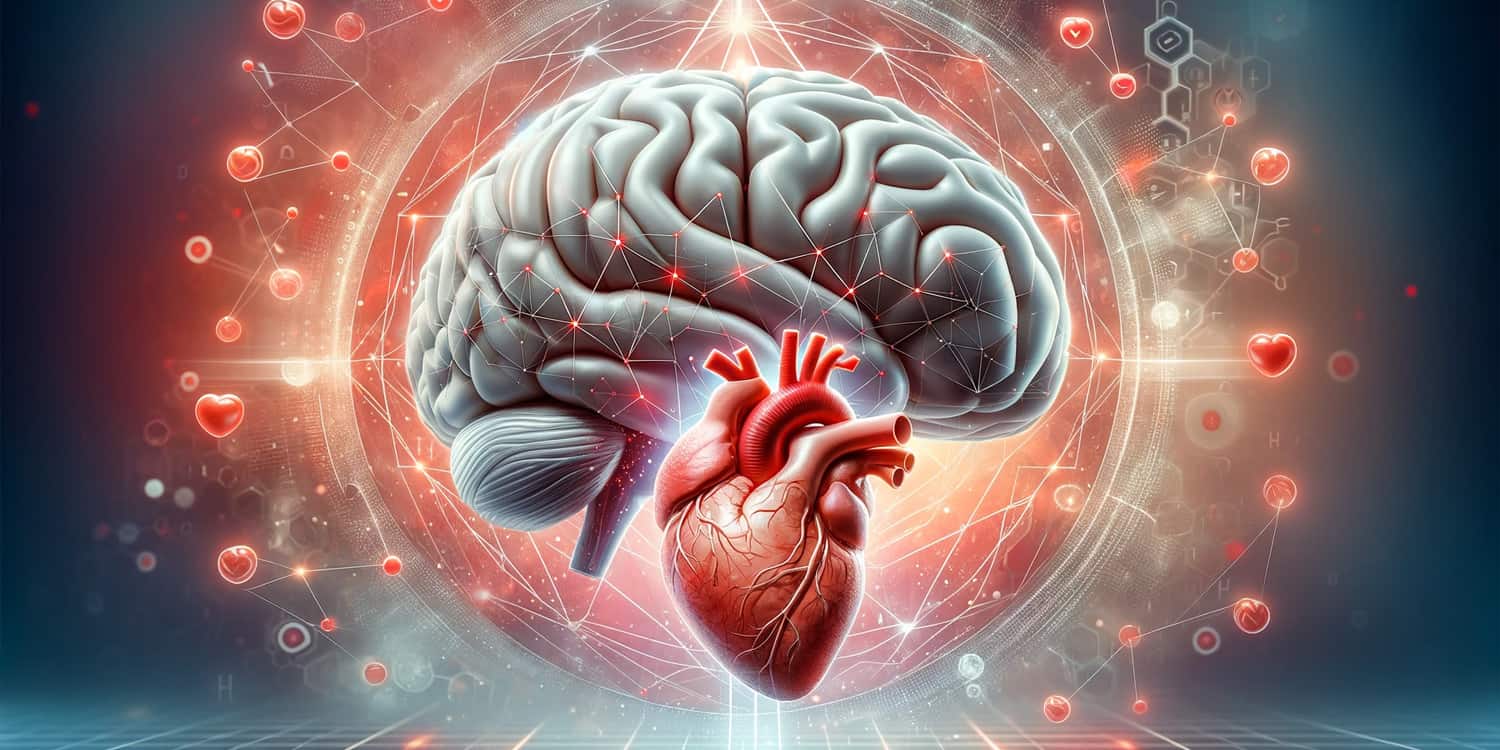
Two experiments conducted in Italy found that exposing participants to falsely accelerated cardiac feedback, such as playing faster heartbeat sounds, prior to administering electric shocks resulted in participants perceiving the shocks as more painful. This artificial feedback also triggered an enhanced physiological response, causing a slower heartbeat. The study sheds light on the psychological mechanisms of pain perception and highlights the influence of interoceptive sensations on pain experience. However, the study's small sample size and limited age range of participants warrant further research.