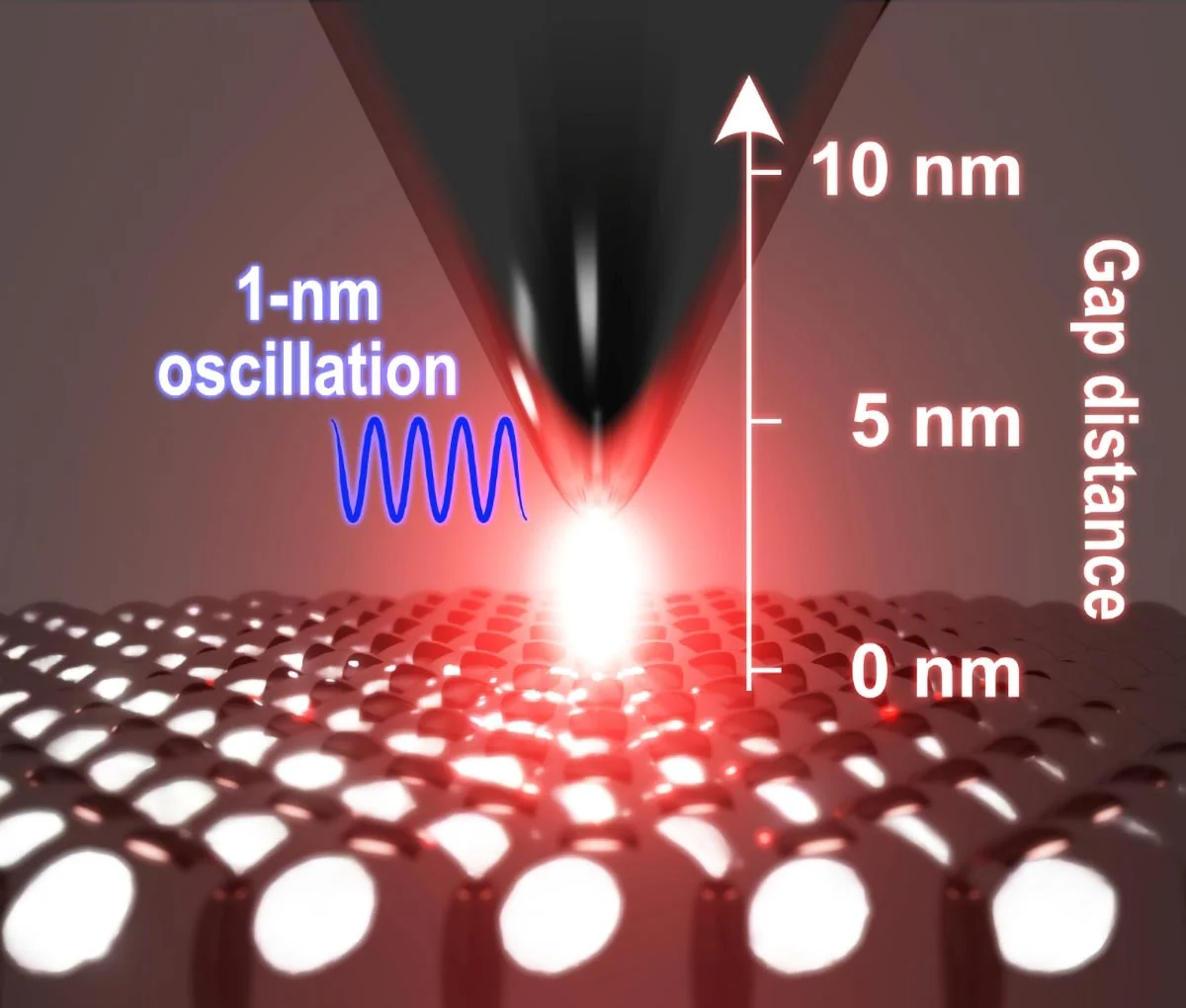
Scientists have developed a groundbreaking microscope capable of visualizing optical responses at a 1-nanometer resolution, enabling atomic-scale imaging of surfaces and materials, which could significantly advance nanotechnology and materials science.
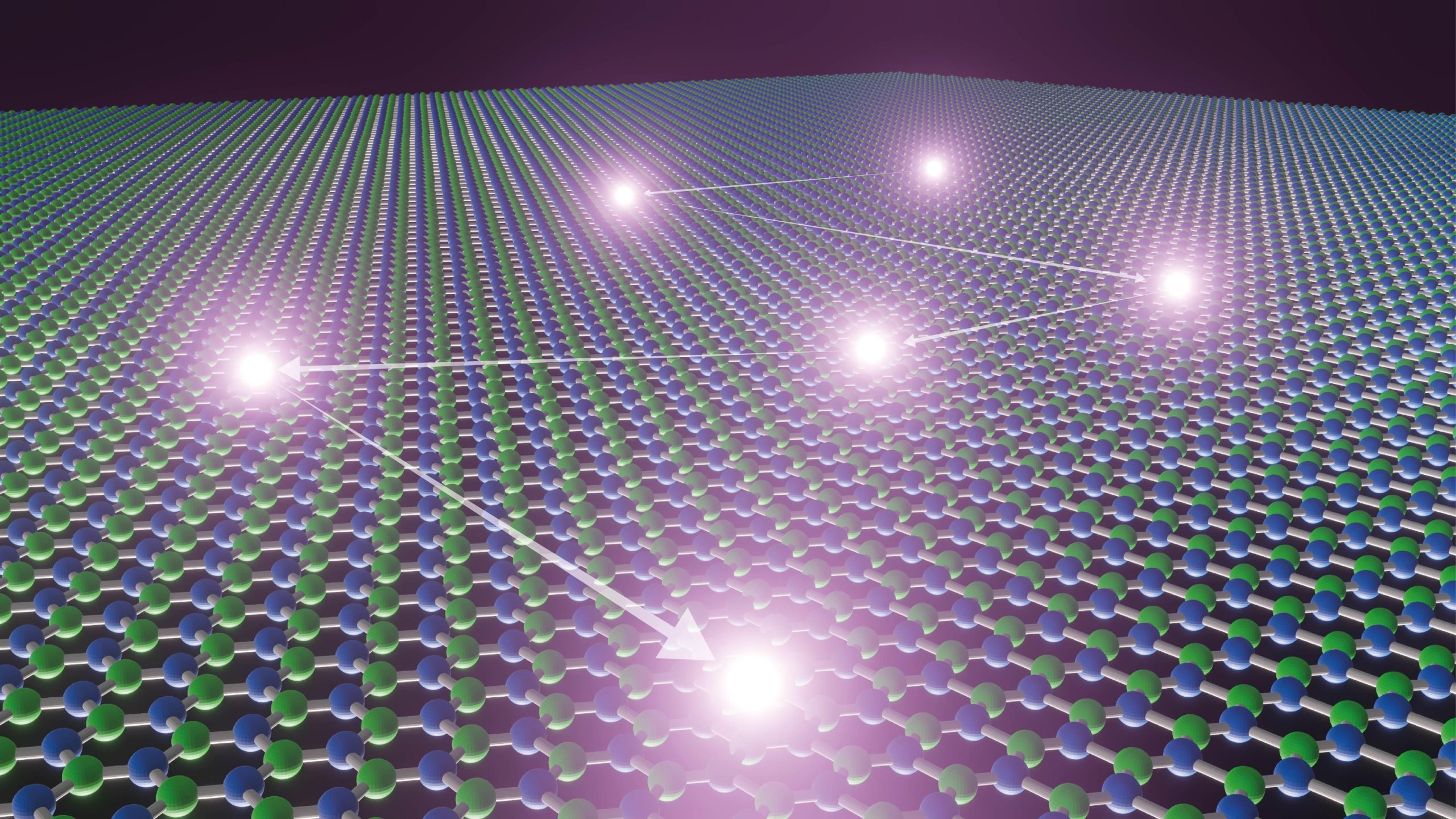
Scientists have made a breakthrough in nanofluidics by using boron nitride to illuminate and track molecules within nanofluidic structures. This two-dimensional material allows for the direct observation and tracing of individual molecules, providing insights into molecular interactions and surface defects. The discovery has vast implications for understanding the behavior of ions and molecules in biological systems and opens up possibilities for visualizing nanoscale flows caused by pressure or electric fields. This optical imaging technology offers a groundbreaking approach to studying hidden worlds like nanofluidic structures.
Scientists from EPFL and the University of Manchester have made a breakthrough in nanofluidics by utilizing the fluorescent properties of a graphene-like 2D material, boron nitride. This discovery allows for the tracking of individual molecules within nanofluidic structures, providing new insights into molecular behavior and paving the way for advancements in optical imaging and sensing. The research offers a deeper understanding of molecular properties and has potential applications in visualizing nanoscale flows and studying confined spaces.
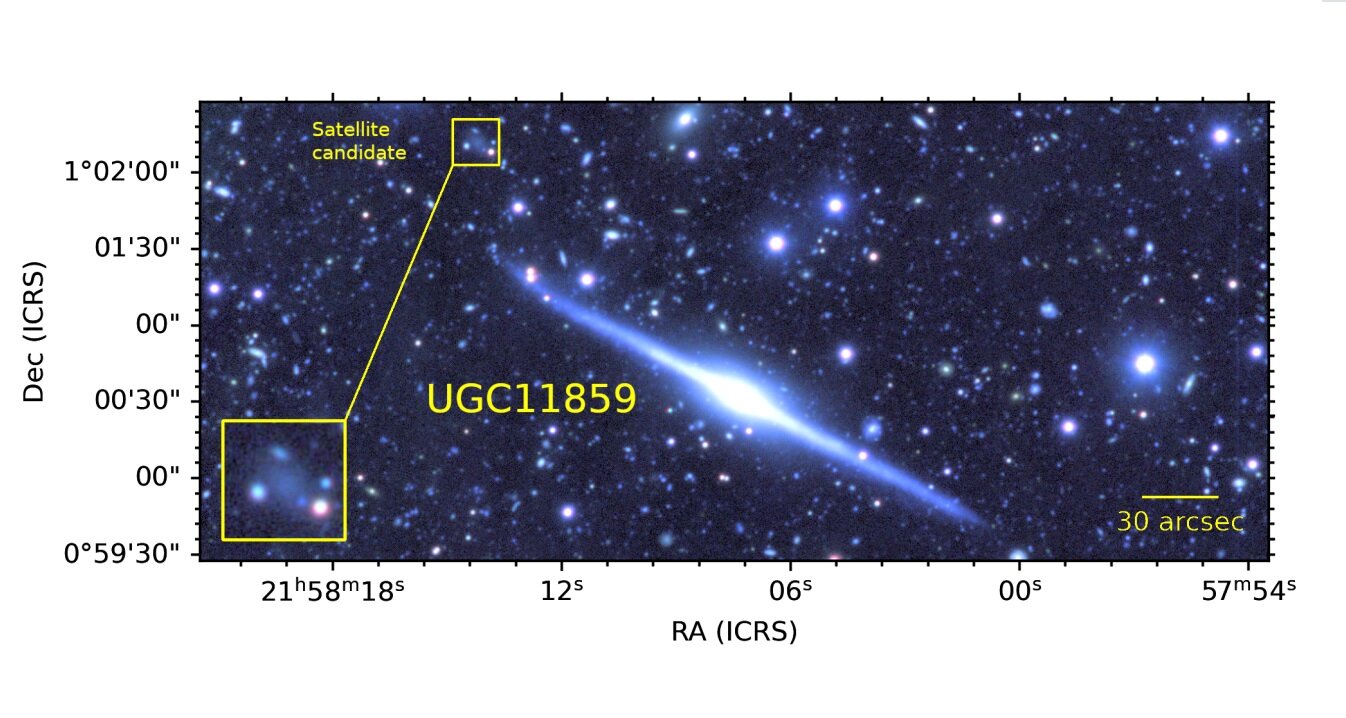
Astronomers have used the Gran Telescopio Canarias (GTC) to observe the ultra-thin galaxy UGC 11859 and have discovered a significant gravitational distortion in its disk, including the presence of a warp and a flare. The observations also suggest the existence of a small satellite galaxy near UGC 11859. These findings provide valuable insights into the structure and properties of this isolated galaxy.
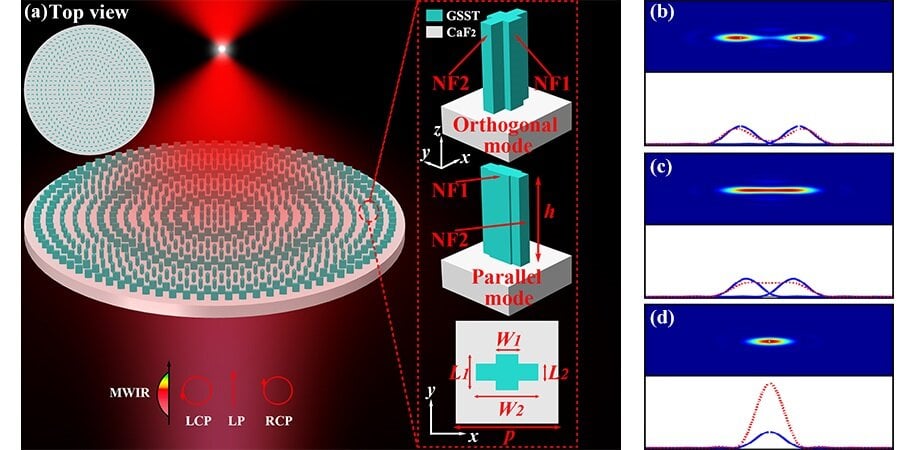
Researchers have developed a novel approach for creating broadband achromatic and polarization-insensitive metalenses (BAPIML) that can enhance image quality. Metalenses, which are ultrathin lenses made from nanomaterials, have the advantage of being smaller and easier to produce than traditional lenses. However, they are susceptible to chromatic aberration, which reduces image quality. The researchers used the Rayleigh criterion for spot resolution to design two complementary metalenses that merge bright spots into a single focused spot. By carefully adjusting the parameters, they were able to counteract chromatic aberrations and focus light of different wavelengths at the same point. This new method opens doors to improved imaging and optical applications.
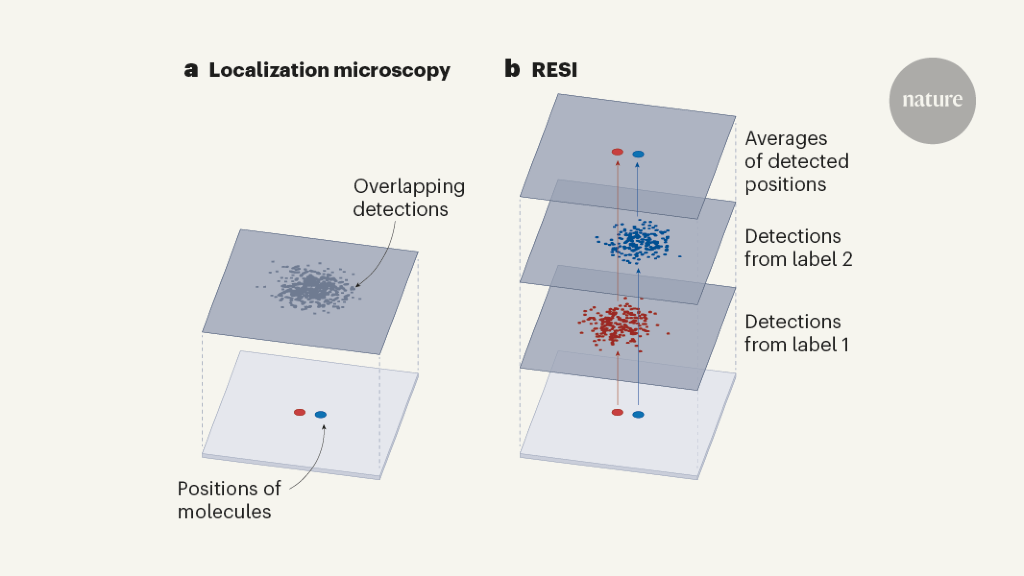
Scientists have developed an optical-microscopy technique that can distinguish between tiny objects that are less than one nanometre apart, equivalent to a separation of just several atoms, by using a mixture of tags to label copies of target molecules in a sample. The technique could lead to biologists probing the organization of complex arrangements of the molecules of life in greater detail than before, in the native environment of the cell.
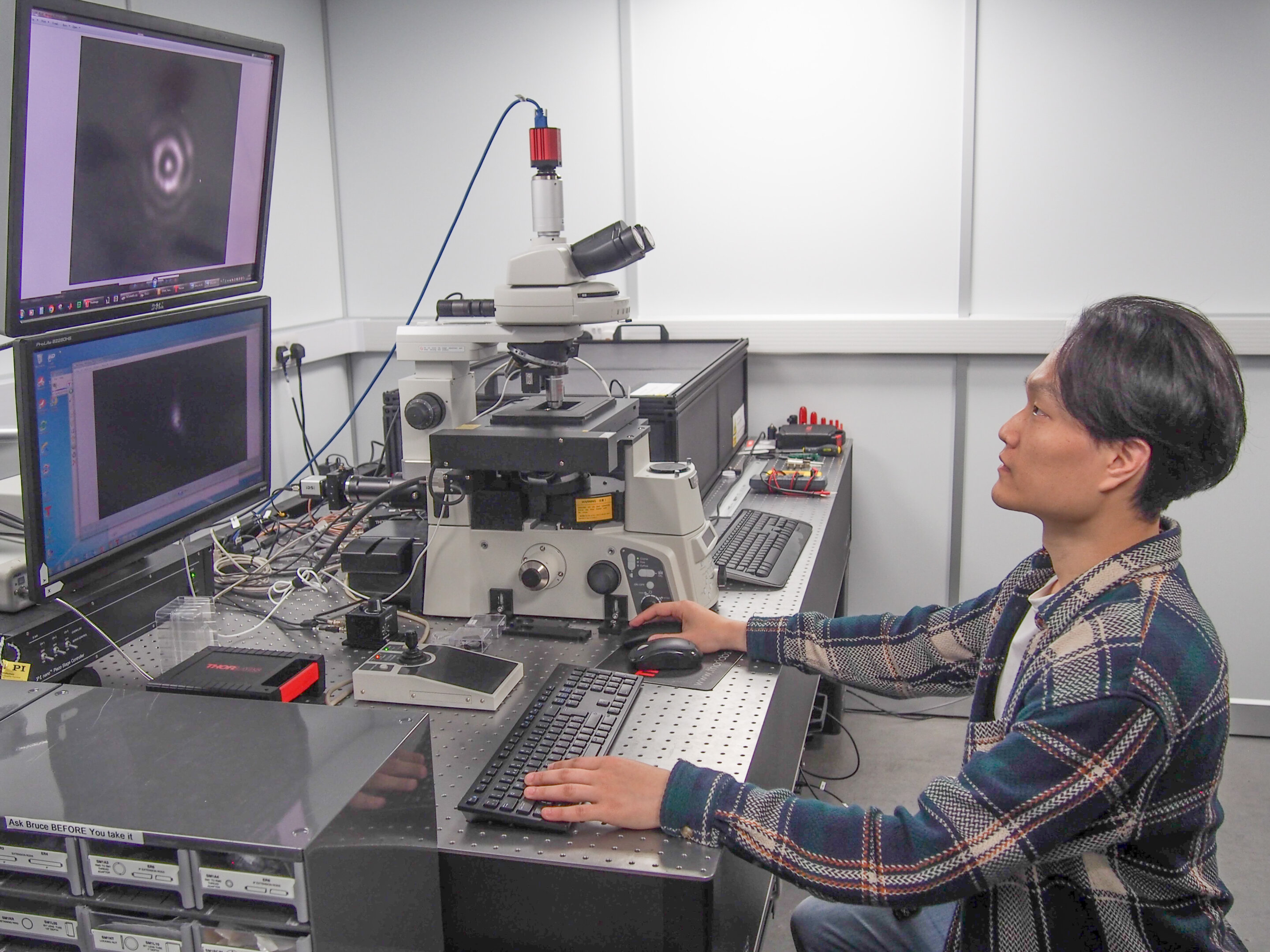
Researchers at the University of Southampton and Nanyang Technological University have developed a non-invasive approach for optical measurements with atomic-scale resolution using topologically structured light and deep learning. Their proof-of-principle experiments resolved the position of a suspended nanowire with a subatomic precision of 92 pm, thousands of times better than conventional microscopes. This approach could open up new possibilities for research in a variety of fields, allowing scientists to characterize systems or phenomena at the scale of a fraction of a billionth of a meter.