Physicists have demonstrated that the classical Carnot efficiency limit breaks down at the atomic scale when quantum correlations are involved, allowing microscopic heat engines to surpass traditional efficiency limits and paving the way for highly efficient quantum motors.
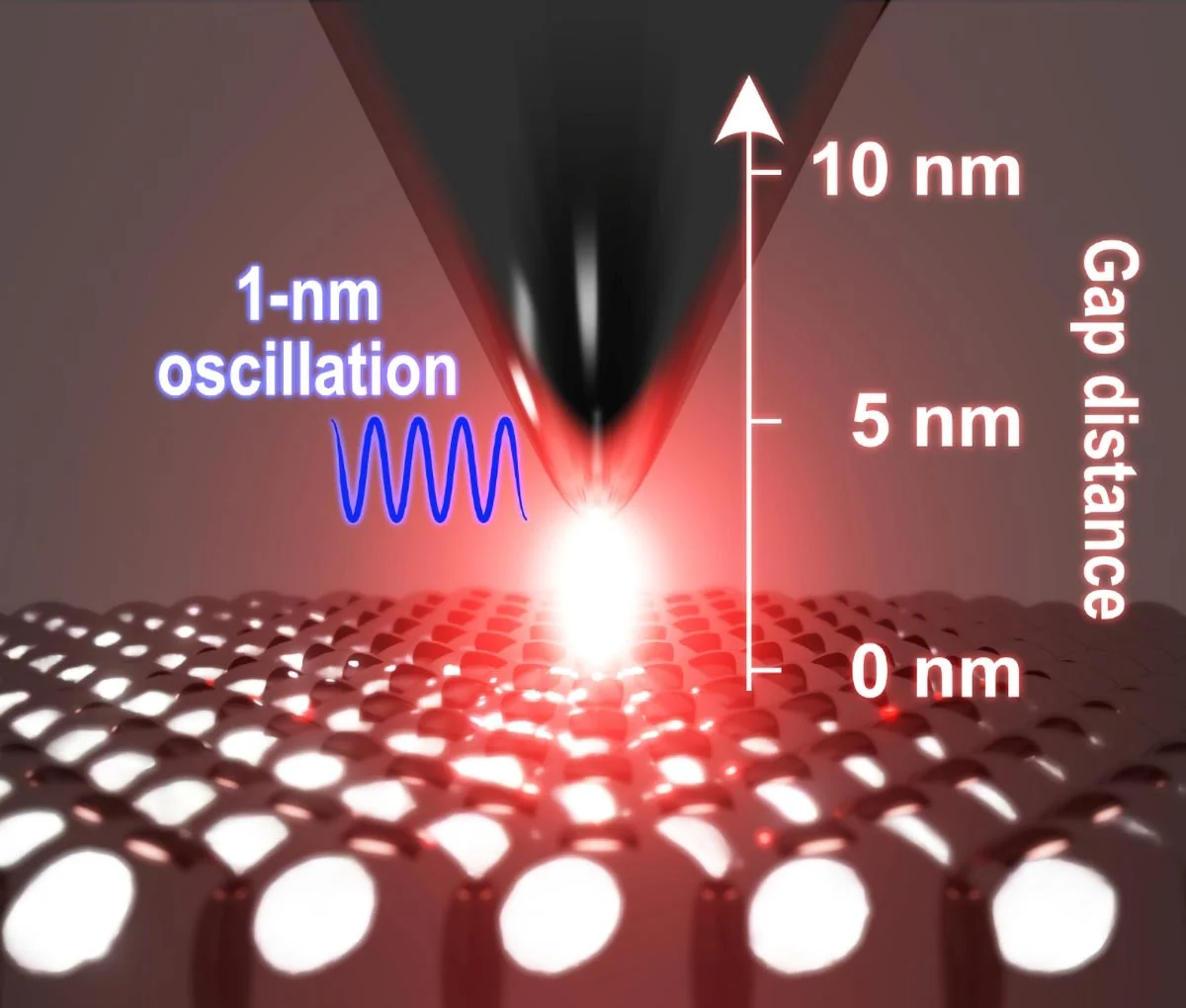
Scientists have developed a groundbreaking microscope capable of visualizing optical responses at a 1-nanometer resolution, enabling atomic-scale imaging of surfaces and materials, which could significantly advance nanotechnology and materials science.
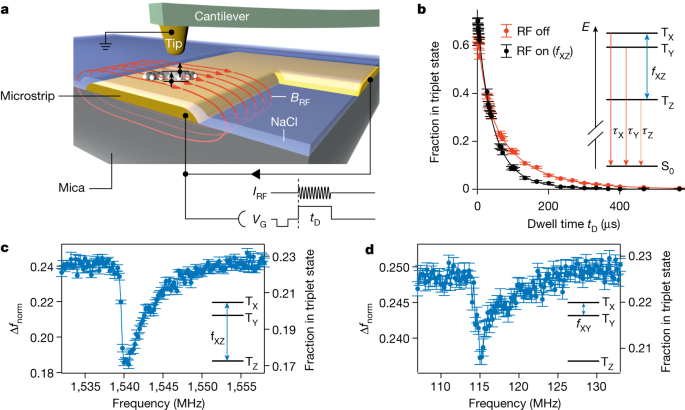
Scientists have developed a new technique called electron spin resonance atomic force microscopy (ESR-AFM) that allows for the measurement of electron spin resonance (ESR) at the single-molecule level. By using a combination of atomic force microscopy and radio-frequency magnetic fields, researchers were able to drive and probe ESR transitions in individual pentacene molecules. The technique provides atomic-scale local information and offers long coherence times, making it a promising tool for studying quantum systems and conducting fundamental quantum-sensing experiments.
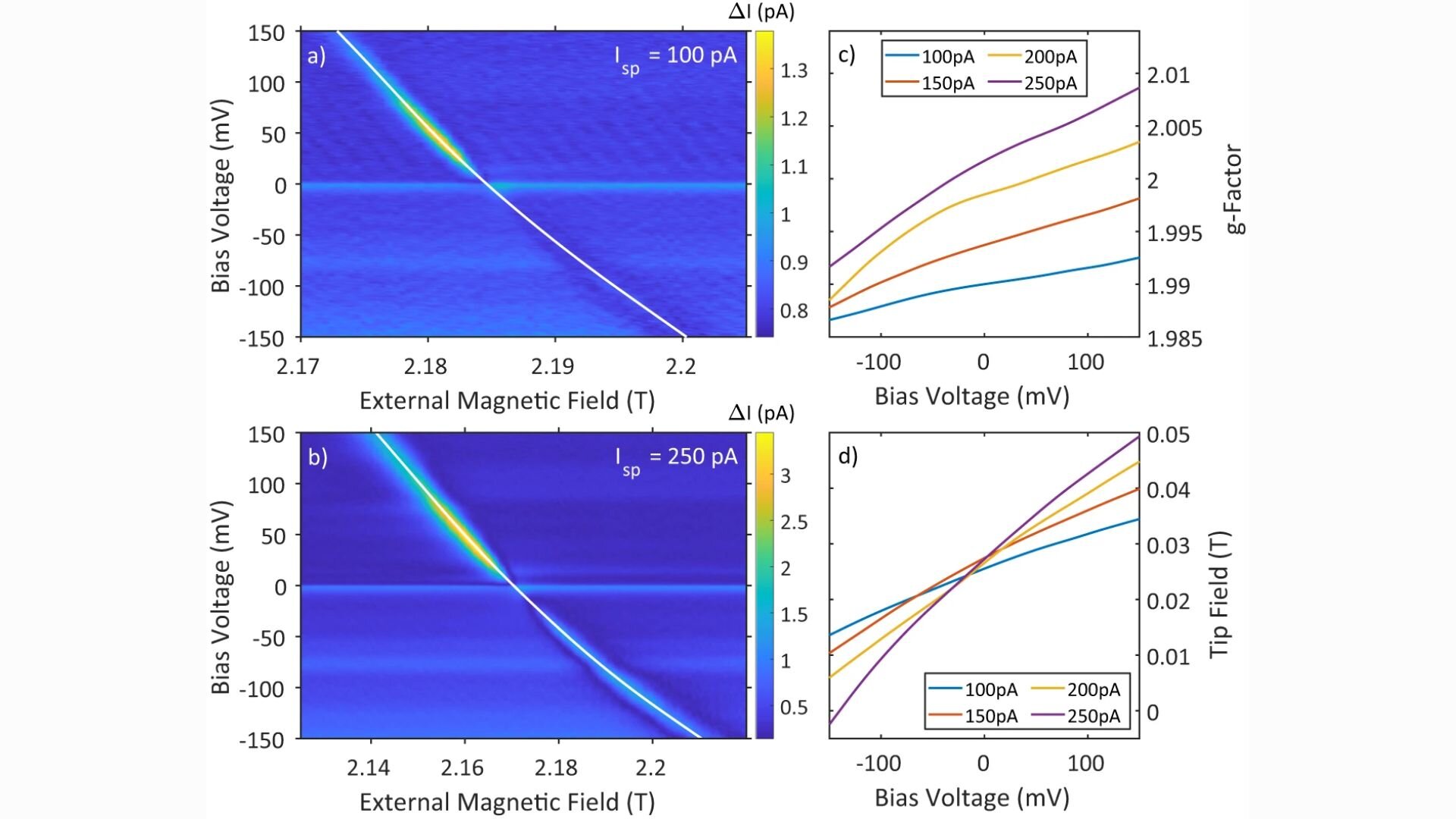
Scientists have demonstrated the electric control of atomic spin transitions using an external voltage, a significant development for the practical implementation of spin control at the nanoscale for quantum computing applications. By applying a bias voltage, researchers observed changes in the position of single titanium hydride molecules and their g-factor, indicating the manipulation of spin transitions. The study also explored the Zeeman effect and demonstrated direct electric control of spin transitions in coupled TiH dimers. This research opens the door for individual atoms to serve as spin qubits in quantum computers, offering faster and more efficient manipulation.
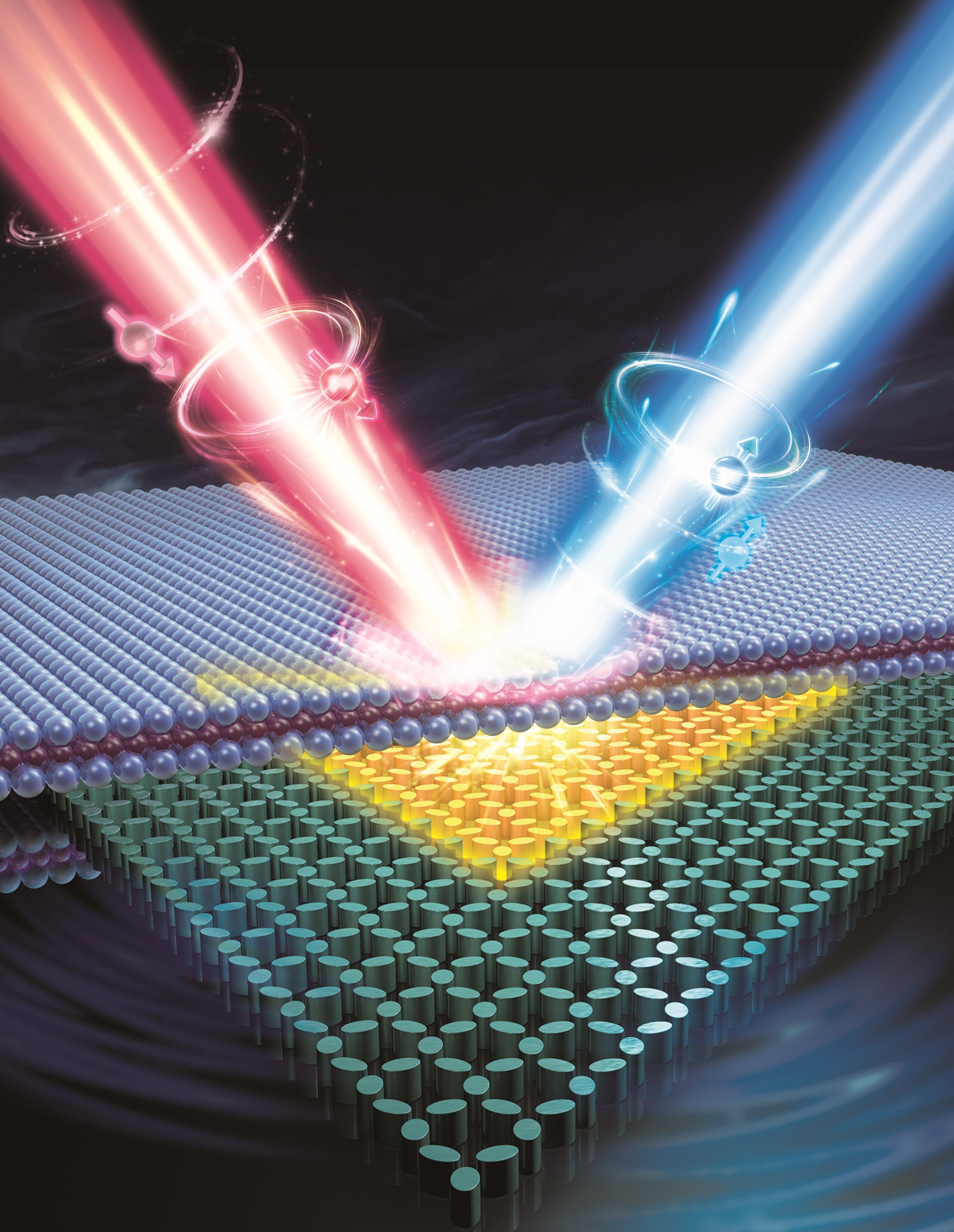
Researchers at the Technion—Israel Institute of Technology have developed a coherent and controllable spin-optical laser based on a single atomic layer. This achievement paves the way for studying coherent spin-dependent phenomena in both classical and quantum regimes, opening new horizons in fundamental research and optoelectronic devices that exploit both electron and photon spins. The laser is constructed using a photonic spin lattice that supports high-Q spin-valley states through the photonic Rashba-type spin splitting of a bound state in the continuum. The researchers used a WS2 monolayer as the gain material, which possesses unique valley pseudospins, enabling active control of spin-optical light sources without the need for magnetic fields.
Chemical engineers from the University of Wisconsin-Madison have developed a model that explains how catalytic reactions work at the atomic level, potentially leading to more efficient catalysts, optimized industrial processes, and significant energy savings. Catalysis plays a crucial role in producing 90% of the products we use daily, and just three catalytic reactions use close to 10% of the world's energy. The researchers used powerful modeling techniques to simulate catalytic reactions at the atomic scale and found that the energy provided for many catalytic processes to take place is enough to break bonds and allow single metal atoms to pop loose and start traveling on the surface of the catalyst, forming small metal clusters that serve as sites for chemical reactions to take place much easier than the original rigid surface of the catalyst.
Chemical engineers at the University of Wisconsin-Madison have developed a breakthrough model of how catalytic reactions work at the atomic scale, which could allow engineers and chemists to develop more efficient catalysts and tune industrial processes, potentially with enormous energy savings. The researchers used powerful modelling techniques to simulate catalytic reactions at the atomic scale, looking at reactions involving transition metal catalysts in nanoparticle form. The new framework challenges the foundation of how researchers understand catalysis and how it takes place, and may apply to other non-metal catalysts as well.