A Washington Post Opinion piece argues that RFK Jr.'s vaccine criticisms are met with a united push from pediatricians and the American Academy of Pediatrics, whose annual, science-based vaccine guidance guides policy and safeguards children's health against misinformation.
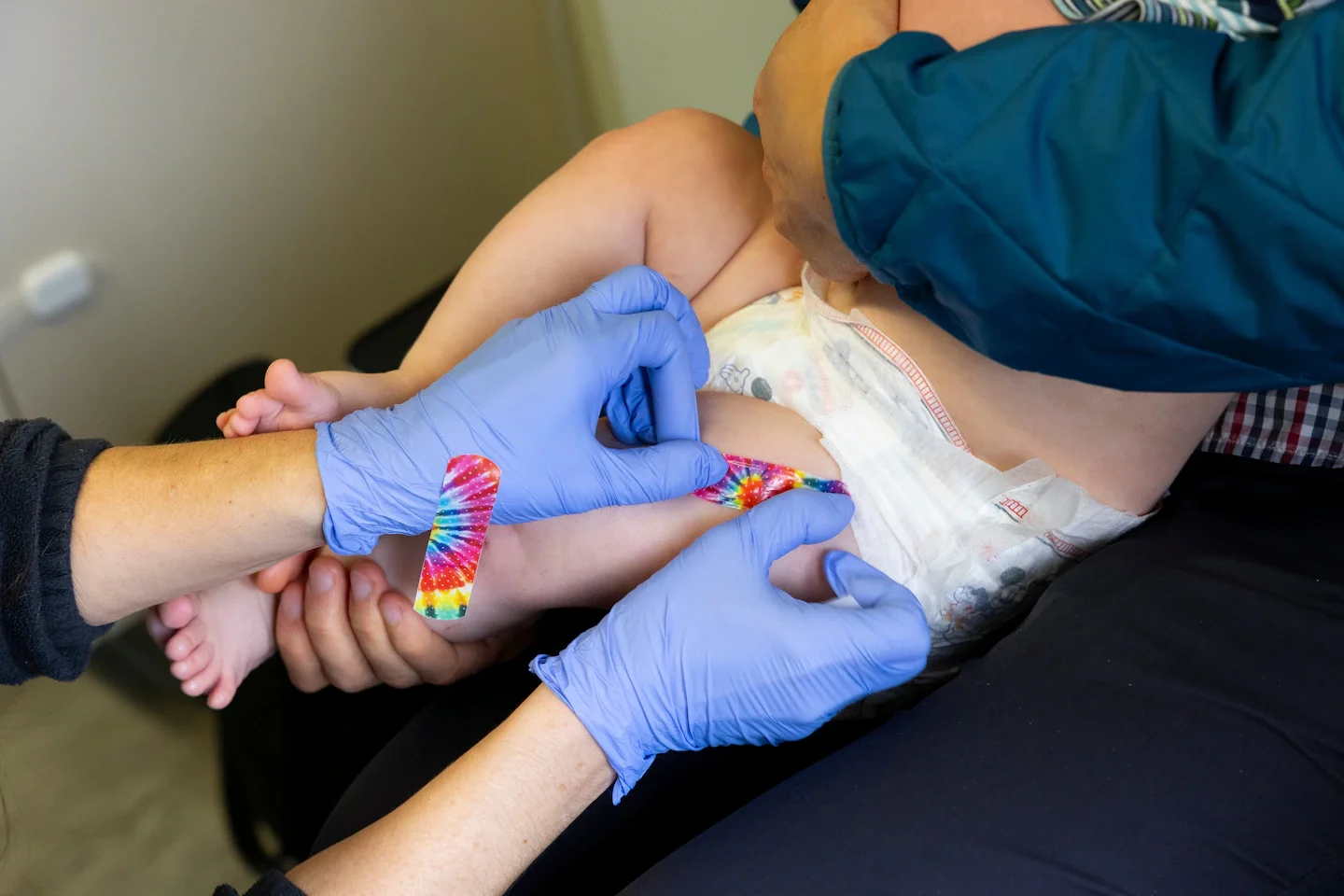
After years of near-total alignment, U.S. public health policy is splitting: the Department of Health and Human Services moved to cut vaccines on the CDC schedule from 17 diseases to 11 and reversed its COVID-19 vaccine guidance, while the American Academy of Pediatrics released its own guidelines urging continued routine immunization for 18 diseases (including Hepatitis A/B, flu, RSV, and COVID in high-risk groups). California backs the AAP line, and ongoing disputes over HPV dosing (AAP: start at 9–12 with two doses; CDC: 11–12 with one) and the long-standing MMRV combo shot reflect broader clashes. The AAP has even filed suit against HHS over Kennedy-era changes, and data interruptions at the CDC are adding to concerns about evidence-based vaccine policy.}} ,{
The Department of Health and Human Services has abruptly terminated millions of dollars in grants to the American Academy of Pediatrics, citing issues like language use and misalignment with priorities, amid ongoing conflicts over vaccine policies and criticisms of RFK Jr. The move impacts vital child health initiatives and follows the AAP's criticism of Kennedy's vaccine policy changes.
The American Academy of Pediatrics has lost several federal grants from the Department of Health and Human Services due to misalignment with the current administration's priorities, leading to concerns about impacts on child health programs and ongoing legal disputes over vaccination policies and public health guidance.
The Department of Health and Human Services has canceled seven grants to the American Academy of Pediatrics, citing misalignment with its priorities, amid ongoing legal and political conflicts over vaccine policies and public health guidance, potentially impacting pediatric health initiatives across the U.S.
A coalition of medical organizations, including the American Academy of Pediatrics, has sued Health Secretary Robert F. Kennedy Jr. over his decision to remove COVID-19 vaccines from the recommended schedule for healthy children and pregnant women, alleging that the move violated federal law and undermined trust in vaccines.
The American Academy of Pediatrics now supports breastfeeding for HIV-positive parents with an undetectable viral load due to effective antiretroviral treatment, citing a very low risk of transmission and significant health benefits for both parent and child.
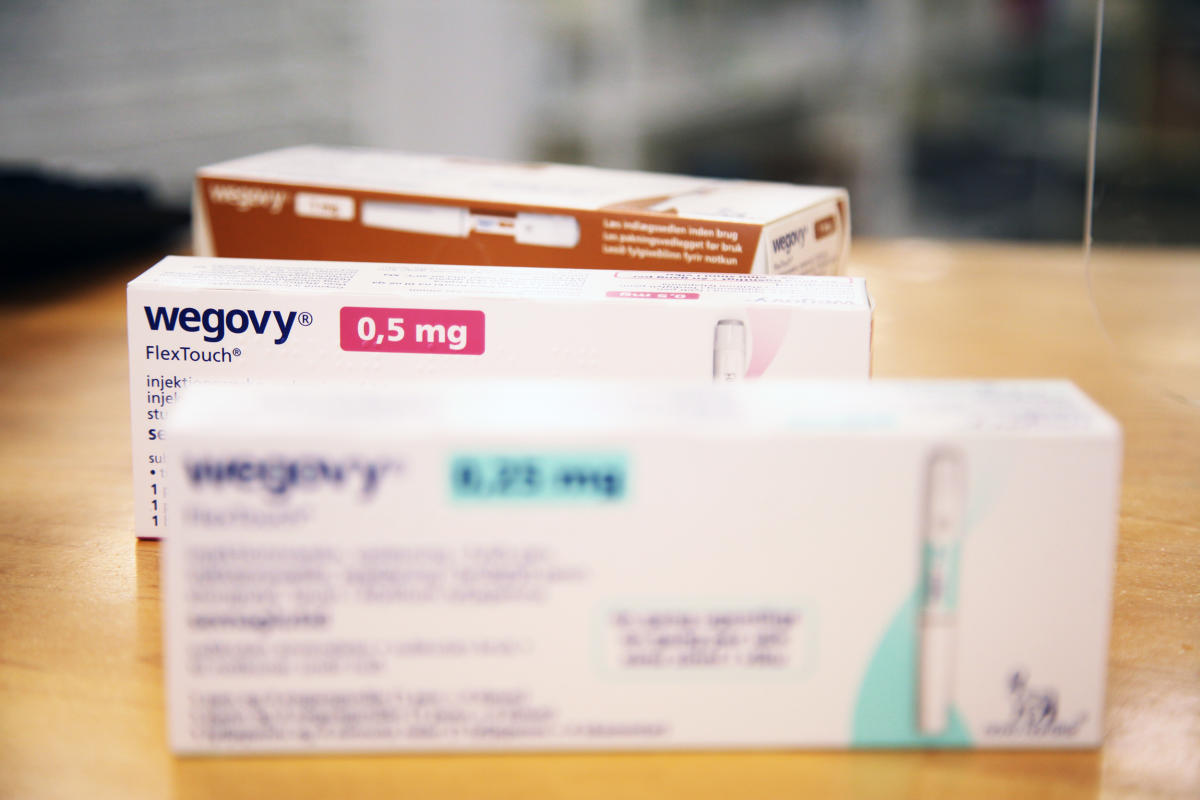
More teens are turning to weight loss drugs, with about 4,000 prescriptions of semaglutide written for children ages 12 to 17 in 2023. The American Academy of Pediatrics now recommends anti-obesity medications as part of its guidelines for treating obesity in kids ages 12 and up, as obesity rates continue to rise in the United States. However, the recommendations have faced pushback due to concerns about potential side effects and the high cost of the drugs.
The American Academy of Pediatrics (AAP) released a report highlighting the professionalization of youth sports as a major factor in the high dropout rate of kids from organized sports by age 13. The pressure to specialize in a single sport, overtraining, and the emphasis on early success contribute to burnout and attrition among young athletes. The report provides advice for parents, emphasizing the importance of promoting athletics for healthy habits, defining success intrinsically, avoiding overuse injuries through rest and diversity in sports, and prioritizing sleep, nutrition, and emotional well-being.
A new study from Drexel University suggests that allowing very young children to have screen time could lead to sensory challenges later in childhood, with findings showing an association between greater screen time in the first two years of life and atypical sensory behaviors. The American Academy of Pediatrics recommends limiting screen time for children under 2 to video chats with family members, and for older children, capping it at two hours per day. The study's lead author emphasized the importance of reducing screen time and increasing socially engaging activities for young children, particularly those experiencing symptoms associated with atypical sensory processing.
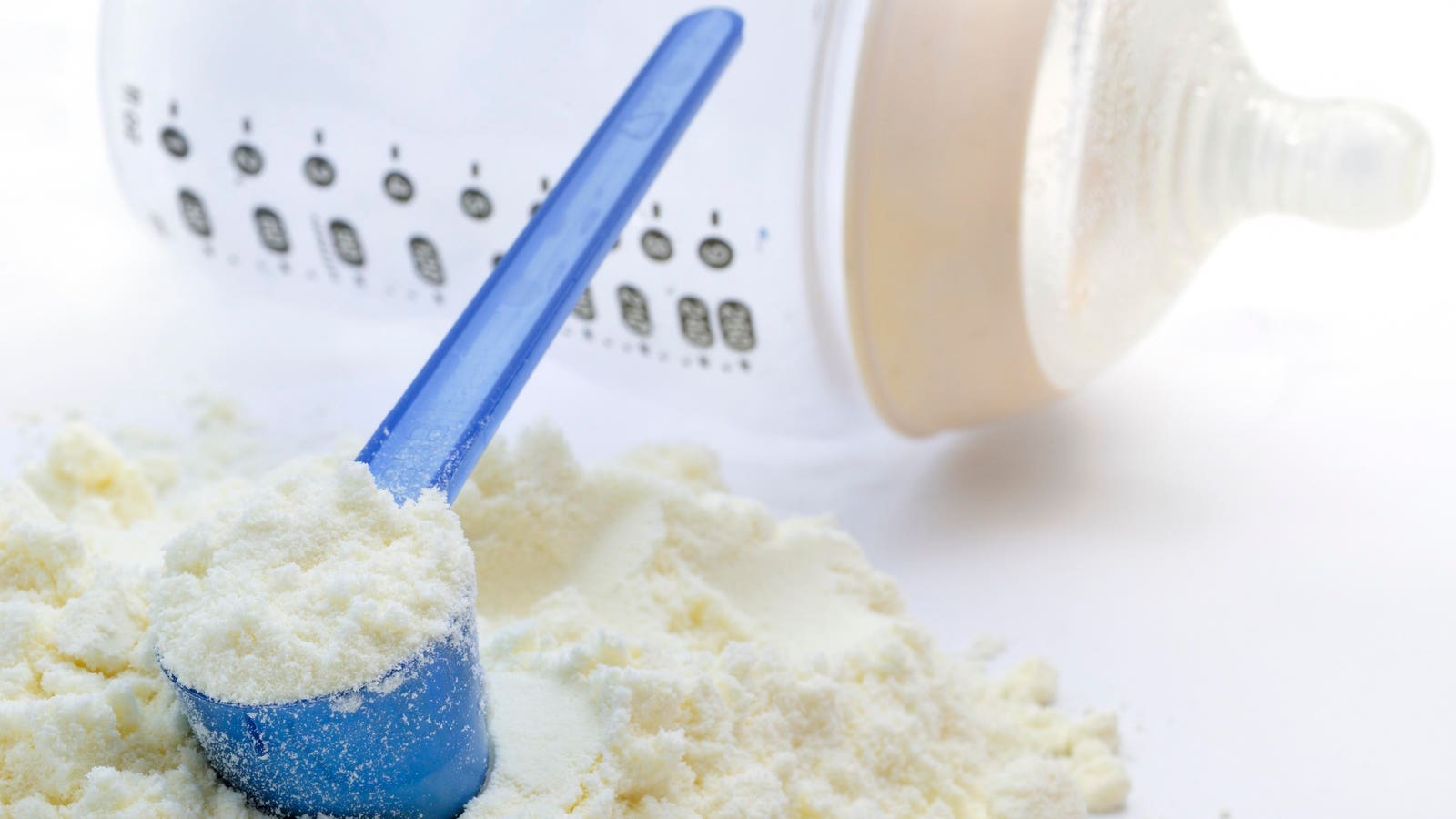
The American Academy of Pediatrics (AAP) has published a report stating that "toddler milk" has no nutritional benefits for children between 6 months and 36 months of age. The report finds that toddler milk is not necessary for this age group and can be misleading to parents. Despite growing concerns from pediatricians, the toddler formula industry is booming, with sales increasing from $39 million in 2006 to $92 million in 2015. Toddler milk products are not regulated by the FDA and often contain high sugar content. The AAP recommends infants under 12 months continue to drink infant formula or breast milk, while toddlers should have a well-balanced diet of fruits, vegetables, and cow's milk for vitamin D and calcium.
A new report by the American Academy of Pediatrics states that "toddler milk," marketed as next stage baby formulas, is unnecessary and not nutritionally complete. These powdered drink mixes, targeted towards babies and kids aged six months to three years, often make claims about improving brain or immune function. The report calls for clearer labeling and advertising practices, as toddler milk is often confused with infant formula. The World Health Organization has previously deemed follow-up formulas like toddler milk as unnecessary and unsuitable for babies six months and older. Despite this, toddler milk sales have increased significantly in recent years.
The American Academy of Pediatrics (AAP) is calling for a ban on corporal punishment in all schools, stating that it should be "abolished in all states by law." Despite a decrease in its use, corporal punishment is still allowed or not expressly prohibited in 23 states, with black and disabled children being disproportionately affected. The AAP recommends using age-appropriate, nonviolent behavioral strategies instead, such as positive reinforcement, setting limits, and redirecting. Research shows that corporal punishment does not improve behavior in the long term and is associated with lower academic achievement. Alternative approaches like restorative justice, trauma-informed schools, and positive behavior interventions and supports (PBIS) have shown promise in creating a supportive and safe learning environment.
Doctors and safe sleep advocates are warning about the potential dangers of weighted sleepwear for infants. While some companies claim that weighted infant sleepwear can reduce anxiety and have a soothing effect, critics argue that the added weight could make it harder for infants to breathe, pump blood, and move around. The American Academy of Pediatrics recommends against using weighted swaddles and sleep products for infants, citing safety concerns. There are currently no universal standards or research on the safety or efficacy of weighted infant sleepwear. Advocates are calling for the creation of a voluntary standard for wearable infant sleep products, including weighted sleepwear, to ensure the safety of babies.
The American Academy of Pediatrics has included weight loss drugs in its guidelines for treating childhood obesity, recommending them for adolescents ages 12 and up. Four weight loss drugs are approved for use in teens, but experts are concerned about the unknown long-term effects of starting them at such a young age. While the drugs are effective for weight loss, they come with drawbacks such as high cost and the need for long-term use. The decision to include weight loss drugs in the guidelines has sparked controversy, with concerns about potential harm and the promotion of eating disorders. Experts emphasize the importance of diet and exercise alongside medication, and the need for more research on the long-term effects of these drugs in adolescents.