In 2025, France faces an unprecedented surge in the desire to emigrate, driven by declining confidence in institutions, political chaos, economic difficulties, and social unrest, leading many to seek better prospects abroad, especially in countries like Canada and Germany.
Mark Hamill considered leaving the US after Trump's 2024 election victory but was convinced to stay by his wife's clever remark, reflecting his ongoing criticism of Trump and concern about America's political future.
Ellen DeGeneres and her wife, Portia de Rossi, have reportedly moved to the UK, leaving the US due to political instability following Donald Trump's re-election. Ellen hinted at this change during a Netflix comedy special, where she addressed past controversies about her show's toxic work environment. Despite the move, Ellen has not publicly commented on their emigration, but she has been seen in the UK with a new look. Her Netflix special, "For Your Approval," is now streaming.
Hong Kong residents are quietly adapting to the new national security law, with an immigration consultant reporting a 40% increase in inquiries about moving abroad due to the law's impact. The law, known as Article 23, has led to the closure of outspoken media outlets, the emigration of disillusioned professionals and families, and a climate of caution among residents. Businesses and legal communities are also making adjustments, with some companies aligning their data security policies with those of mainland China. Critics fear the law's impact on freedom of speech and press freedom, while government officials argue that it only targets a small minority jeopardizing security.
Bosnia is facing a peacetime exodus as a result of low birth rates and emigration, driven by ethnic tensions and frustration with corruption. The country's rural areas, including the village of Socice, are experiencing a significant decline in population, with only 15 people remaining compared to over 400 in 1992. This trend reflects a broader demographic crisis in Eastern and Central Europe, fueling the rise of ethnonationalist politicians who oppose the dilution of native populations.
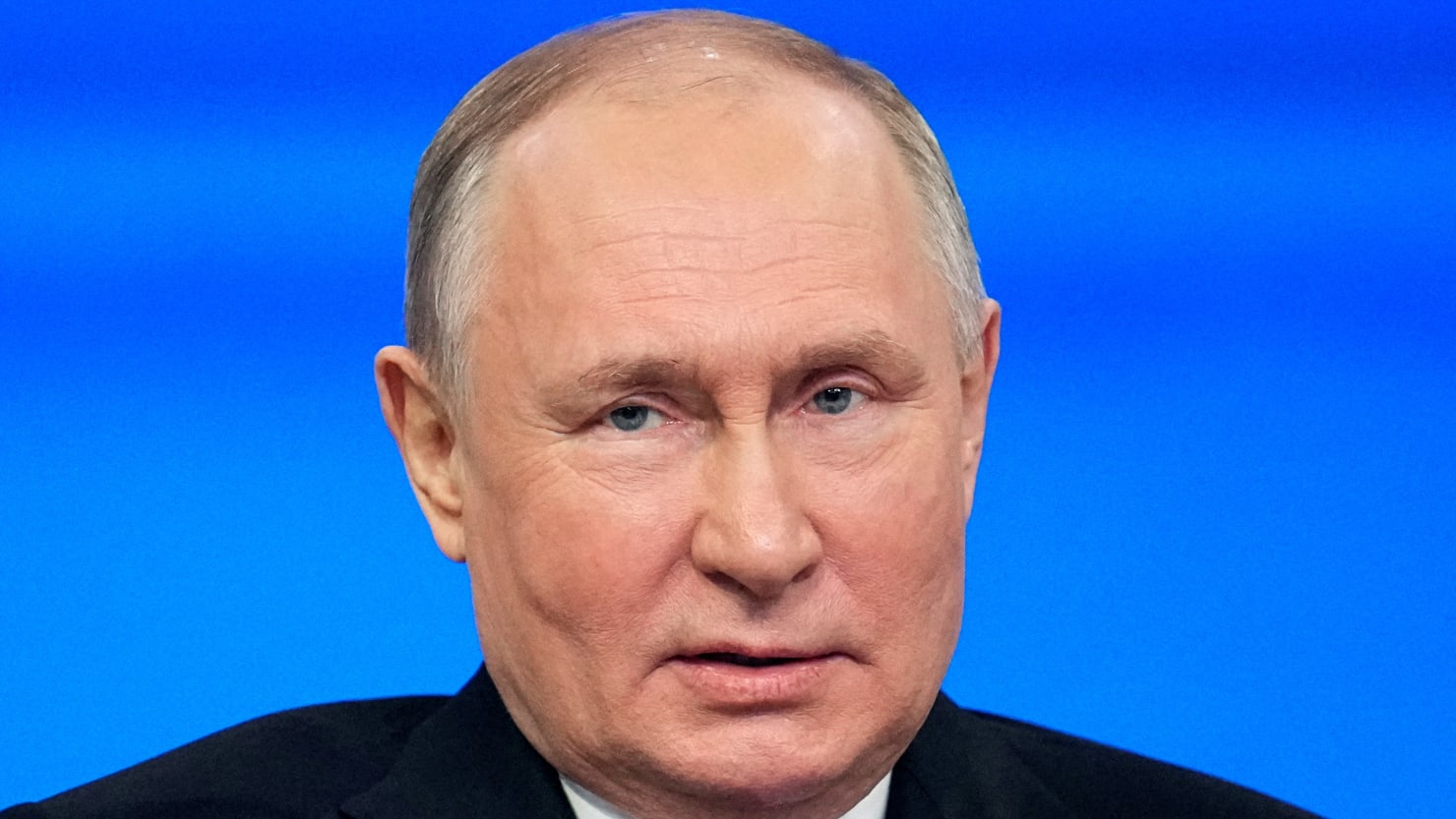
A U.S. Treasury Department analysis reveals that Russia's economy would be 5 percent larger if President Putin hadn't launched the invasion of Ukraine, with Moscow now spending over $100 billion on defense, nearly a third of its total expenditures in 2023. The war, along with international sanctions and Moscow's policy response, is straining Russia's economy, leading to growing expenditures, a depreciating ruble, increasing inflation, and a tight labor market. Emigration from Russia has surged, with a record number of people leaving the country, resulting in a loss of human capital that further weakens Russia's growth potential.
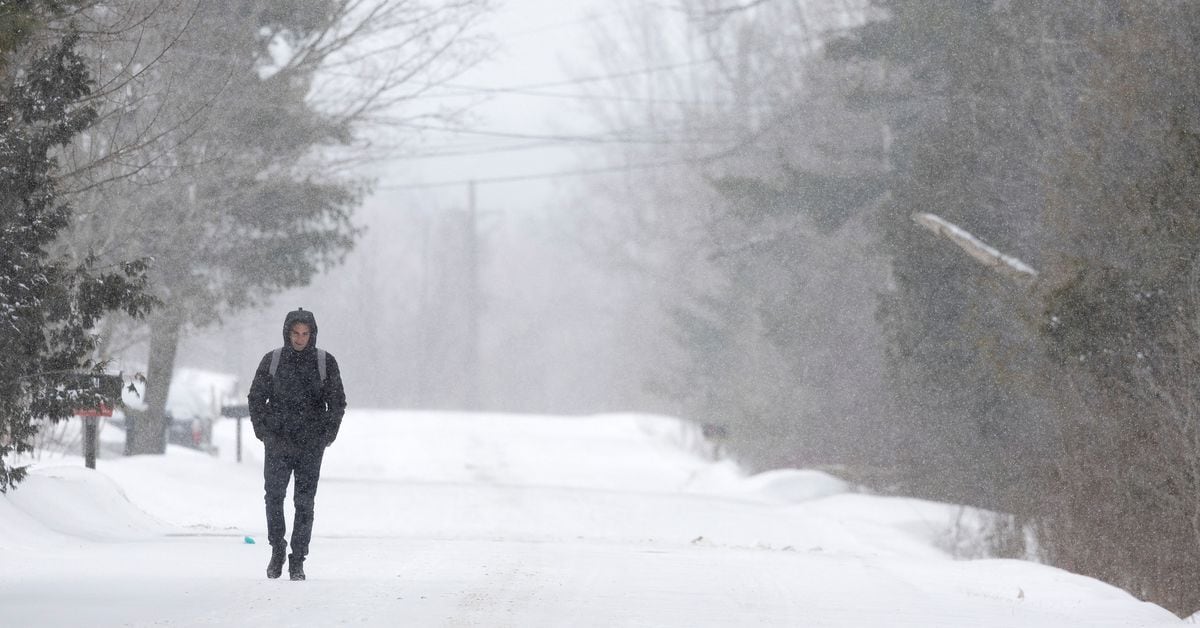
The high cost of living and rental shortages in Canada are leading to a reverse immigration trend, with increasing numbers of immigrants leaving the country. While Canada has been actively promoting immigration to address its aging population and fuel economic growth, the rising trend of people leaving could undermine these efforts. Skyrocketing housing costs are cited as the main reason for immigrants considering leaving, with Vancouver and Toronto being particularly expensive. The Canadian government has recently capped its target for new residents to ease pressure on the housing market, but for some, it may be too little too late.
A new study reveals that the number of immigrants leaving Canada has reached a record high, with 67,000 immigrants choosing to return to their home countries or relocate elsewhere in 2019. The study suggests that the failure of the Canadian government to meet immigrants' expectations has contributed to this trend. Prime Minister Justin Trudeau's immigration policies, aimed at boosting the economy, have faced criticism for exacerbating housing shortages and straining infrastructure and services. Advocates emphasize the need for Canada to prioritize immigrant satisfaction to ensure their contribution to the country's success.
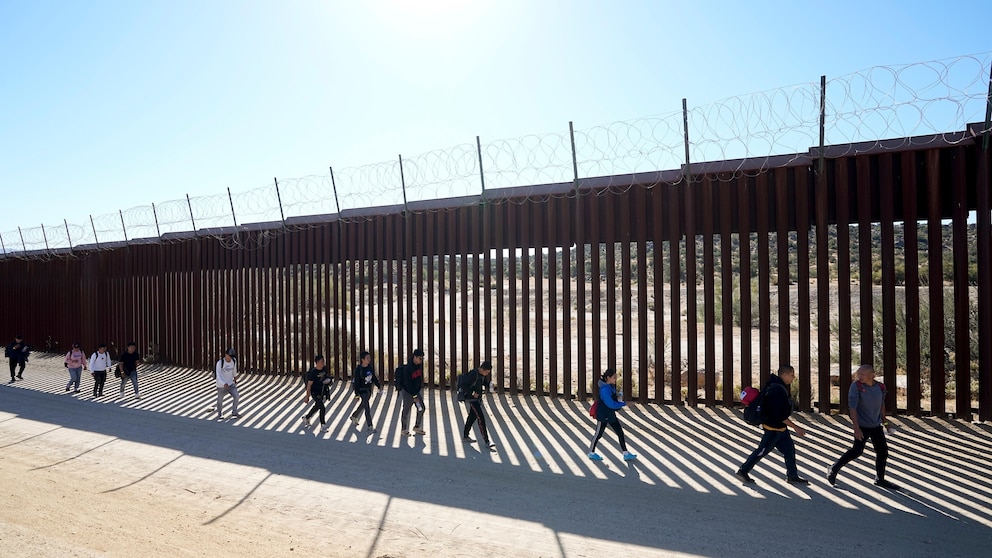
Chinese migrants are increasingly seeking asylum at the US-Mexico border, with a major influx of Chinese nationals crossing the perilous Darién Gap jungle route. Many Chinese asylum-seekers are fleeing an oppressive political climate and bleak economic prospects in China. The COVID-19 pandemic temporarily halted emigration, but with China's struggling economy and high youth unemployment, emigration has resumed. Chinese migrants are using social media and online platforms to navigate the journey, which can cost thousands to tens of thousands of dollars. The US-Mexico border arrests of Chinese migrants have surged, with the majority being single adults. Catholic Charities of San Diego provides temporary shelters for migrants, including a significant number of Chinese nationals.
China is experiencing a brain drain as its brightest minds, including tech professionals, are emigrating to escape political oppression, bleak economic prospects, and grueling work cultures. However, many of them are not heading to the United States, despite its reputation as a destination for talented individuals. The reasons for this include the complicated and unpredictable process of applying for visas and permanent residence status in the US, as well as the better social benefits, work-life balance, and gun control laws offered by other countries such as Canada and European nations. The emigrants are willing to take pay cuts and make sacrifices for the opportunity to live in countries where they can enjoy freedom, equality, and a better quality of life.
China's economy is facing a brain drain as thousands of wealthy individuals, including high-net-worth entrepreneurs, have chosen to leave the country in recent years. The crackdown on business by President Xi Jinping, along with harsh regulations and economic malaise, has prompted these individuals to seek better opportunities and political stability in North America and western Europe. The emigration of highly-qualified and wealthy individuals poses a significant threat to China's economy, as it robs the country of key drivers for growth and innovation.
As tens of thousands of Israelis continue to protest against the government's plans to change the justice system, a poll suggests that one in three citizens are considering leaving the country. The political turmoil has deepened social divisions and raised concerns about shifting demographics, with secular Israelis fearing a threat to their liberal lifestyles. Relocation experts have reported a spike in inquiries from Israelis seeking to emigrate, citing concerns about the government's actions and rising living costs. However, experts warn that an exodus could have a devastating impact on key sectors such as high tech, medicine, and academia, potentially leading to an economic collapse.
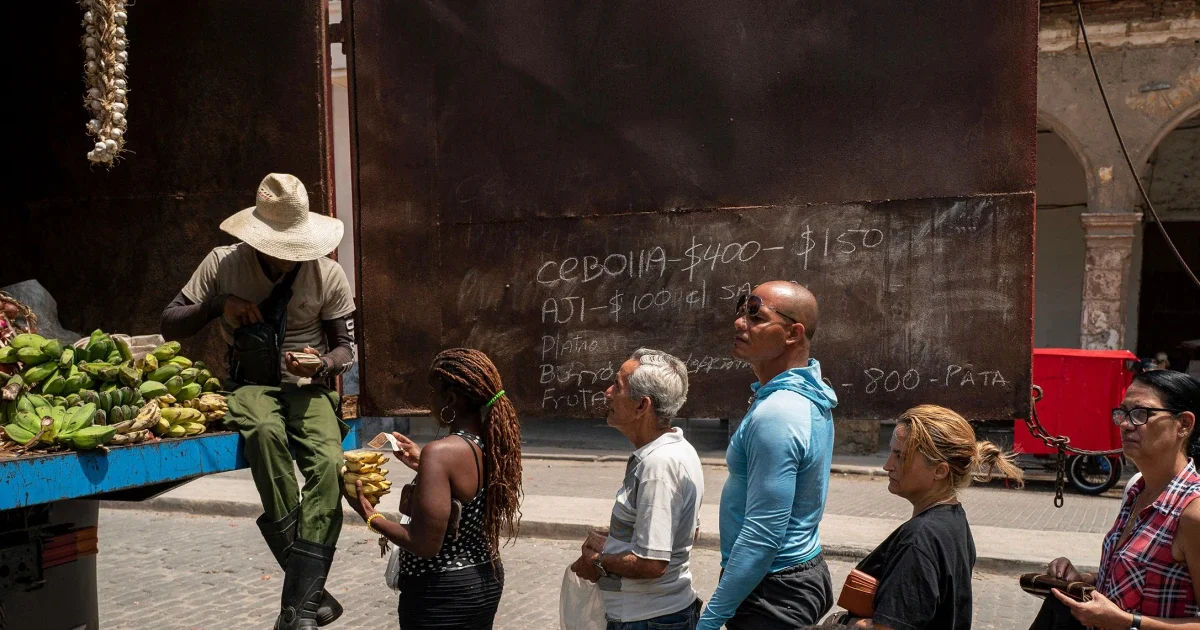
Cuba is facing one of the hardest crises in recent decades due to its slow-growing state-controlled economy, which has not recovered from the blow of the Covid-19 pandemic, a bumpy monetary reordering, and the tightening of U.S. sanctions. The island is being hit by a food shortage, inflation, and a rise in prices of basic goods, which has impacted the purchasing power of Cubans. Many have fled the island to escape economic hardships and repression. Amid this, Cuba has signed a multimillion-dollar deal with China to install a large spy center on its territory, which both countries have denied. The U.S. has accused China of spying on Cuba for years, and the Trump administration had not done enough to counter China's efforts after learning about the base in 2019.
Hundreds of thousands of Russians have left their country since the start of the full-scale invasion of Ukraine in 2022. Many are highly skilled professionals who are younger, better educated, and wealthier than those staying. The economic impact of their departure is evident, with companies complaining of staff shortages and hiring difficulties. The Russian authorities have downplayed the impact of the emigration, but economists warn that the trend will lead to productivity within the Russian economy continuing to fall over time.
Many young Turks are considering leaving the country due to their deteriorating outlook and everyday life, with a survey showing that 72.9% of Turks in the 18-25 age bracket would live abroad if given the chance. The recent presidential election, which looks increasingly like a coronation for conservative President Recep Tayyip Erdogan, has only added to their disillusionment. Erdogan's leftist rival was the preferred candidate of young people, but he underperformed expectations and trailed Erdogan by nearly five points entering Turkey's first presidential runoff.