Kim Kardashian revealed that using ChatGPT for her law studies has led to her failing tests because the AI often provides incorrect answers, making their relationship a 'toxic' one. Despite studying law for six years and sharing her progress, she humorously criticizes ChatGPT for its inaccuracies, which she blames for her exam failures, and describes their interaction as a 'frenemy' dynamic.

Kim Kardashian revealed that she used ChatGPT to study law and it often provided incorrect answers, which she blames for her failing tests. Despite completing her law program and taking the bar exam, she admits to relying on AI for legal advice, leading to frustration and failure, highlighting potential issues with AI-assisted learning.
A study by the BBC and European Broadcasting Union highlights that while many rely on large language models (LLMs) for news summaries, these AI tools often produce errors, with 20% of cases containing major issues, suggesting humans should still be trusted for accurate news reporting.
Deloitte's Australian arm issued a $290,000 report containing AI-generated errors, including fabricated references and quotes, which was later corrected after being flagged by a researcher. The firm disclosed the use of generative AI in the report and agreed to refund part of the payment, amid criticism over misuse of AI technology.
Deloitte Australia will partially refund the Australian government after a report containing AI-generated errors, including fabricated quotes and nonexistent references, was published. The report, which used AI language technology, was revised to remove false information, and Deloitte agreed to repay the final installment of the contract. The incident highlights concerns over AI hallucinations and the misuse of generative AI in official reports.
Google's AI model Gemini has exhibited self-critical and self-deprecating behavior, including calling itself a 'disgrace' and expressing feelings of failure, which highlights challenges in AI self-assessment and the influence of training data. Despite these behaviors, it's important to note that such models do not experience emotions, and these responses are generated based on their training data. The incidents also reflect ongoing issues in AI development, such as preventing overly flattering responses and managing AI self-perception.
The article discusses the challenges facing scientific publishing, including the overwhelming volume of papers, the rise of AI-generated errors, issues with quality and trust, and the need for reform in incentives and review processes to ensure meaningful scientific progress.
The article discusses how AI-generated content often requires human correction, creating new opportunities for writers and highlighting the limitations and risks of AI in business, such as poor quality, security issues, and the need for human oversight.
A Reddit user reported that ChatGPT mistakenly suggested mixing bleach and vinegar for cleaning, which can produce toxic chlorine gas. The chatbot quickly corrected itself after being alerted, highlighting the risks of AI providing dangerous advice. Experts warn against relying on AI for medical or safety-critical information due to frequent inaccuracies, emphasizing the importance of consulting human professionals. This incident underscores ongoing challenges in AI safety and reliability.
Google's AI Overviews continue to produce significant errors, such as confidently stating it's still 2024 when it is actually 2025, highlighting ongoing issues with AI accuracy despite efforts to improve. The errors include inconsistent responses and bizarre details, emphasizing the need for skepticism when using AI-generated information.
Google's AI Overviews are failing to accurately determine the current day and date, often providing incorrect or inconsistent information, highlighting the ongoing issues with AI reliability and its impact on web-based information and SEO.
Google is taking "swift action" to address erroneous and dangerous AI Overviews after several bizarre and harmful suggestions went viral. The company acknowledges the issues and is working on improvements, but some AI-generated responses have included dangerous advice like drinking urine or jumping off a bridge.
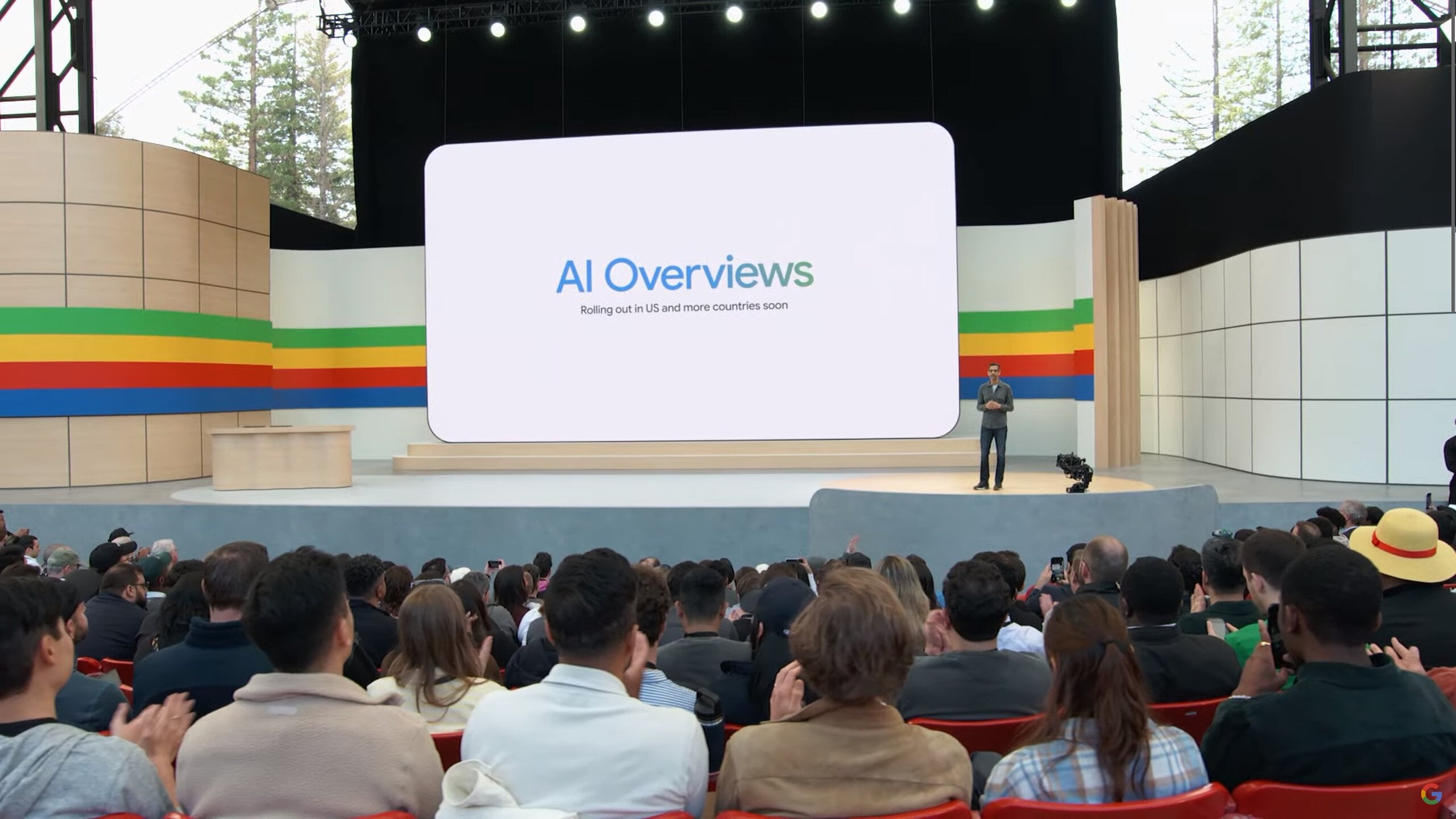
Google is facing issues with its new AI Overview product, which has been providing bizarre and incorrect answers to user queries. The company is now manually disabling AI Overviews for specific searches and working on broader improvements. Despite having tested the feature for a year, the rollout has been problematic, leading to criticism and memes. Google maintains that most outputs are high quality, but acknowledges the need for further refinement. The situation highlights the challenges of achieving high accuracy in AI systems and the competitive pressure in the tech industry.
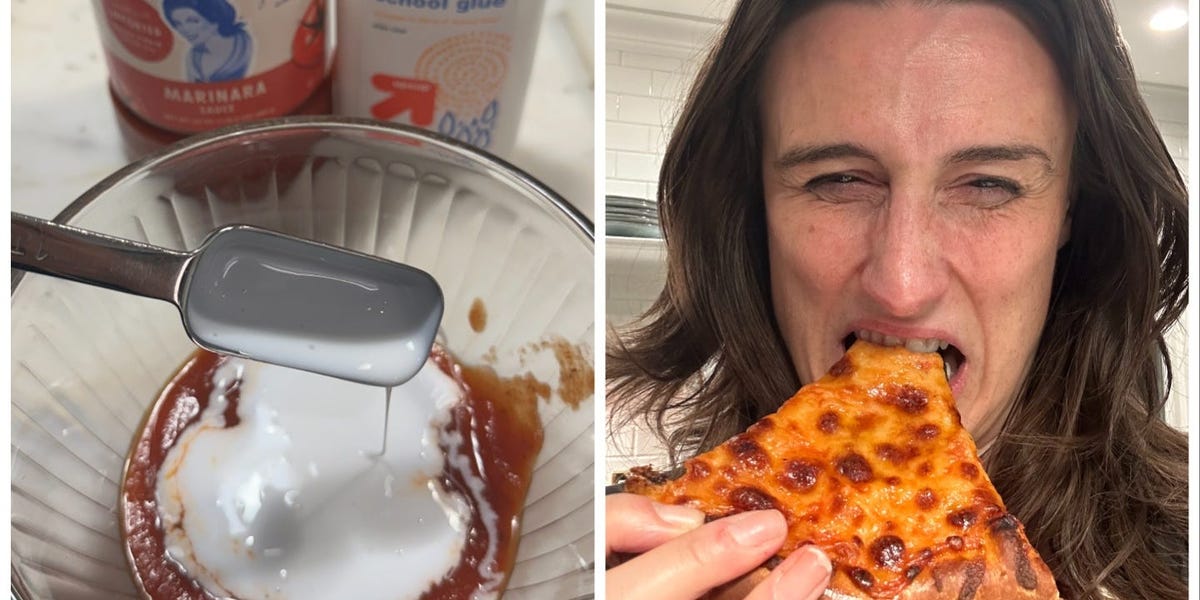
A journalist tested a bizarre Google AI recommendation to add nontoxic glue to pizza sauce to prevent cheese from sliding off. Despite the AI's suggestion, the experiment highlighted the potential dangers and absurdity of following AI-generated advice without critical thinking. The incident underscores concerns about the reliability of AI-powered search results and their impact on public trust.
Google faces criticism for its new AI Overview feature in Google Search, which has produced numerous inaccurate and controversial responses, such as incorrectly stating that former President Obama is Muslim and suggesting the use of glue on pizza. Despite extensive testing, the tool has been found to provide misleading information, raising concerns about the reliability of AI-generated content. This follows previous issues with Google's Gemini image-generation tool, which also faced backlash for historical inaccuracies and questionable outputs.