Arash Abizadeh advocates for "diamond" open access in academic publishing, where universities and libraries directly fund journals, eliminating commercial pressures and making research freely accessible. This model addresses the high costs and restricted access of current publishing practices, but faces challenges due to the prestige associated with established commercial journals.
A dispute between the publisher Wiley and the editors of The Journal of Political Philosophy (JPP) led to the creation of a new journal called Political Philosophy, emphasizing editorial independence and academic freedom. The new journal, open access and published by the Open Library of Humanities, is led by the former JPP editors and aims to provide a platform for interdisciplinary engagement in political philosophy. The move comes after over 1100 philosophers and scholars signed a statement of non-cooperation with JPP's publisher, leading to the birth of Political Philosophy as a successor to JPP.
A third senior journalist at The Daily Telegraph, Camilla Tominey, has voiced opposition to the proposed takeover of the newspaper by a UAE-backed fund, stating that it "doesn't pass the sniff test" and warning against ownership by a "sexist regime." Former Telegraph editor Charles Moore and former Prime Minister Liz Truss have also expressed concerns about the deal, calling for the protection of the newspaper's editorial independence. Culture Secretary Lucy Frazer has ordered media regulator Ofcom to investigate if the takeover poses risks to accurate news presentation and free expression of opinion.
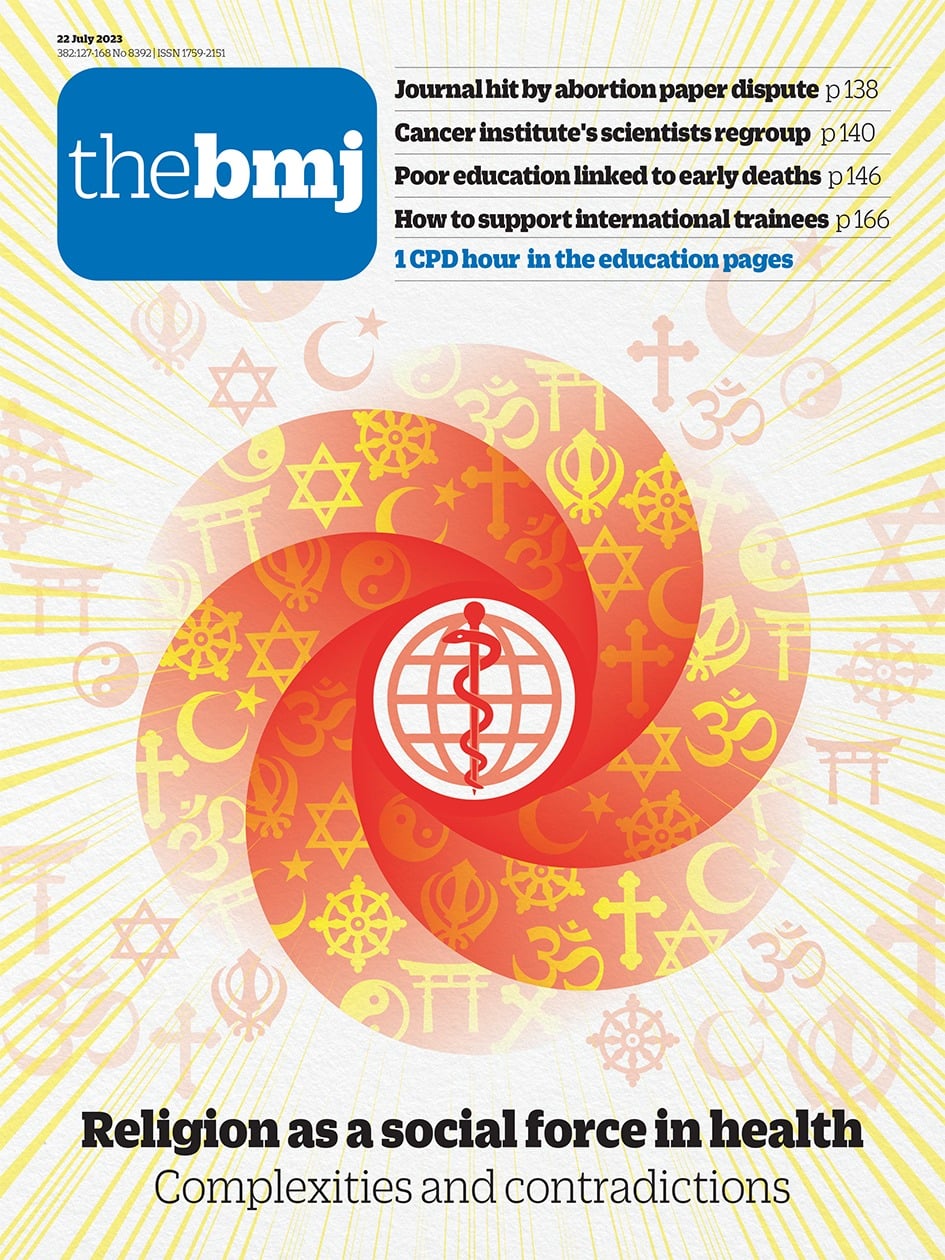
The British Journal of Psychiatry is facing criticism for refusing to retract a paper on abortion that has been used in US legal cases to restrict access to the procedure. Three international board members have resigned after the journal and its owner, the Royal College of Psychiatrists, ignored the advice of its own internal panel to retract the paper. The author of the paper, Priscilla K Coleman, has testified in favor of greater restrictions on abortion in multiple cases. Critics argue that the paper has methodological issues and its conclusions are invalid. The refusal to retract the paper raises questions about the journal's editorial independence and the impact of legal threats on scientific publishing.
Tech outlet CNET has updated its AI policy, promising that stories will not be written entirely using AI tools, and hands-on reviews and testing of products will be done by humans. CNET will also not publish images and videos generated using AI "as of now." The outlet will "explore leveraging" AI tools to sort and analyze data and to create outlines for stories, analyze existing text, and generate explanatory content. CNET has also updated previously published stories generated using AI systems that triggered backlash in January.
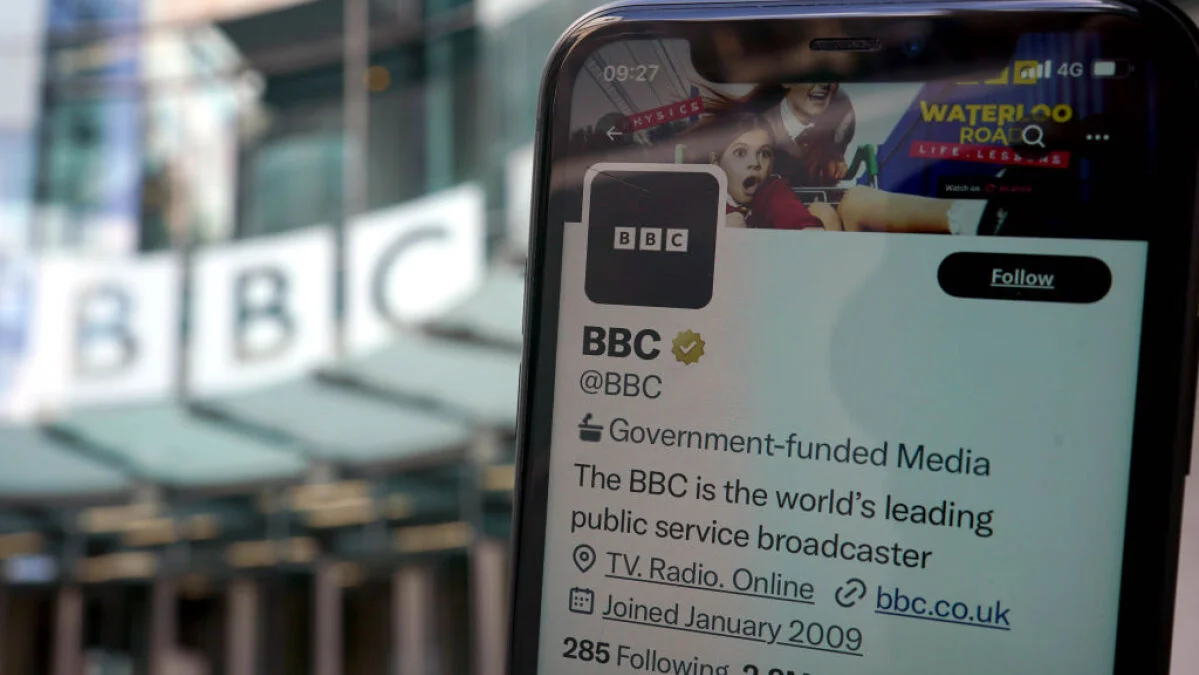
Twitter has removed labels describing media outlets as "government funded" or "state affiliated" after falsely implying they were propaganda machines. NPR and the BBC were among the editorially independent media outlets that faced backlash after being inaccurately classified as controlled by their governments. Twitter CEO Elon Musk changed NPR's label to "Government Funded Media" after an email exchange with a reporter, but NPR still left the platform. Now, Musk has decided to drop media labels altogether.
Canadian Broadcasting Corporation (CBC) has criticized Twitter's labeling of it as "69% government-funded media," saying it has complete editorial independence. CBC received C$1.24 billion ($925.86 million) in government funding in the 2022 financial year, compared with revenue from advertising, subscriptions, and other sources of C$651.4 million according to its annual report. Twitter defines its "government-funded media" label as "where the government provides some or all of the outlet's funding and may have varying degrees of government involvement over editorial content." CBC has paused its Twitter activities over the labeling, a spat that has also drawn in Canadian Prime Minister Justin Trudeau and his Conservative rival Pierre Poilievre.
The Canadian Broadcasting Corp. has paused its activities on Twitter in protest of the social media platform's decision to label the CBC as "government-funded media," which implies potential government control over editorial content. Twitter defines government-funded media as those that receive funds from the government and may have "varying degrees" of government say over content. The CBC said the tag and the politician's remarks are misleading, and it is free to criticize and report due to Canada's Broadcasting Act, which prohibits the government from limiting "the freedom of expression or the journalistic, creative or programming independence" enjoyed by the CBC.
The Canadian Broadcasting Corporation (CBC) has announced it will pause its activities on Twitter after the social media platform labeled its account as "government-funded," which CBC says undermines its editorial independence. CBC joins other US-based media outlets, such as PBS and NPR, in quitting Twitter after Elon Musk's platform added "government-funded" and "state-affiliated media" labels to their accounts. Twitter has since dropped the "state-affiliated" label and changed it to "government-funded" after receiving widespread pushback.
Twitter has labeled National Public Radio (NPR) as "state-affiliated media," a move that has disturbed NPR and raised concerns about public confidence in the news organization. While NPR does receive US government funding, it has editorial independence and is not controlled by the state. Twitter's decision to label NPR as state-affiliated media could undermine public confidence in reliable news sources.
Twitter labeled the account of National Public Radio (NPR) as US state-affiliated media, drawing criticism from the news organization’s leadership. The change to NPR’s designation appears to be in violation of Twitter’s own original policy on how the social media platform determines which companies receive this label. NPR’s CEO and president called the move by Twitter “unacceptable”. This is the second spat between Twitter and a major American news outlet in just a week.
Twitter has labeled NPR's account as "state-affiliated media," putting the Washington-based nonprofit news organization in the same category as propaganda outlets like the Russian-government-owned RT and the Chinese Communist Party's People's Daily newspaper. NPR, which has 8.8 million followers on the site, protested the label, stating that it is editorially independent of any government agency or funding source. Twitter's action appears to be consistent with Elon Musk's often arbitrary and punitive decisions regarding news-media accounts since buying the company last year for $44 billion.