Tag

Predatory Journals

All articles tagged with #predatory journals

science-and-technology4 months ago

AI Identifies Over 1,000 Questionable Science Journals to Protect Research Integrity

A new AI system developed by the University of Colorado automatically screens open-access journals to identify potentially predatory publications, flagging over 1,000 suspicious journals out of 15,200 analyzed. While not perfect, it serves as a crucial first filter to help protect scientific credibility, with human experts making the final decisions.

science-and-technology4 months ago

AI Identifies Over 1,000 Questionable Science Journals

A team led by the University of Colorado Boulder developed an AI tool to identify questionable scientific journals, particularly predatory ones that lack proper peer review, aiming to protect the integrity of scientific research. The AI screens journal websites for suspicious features, assisting human experts in vetting publications, and has identified over 1,000 potentially problematic journals among nearly 15,200 analyzed.

science1 year ago

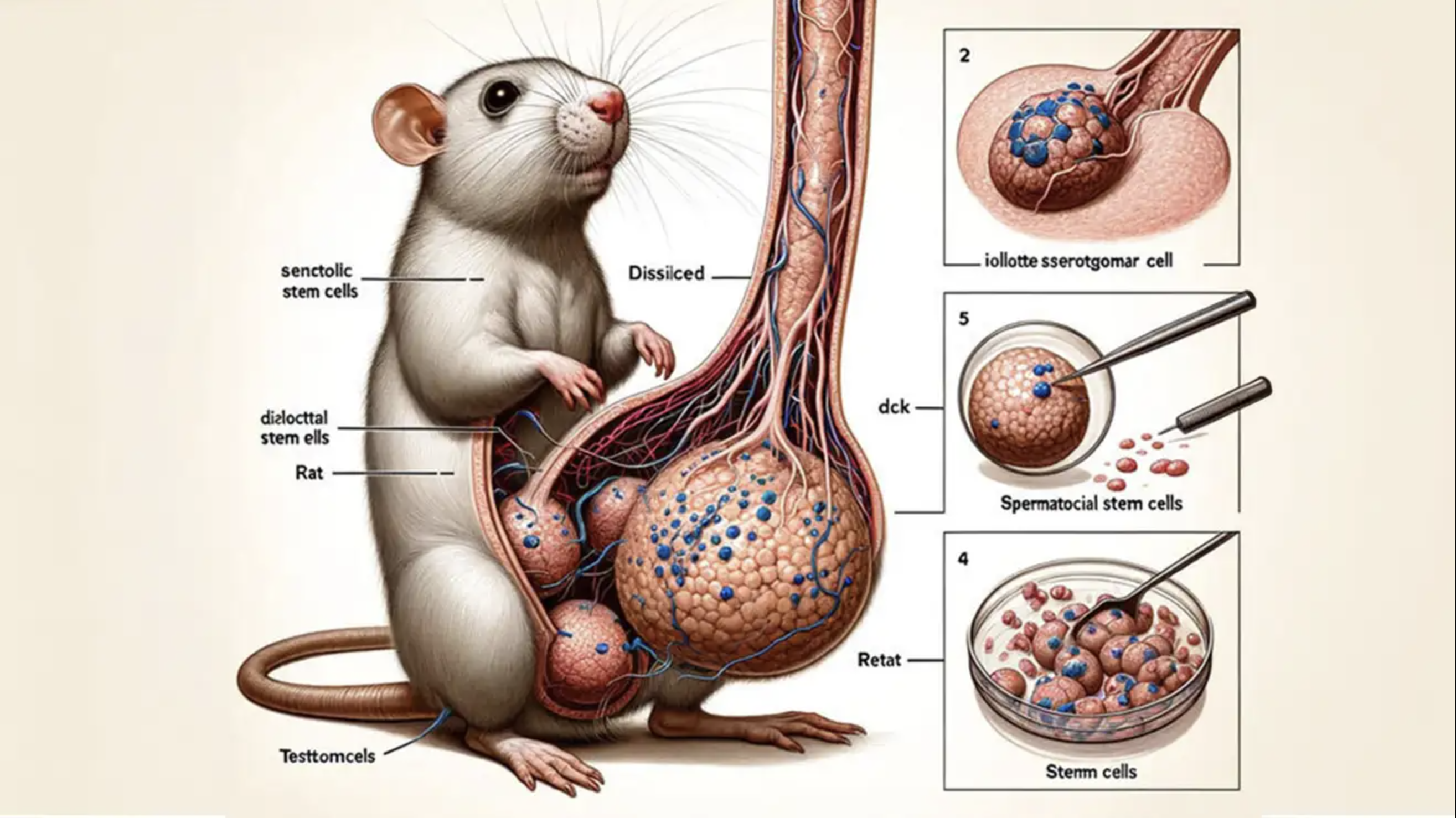
"Controversial AI-Generated Rat Genitalia Sparks Journal Retraction"

An AI-generated image of a rat with an exaggerated penis and testicles was published in a scientific journal, sparking outrage and leading to the retraction of the paper. This incident highlights concerns about the infiltration of AI-generated imagery in academic publishing and the challenges of distinguishing predatory journals from legitimate ones. The use of AI images in press releases and scientific papers raises questions about the impact on scientific understanding and the livelihood of human scientific illustrators.

science1 year ago

"Exposing Predatory Science Journals: Office for Science and Society's Investigation"

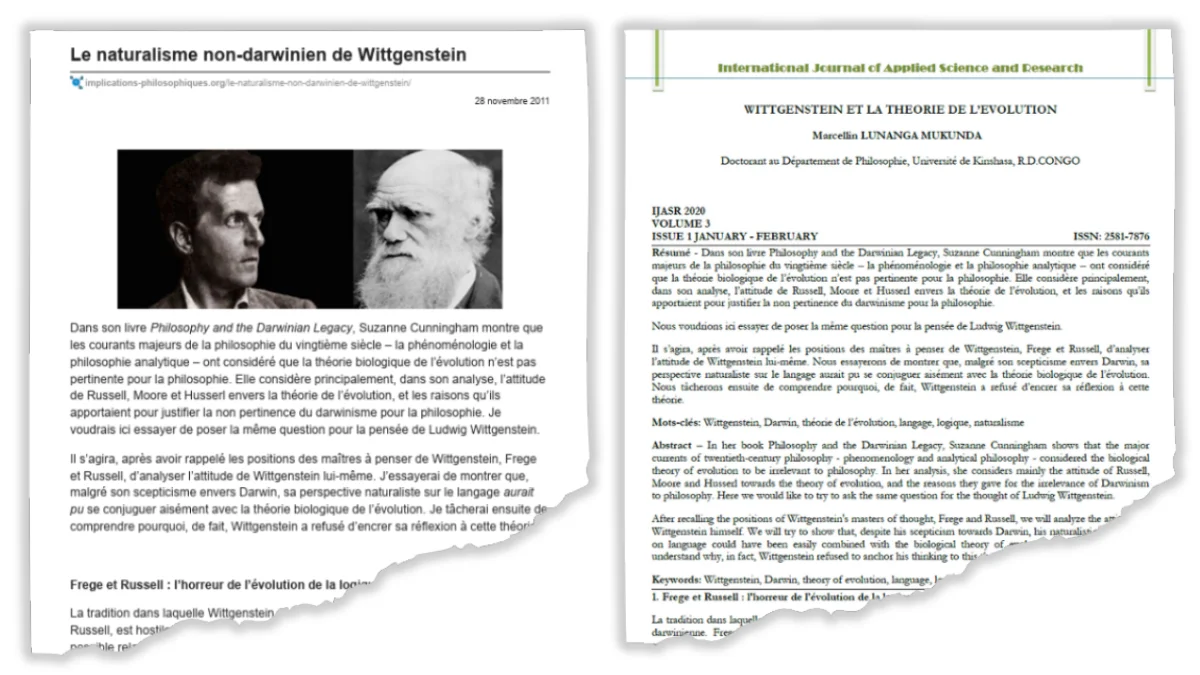
Predatory journals, which publish papers with little to no peer review in exchange for authors paying a fee, are a growing concern in academic publishing. While paying to publish is common among legitimate open access journals, predatory journals often exhibit red flags such as catering more to authors than readers, sending out flowery invitation emails, and having a broad scope. The rise of predatory publishing is a symptom of the publish-or-perish mentality in academia, and efforts to combat it include the use of whitelists and checklists to help authors identify reputable journals.