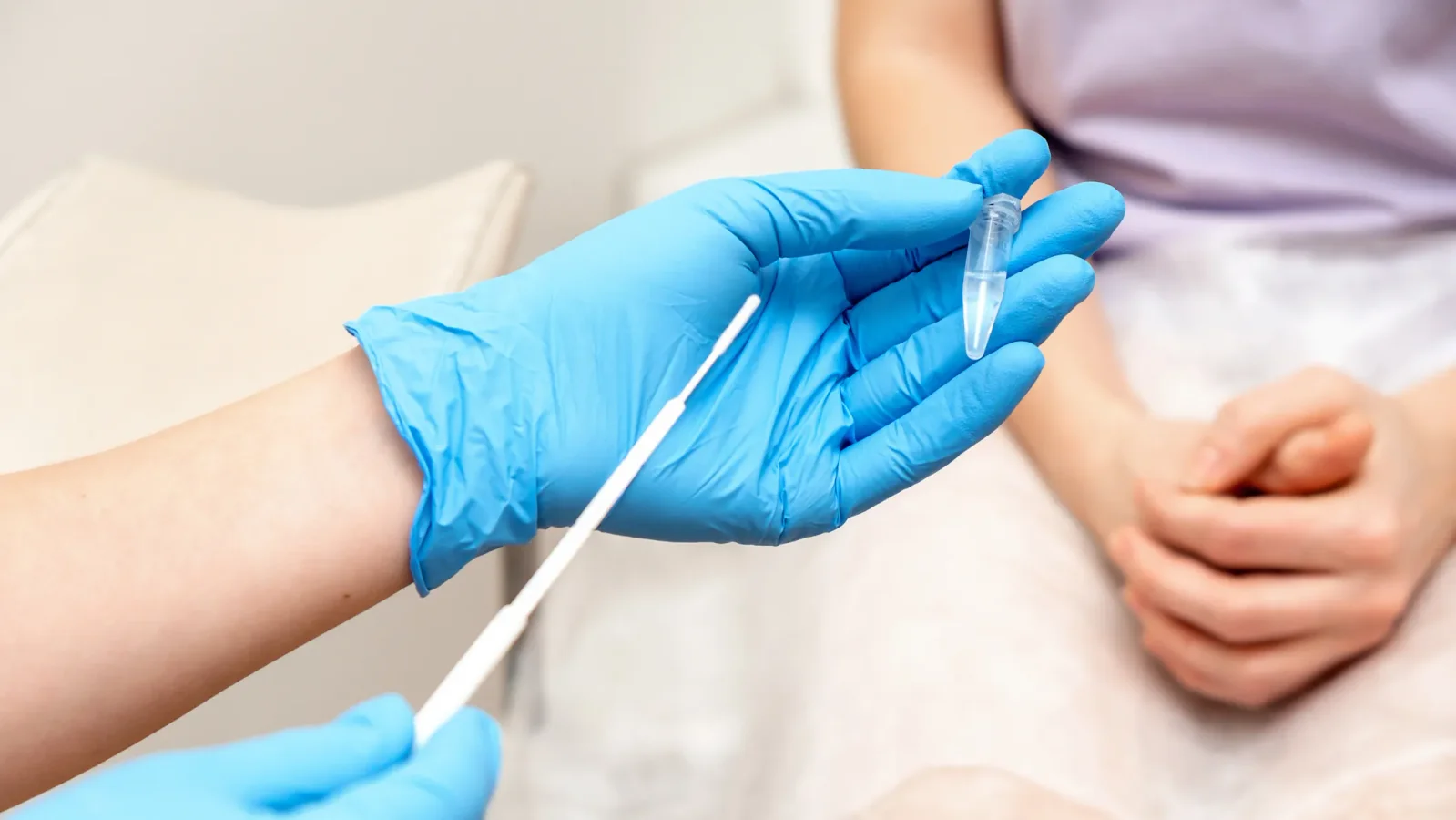
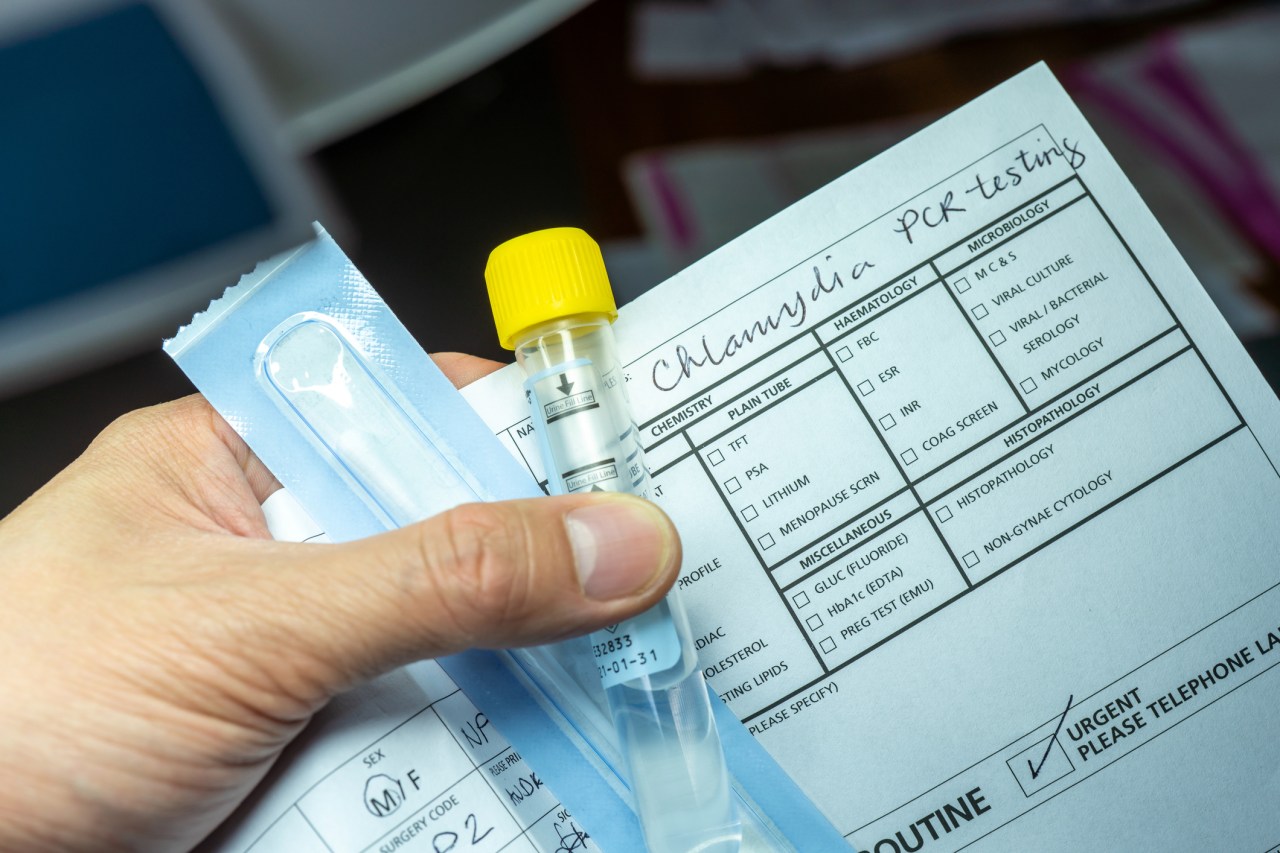
The FDA has approved at-home testing kits for the sexually transmitted diseases gonorrhea, chlamydia, and trichomoniasis, including three-in-one options such as Visby Medical’s device, expanding private, convenient STD screening.
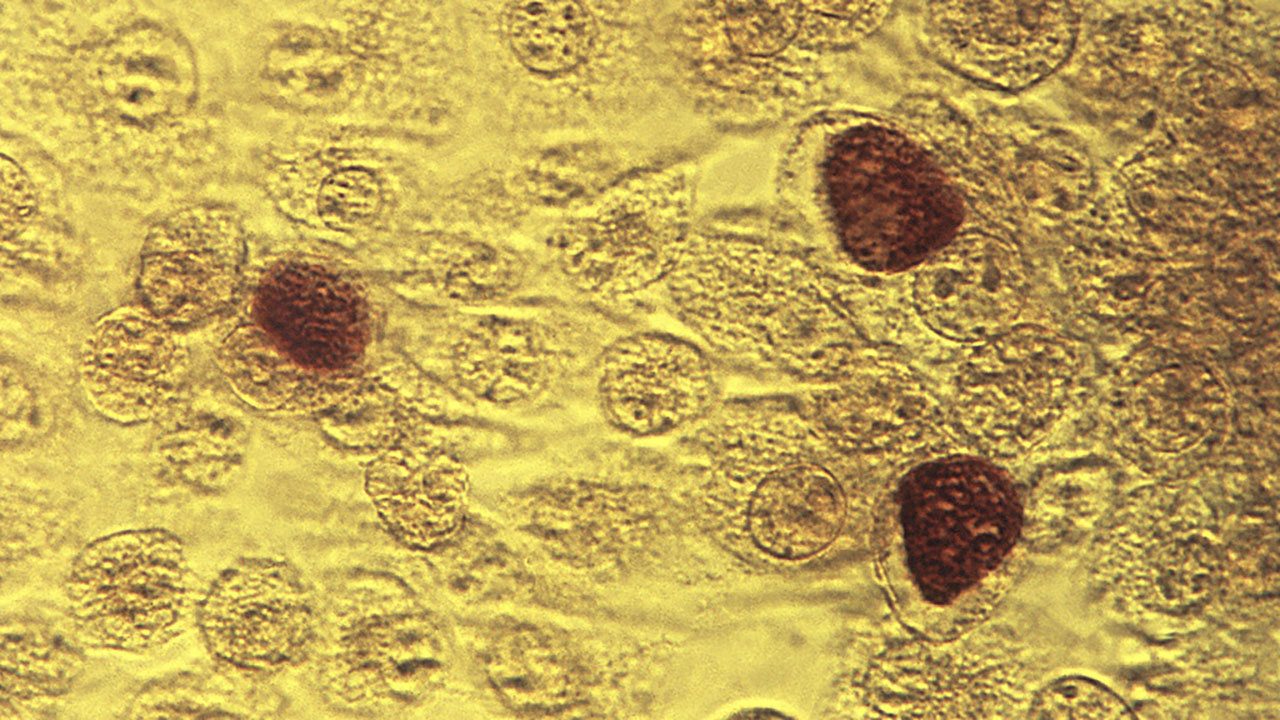
Chlamydia is the most common bacterial STI worldwide and in the US, often asymptomatic but easily treatable with antibiotics. Regular testing, condom use, and partner notification are key to prevention and control.
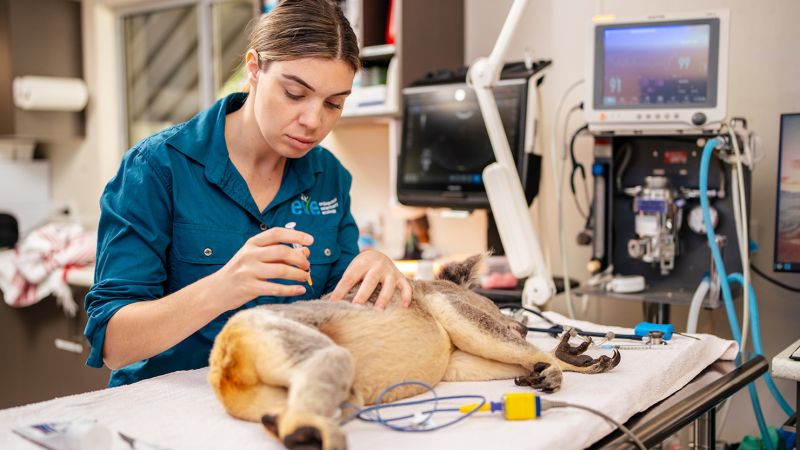
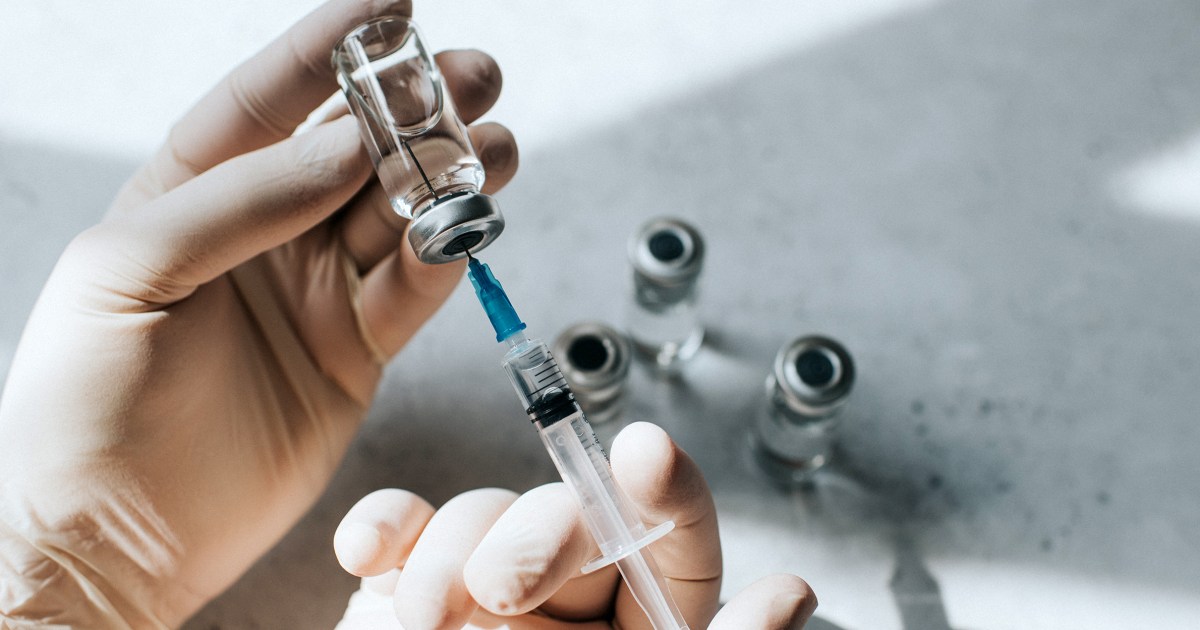
Australia has approved a groundbreaking single-dose vaccine developed by the University of the Sunshine Coast to protect koalas from chlamydia, a disease causing blindness, infertility, and death, with hopes to reduce the disease's devastating impact on wild populations.
A world-first single-dose vaccine has been approved in Australia to protect endangered koalas from chlamydia, a disease causing significant mortality and infertility, with the vaccine shown to reduce symptoms and death rates by at least 65%. Despite this advancement, conservationists emphasize habitat preservation as crucial, as habitat loss remains the primary threat to koalas' survival. The vaccine's development was supported by government funding, aiming to help combat the disease amid ongoing threats to koala populations.
Researchers in Australia have developed and approved a groundbreaking single-dose vaccine to protect koalas from chlamydia, a disease responsible for half of their deaths, aiming to aid conservation efforts for this endangered species.
A groundbreaking vaccine has been approved in Australia to protect endangered koalas from chlamydia, significantly reducing infection and mortality rates, and representing a major advancement in wildlife conservation efforts.
Australia has approved a single-dose vaccine developed by the University of the Sunshine Coast to combat a chlamydia epidemic decimating wild koala populations, which has been a major cause of death and decline in their numbers. The vaccine has shown to reduce symptoms and mortality by at least 65%, offering hope for the conservation of this endangered species amid threats like habitat loss and disease.
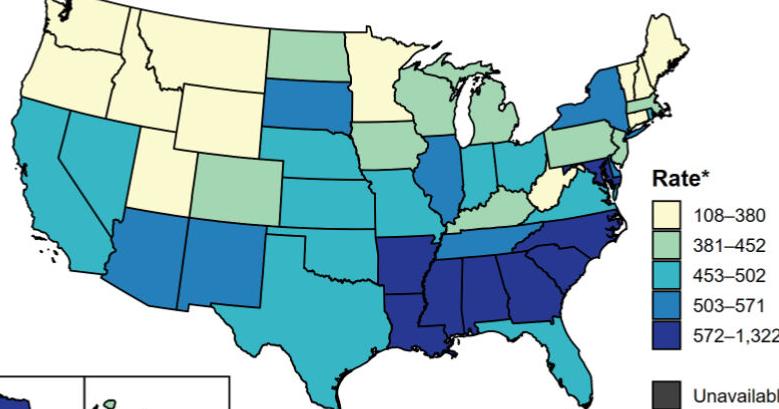
Louisiana ranks highest in the U.S. for chlamydia and second for gonorrhea, according to new CDC data, despite a slight decline in overall STI rates. The state faces challenges such as poor healthcare access and lack of sexual education, contributing to its high STI rates. Efforts like the "Check It" program aim to reduce infections by increasing testing and treatment access, particularly for young people. Experts express cautious optimism about recent declines but emphasize the need for sustained funding and education to maintain progress.
An early-stage clinical trial in the U.K. and Denmark showed promising results for a Chlamydia vaccine, with the experimental vaccine found to be safe in non-pregnant women and men. The next phase will focus on the vaccine's effectiveness in preventing Chlamydia infection, as the disease can cause serious reproductive health issues. The trial, conducted from 2020 to 2022, involved participants receiving the vaccine or a placebo, and the results were reported in The Lancet Infectious Diseases.
An early-stage clinical trial for a chlamydia vaccine has shown promising results, with the experimental vaccine found to be safe and induce an immune response. Chlamydia, the most common bacterial STI in the United States, can lead to infertility and vision loss. The next phase of studies will focus on the vaccine's ability to prevent infection and its effectiveness. If successful, the vaccine could offer protection against chlamydia in both the reproductive system and the eyes.
STD rates among Americans aged 55 and older have surged, with cases of syphilis and Chlamydia significantly increasing over the past decade, according to the CDC. Experts attribute this trend to a lack of formal sex education for this generation. The 2022 data revealed 5,160 reported syphilis cases and 19,766 Chlamydia cases in this age group, marking a substantial rise from previous years.
The CDC reports a significant increase in sexually transmitted diseases (STDs) among Americans aged 55 and older, with chlamydia, Hepatitis C, and syphilis being the most common. Cases of these STDs have risen sharply since 2000, with 2022 seeing a notable surge. Experts attribute this trend to a lack of formal sex education for this age group in the past, and suggest that public health funding cuts and clinic closures may also be contributing factors.
Cases of chlamydia, gonorrhea, and syphilis have more than doubled in Americans aged 55 to 64 over the past decade, with STIs on the rise for all age groups. Factors contributing to this increase include lack of sexual health education, rising divorce rates, and the stigma surrounding sexual activity in older adults. Health professionals are urged to routinely address sexual health in older adults, and individuals are encouraged to prioritize protection and regular STI testing, as age does not provide immunity to STIs.
Hillsborough County in Florida is among the counties with the highest rates of sexually transmitted infections (STIs) in the state, with chlamydia rates nearly doubling since 2000 and gonorrhea rates increasing by 50%. The CDC reports that syphilis rates are reaching levels last seen in the 1950s. Condom use has decreased among various populations, and public health efforts are now advocating for additional methods such as PrEP pills to lower the risk of contracting HIV. The CDC recommends annual testing for certain groups and some public health groups advocate for testing among all people regardless of sex and sexual orientation. Data from the CDC shows the STI infection rates in Florida compared nationally, with counties ranked by the rate of chlamydia infections.
Reported cases of gonorrhea, syphilis, and chlamydia have surged in Europe, with gonorrhea cases nearly doubling in 2022. The European Centre for Disease Prevention and Control has expressed deep concern and called for immediate attention and action to address the rising rates of sexually transmitted infections. The surge is attributed to factors such as better surveillance, increased home testing, and riskier sexual behavior, with antimicrobial resistance also being a concern. Untreated STIs can lead to serious health problems, making heightened awareness, prevention, testing, and treatment crucial in addressing the issue.