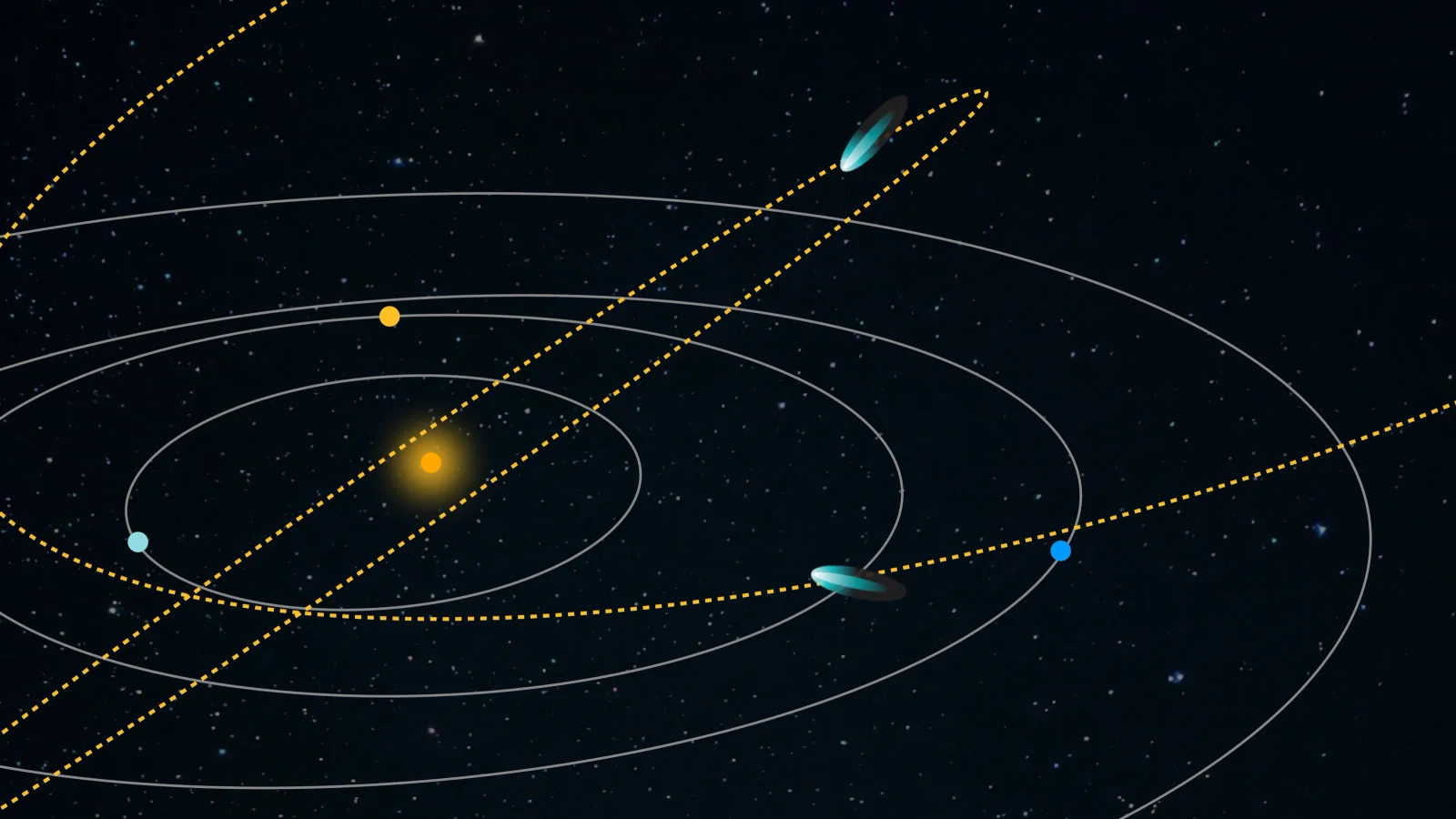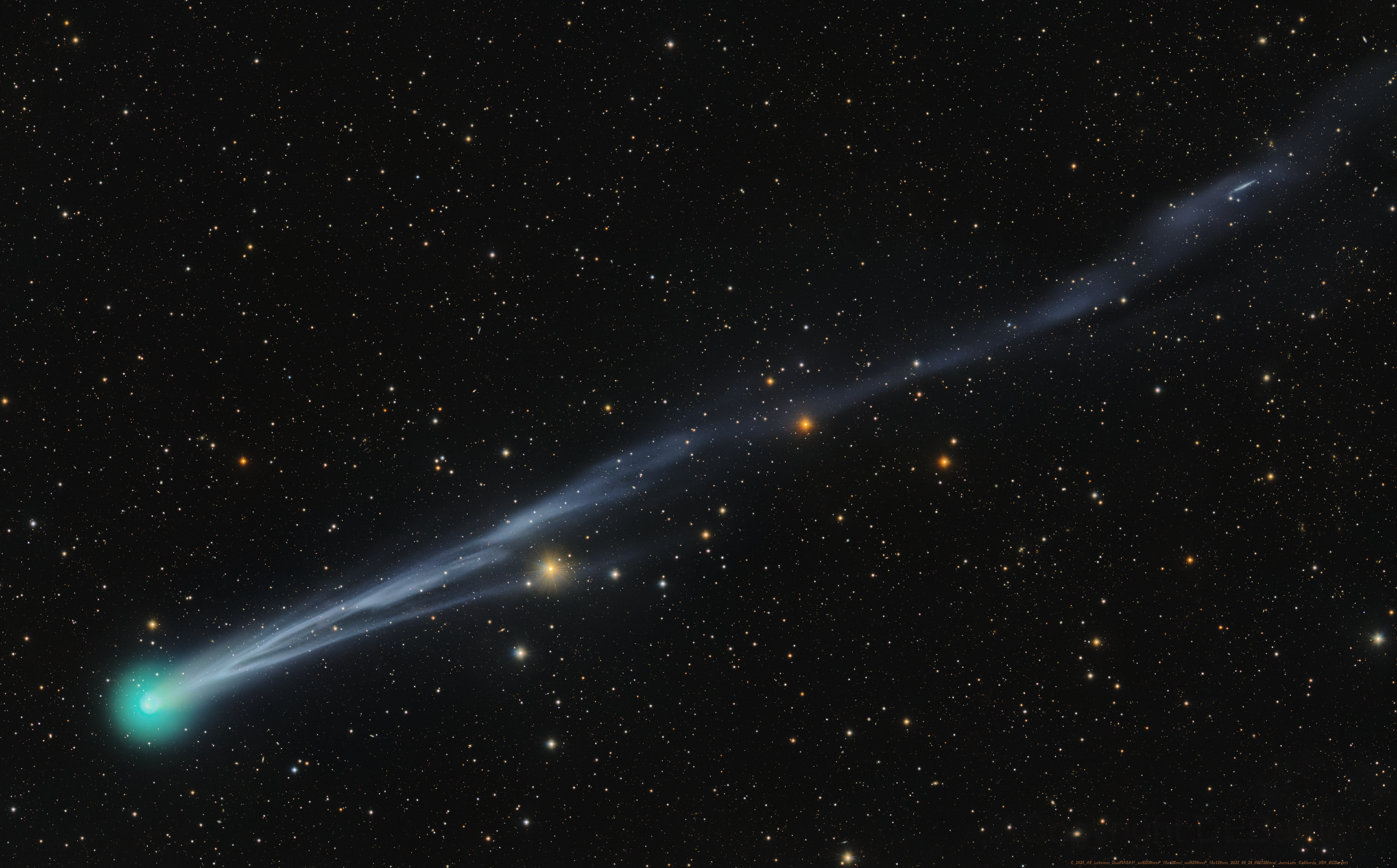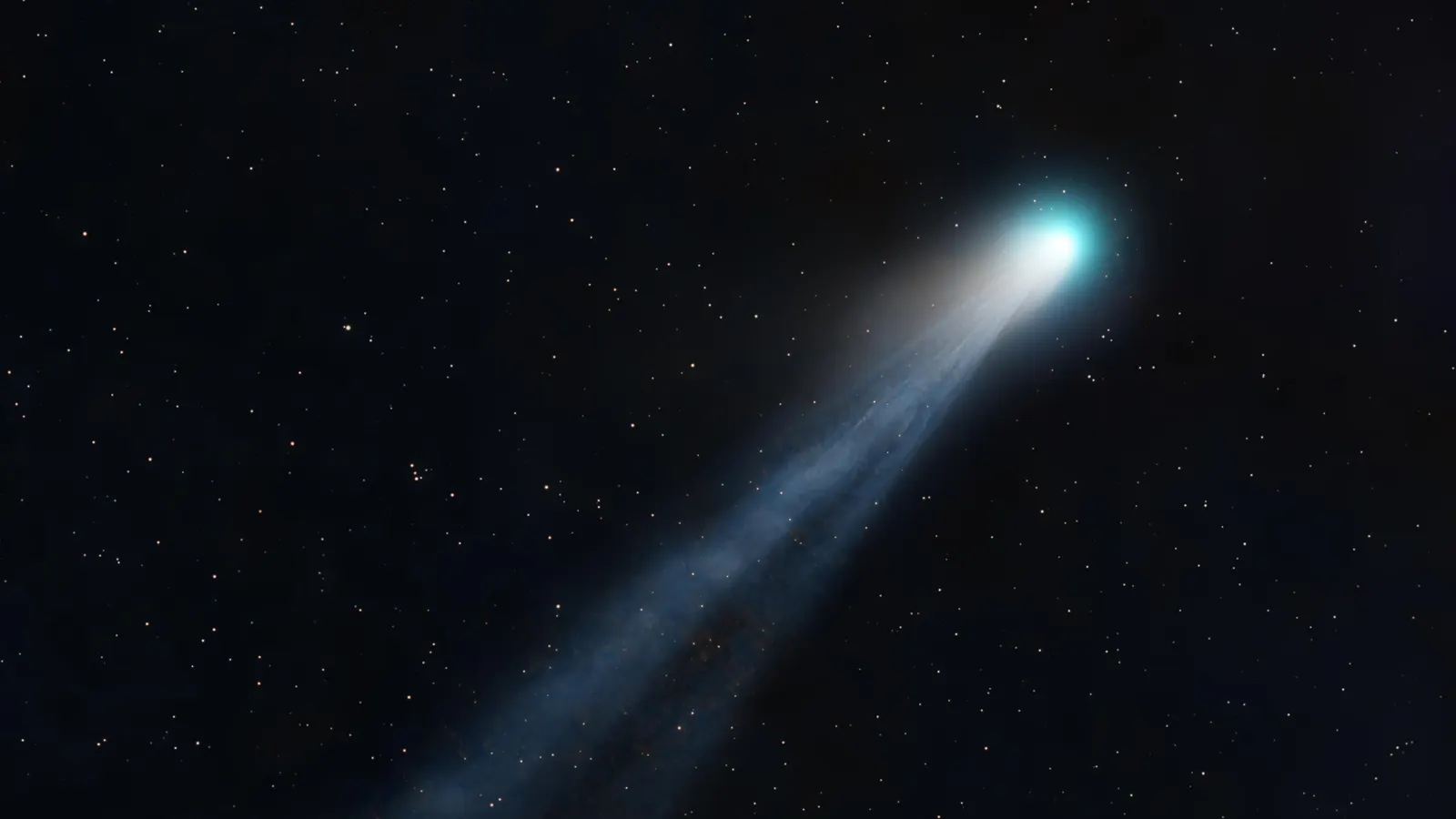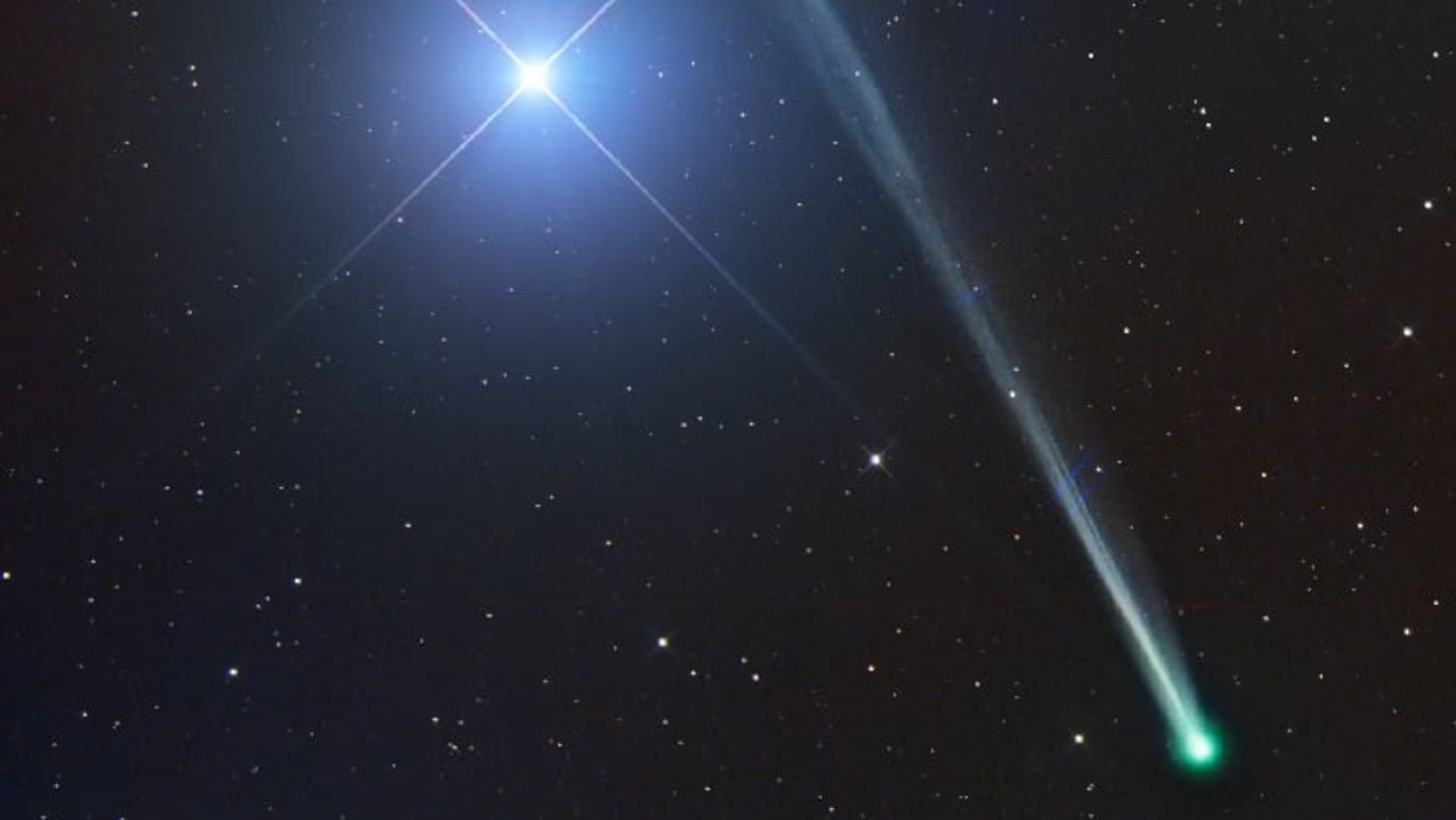
Comet C/2025 R2 (SWAN), discovered in September, is brightening and may become visible to the naked eye in October as it approaches Earth on October 21. It can be observed in the evening sky, passing near notable stars and constellations, with its visibility improving throughout the month. Stargazers are encouraged to use binoculars or telescopes for a better view.
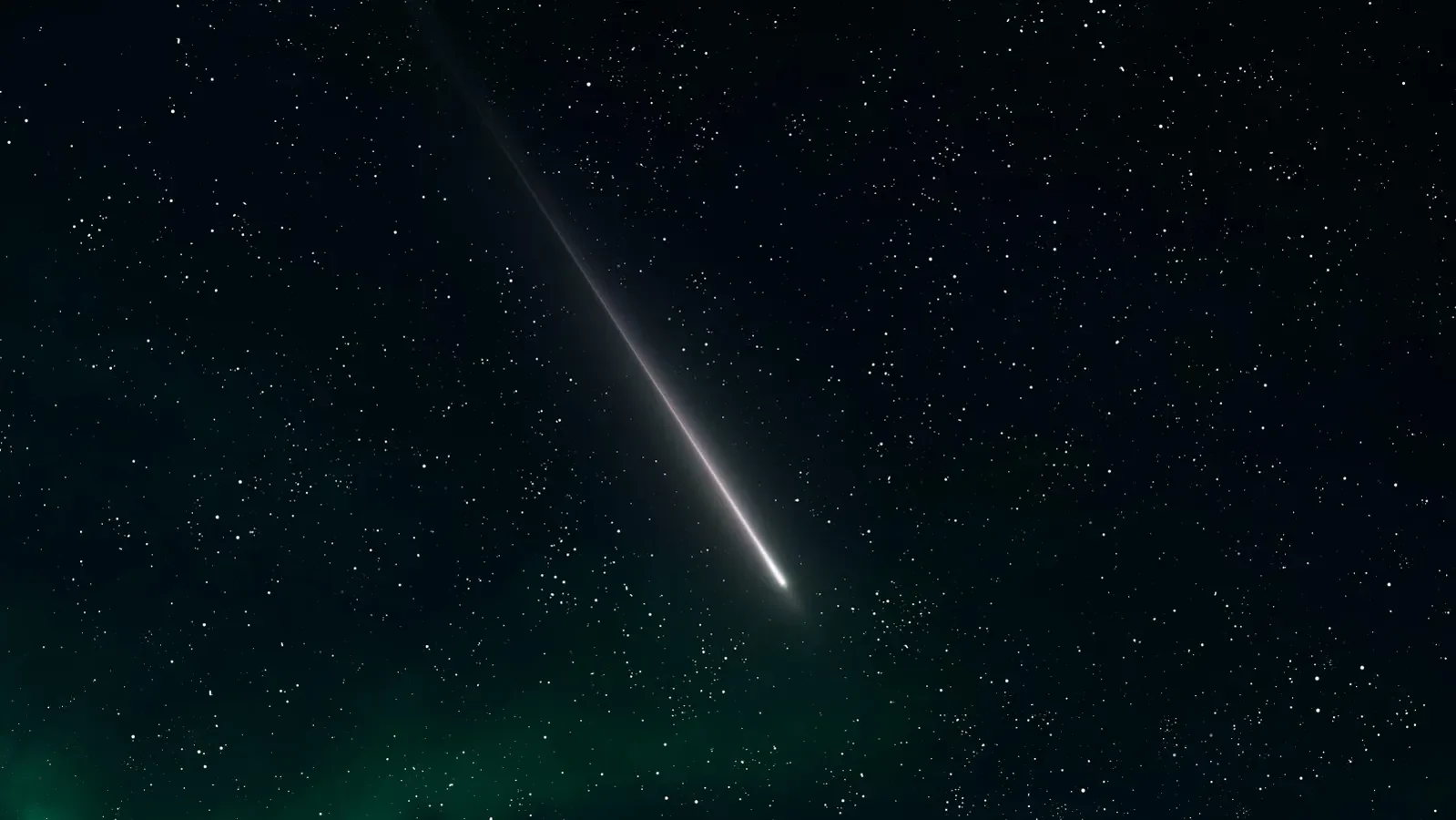
The Delta Aurigid meteor shower peaks overnight on October 11-12, offering about 10 meteors per hour visible in the northeastern sky from the constellation Auriga, providing a brief but exciting prelude to October's more prominent meteor events like the Orionids.
This October, skywatchers can potentially see two comets, C/2025 R2 (SWAN) and C/2025 A6 (Lemmon), with the former visible with binoculars or telescopes and the latter easily seen in the evening sky in the Northern Hemisphere, offering a rare celestial spectacle.
Comet Lemmon (C/2025 A6) is rapidly brightening and may become visible to the naked eye in late October, offering a rare opportunity for skywatchers to observe a bright comet with good dark-sky conditions, especially between October 22 and 28 when it reaches its peak brightness.
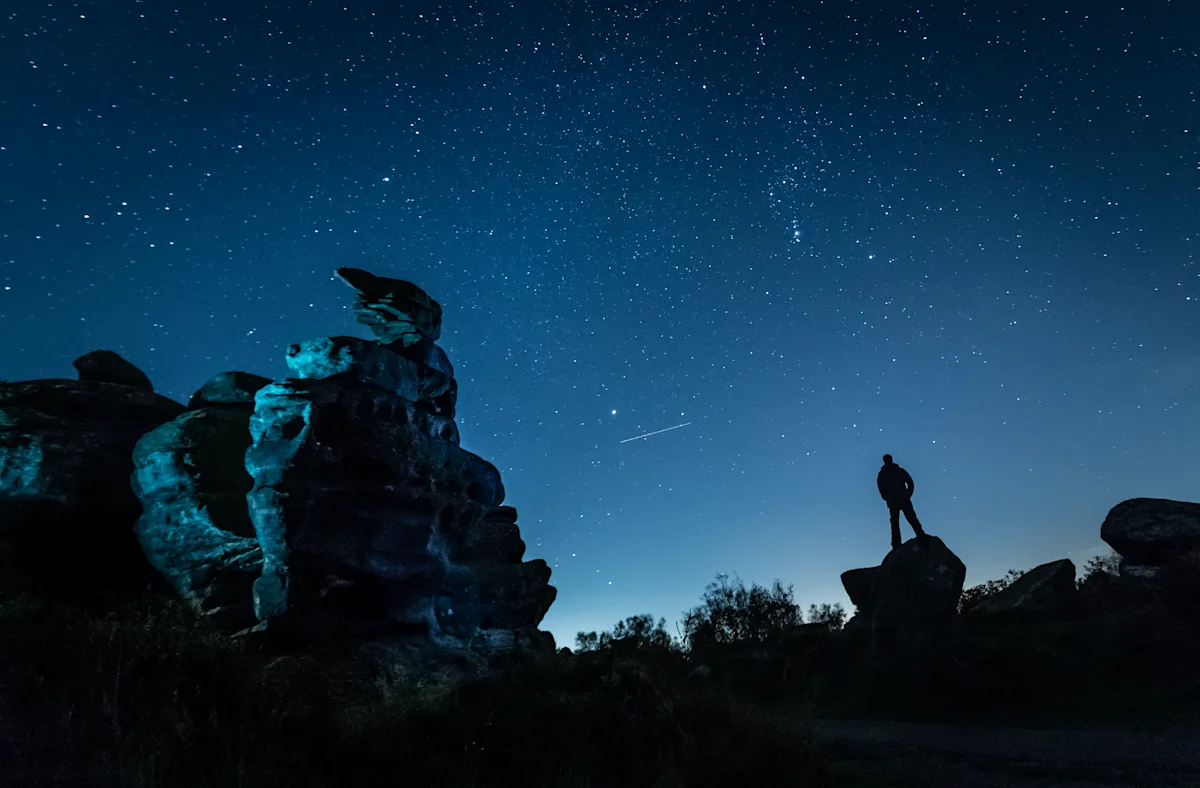
October offers a spectacular celestial display with two major meteor showers: the Draconids from October 6-10, best viewed in the Northern Hemisphere, and the Orionids peaking on October 21, known for their bright fireballs and trains, both best observed away from city lights under dark, clear skies.
In October, the Draconids and Orionids meteor showers will light up the night sky, with the Draconids peaking around October 8 and the Orionids peaking on October 21. The Draconids, originating from Comet 21P/Giacobini-Zinner, may be visible with up to 10 meteors per hour, while the Orionids, from Halley's Comet, can produce about 20 meteors per hour and even fireballs. Viewing conditions depend on darkness and moon phase, with the super full moon potentially obscuring the Draconids.
October 2025 promises a spectacular night sky with Comet Lemmon, Orionid and Taurid meteor showers, and a swarm of fireballs, offering skywatchers a rare chance to see bright comets, shooting stars, and fireballs, especially around October 21 when Comet Lemmon reaches its closest approach to Earth.