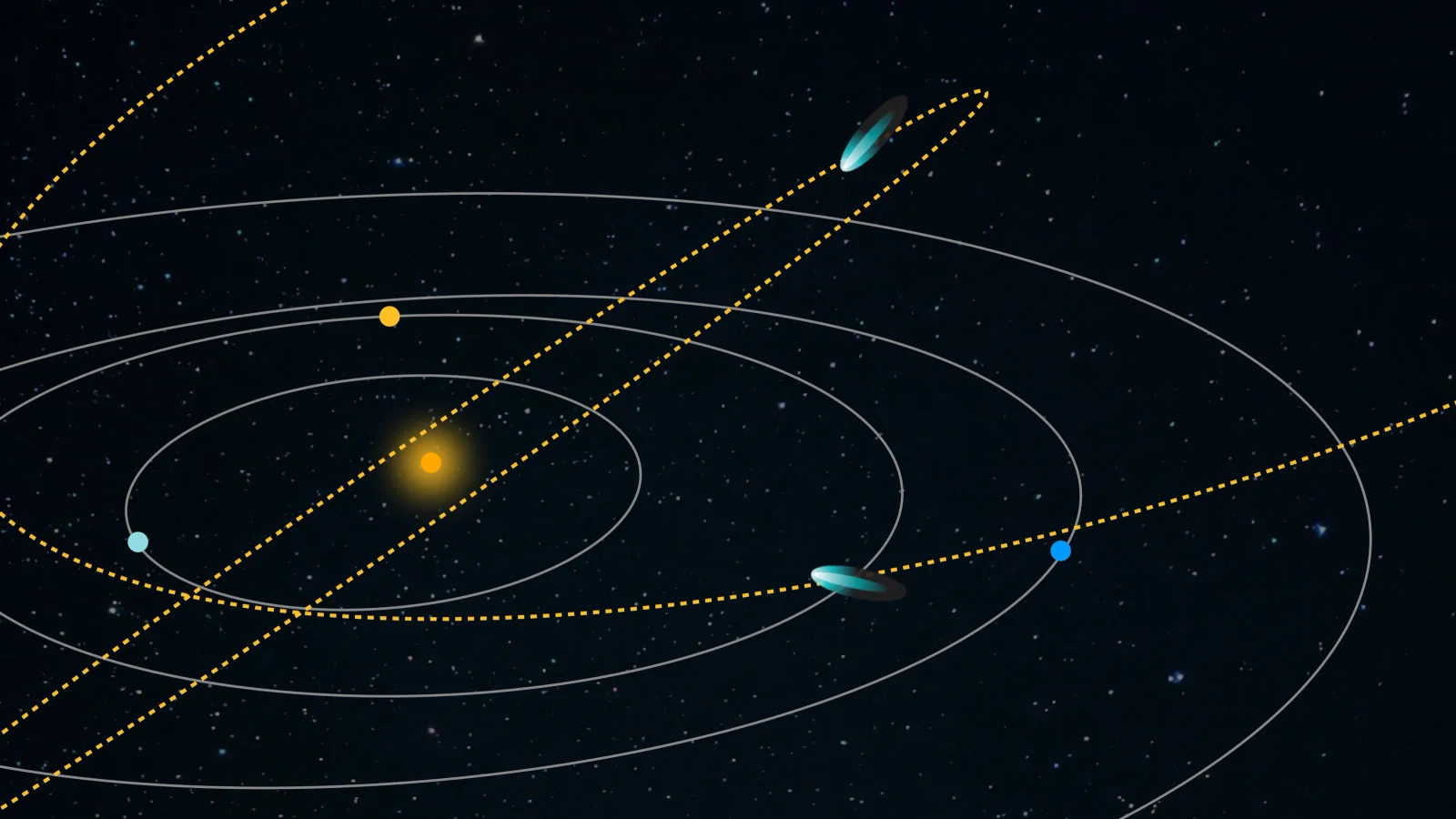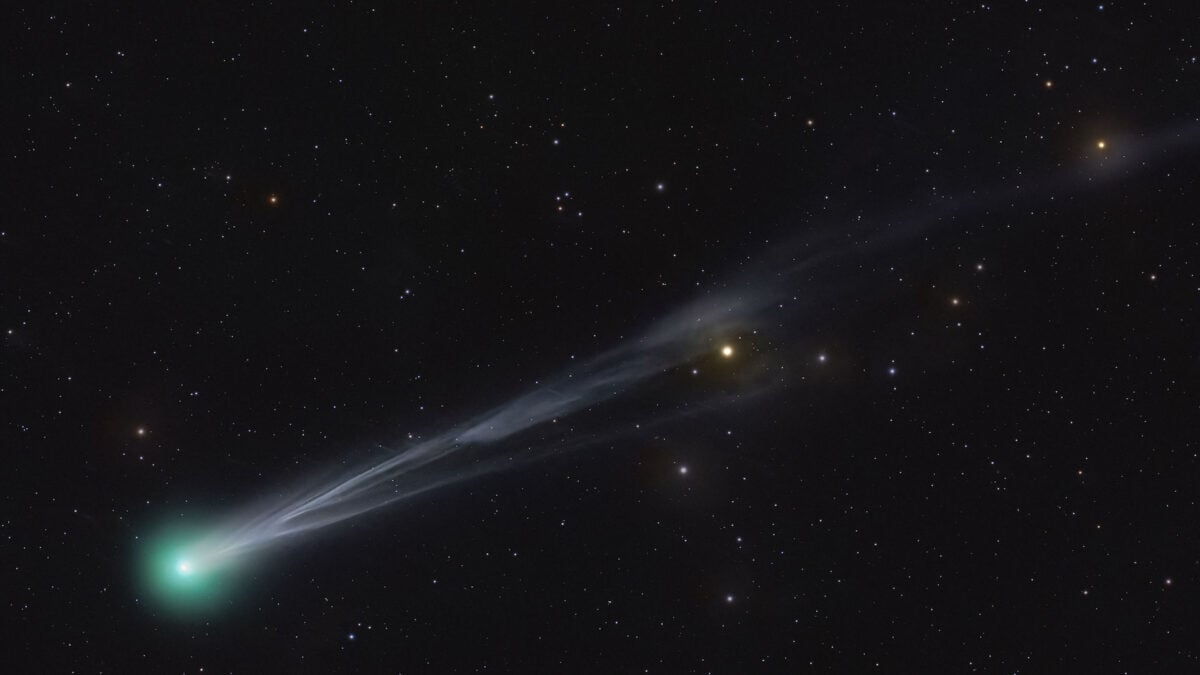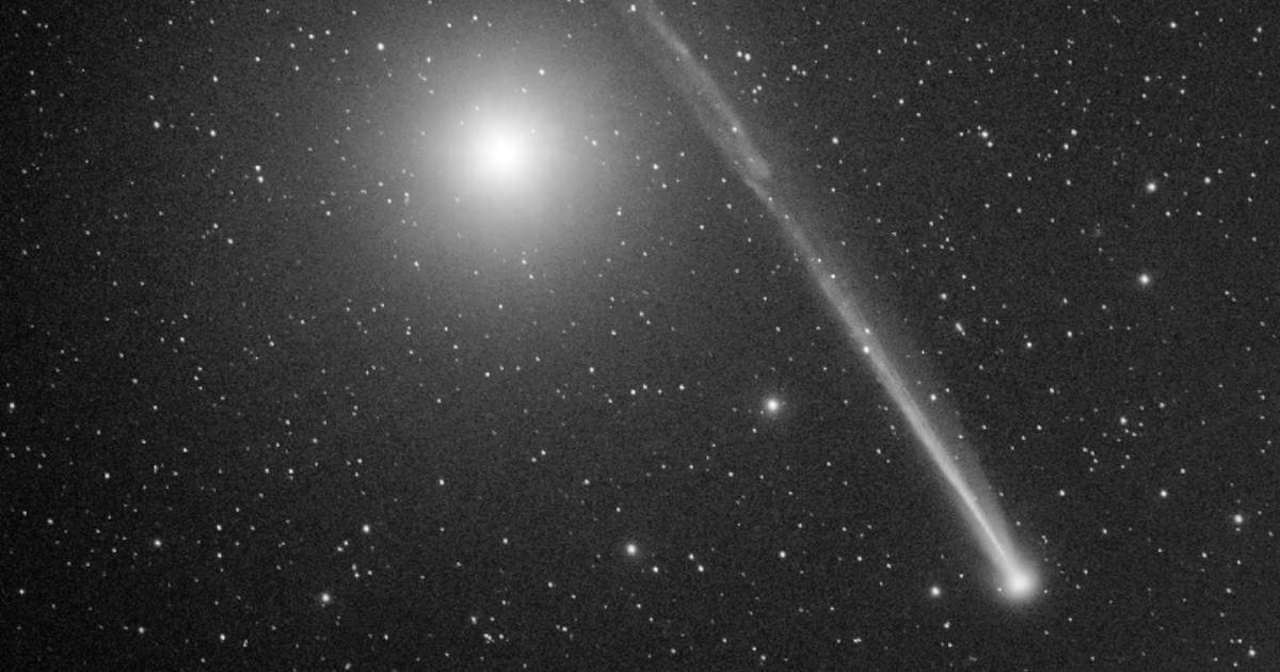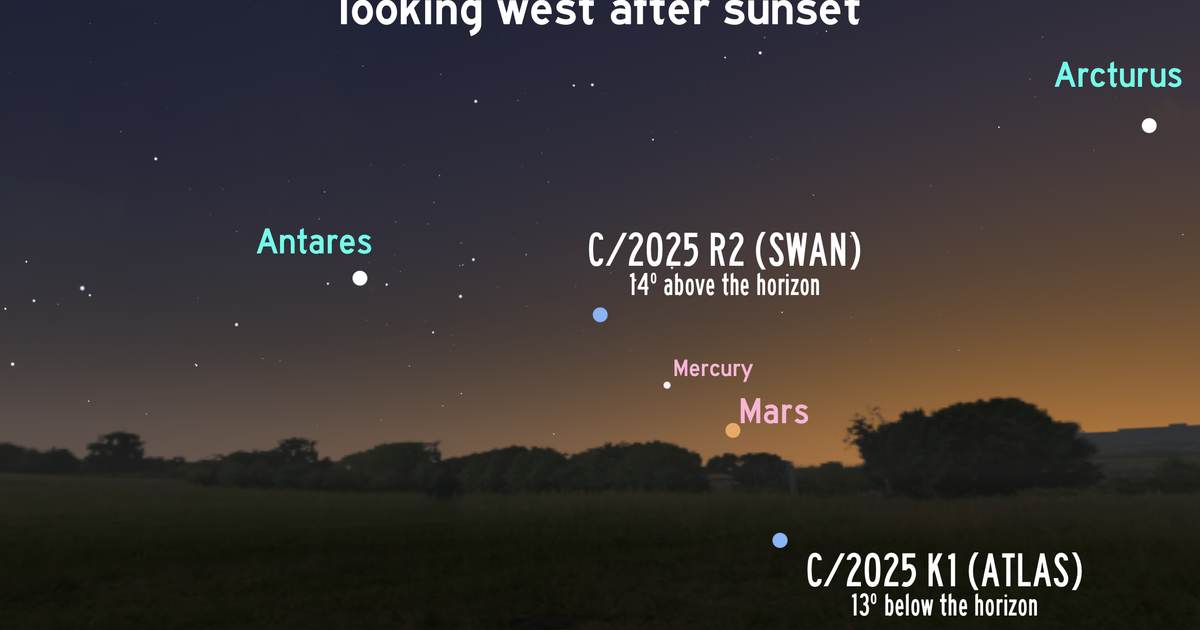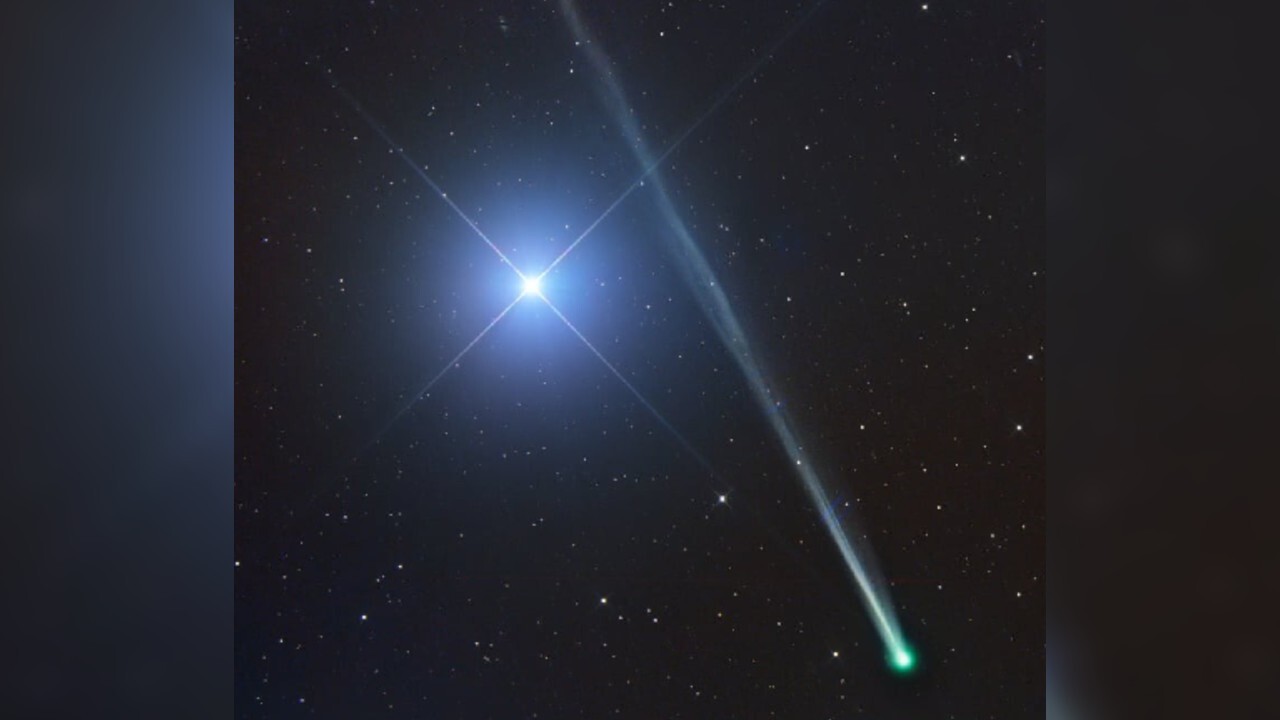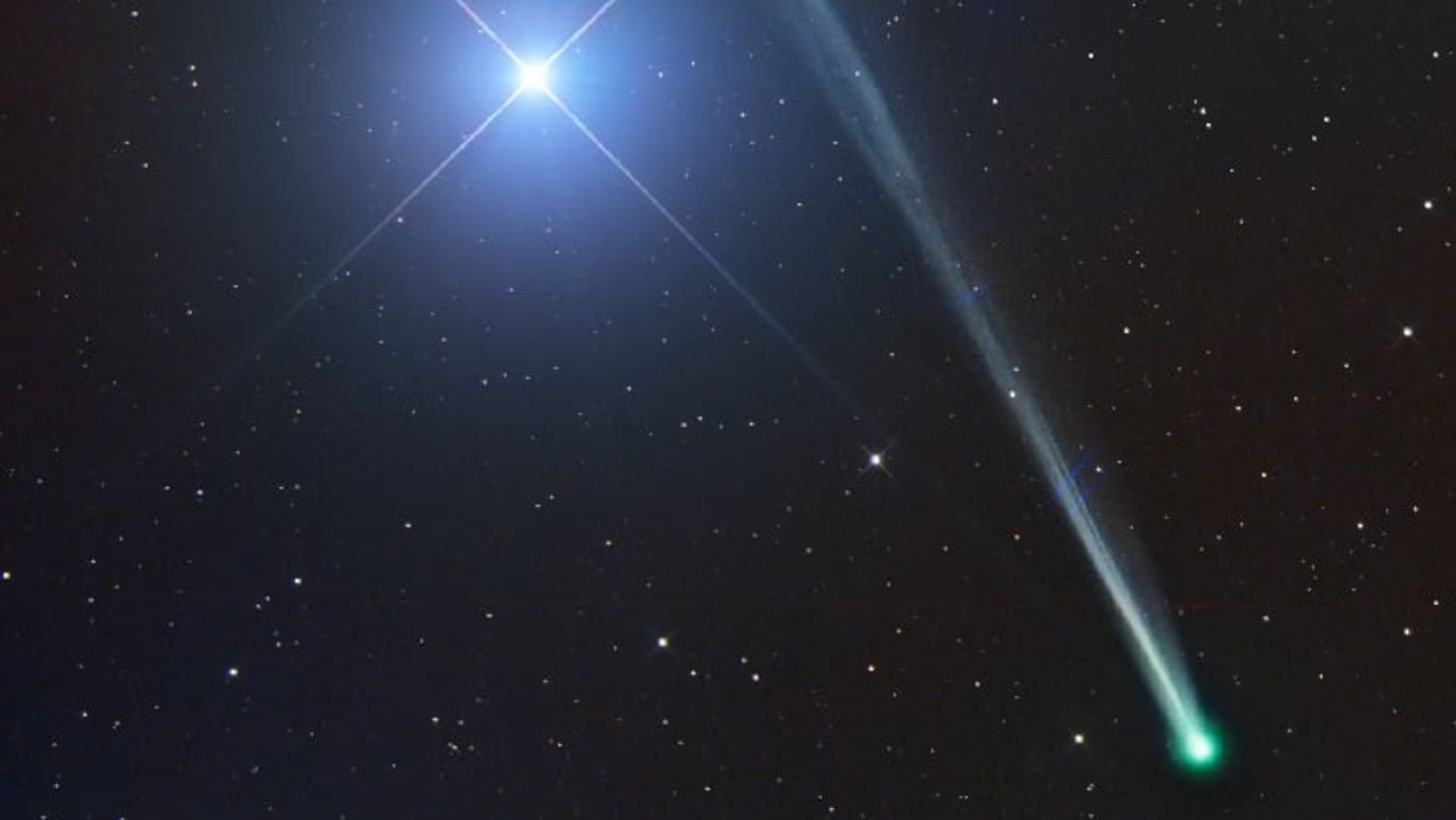
Comet C/2025 R2 (SWAN), discovered in September, is brightening and may become visible to the naked eye in October as it approaches Earth on October 21. It can be observed in the evening sky, passing near notable stars and constellations, with its visibility improving throughout the month. Stargazers are encouraged to use binoculars or telescopes for a better view.
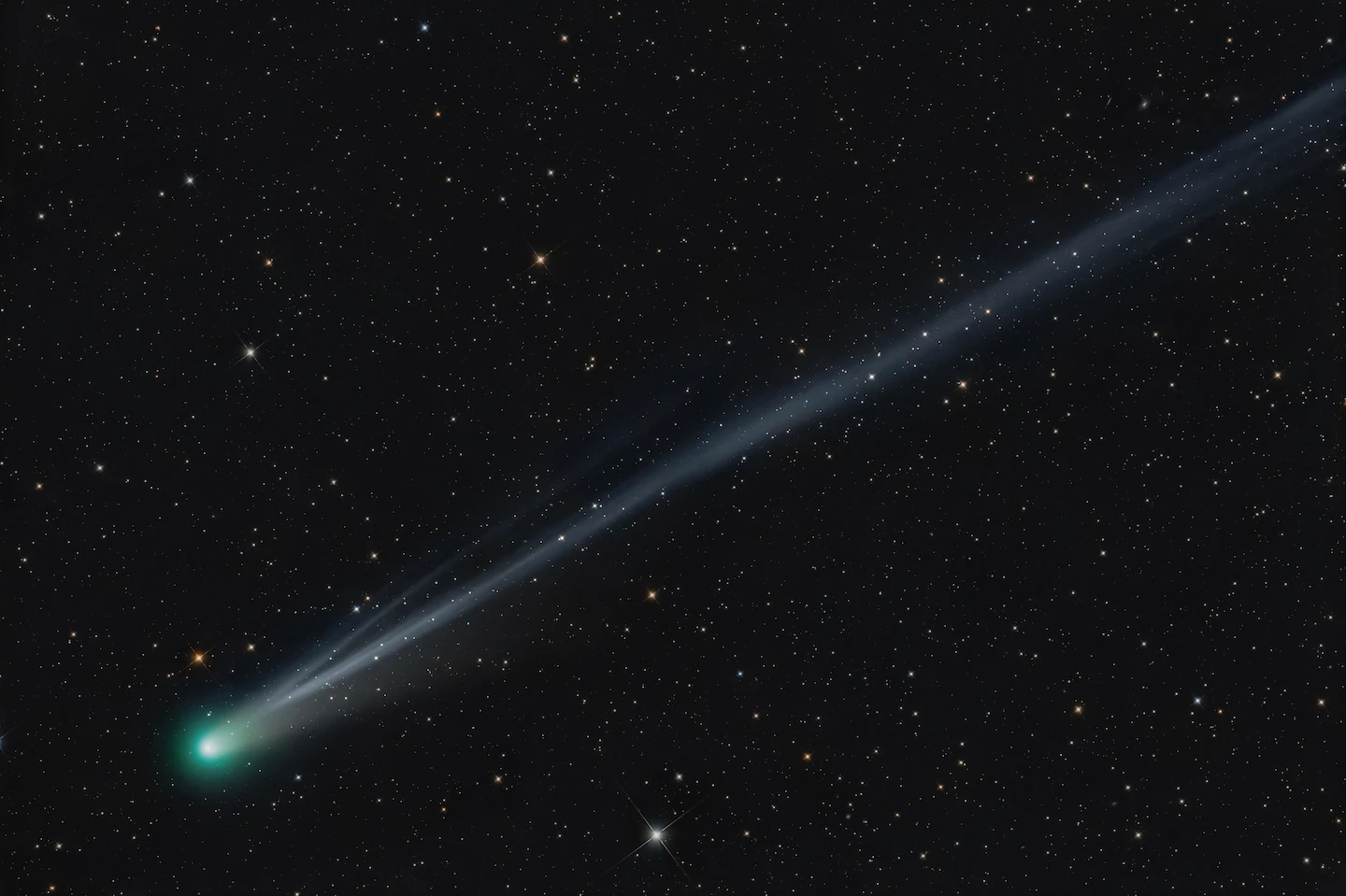
Two rare bright comets, C/2025 A6 Lemmon and C/2025 R2 SWAN, are visible this month, offering a once-in-a-lifetime opportunity to see them with the naked eye, especially in the second half of the month from the northern hemisphere.
This October, skywatchers can potentially see two comets, C/2025 R2 (SWAN) and C/2025 A6 (Lemmon), with the former visible with binoculars or telescopes and the latter easily seen in the evening sky in the Northern Hemisphere, offering a rare celestial spectacle.
This October, two newly discovered comets, C/2025 R2 (SWAN) and C/2025 A6 (Lemmon), will be visible in the night sky as they approach Earth, with SWAN best viewed in the southern hemisphere near sunset and Lemmon in the northern hemisphere near sunrise, potentially visible to the naked eye during their closest approaches.
A newly discovered long-period comet, C/2025 R2 SWAN, is becoming brighter and more visible in the southwestern evening sky in October, with the best viewing around October 20 when it is closest to Earth, though it may only be visible with binoculars or a telescope due to its faintness.
Astronomers are monitoring three comets this fall, but only Comet Lemmon (C/2025 A6) might become visible to the naked eye under dark skies, while the others, C/2025 R2 (SWAN) and C/2025 K1 (ATLAS), are too dim for unaided viewing. Comet Lemmon is expected to brighten as it approaches perihelion in November, but visibility depends on its actual brightness, which remains uncertain.
Comet C/2025 R2 (SWAN), discovered in September 2025, is approaching Earth and may become visible to the naked eye in October, peaking around magnitude +6 to +7, and will be best observed with binoculars or small telescopes as it moves across constellations like Libra and Sagittarius.