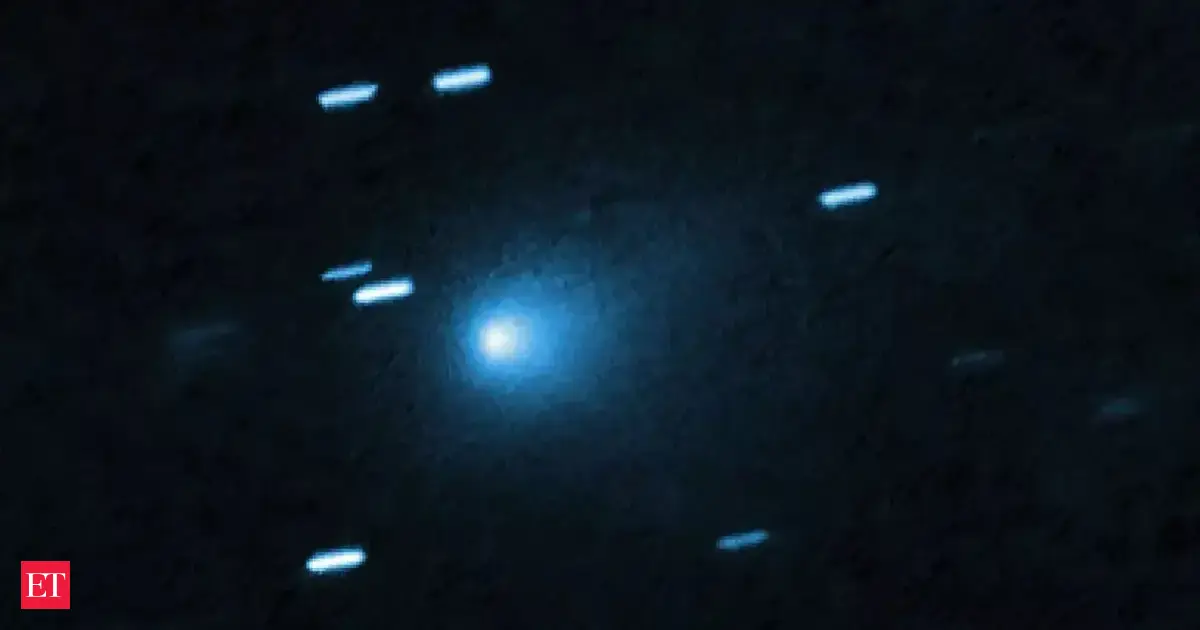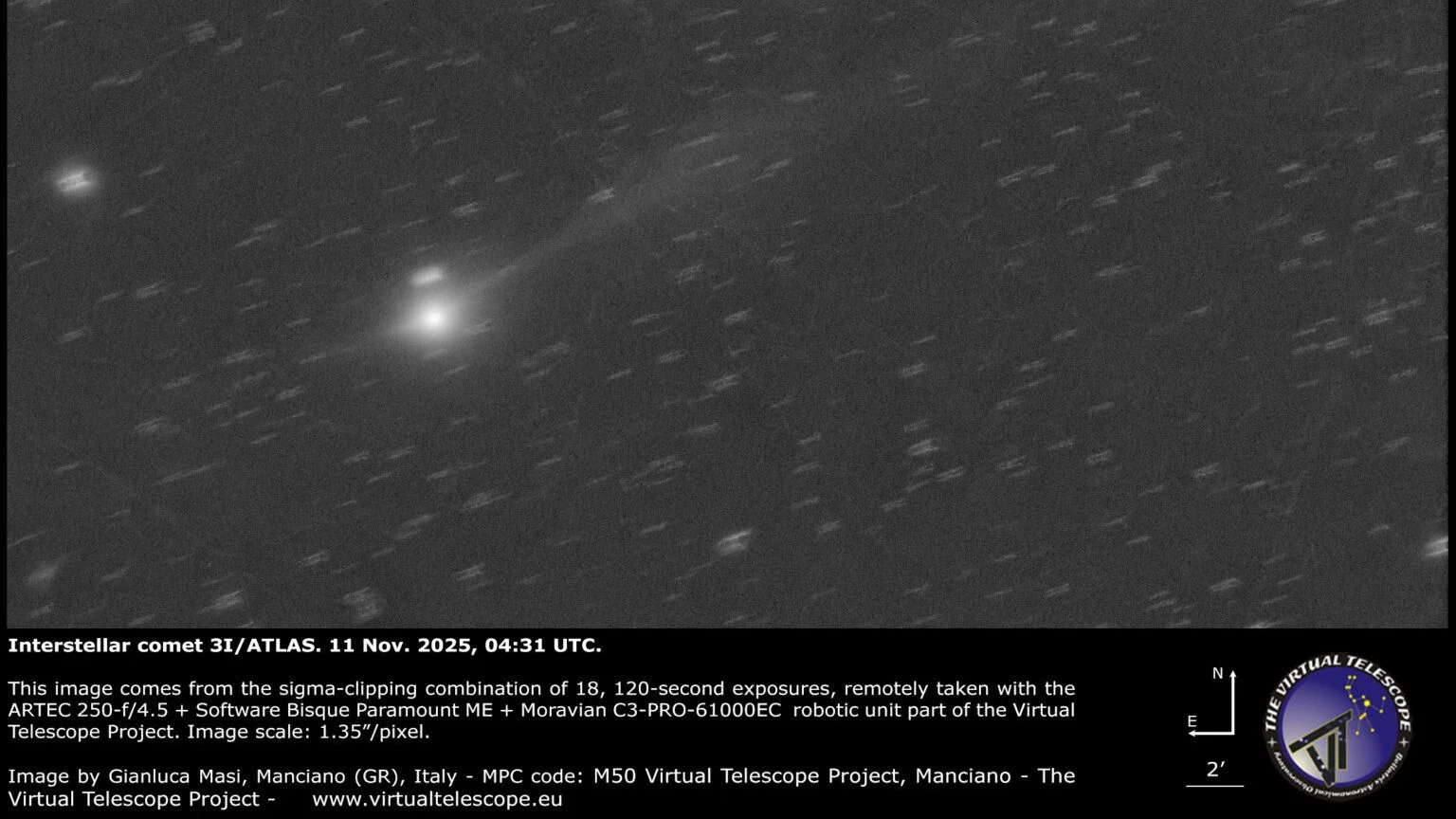
A new image of interstellar comet 3I/ATLAS shows its ion tail has grown longer and more structured, indicating increased activity as it approaches the inner solar system, providing valuable insights into its composition and behavior.
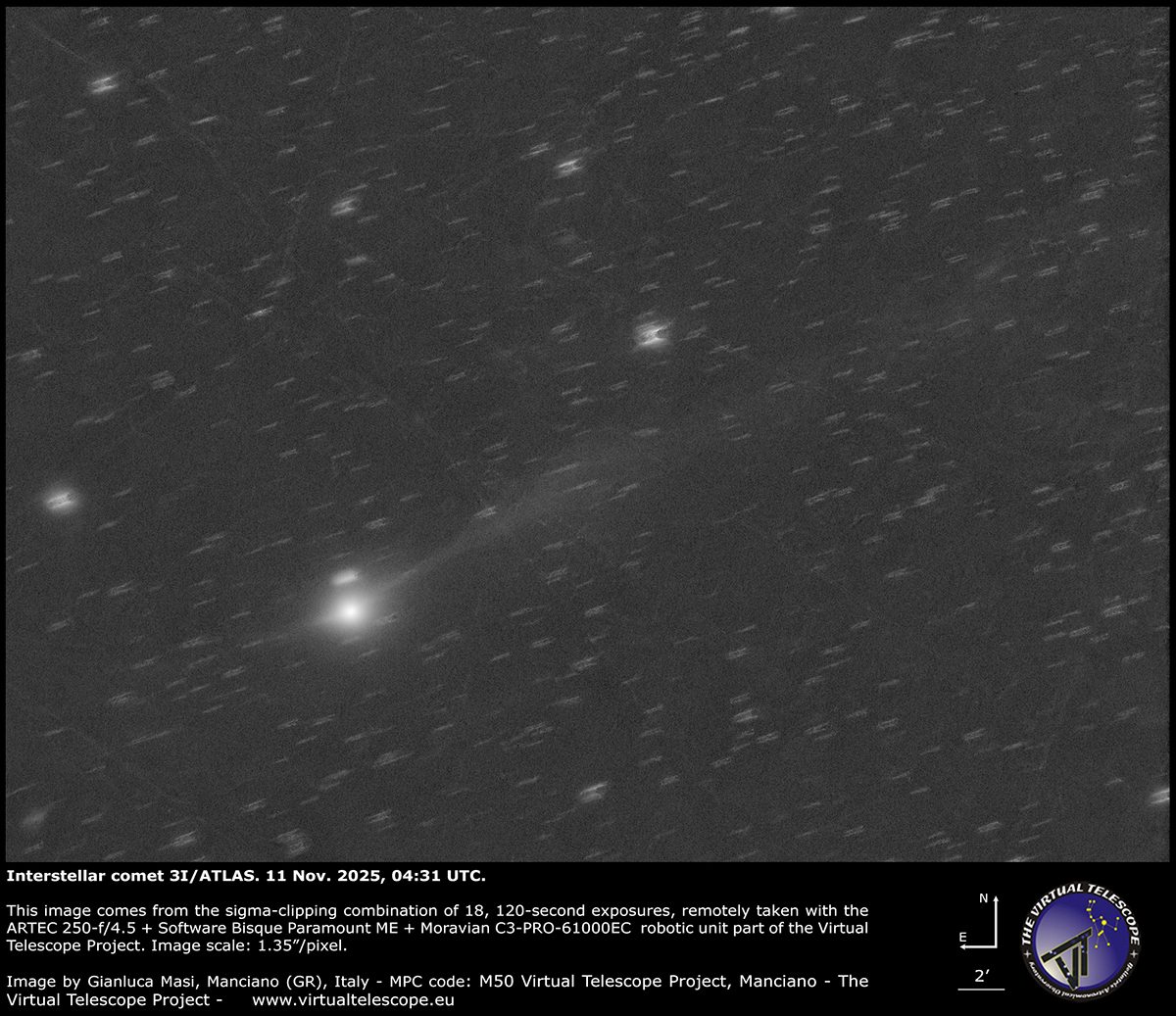
Comet 3I/ATLAS has re-emerged into the morning sky in November 2025, with new images showing its tail lengthening as it approaches the Sun, thanks to observations from Earth and Mars orbiters, highlighting its evolving condition and activity.
Harvard scientist Avi Loeb raises concerns about the interstellar comet 3I/ATLAS, noting its lack of a typical cometary tail and anomalies in its behavior, leading him to speculate it could be an artificial object or extraterrestrial technology, though NASA dismisses these claims.
Two spacecraft, Hera and Europa Clipper, may pass through the tail of interstellar comet 3I/ATLAS to directly detect ions and magnetic field changes, potentially making history as the first human-made objects to sample an interstellar comet's tail, despite limited preparation time and some instrument limitations.
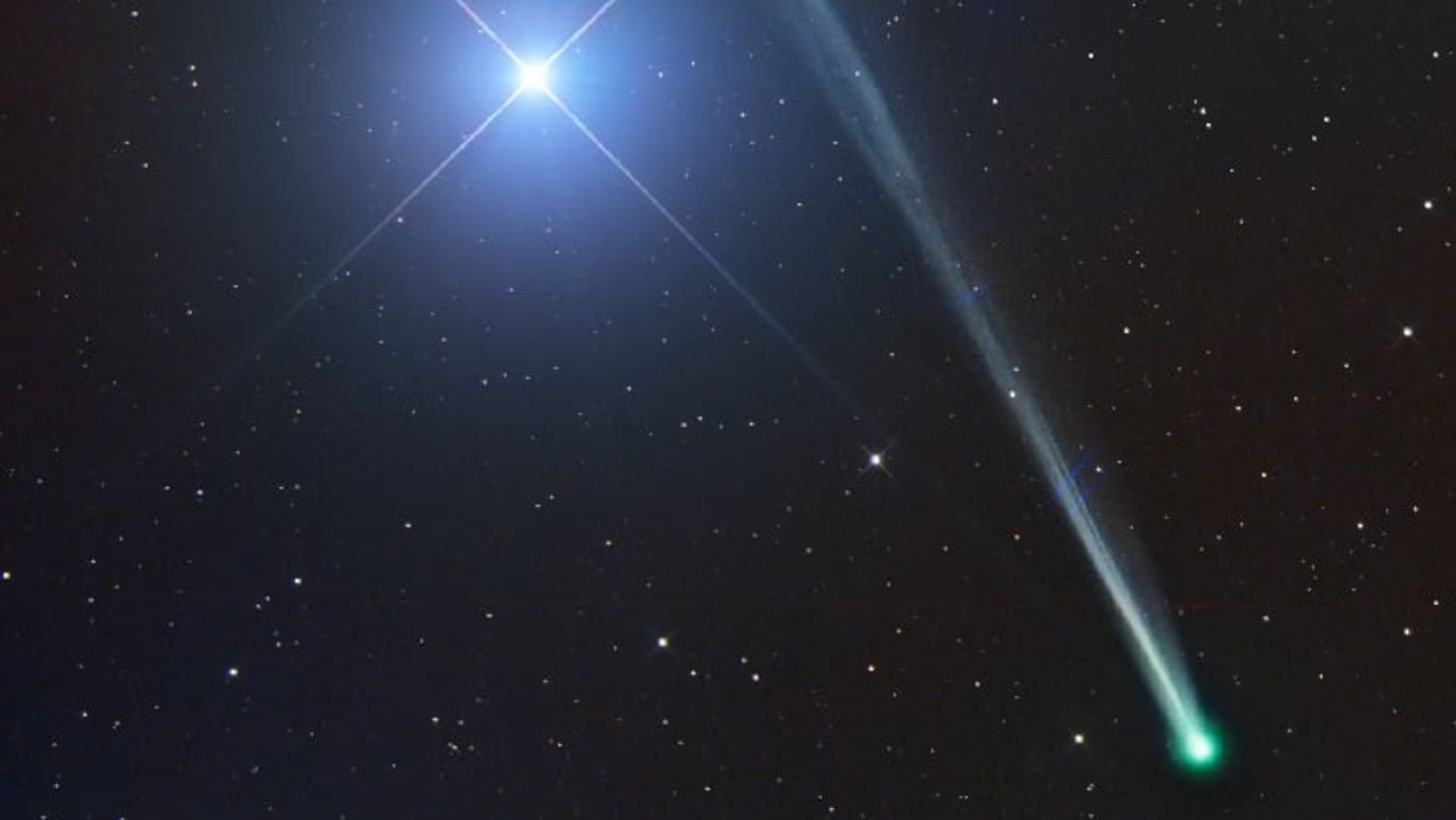
Comet C/2025 R2 (SWAN), discovered in September, is brightening and may become visible to the naked eye in October as it approaches Earth on October 21. It can be observed in the evening sky, passing near notable stars and constellations, with its visibility improving throughout the month. Stargazers are encouraged to use binoculars or telescopes for a better view.
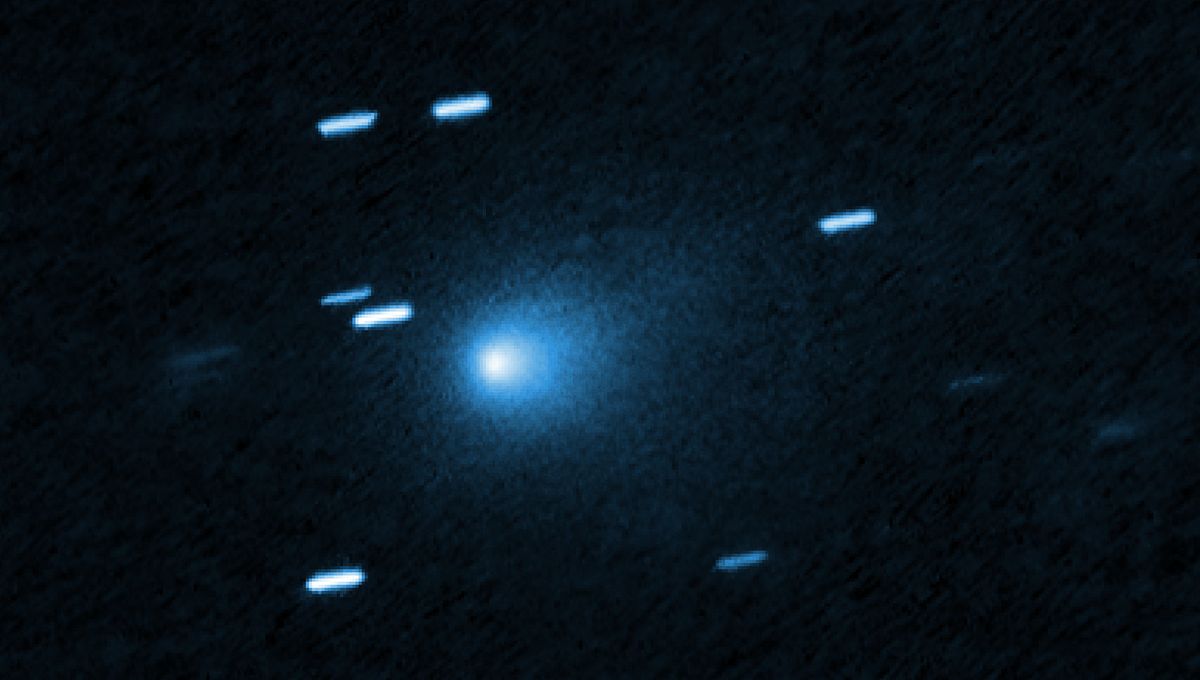
New images of the interstellar comet 3I/ATLAS reveal its tail growing as it approaches the sun, providing insights into its composition and origin, and highlighting its status as one of the few known interstellar objects passing through our solar system.
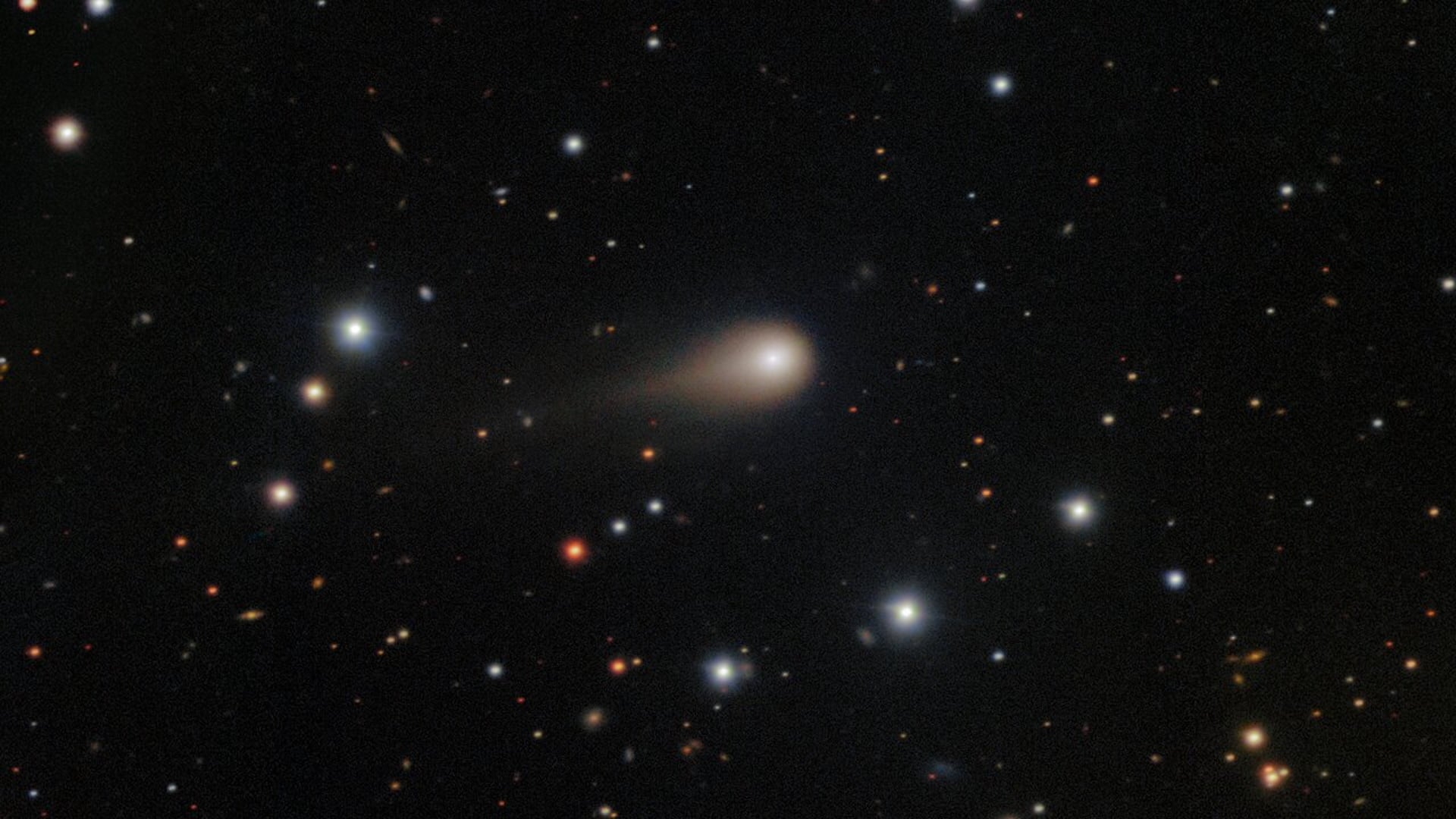
Astronomers and students captured detailed images of the interstellar comet 3I/ATLAS, revealing a prominent tail and coma, and conducted spectral analysis to study its composition, providing valuable insights into material from another star system during its brief passage through our solar system.
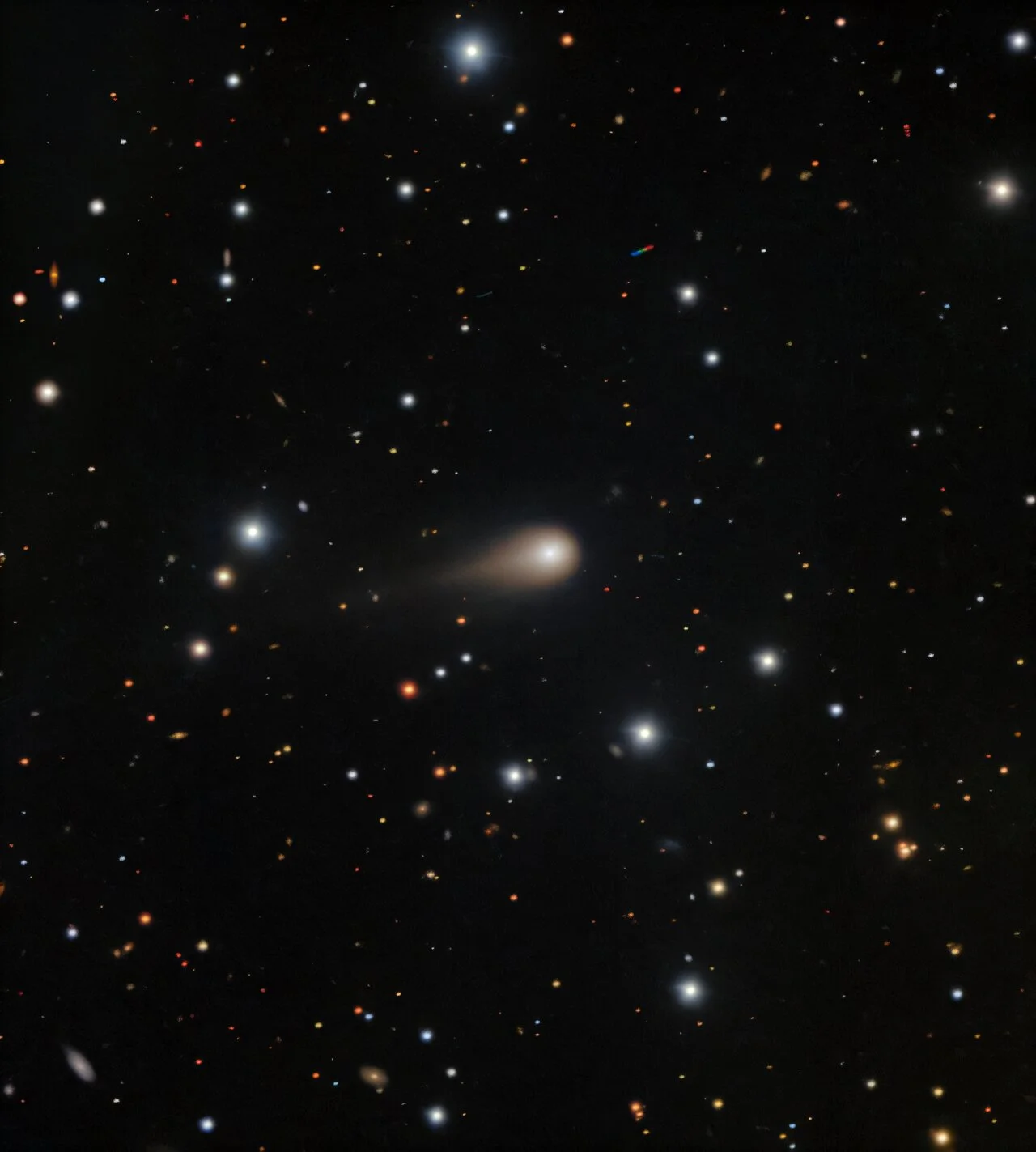
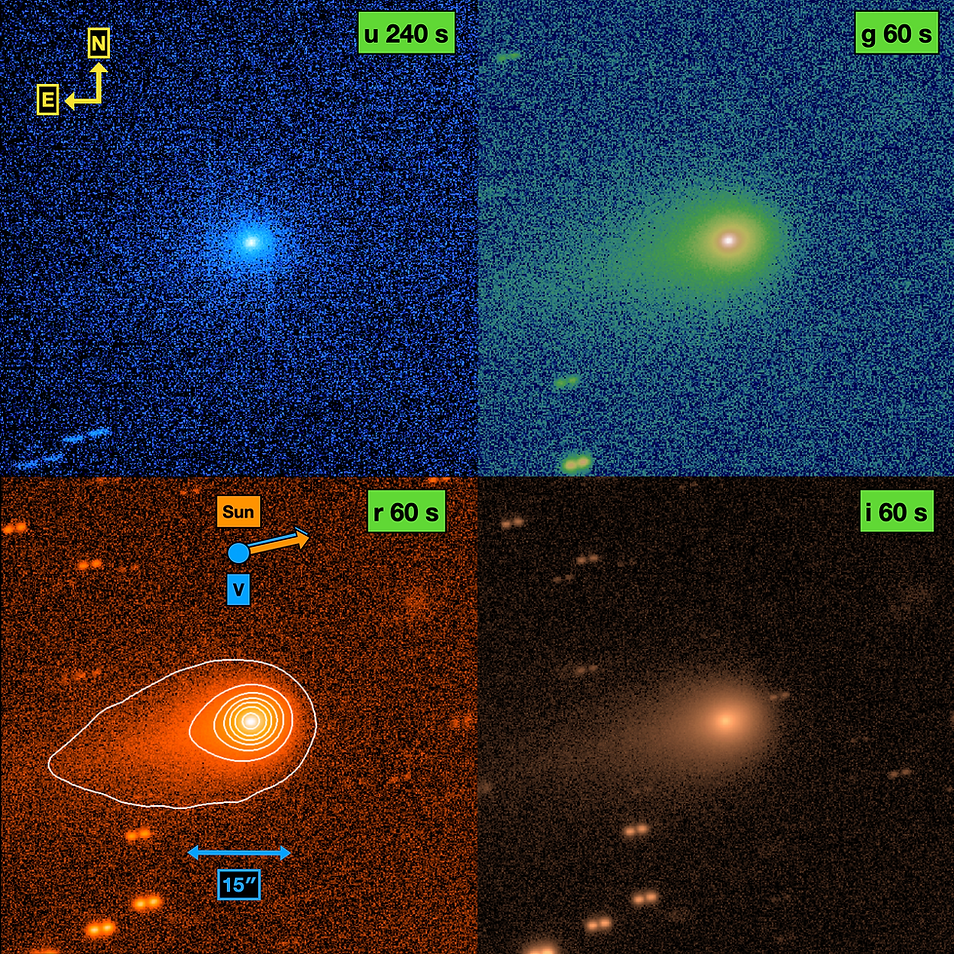
Deep imaging of interstellar object 3I/ATLAS revealed a teardrop-shaped tail in the anti-Sun direction, with gas analysis indicating unusual composition and activity at large distances from the Sun, raising questions about its nature and origin.
Comet 3I/ATLAS, an interstellar object, exhibits unusual behavior with dust being ejected towards the Sun, possibly due to its rotation or surface weathering, indicating it may be older and more weathered than typical comets. It will approach the Sun closely in late 2025 and is notable for its speed and origin.