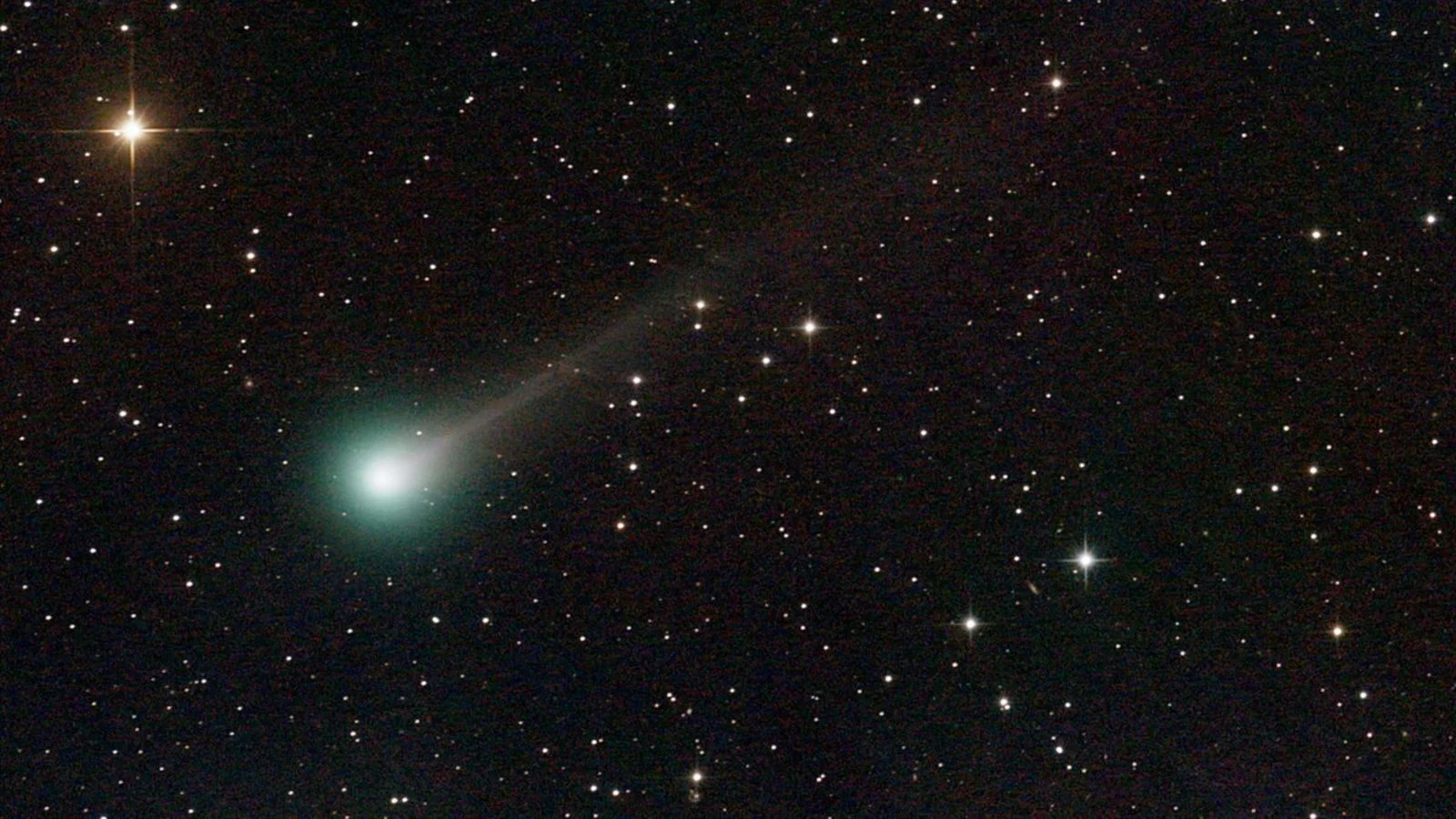
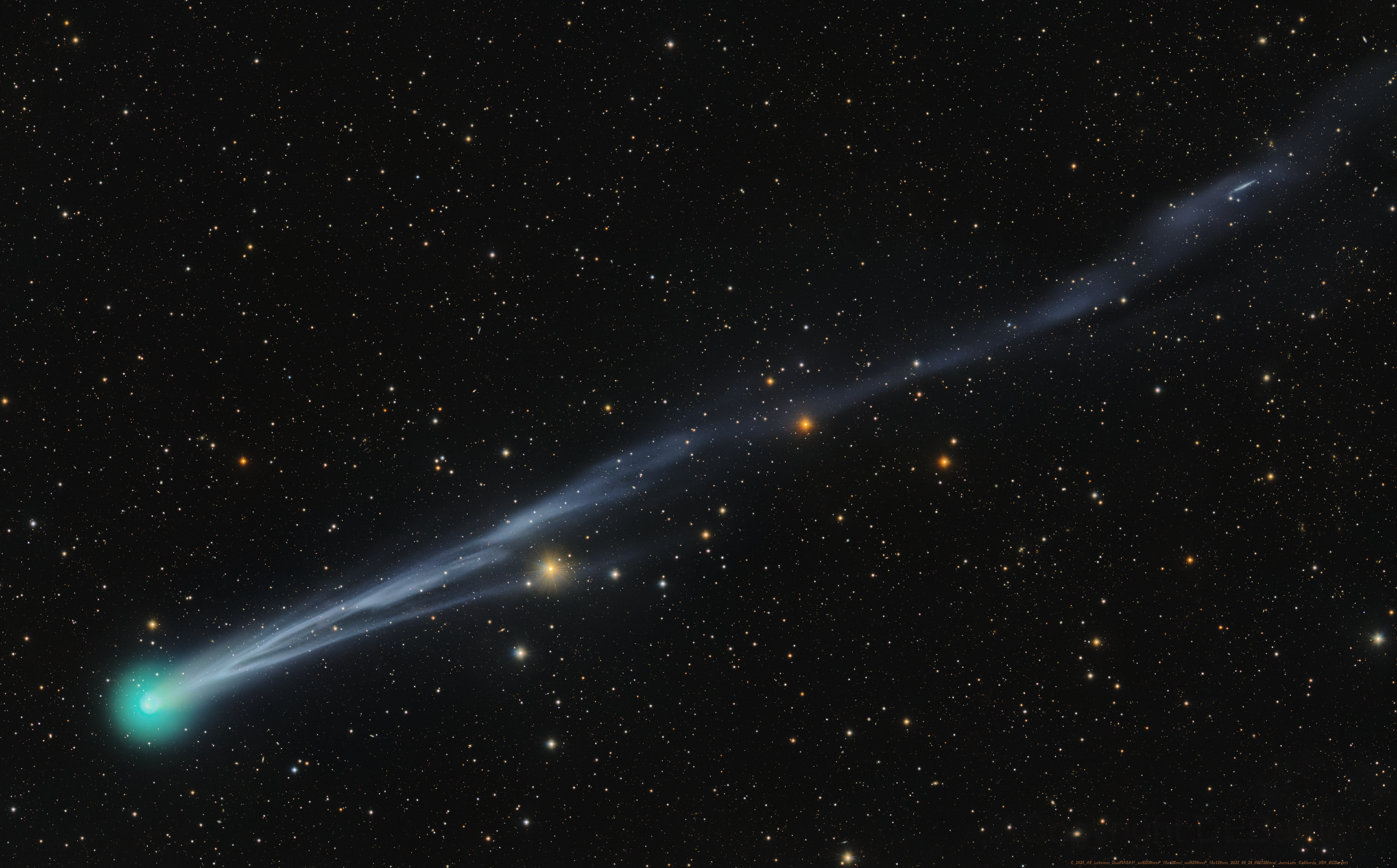
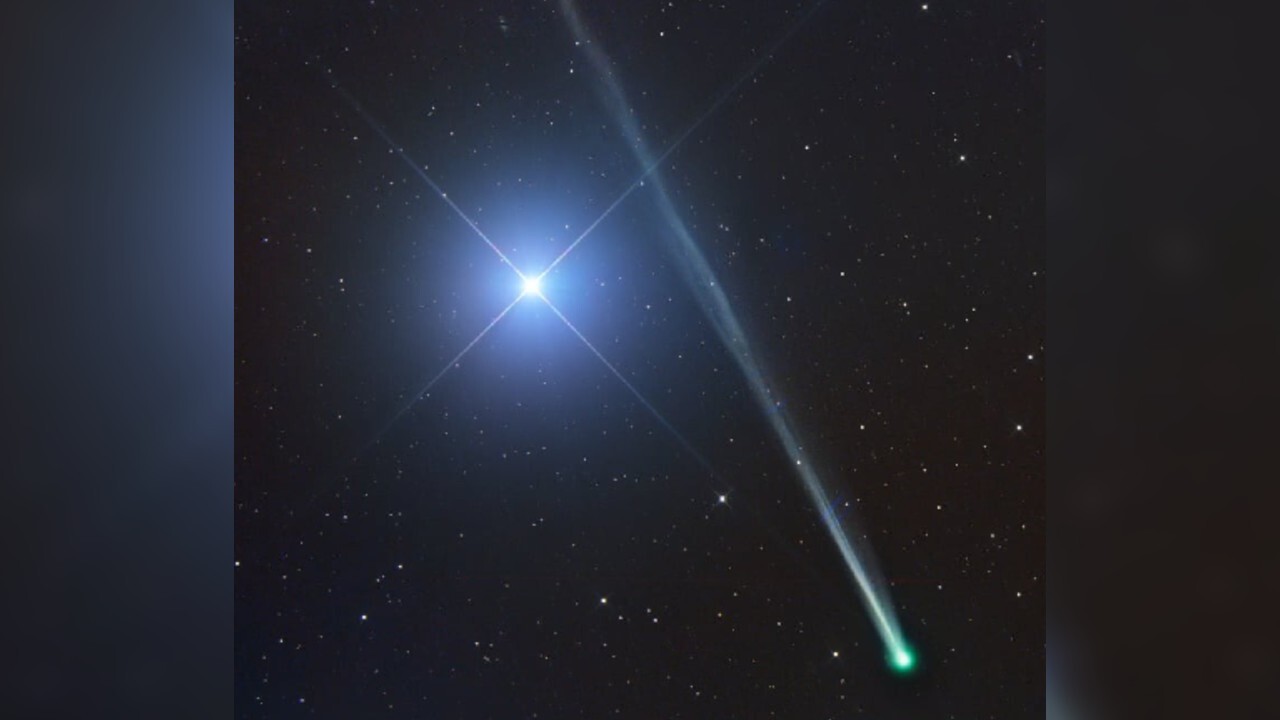
Comet Lemmon (C/2025 A6) is rapidly brightening and may become visible to the naked eye in late October, offering a rare opportunity for skywatchers to observe a bright comet with good dark-sky conditions, especially between October 22 and 28 when it reaches its peak brightness.
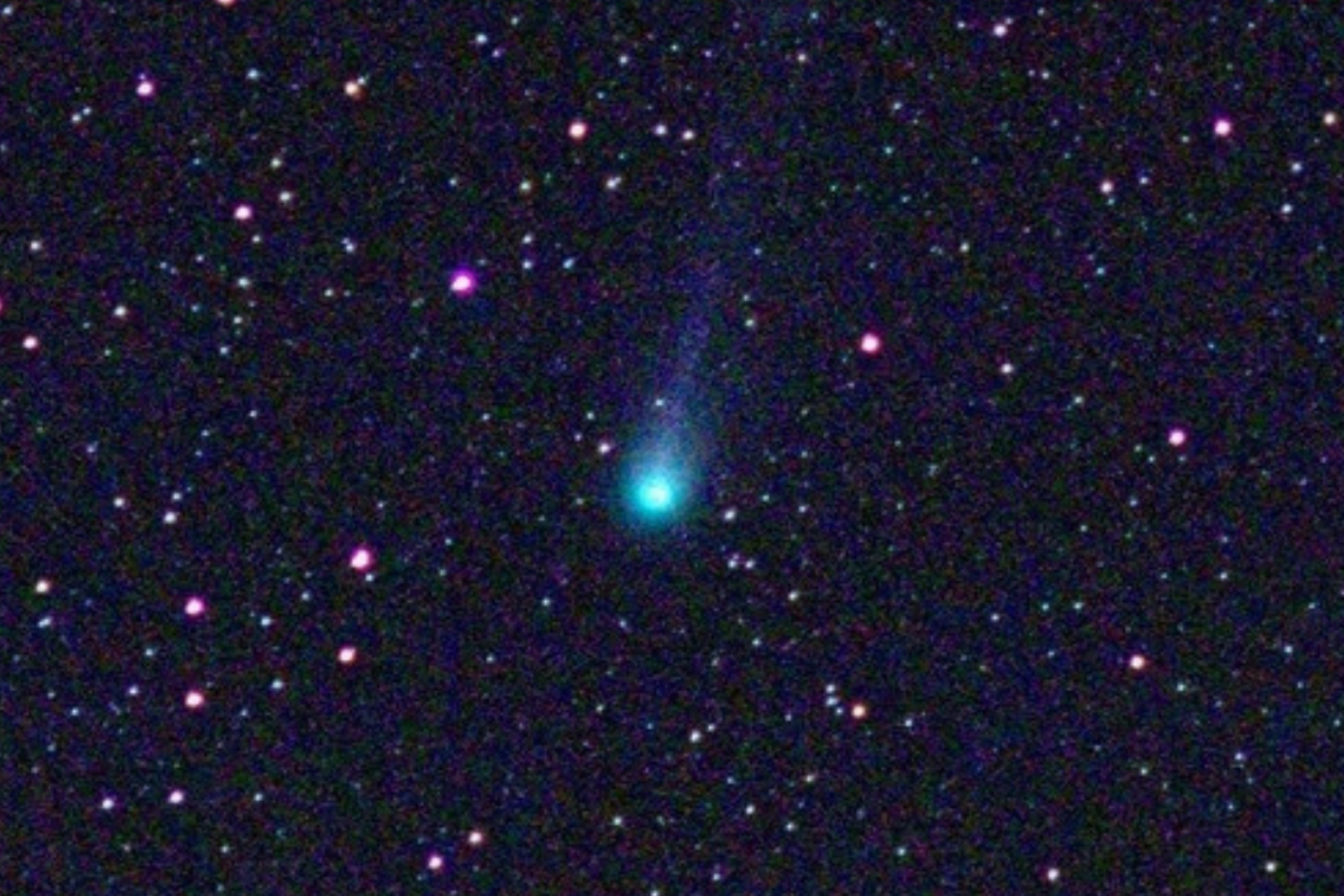
Comet C/2025 R2 (SWAN), discovered in September 2025, is approaching Earth and may become visible to the naked eye in October, peaking around magnitude +6 to +7, and will be best observed with binoculars or small telescopes as it moves across constellations like Libra and Sagittarius.
Astronomers have detected a bright new classical nova, V462 Lupi, in the Lupus constellation, which is now visible to the naked eye from parts of North America, following a stellar explosion that occurred in the Milky Way.
The Mount Everest-sized comet 12P/Pons-Brooks, also known as the "devil" comet, is set to make its closest approach to the sun on April 21 and will be visible in the evenings from the northern hemisphere. Stargazers may be able to see it with the naked eye, but binoculars are recommended for a better view. The comet, which last approached the sun in 1954, is expected to reach its brightest point in the weeks leading up to April 21 and may be visible during the April 8 solar eclipse in the U.S. Its unique properties, including a green hue and horn-shaped explosions of gas and dust, have made it an object of interest for astronomers.