Tag

Ocean Life

All articles tagged with #ocean life

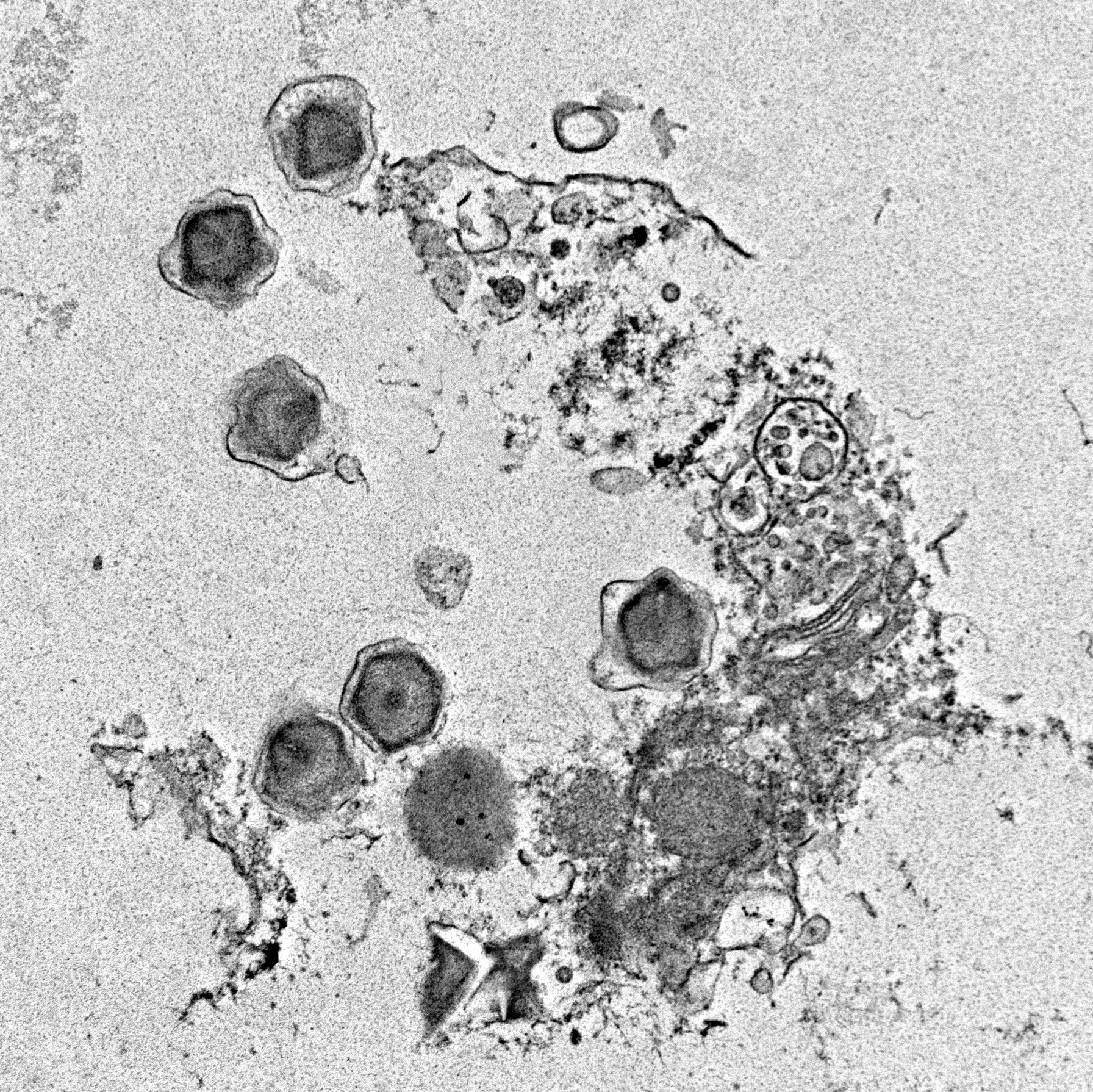
Scientists Discover 230 New Giant Viruses Impacting Ocean Ecosystems

Originally Published 7 months ago — by Phys.org

Featured image for Scientists Discover 230 New Giant Viruses Impacting Ocean Ecosystems
Source: Phys.org

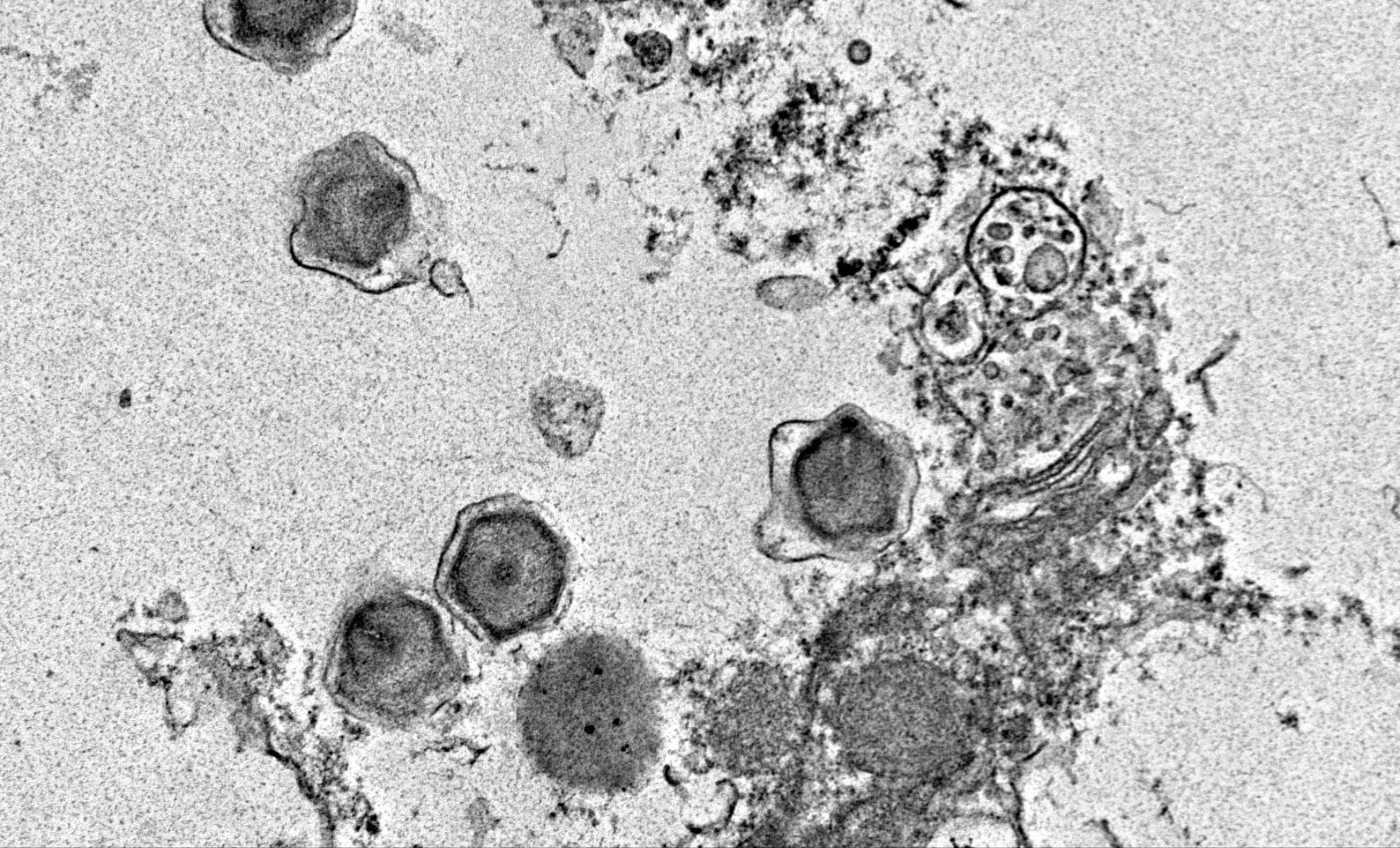
Scientists have discovered 230 new giant viruses in ocean waters that infect protists like algae, which are crucial to marine ecosystems and can influence public health through harmful algal blooms. Using advanced computational tools and global datasets, they characterized these viruses' genomes and functions, revealing their potential to manipulate host metabolism and impact biogeochemical cycles. This research enhances understanding of ocean viral diversity and could aid in monitoring and managing marine health threats.

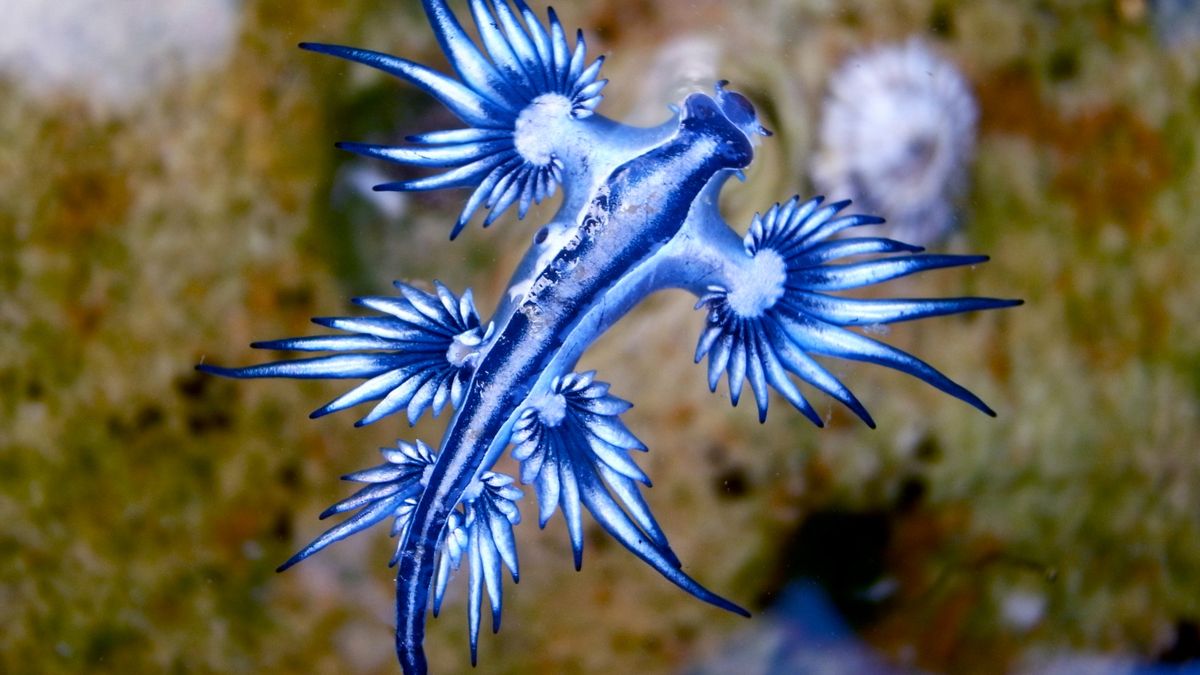
"Venomous Theft: The Deadly Sea Slug's Lethal Strategy"

Originally Published 1 year ago — by Livescience.com

Featured image for "Venomous Theft: The Deadly Sea Slug's Lethal Strategy"
Source: Livescience.com

The blue dragon, a tiny sea slug found in tropical and subtropical waters, has a striking appearance and a unique lifestyle. It feeds on venomous creatures such as Portuguese men o'war and stores their stinging cells for self-defense. Its ability to release these cells all at once makes it dangerous to swimmers and beachgoers. Additionally, as hermaphrodites, they have both male and female reproductive organs and lay strings of eggs that hatch in a few days.

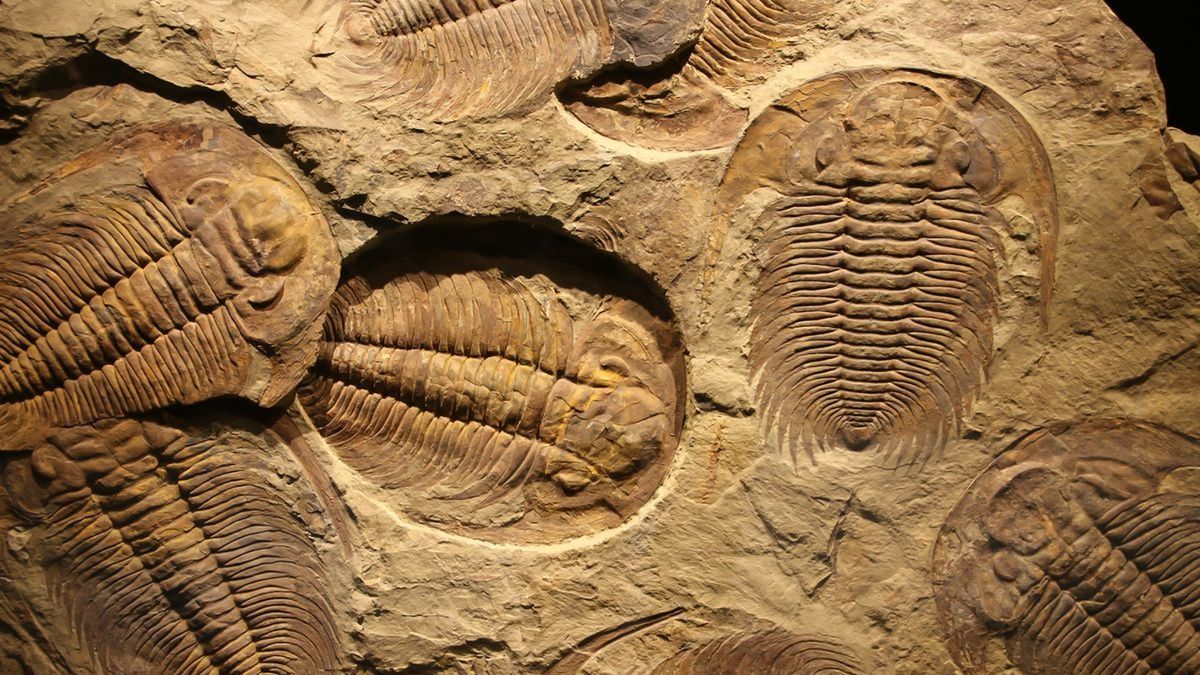
Devastating Poisonous Gas Wave Wiped Out Half of Earth's Sea Life in First Mass Extinction

Originally Published 2 years ago — by Livescience.com

Featured image for Devastating Poisonous Gas Wave Wiped Out Half of Earth's Sea Life in First Mass Extinction
Source: Livescience.com

A new study suggests that a surge of hydrogen sulfide gas may have played a significant role in the mass extinction event that occurred around 530 million years ago, wiping out 45% of all ocean animals. Previously, it was believed that low-oxygen conditions were the primary cause of the die-off. The researchers found high levels of molybdenum in sediment samples from the extinction period, indicating the presence of hydrogen sulfide in the water. The surge of this toxic gas may have been triggered by an explosion of organic matter, which led to the depletion of oxygen and the subsequent release of hydrogen sulfide. Further research is needed to determine the exact cause of the anoxic conditions and the sulfidic wave that followed.

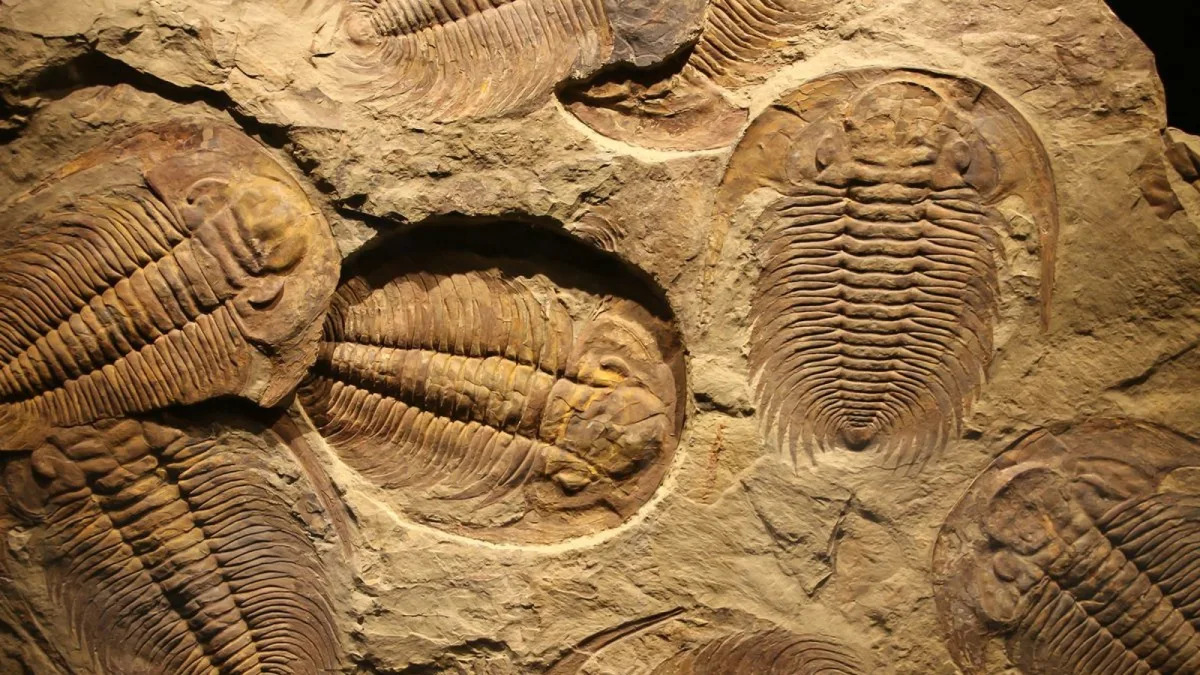
Devastating Poisonous Gas Wave Wiped Out Half of Earth's Sea Life in First Mass Extinction

Originally Published 2 years ago — by Yahoo Life

Featured image for Devastating Poisonous Gas Wave Wiped Out Half of Earth's Sea Life in First Mass Extinction
Source: Yahoo Life

A new study suggests that a surge of hydrogen sulfide gas may have played a significant role in the Earth's first mass extinction event, which occurred around 530 million years ago. Previously, it was believed that low-oxygen conditions were the primary cause of the die-off. Researchers found high levels of molybdenum in sediment samples from the extinction period, indicating the presence of hydrogen sulfide in the water. The toxic gas may have been produced by an explosion of organic matter, leading to the death of 45% of all ocean animals. Further research is needed to determine the exact cause of the anoxic conditions and the subsequent sulfidic wave.

Unraveling the Mysteries of Ocean Bioluminescence: Exploring the Summer Glow of Marine Life

Originally Published 2 years ago — by USA TODAY

Featured image for Unraveling the Mysteries of Ocean Bioluminescence: Exploring the Summer Glow of Marine Life
Source: USA TODAY

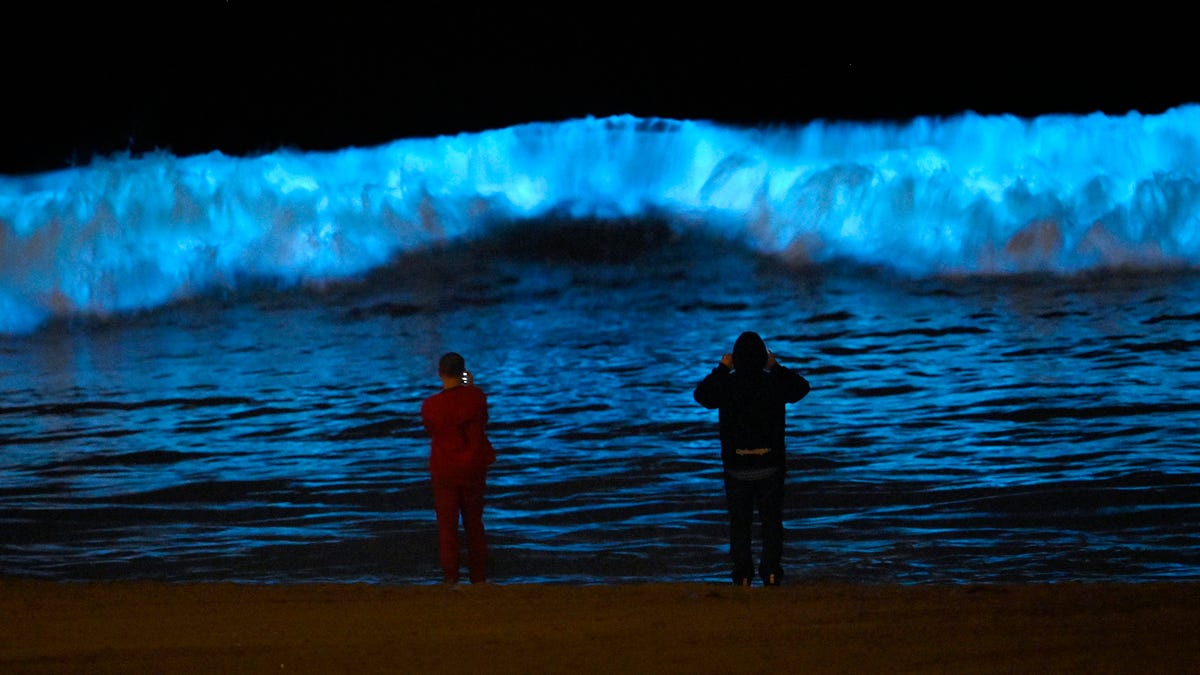
Phytoplankton blooms, microscopic organisms critical to ocean life, are visible from space and contribute to the global carbon cycle. The composition of these blooms may be changing with warmer sea surface temperatures. Bioluminescence, a chemical reaction seen in marine organisms, causes light to emit from living things, creating dazzling displays in shallow waters. The North Sea is currently experiencing a bloom of phytoplankton, known as sea sparkle, resulting in a milky blue appearance. The best times to view bioluminescence are in the summer and fall on dark, cloudy nights. Researchers have found that phytoplankton blooms in the North Sea are starting later and lasting longer, possibly due to warmer sea surface temperatures.

Fishermen Encounter Great White Shark While Catching Fish

Originally Published 2 years ago — by Asbury Park Press

Featured image for Fishermen Encounter Great White Shark While Catching Fish
Source: Asbury Park Press

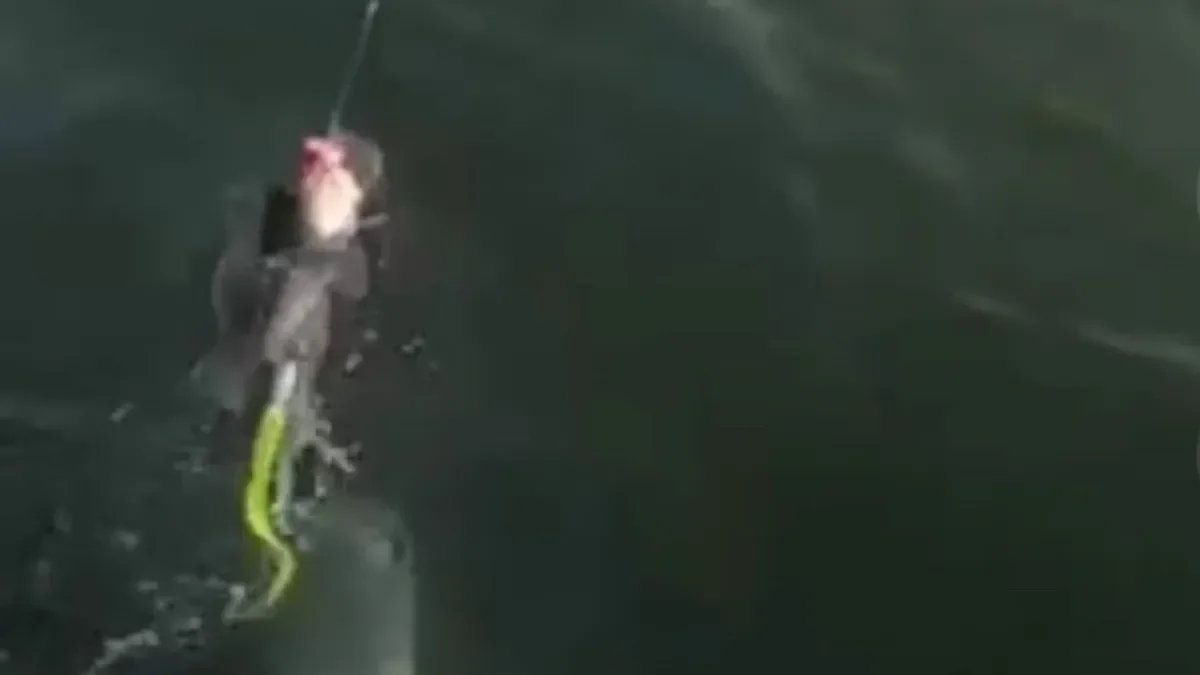
A father and daughter fishing off the coast of Point Pleasant Beach in New Jersey had a close encounter with a juvenile or immature great white shark that tried to steal their catch. While sightings of great white sharks are on the rise, they are still rare in the wild. White shark populations have rebounded due to federal protections placed on the species and seals, their main prey, which has made their food source more available. This is the time of year when increased activity is seen in the mid-Atlantic area as they migrate north.

Warming oceans threaten life in the 'twilight zone'.

Originally Published 2 years ago — by BBC

Featured image for Warming oceans threaten life in the 'twilight zone'.
Source: BBC

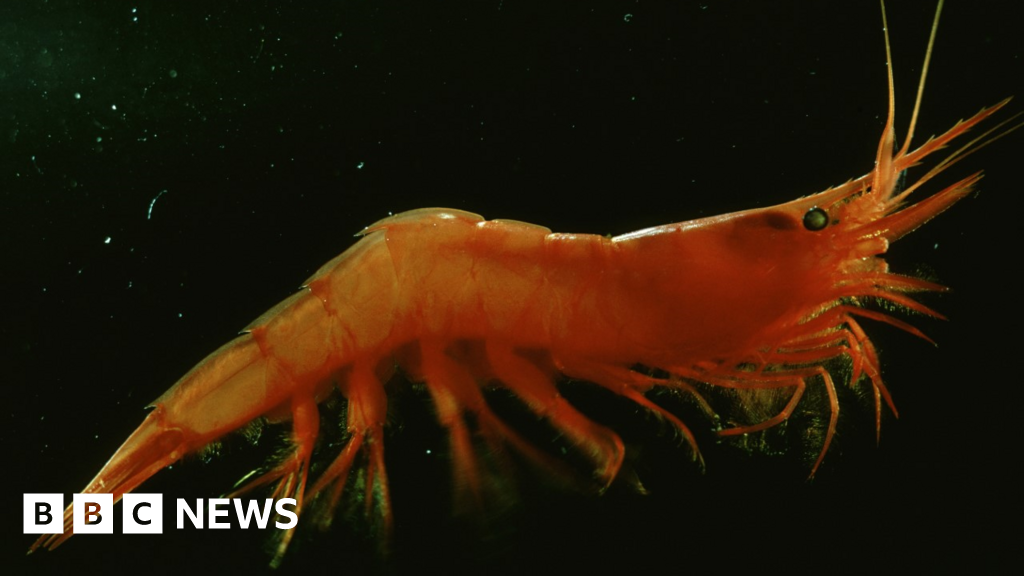
Climate change could reduce life in the ocean's twilight zone by up to 40% by the end of the century, according to new research. The twilight zone, which lies between 200m and 1,000m, is a vital habitat for marine life and serves as a carbon sink. Scientists found that during warmer periods in Earth's history, fewer organisms lived in the zone because bacteria degraded food more quickly, meaning less of it reached the twilight zone from the surface. The study warns that unless greenhouse gas emissions are rapidly reduced, much of the twilight zone life could disappear or become extinct within 150 years.

Warming oceans threaten life in the 'twilight zone'.

Originally Published 2 years ago — by BBC

Featured image for Warming oceans threaten life in the 'twilight zone'.
Source: BBC

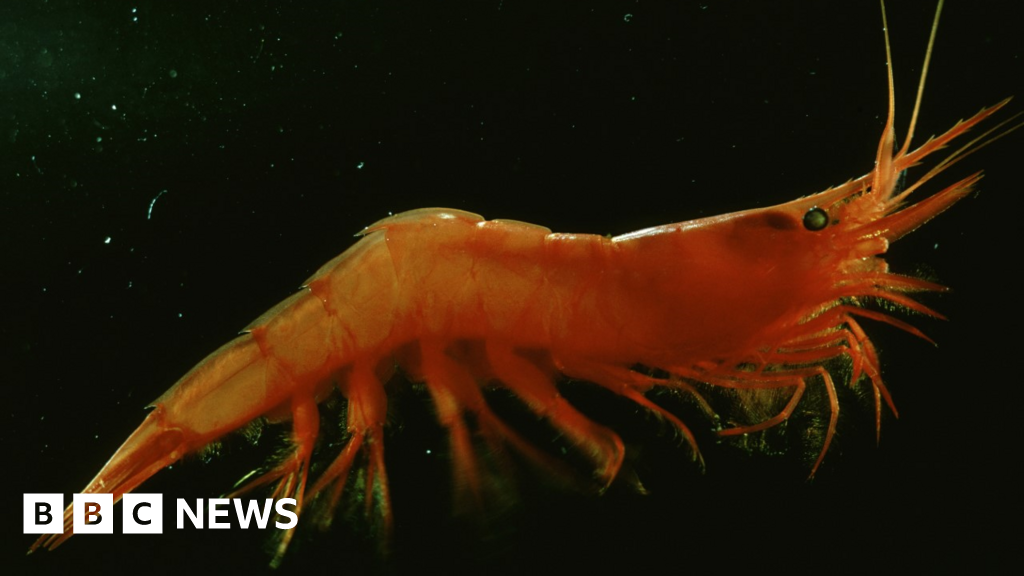
Climate change could reduce life in the ocean's twilight zone by up to 40% by the end of the century, according to new research. The twilight zone, which lies between 200m and 1,000m, is a vital habitat for marine life and serves as a carbon sink. Scientists found that during warmer periods in Earth's history, fewer organisms lived in the zone because bacteria degraded food more quickly, meaning less of it reached the twilight zone from the surface. The study warns that unless greenhouse gas emissions are rapidly reduced, much of the twilight zone life could disappear or become extinct within 150 years.

"Massive Seaweed Blob Threatens Florida's Beaches and Tourism Industry"

Originally Published 2 years ago — by CNN

Featured image for "Massive Seaweed Blob Threatens Florida's Beaches and Tourism Industry"
Source: CNN

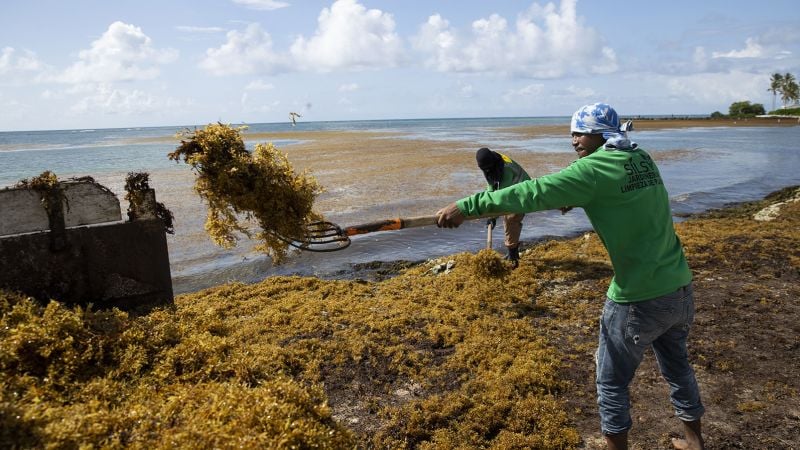
A giant seaweed bloom, twice the size of the continental United States, is heading towards Florida and other coastlines in the Gulf of Mexico, threatening to dump smelly and possibly harmful piles across beaches and dampening tourism season. Sargassum, the specific variety of seaweed, can be beneficial for ocean life when adrift at sea, but when it hits the beaches, it can emit a gas that smells like rotten eggs and suck the oxygen out of the water, creating dead zones. The seaweed can also be dangerous to humans, emitting toxic gas and containing arsenic in its flesh.