
Tag

Marine Organisms

All articles tagged with #marine organisms

Toxicity Levels in Common Plastic Products Leave Researchers Astonished

Originally Published 2 years ago — by Phys.org

Featured image for Toxicity Levels in Common Plastic Products Leave Researchers Astonished
Source: Phys.org

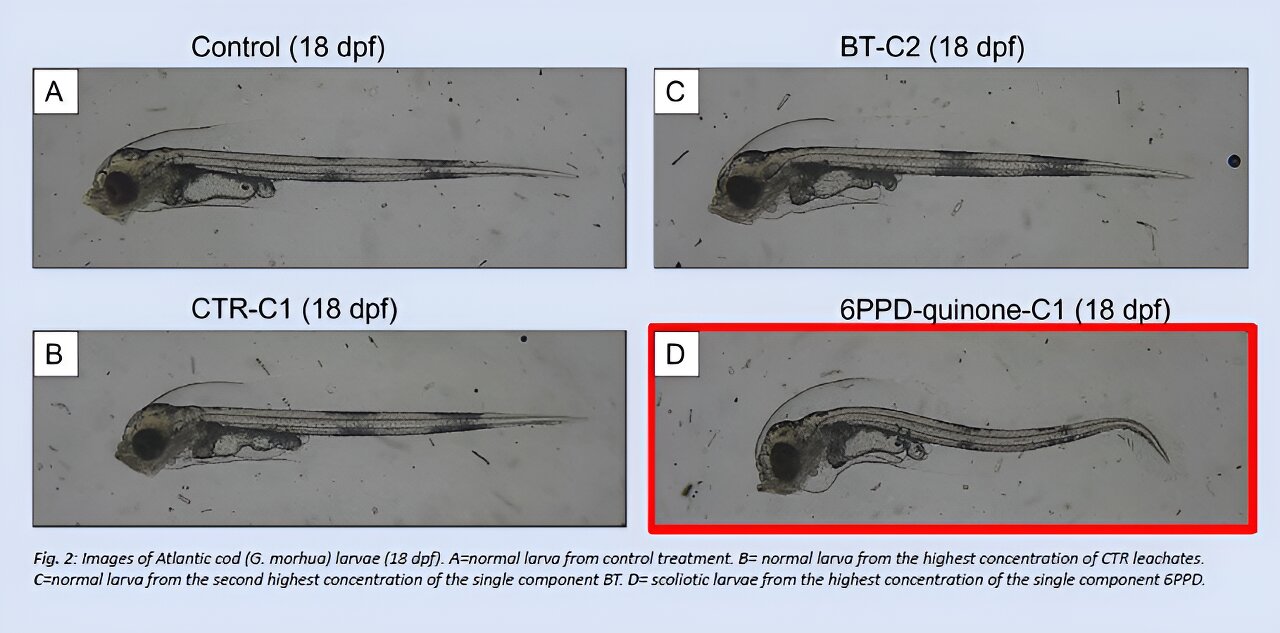
Researchers have found that chemical additives in standard plastic products, including rubber, can leach out into the marine environment and have toxic effects on marine organisms. The study examined 50 everyday plastic items and discovered a wide range of chemicals, many of which were unidentified. Rubber products, such as dishwashing gloves, were found to be particularly toxic. The researchers also exposed cod embryos and larvae to microplastic particles and the chemicals, finding that the chemicals were essential in producing toxic effects. The study highlights the need to reduce plastic use and raises concerns about the potential impact on human health.
"Robotic Mussels: Saving New England's Shoreline"

Originally Published 2 years ago — by WCVB Boston

Featured image for "Robotic Mussels: Saving New England's Shoreline"
Source: WCVB Boston

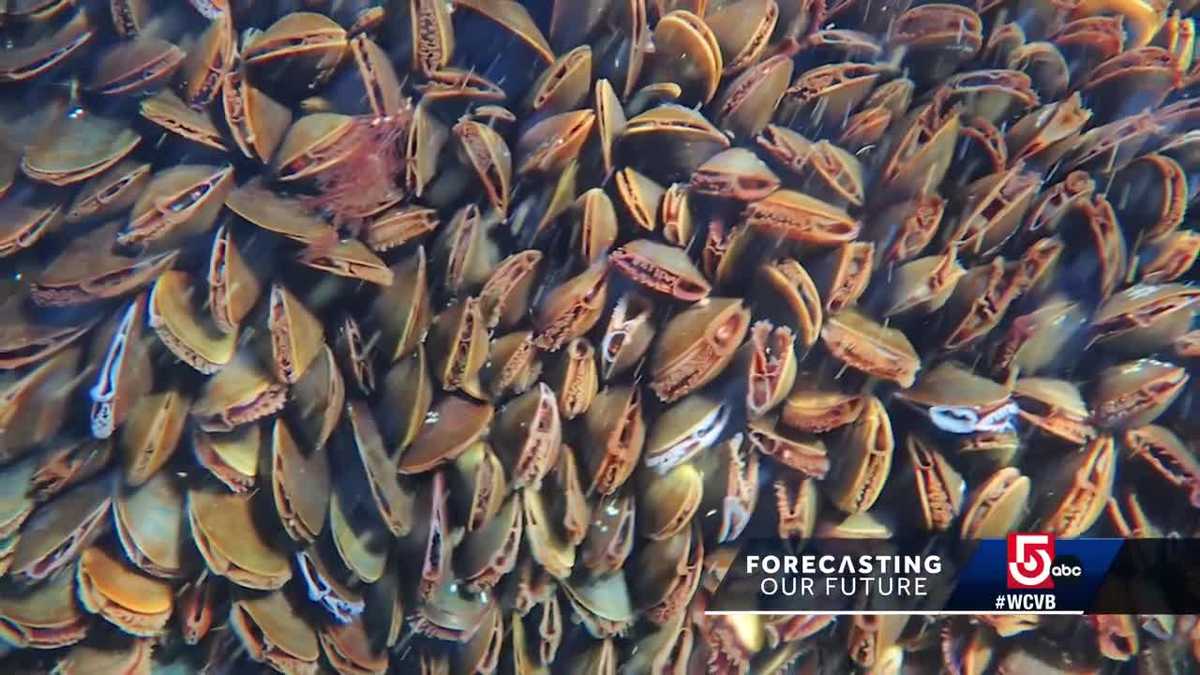
Warming seas are causing mussels to die off along the New England shoreline, with the Gulf of Maine warming 99% faster than any other large body of water on the planet. Professor Brian Helmuth and his team at Northeastern University are using tiny logging devices and robotic mussels to measure the temperature of the rock surface where the mussels live, finding that it's too hot for them to survive. The decline of mussels is seen as a warning sign for the health of the entire ecosystem, and researchers are studying how other organisms, such as sea stars, are responding to climate change as well.

Unraveling the Mysteries of Ocean Bioluminescence: Exploring the Summer Glow of Marine Life

Originally Published 2 years ago — by USA TODAY

Featured image for Unraveling the Mysteries of Ocean Bioluminescence: Exploring the Summer Glow of Marine Life
Source: USA TODAY

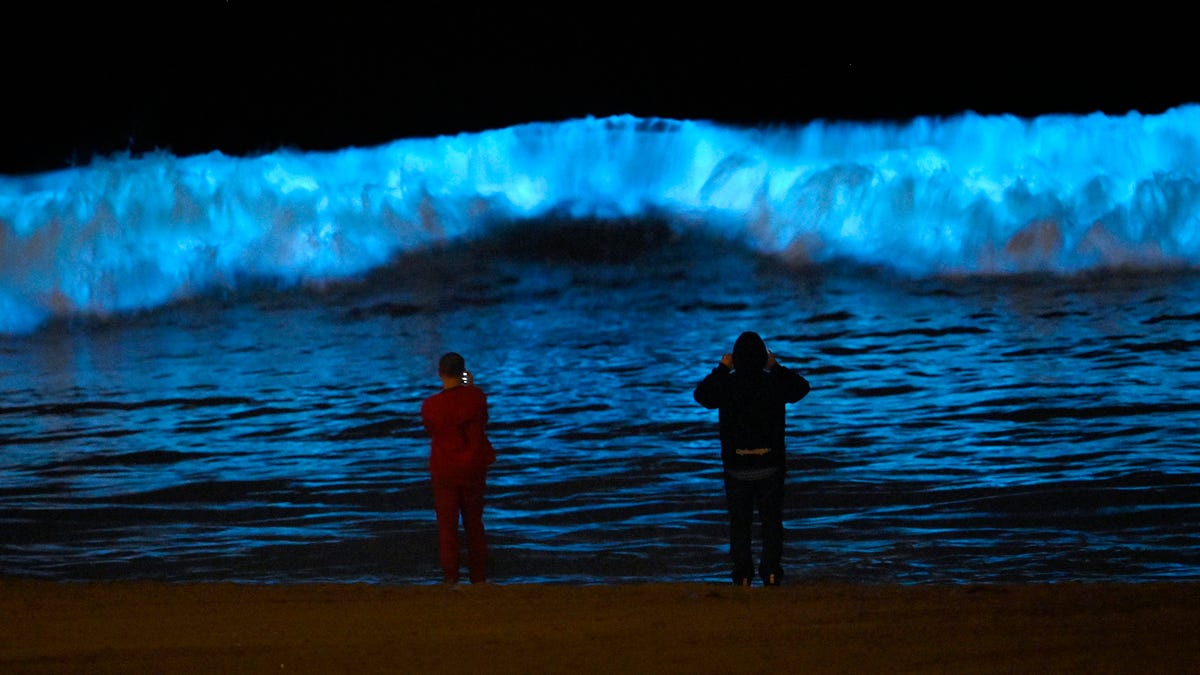
Phytoplankton blooms, microscopic organisms critical to ocean life, are visible from space and contribute to the global carbon cycle. The composition of these blooms may be changing with warmer sea surface temperatures. Bioluminescence, a chemical reaction seen in marine organisms, causes light to emit from living things, creating dazzling displays in shallow waters. The North Sea is currently experiencing a bloom of phytoplankton, known as sea sparkle, resulting in a milky blue appearance. The best times to view bioluminescence are in the summer and fall on dark, cloudy nights. Researchers have found that phytoplankton blooms in the North Sea are starting later and lasting longer, possibly due to warmer sea surface temperatures.